
Home Electrical Inspection: What To Expect And Why It Matters
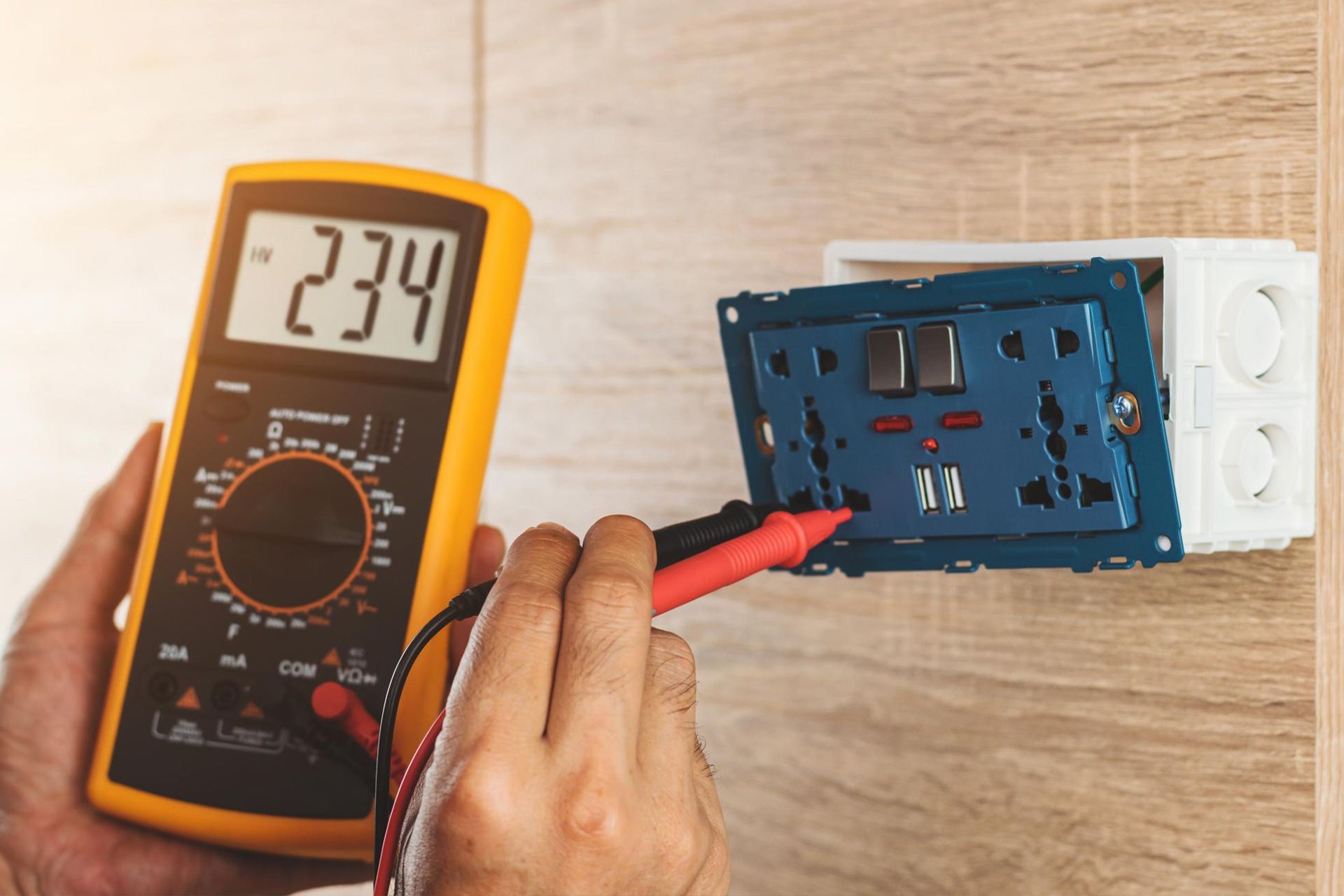
A home's electrical system works behind the scenes every day. It powers lighting, appliances, heating and cooling equipment, chargers, entertainment systems, and many of the devices homeowners depend on. But because much of the wiring is hidden, electrical problems are not always easy to recognize.
A home electrical inspection helps identify visible and accessible conditions that may affect the safety or function of the electrical system. During a professional home inspection, the inspector evaluates components such as the electrical panel, wiring methods, outlets, switches, fixtures, grounding, bonding, and electrical safety devices.
For buyers, the electrical portion of an inspection can reveal conditions they may not notice during a normal property tour. For current homeowners, electrical concerns may become more important as a home ages, undergoes renovations, or takes on new electrical demands.
Here is what to expect, why electrical findings matter, and when further evaluation by a qualified electrician may be appropriate.
What Is a Home Electrical Inspection?
A home electrical inspection is an evaluation of visible and accessible parts of a home's electrical system.
During a complete home inspection, electrical components are examined along with the structure, roof, plumbing, HVAC equipment, interior, exterior, attic, and other major systems.
Green Valley Inspections includes the main service panel, subpanels, wiring methods, outlets, switches, fixtures, grounding, and bonding within the electrical portion of its home inspections.
The inspection is visual and non-invasive.
That means an inspector does not open finished walls, remove flooring, or trace every concealed wire through the house. The goal is to identify observable defects, safety concerns, unusual conditions, and areas that may need additional professional evaluation.
Home Inspection vs. Electrician's Electrical Evaluation
These services can overlap, but they are not exactly the same.
A home inspector evaluates the electrical system as one part of the overall property inspection.
A licensed electrician may perform a more specialized electrical evaluation when a particular problem requires diagnosis, testing, repair recommendations, or electrical work.
For example, a home inspector may identify:
- An unusual panel condition
- Damaged wiring
- An outlet that does not function
- Improper electrical repairs
- Missing safety protection
- Signs of overheating
The inspector may then recommend further evaluation by a qualified electrician.
This process allows buyers to first understand the overall condition of the home and then obtain specialized expertise where necessary.
What to Expect During a Home Electrical Inspection
The electrical portion of an inspection usually moves through several areas of the property.
The exact process depends on the home's age, design, electrical system, accessibility, and current condition.
Here are some of the major components that may be evaluated.
Electrical Service and Main Panel
The electrical panel distributes electricity throughout the home.
An inspector may evaluate accessible conditions involving:
- Main service equipment
- Main disconnect
- Panel enclosure
- Circuit breakers or fuses
- Visible conductors
- Panel labeling
- Grounding and bonding
- Subpanels
- Signs of overheating or damage
The inspector looks for visible conditions that could indicate improper installation, deterioration, damage, or other concerns.
Homeowners should not remove the interior cover of an electrical panel themselves. Live electrical components may be present, creating a serious shock hazard.
If an inspector identifies a condition that requires more detailed diagnosis, a qualified electrician may be recommended.
Visible Wiring Methods
Homes built or remodeled during different periods may contain different wiring materials and installation methods.
During an inspection, accessible wiring may be observed in areas such as:
- Attics
- Garages
- Crawl spaces
- Basements
- Utility areas
- Near electrical panels
- Exterior locations
An inspector may look for visible concerns such as:
- Damaged wiring
- Exposed conductors
- Unsupported cables
- Improper connections
- Open junction boxes
- Questionable modifications
- Signs of overheating
- Physical damage
Most wiring inside finished walls cannot be seen during a standard inspection.
This is an important limitation to understand. A professional home inspection provides valuable information about accessible conditions, but it cannot reveal every concealed electrical defect.
Outlets and Receptacles
Outlets are another important part of a home electrical safety inspection.
Inspectors typically test a representative number of accessible receptacles and look for problems that may affect their operation or safety.
Possible findings include:
- Nonworking outlets
- Loose receptacles
- Damaged covers
- Improper wiring indications
- Missing covers
- Signs of heat damage
- Grounding concerns
- GFCI-related issues
Furniture, appliances, stored belongings, or other obstructions may prevent access to some outlets.
The goal is not to unplug every appliance and test every receptacle in the property. The inspector
evaluates accessible components according to the inspection scope.
GFCI Protection
GFCI stands for ground-fault circuit interrupter.
These safety devices are designed to interrupt electrical power when certain ground-fault conditions are detected.
They are commonly associated with locations where electricity and moisture may be more likely to come into contact, such as bathrooms, kitchens, garages, exterior areas, and other applicable locations.
During a home inspection, accessible GFCI protection may be tested where appropriate. Professional inspection standards also include testing accessible GFCI devices using their test functions or appropriate testing methods.
If protection is missing, does not respond correctly, or another concern is identified, the inspector may document the condition.
However, an inspection should not be confused with a full code-compliance evaluation.
Requirements have changed over time, and the age of the home matters when evaluating older electrical installations.
AFCI Protection
AFCI stands for arc-fault circuit interrupter.
An arc fault is an unintended electrical condition that can generate heat and potentially contribute to a fire.
Where accessible and applicable, an inspector may test AFCI-protected circuits using the device's test button.
Newer homes may have more AFCI protection than older properties because electrical standards have changed over time.
The absence of a modern electrical feature in an older home does not automatically mean the entire electrical system is unsafe. Inspectors consider the home's age, visible condition, installation, and other factors when reporting findings.
Switches and Light Fixtures
Inspectors may operate a representative number of accessible switches and installed lighting fixtures.
Possible concerns include:
- Switches that do not operate
- Loose components
- Missing covers
- Damaged fixtures
- Visible exposed wiring
- Signs of overheating
- Improper installations
A nonworking light does not always indicate an electrical wiring problem. Sometimes the cause may simply be a failed bulb.
The inspector considers the surrounding conditions before making recommendations.
Grounding and Bonding
Grounding and bonding are important parts of an electrical system, but the terms can be confusing for homeowners.
In simple terms, these systems help provide intended electrical pathways and reduce certain electrical hazards when properly installed.
An inspector may observe accessible:
- Grounding conductors
- Bonding connections
- Service equipment
- Related panel components
Because much of the grounding system may not be visible, a standard home inspection cannot confirm every concealed connection throughout the property.
Visible concerns may lead to a recommendation for additional electrical evaluation.
Exterior Electrical Components
Electrical inspection does not stop at the front door.
Accessible exterior components may include:
- Outdoor receptacles
- Exterior lighting
- Electrical service entrance
- Disconnects
- Visible conduit
- Wiring serving outdoor equipment
Weather exposure can affect exterior electrical components.
Damaged covers, exposed wiring, deteriorated equipment, or other visible problems may deserve attention.
Homes with pools, spas, detached structures, or other specialized electrical systems may require additional evaluation depending on the inspection scope and observed conditions.
Electrical Components in Attics and Crawl Spaces
Attics and crawl spaces can reveal electrical work that is difficult to see from inside finished rooms.
Inspectors may encounter:
- Exposed junction boxes
- Unsupported wiring
- Improvised connections
- Damaged cables
- Wiring near insulation
- Previous renovation work
- Electrical components serving HVAC equipment
These areas can provide clues about modifications made after the home was originally built.
Access still matters. Unsafe conditions, low clearance, stored belongings, insulation, or other obstacles may limit what the inspector can see.
Common Problems Found During Electrical Inspections
Not every home has major electrical problems, but certain conditions appear regularly during inspections.
Improper DIY Electrical Work
Homeowners sometimes make electrical changes without understanding how the entire system works.
An inspector may find:
- Unprotected splices
- Open junction boxes
- Improper wiring connections
- Unusual added circuits
- Damaged receptacles
- Questionable fixture installations
An electrical repair that appears to work is not necessarily properly installed.
When questionable modifications are found, further evaluation may be recommended.
Damaged Outlets or Switches
Cracked covers, loose receptacles, damaged switches, discoloration, or heat-related marks should not simply be ignored.
They may indicate physical damage, poor connections, excessive heat, or another condition requiring attention.
Signs of Overheating
Visible scorching, melted materials, discoloration, or burning odors around electrical equipment deserve prompt attention.
Electrical problems should not be tested by touching suspicious components or repeatedly resetting breakers.
A qualified professional should evaluate signs of overheating.
Breakers That Trip Repeatedly
A circuit breaker that trips once may be responding to a temporary condition.
Repeated tripping deserves investigation.
Possible causes can include overloaded circuits, equipment problems, wiring defects, or other electrical conditions.
Do not repeatedly reset a breaker without understanding why it is tripping.
Extension Cords Used as Permanent Wiring
Extension cords are useful for temporary applications, but they should not be treated as permanent household wiring. Overloading or improperly using extension cords can create fire and shock hazards.
During an inspection, extensive dependence on extension cords may also suggest that the home does not have convenient receptacles for its current use.
Warning Signs Homeowners Should Not Ignore
You do not have to wait for a property transaction to pay attention to electrical conditions.
Consider professional evaluation if you notice:
- Flickering lights
- Repeated breaker trips
- Warm or discolored outlets
- Burning smells
- Buzzing electrical components
- Sparks
- Loose outlets
- Damaged wiring
- Nonworking receptacles
- Electrical shocks or tingling sensations
Some of these conditions can have several possible causes.
Do not try to diagnose electrical problems by removing panel covers or working on energized equipment yourself.
When Is a Home Electrical Inspection Especially Important?
Electrical evaluation is valuable during a standard home inspection, but certain properties deserve particularly careful attention.
When Buying an Older Home
Older homes may have undergone decades of repairs, remodeling, and electrical changes.
The electrical system may include components from several different periods.
That does not automatically make the home unsafe, but buyers should understand what is present and whether visible concerns need attention.
After Major Renovations
Remodeling can involve new lighting, receptacles, appliances, HVAC equipment, kitchens, bathrooms, or room additions.
If modifications appear questionable or documentation is unclear, electrical conditions may deserve closer evaluation.
When Adding Major Electrical Loads
Modern homes may use equipment that older electrical systems were not originally designed around.
Examples include:
- Electric vehicle chargers
- Solar equipment
- Large appliances
- Heat pumps
- Pool or spa equipment
- Additional HVAC systems
A home inspector can identify visible conditions, but determining whether the electrical service has adequate capacity for a proposed installation may require an electrician and appropriate load calculations.
When Electrical Problems Keep Returning
Repeated problems should not be treated as normal.
If breakers repeatedly trip, outlets stop working, or lights frequently flicker, further professional evaluation can help determine the cause.
What a Home Electrical Inspection Does Not Include
Understanding the limits of the inspection helps homeowners set realistic expectations.
A standard home inspection generally does not involve:
- Opening finished walls
- Tracing every concealed circuit
- Performing engineering calculations
- Confirming every electrical component meets current code
- Repairing defects
- Removing every outlet or switch
- Testing inaccessible equipment
- Guaranteeing future electrical performance
Green Valley Inspections describes its overall home inspection as a visual, non-invasive evaluation and specifically notes that hidden components and code-compliance verification are outside the standard inspection scope.
If a finding requires detailed testing or repairs, the inspector may recommend a qualified electrician.
What Happens After the Inspection?
After the inspection, the electrical findings become part of the inspection report.
A useful report should explain:
- What was observed
- Where the condition is located
- Why it may matter
- Whether repair or further evaluation is recommended
- Any limitations affecting the inspection
Green Valley Inspections provides photo-rich reports outlining findings and recommendations.
Buyers should read the findings in context.
A report may contain several electrical observations without meaning the entire electrical system needs replacement. Some items may involve routine repairs, while others may deserve prompt specialist evaluation.
Home Electrical Inspections in Southern California
Southern California has a wide mix of housing.
A property in Los Angeles County may contain older wiring and years of renovations, while a newer home in Riverside or San Bernardino County may have modern electrical equipment, solar components, or added EV charging.
Orange and San Diego County homes can present their own combinations of age, remodeling history, exterior equipment, and electrical demand.
That is why electrical inspection should focus on the actual property rather than assuming every home built in the same decade will have the same conditions.
Green Valley Inspections serves homeowners and buyers throughout Southern California and includes accessible electrical components as part of its professional home inspection service.
Understand the Electrical System Before Problems Are Overlooked
A home electrical inspection provides important information about visible and accessible electrical components throughout a property.
From the main panel and wiring methods to outlets, switches, fixtures, grounding, bonding, and safety devices, the electrical portion of a home inspection can reveal concerns that may not be obvious during a normal walkthrough.
The goal is not to declare that every older component is unsafe or turn the inspection into a code-compliance review. It is to identify visible conditions, explain why they matter, and recommend additional professional evaluation when appropriate.
If you are buying, selling, or maintaining a home in Southern California, Green Valley Inspections can evaluate the accessible electrical system along with the property's roofing, structure, plumbing, HVAC, interior, exterior, and other major components. Contact Green Valley Inspections to schedule a professional home inspection and get a clearer understanding of the condition of the home before making your next decision.
Frequently Asked Questions
What does a home electrical inspection include?
During a professional home inspection, the electrical portion may include the main service panel, subpanels, visible wiring methods, outlets, switches, fixtures, grounding, bonding, and accessible GFCI or AFCI protection. The exact scope depends on the property and accessibility.
How long does a home electrical inspection take?
The electrical system is generally evaluated as one part of a complete home inspection, so there is not always a separate electrical inspection time. The amount of time needed depends on the home's size, age, electrical system, accessibility, and observed conditions.
Is a home electrical safety inspection the same as a code inspection?
No. A standard home inspection is not a full electrical code-compliance inspection. Inspectors identify visible conditions and safety concerns within their inspection scope. Formal code determinations may require the appropriate authority or electrical professional.
Can a home inspector open the electrical panel?
A qualified home inspector may inspect accessible panel components according to professional inspection procedures when conditions allow. Homeowners should not remove panel covers themselves because live components can present a serious electrical shock hazard.
What happens if an inspector finds electrical problems?
The inspection report should describe the observed condition and recommend appropriate next steps. Some issues may require repair or further evaluation by a qualified electrician.
Should an older home have an electrical inspection?
Electrical evaluation is particularly useful in older homes because wiring, panels, outlets, and other components may have been altered or repaired over many years. The age of the system alone does not determine whether it is unsafe, so the actual condition should be evaluated.
Does a home inspection check every electrical outlet?
Not necessarily. A home inspector typically evaluates a representative number of accessible outlets rather than every receptacle in the house. Furniture, appliances, stored belongings, and other obstacles can also limit access.
Disclaimer: The information on this website and blog is for general informational purposes only and is not professional advice. We make no guarantees of accuracy or completeness. We disclaim all liability for errors, omissions, or reliance on this content. Always consult a qualified professional for specific guidance.
Search
Certification
Green Valley Inspections is InterNACHI Certified, a Certified Master Inspector, and CCPIA-certified, demonstrating advanced training, extensive experience, professional ethics, and expertise in residential and commercial property inspections across Southern California.



Social Media
Google Reviews

5-star ratings from 440+ clients across Southern California.
Contact Us
Recent Post



Service Areas
We offer home inspection services throughout the following counties: