
Home Electrical Inspection Checklist: What Every Homeowner Should Know
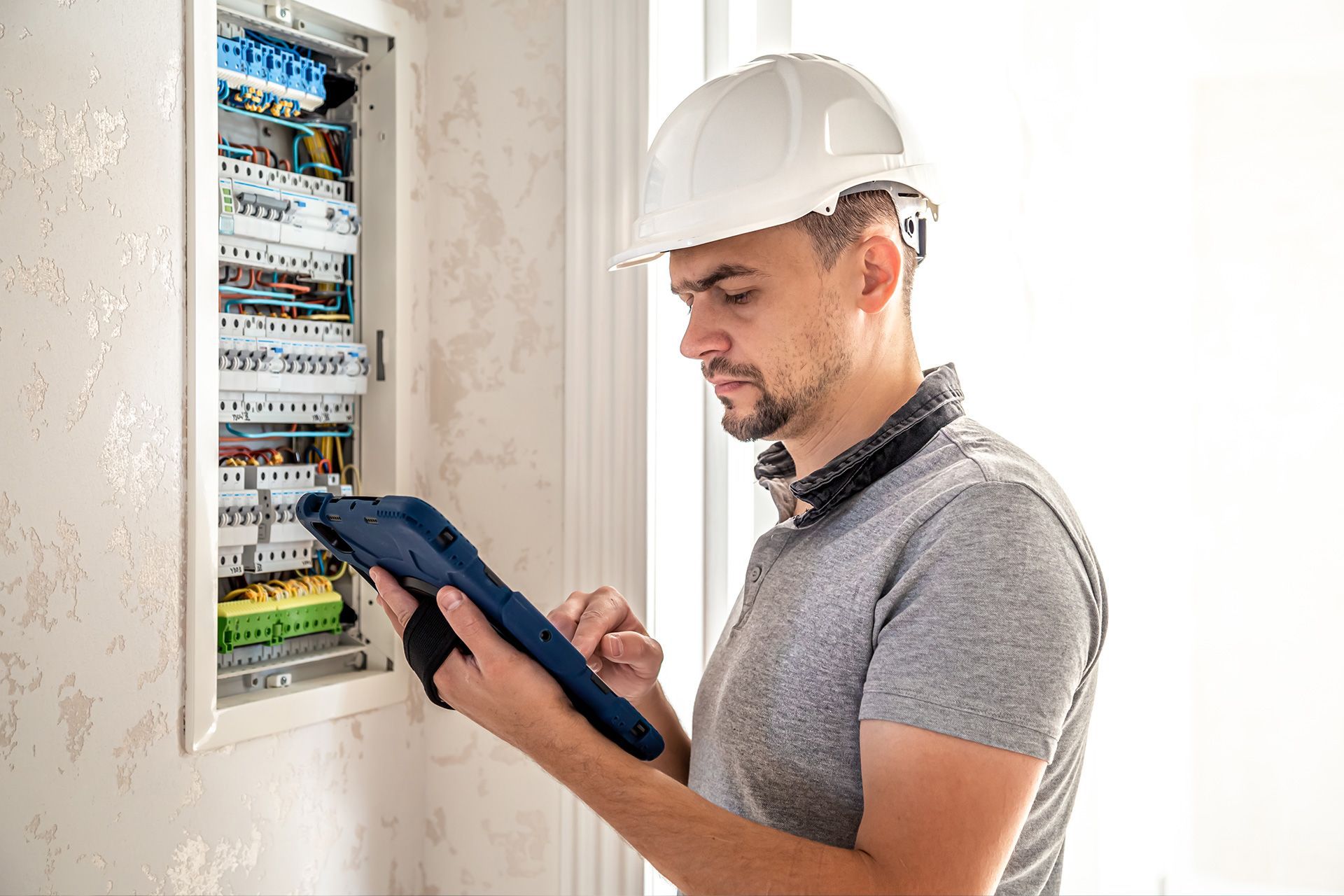
Your home’s electrical system works every day, even when you do not think about it. It powers your lights, appliances, outlets, heating and cooling equipment, and important safety devices. Since much of the system is hidden behind walls, electrical problems can go unnoticed until something stops working or becomes unsafe.
A home electrical inspection checklist helps homeowners understand what inspectors review and why each area matters. It can reveal visible concerns such as outdated components, damaged outlets, unsafe wiring conditions, or missing safety protection.
Whether you are buying a property, preparing to sell, planning upgrades, or maintaining your current home, knowing what to expect during an electrical review can help you make better decisions.
Why Electrical Inspections Matter
Electrical issues are not always easy to see during a normal walkthrough. A house may have working lights and outlets while still having overloaded circuits, loose connections, old wiring, or poorly completed repairs.
An electrical review of a home inspection helps identify visible concerns in accessible areas. It does not replace a licensed electrician when repairs are needed, but it can show when further evaluation is recommended. This is especially helpful for older homes, recently renovated properties, or homes with signs of electrical trouble.
A thorough inspection also provides homeowners with useful information before they make important decisions. Buyers can better understand a property's condition, and current owners can learn which items may need attention for safer long-term use.
Complete Home Electrical System Inspection Checklist
Here is what inspectors commonly evaluate when reviewing a home’s electrical system. Each area provides insight into the property's safety, functionality, and overall condition.
Electrical Panel
The electrical panel is the main control center for the home’s power. Inspectors review the panel for visible signs of damage, corrosion, overheating, missing covers, loose components, and poor labeling.
They may also look for double-tapped breakers, improper breaker types, or unsafe wiring. These conditions do not always mean the entire system is failing, but they can point to repairs that should be reviewed by a licensed electrician.
A well-maintained panel should be accessible, properly covered, and free from obvious damage. If the panel is outdated or shows signs of amateur repairs, it may raise concerns about the rest of the electrical system.
Circuit Breakers
Circuit breakers help protect the home by shutting off power when a circuit is overloaded or unsafe. During an inspection, the inspector checks whether breakers appear properly installed and whether any show signs of heat damage or wear.
Frequent breaker trips can be a warning sign. They may point to overloaded circuits, faulty devices, or wiring concerns. While an inspector cannot always determine the hidden cause, visible signs can help homeowners know when further evaluation is needed.
This part of the electrical system review during a home inspection is important because breakers play a major role in reducing electrical risk.
Visible Wiring
Most wiring is hidden behind walls and ceilings, but home inspectors review wiring that is visible and safely accessible. This may include wiring in attics, garages, crawl spaces, basements, utility rooms, and exterior areas.
Inspectors look for exposed wires, damaged insulation, loose connections, open junction boxes, and poor repairs. They may also note wiring that appears outdated or improperly supported.
Visible wiring often tells a story about past maintenance. If accessible wiring appears damaged or poorly installed, the inspector may recommend additional review to better assess the system's condition.
Outlets and Switches
Outlets and switches are used every day, so they deserve careful attention. Inspectors check a representative number of outlets to confirm basic function and identify visible defects.
They may look for loose outlets, cracked covers, reverse polarity, missing ground, damaged switches, or unstable outlets. Outlets near water sources should also have proper safety protection where required.
Small problems with outlets and switches may seem minor, but they can pose safety risks or indicate underlying electrical issues. For example, a warm outlet or buzzing switch should never be ignored.
GFCI Protection and Safety Devices
Ground-Fault Circuit Interrupter protection helps reduce the risk of electric shock in areas where water may be present. These devices are commonly found in kitchens, bathrooms, garages, laundry rooms, exterior outlets, and other moisture-prone areas.
Inspectors check whether GFCI protection is present in appropriate locations and whether accessible devices respond during testing. They may also review smoke alarms and carbon monoxide detectors where visible.
Safety devices are a key part of electrical system review during a home inspection because they help protect the people living in the home, not just the electrical system itself.
Lighting and Ceiling Fans
Light fixtures and ceiling fans are checked for visible safety and basic operation. Inspectors look for secure installation, missing covers, exposed wiring, damaged fixtures, and signs of overheating.
A flickering light may be caused by a simple bulb issue, but it can also indicate a loose connection or a circuit issue. Ceiling fans should be firmly mounted and should not shake heavily during use.
These components may seem small, but they help reveal how well the electrical system has been maintained over time.
Exterior Electrical Components
Electrical components outside the home are exposed to weather, moisture, and physical wear. Inspectors may review exterior outlets, service equipment, visible wiring, disconnects, and other accessible outdoor electrical features.
Outdoor outlets should have proper covers and protection from moisture. Damaged covers, exposed wiring, or loose exterior equipment can create safety concerns.
Exterior checks are especially important because the weather can slowly damage electrical materials, even when the inside of the home appears well-maintained.
Common Electrical Problems Found During Inspections
Some of the most common electrical findings include loose outlets, missing junction box covers, damaged wiring, outdated panels, nonworking GFCI outlets, overloaded circuits, improper breaker connections, and signs of overheating.
Inspectors may also find ungrounded outlets, incorrect wiring polarity, inadequate exterior electrical protection, or incomplete repairs. These concerns should be taken seriously because electrical problems can affect both safety and daily function.
The goal of a home inspection is not to create fear. It is to give homeowners clear information so they can understand what needs attention and when to call the right professional.
How Homeowners Can Prepare
Before the inspection, make sure the electrical panel, garage, attic access, crawl space access, and utility areas are easily accessible. Stored boxes, furniture, or blocked access points can make it harder to evaluate important components.
It is also helpful to replace burned-out light bulbs before the inspection. This allows the inspector to determine whether a fixture is actually not working or simply missing a working bulb.
If you have records of past electrical upgrades, panel work, or repairs, keep them available. These documents can help explain the history of the system.
Conclusion
A home electrical inspection checklist helps homeowners understand which parts of the electrical system should be reviewed and why they matter.
At Green Valley Home Inspections, we provide thorough property inspections that include a careful review of accessible electrical components. Our goal is to give buyers and homeowners clear, useful information so they can make confident decisions about their property.
Schedule your inspection today and gain a clearer understanding of your home’s electric condition.
FAQs
What is included in a home electrical inspection?
A home electrical inspection usually includes a visual review of the electrical panel, breakers, visible wiring, outlets, switches, light fixtures, safety devices, and exterior electrical components.
Can an inspector see all wiring inside the home?
No. Most wiring is hidden behind walls and ceilings. Inspectors review accessible wiring and visible electrical components without opening finished surfaces.
Why do circuit breakers keep tripping?
Breakers may trip due to overloaded circuits, faulty devices, or wiring issues. If this happens often, a licensed electrician should evaluate the issue.
Are GFCI outlets necessary?
Yes. GFCI protection helps reduce the risk of electric shock in areas where water may be present, such as kitchens, bathrooms, garages, laundry rooms, and outdoor spaces.
Should older homes have electrical inspections?
Yes. Older homes may have aging wiring, outdated panels, or past repairs that need review. An inspection can identify visible concerns and guide the next steps.
Disclaimer: The information on this website and blog is for general informational purposes only and is not professional advice. We make no guarantees of accuracy or completeness. We disclaim all liability for errors, omissions, or reliance on this content. Always consult a qualified professional for specific guidance.
Search
Certification
Green Valley Inspections is InterNACHI Certified, a Certified Master Inspector, and CCPIA-certified, demonstrating advanced training, extensive experience, professional ethics, and expertise in residential and commercial property inspections across Southern California.



Social Media
Google Reviews

5-star ratings from 440+ clients across Southern California.
Contact Us
Recent Post




Service Areas
We offer home inspection services throughout the following counties: