
How To Get Your House Inspected For Mold in Southern California
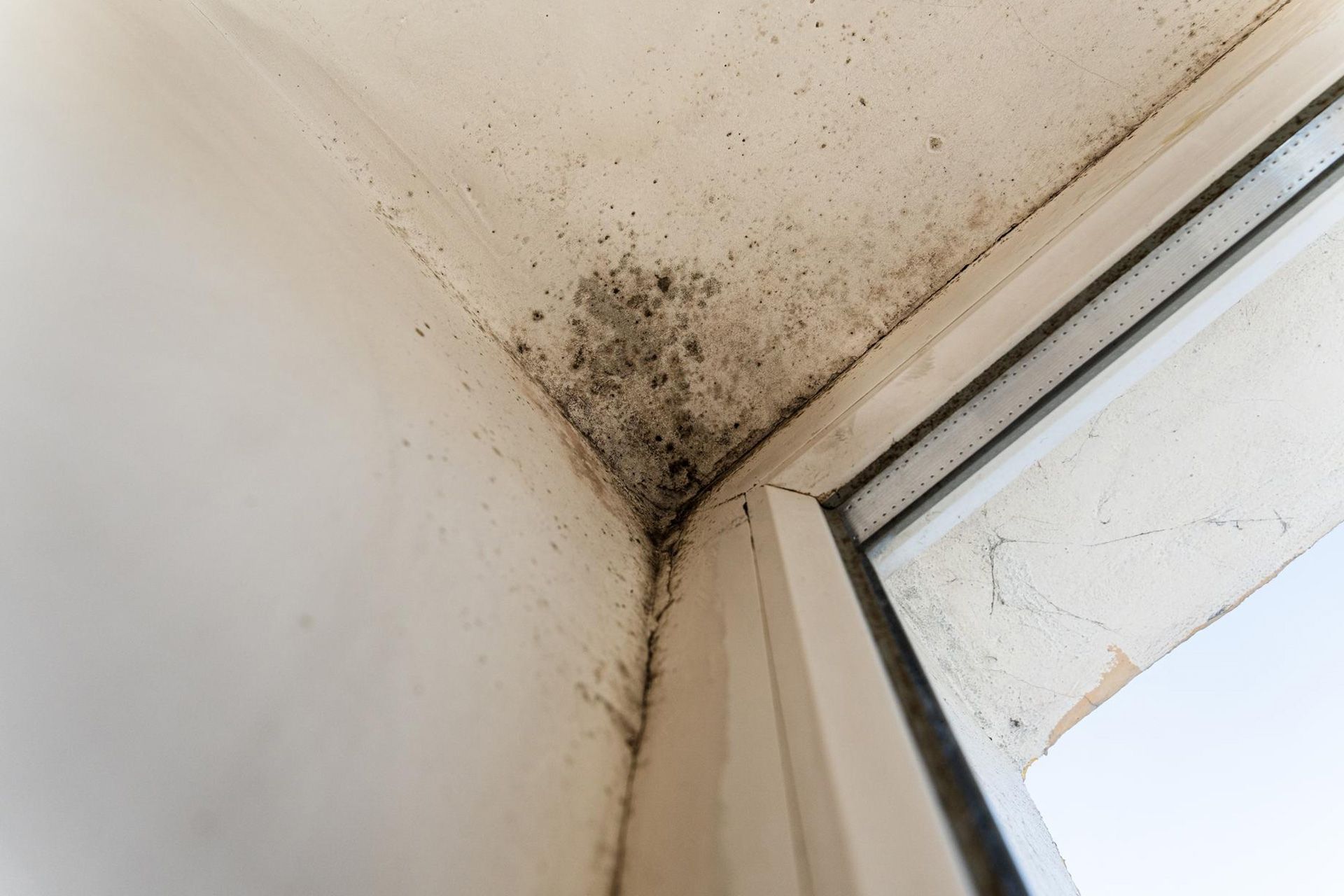
Mold can make a home feel uncomfortable, unhealthy, and difficult to maintain. The problem is that mold is not always easy to find. It may grow behind walls, under flooring, inside cabinets, near plumbing, in attics, or around areas with poor airflow.
Homeowners often start asking questions after they notice a musty smell, water stains, past leaks, or dark spots on surfaces. In Southern California, mold concerns may stem from plumbing leaks, roof issues, coastal moisture, poor ventilation, irrigation, or water damage that was never fully corrected.
If you are wondering how to get a mold inspection, the process starts with identifying warning signs, choosing a qualified inspection company, preparing the home, and understanding what the report can tell you.
Watch For Signs Of Mold Growth
Before scheduling a professional review, look for signs that may indicate a moisture or mold issue. Don't open walls, remove flooring, or scrape unknown growth yourself. The goal is to notice clues and share them with the inspector.
Visible growth is one of the most obvious warning signs. It may appear as black, green, gray, or white patches, or as fuzzy patches, on walls, ceilings, cabinets, vents, or baseboards. Color alone doesn't confirm the type of mold, but you shouldn't ignore visible growth.
A musty or earthy odor can also signal mold. Sometimes mold is hidden behind materials, so the smell may appear before the growth is visible. Watch for odors in closets, bathrooms, laundry rooms, crawl spaces, or rooms that stay closed for long periods.
Water stains, bubbling paint, warped flooring, soft drywall, or swollen baseboards can also suggest moisture problems. Mold needs moisture to grow, so take signs of water damage seriously.
Why Early Detection Matters
Early mold detection helps save money and may limit damage. When moisture problems continue for too long, building materials can weaken, odors can spread, and repairs may become more involved.
Finding the concern early also helps identify the source. Cleaning a surface without fixing a leak, roof issue, drainage problem, or ventilation concern may allow the same problem to return.
For homeowners, buyers, and sellers, early documentation is valuable. A clear report can show what was observed, where moisture was found, and whether further testing or remediation may be needed.
When A Professional Review Makes Sense
Some mold concerns are easy to see, but others require a trained eye. A professional can review moisture patterns, visible growth, ventilation issues, and areas that homeowners may overlook.
A mold home assessment may help if there is a musty odor without visible growth, recent water damage, roof or plumbing leaks, stains on ceilings or walls, or concerns in the attic or crawl space. It can also help during a real estate transaction when buyers need more information before closing.
You should also consider a professional review if the affected area appears large, keeps returning, or involves people with asthma, allergies, immune concerns, or ongoing respiratory symptoms. In these cases, a careful process and proper next steps matter.
Choose The Right Inspection Company
Start by choosing a company that clearly explains the process. The inspector should be able to describe what will be reviewed, whether moisture readings may be taken, when sampling may be recommended, and what the final report will include.
Look for experience with homes, moisture concerns, bathrooms, kitchens, attics, crawl spaces, HVAC areas, and real estate transactions. A good inspection company should not use fear-based selling. It should explain what it can confirm visually, what it can't confirm without testing, and when further evaluation may be needed.
You should also ask about photo documentation. Photos, written notes, and moisture readings can help you understand the issue and share the findings with agents, sellers, buyers, or remediation professionals.
Prepare Your Home Before The Appointment
Good preparation helps the inspector review the home more effectively. You do not need to clean, paint over, or hide problem areas. In fact, covering stains or removing evidence can make it harder to understand what happened.
Before the appointment, make sure the inspector can access sinks, cabinets, water heaters, laundry rooms, attic entries, crawl space openings, HVAC equipment, and rooms where odors or stains have appeared.
Gather helpful details before the visit. Write down when the issue started, whether there were past leaks, and whether repairs were made. If you have photos from when the damage first appeared, keep them available.
What Happens During The Visual Review
The visual review is the starting point of the inspection process. The inspector looks for visible mold-like growth, water staining, damaged materials, ventilation problems, condensation, and signs of past or active moisture.
Common areas reviewed may include bathrooms, kitchens, laundry rooms, closets, windows, attics, crawl spaces, ceilings, walls, baseboards, plumbing fixtures, and accessible HVAC components. These areas are often connected to water use, airflow, or hidden leaks.
A mold visual inspection does not open walls or guarantee that no hidden growth exists. However, it can identify patterns that suggest whether testing, repair, remediation, or specialist review may be needed.
Moisture Is The Main Clue
Moisture is the most important factor in most mold concerns. If you don't correct the moisture source, the problem may continue even after you clean it.
Inspectors may use tools such as moisture meters or thermal imaging when conditions call for it. These tools can help identify moisture patterns near stains, plumbing areas, exterior walls, flooring, ceilings, or suspected leak points.
Common moisture sources include roof leaks, plumbing leaks, window leaks, poor bathroom ventilation, clogged HVAC condensate lines, irrigation near exterior walls, poor grading, and damp crawl spaces. Finding the source helps guide the next step.
What A Mold Home Assessment Should Include
- A thorough mold home assessment should involve more than a quick look at a single stain. It should connect visible findings, moisture conditions, property history, and practical recommendations.
- The report should identify the areas reviewed and any spaces that were limited or inaccessible. This helps you understand what the inspector could see and what may still need further review.
- The report should also include clear findings, moisture readings (when taken), photos (when helpful), and next-step recommendations. These details make the information easier to use after the appointment.
Understanding Lab Results
If samples are collected, we usually send them to a laboratory for analysis. Air samples may compare indoor and outdoor conditions. Surface samples may help identify what is present on a specific material.
Review lab results in the context of the full property. Numbers or mold names alone do not explain the full problem. The most useful report connects the lab results with moisture readings, visible findings, odors, and building conditions.
This helps homeowners avoid confusion. The goal is not just to receive a lab page. The goal is to understand what the results mean for the home.
Mold Remediation Comes After Finding The Cause
Mold remediation means correcting mold-affected materials and addressing the conditions that allowed growth. It should not begin with random cleaning, painting over stains, or spraying products without first understanding the moisture source.
The first step is usually fixing the water or moisture problem. After that, affected materials may need cleaning, drying, removal, or professional remediation depending on the size, location, and type of material involved.
Porous materials such as drywall, carpet, ceiling tiles, and insulation can be difficult to clean if growth is present. A qualified remediation professional can explain the proper cleanup process based on the home's condition.
Conclusion
Getting your house checked for mold doesn't have to be confusing. Start by watching for warning signs, choosing a qualified mold inspection company, preparing access to key areas, and understanding what the report should include.
The best process focuses on visible conditions, moisture sources, testing when useful, and clear recommendations. Mold concerns shouldn't be ignored, but they also shouldn't be handled with fear or guesswork.
At Green Valley Inspections, we help homeowners, buyers, and sellers identify visible mold-related concerns, moisture issues, and areas that may need further evaluation throughout Southern California. Our team provides clear reporting, practical explanations, and helpful documentation so you can move forward with better information.
Schedule your mold evaluation today and get the insight you need before making your next property decision.
Frequently Asked Questions
When should I get my house checked for mold?
You should consider a professional review if you notice musty odors, visible growth, water stains, past leaks, condensation, or recurring moisture problems.
Is mold testing always required?
No. Testing is not always required when visible growth and moisture damage are already clear. Testing may help when the source is hidden, documentation is needed, or indoor air concerns require more information.
What areas are usually reviewed?
Common areas include bathrooms, kitchens, laundry rooms, attics, crawl spaces, HVAC components, plumbing areas, ceilings, walls, and spaces where moisture may collect.
Can mold return after cleanup?
Yes. Mold can return if the source of moisture is not corrected. Cleanup should include fixing leaks, improving ventilation, drying wet materials, and addressing the condition that allowed growth.
Should buyers request a mold review before closing?
Buyers should consider it when the home has odors, stains, past water damage, visible growth, or moisture concerns. A clear report can help them make a more informed decision.
Search
Certification
Green Valley Inspections is InterNACHI Certified, a Certified Master Inspector, and CCPIA-certified, demonstrating advanced training, extensive experience, professional ethics, and expertise in residential and commercial property inspections across Southern California.
Social Media
Google Reviews

5-star ratings from 440+ clients across Southern California.
Contact Us
Recent Post





Service Areas
We offer home inspection services throughout the following counties: