
Common Home Inspection Problems and How to Fix Them
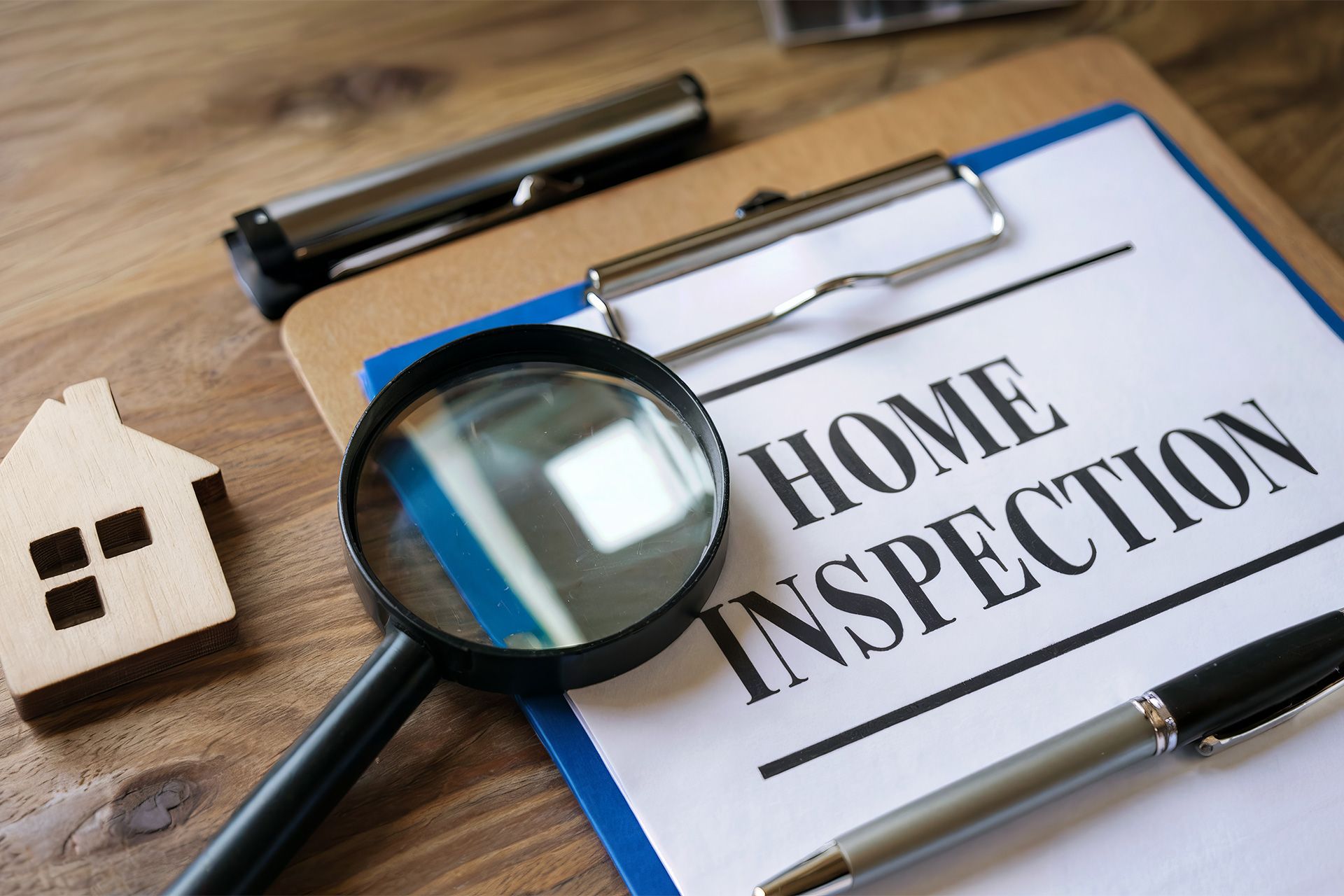
Buying or owning a home is exciting, but it also comes with responsibilities. One of the most important steps in protecting your investment is a professional home inspection. During an inspection, experts often find common issues that many homeowners don’t even know exist.
The good news? Most home inspection problems can be fixed, especially when caught early.
In this guide, we’ll walk through the most common home inspection problems, explain why they matter, and share simple ways to fix or prevent them. Whether you’re buying, selling, or maintaining a home, this article will help you stay prepared.
1. Roof Damage and Leaks
Why It’s a Problem
The roof protects your home from rain, wind, and heat. Inspectors often find:
- Missing or cracked shingles
- Water stains on ceilings
- Soft spots or sagging areas
Roof issues can lead to leaks, mold, and costly repairs if ignored.
How to Fix It
- Replace damaged or missing shingles
- Seal small leaks with roofing cement
- Schedule regular roof inspections
- Replace old roofs when needed
Tip: Most roofs last 15–30 years, depending on the material.
2. Electrical Problems
Why It’s a Problem
Electrical issues are one of the most serious inspection findings. Common problems include:
- Outdated wiring
- Loose outlets or switches
- Overloaded panels
- Missing GFCI outlets in kitchens and bathrooms
These issues can cause fires or electrical shocks.
How to Fix It
- Hire a licensed electrician
- Upgrade outdated wiring
- Install GFCI outlets where required
- Replace damaged outlets and switches
Never try to fix major electrical problems yourself.
3. Plumbing Leaks and Water Issues
Why It’s a Problem
Water damage can weaken your home’s structure and cause mold growth. Inspectors often find:
- Leaky faucets or pipes
- Low water pressure
- Slow drains
- Rusted or old plumbing
How to Fix It
- Replace worn-out pipes or fittings
- Fix leaks right away
- Install water-saving fixtures
- Schedule regular plumbing maintenance
Small leaks can turn into big problems if ignored.
4. Foundation Cracks
Why It’s a Problem
The foundation supports your entire home. Inspectors may notice:
- Small cracks in walls or floors
- Uneven floors
- Doors or windows that don’t close properly
Some cracks are normal, but others can signal serious structural issues.
How to Fix It
- Seal minor cracks with epoxy or sealant
- Improve drainage around the home
- Consult a foundation specialist for large cracks
Early repairs are much cheaper than major foundation work.
5. HVAC System Issues
Why It’s a Problem
Heating and cooling systems are essential for comfort and energy efficiency. Common issues include:
- Dirty filters
- Old or poorly maintained units
- Uneven heating or cooling
A failing HVAC system can increase energy bills and reduce indoor comfort.
How to Fix It
- Change air filters every 1–3 months
- Schedule yearly HVAC servicing
- Replace old or inefficient units
Regular maintenance can extend system life and save money.
6. Poor Drainage and Grading
Why It’s a Problem
If water doesn’t drain away from your home, it can damage the foundation and basement. Inspectors often find:
- Standing water near the house
- Soil sloping toward the foundation
- Clogged gutters and downspouts
How to Fix It
- Clean gutters and downspouts
- Extend downspouts away from the house
- Regrade soil so it slopes away from the foundation
Good drainage protects your home from water damage.
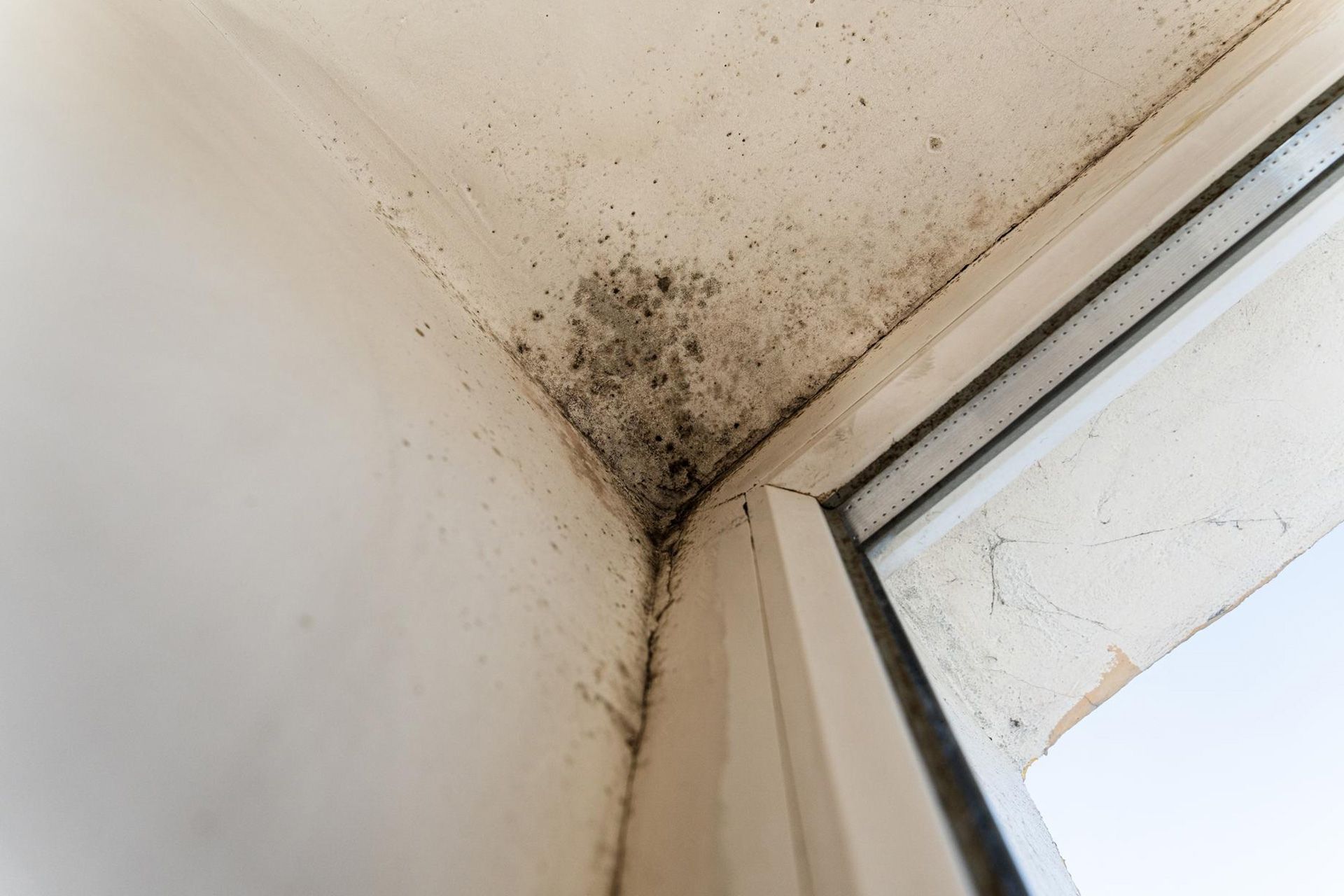
7. Mold and Moisture Problems
Why It’s a Problem
Mold grows in damp areas and can affect indoor air quality. Inspectors may find mold in:
- Bathrooms
- Basements
- Attics
- Around leaks
Mold can cause health issues and damage building materials.
How to Fix It
- Fix moisture sources like leaks
- Improve ventilation
- Use dehumidifiers
- Hire professionals for mold removal
Preventing moisture is the key to stopping mold.
8. Attic and Insulation Issues
Why It’s a Problem
Poor insulation can lead to high energy bills and comfort issues. Inspectors often find:
- Missing or damaged insulation
- Poor attic ventilation
- Heat loss
How to Fix It
- Add or replace insulation
- Improve attic airflow
- Seal air leaks
Proper insulation helps keep your home comfortable year-round.
9. Windows and Doors Problems
Why It’s a Problem
Faulty windows and doors can cause drafts and energy loss. Common findings include:
- Broken seals
- Rotten frames
- Gaps around doors
How to Fix It
- Replace damaged windows or doors
- Add weather stripping
- Seal gaps with caulk
These fixes can improve energy efficiency and comfort.
10. Safety and Code Issues
Why It’s a Problem
Inspectors often flag safety concerns such as:
- Missing smoke detectors
- Loose handrails
- Trip hazards
- Unsafe stairs
These issues may seem small but can be dangerous.
How to Fix It
- Install smoke and carbon monoxide detectors
- Secure handrails
- Repair damaged steps or walkways
Safety fixes are usually simple and affordable.
Why a Professional Home Inspection Matters
Many of these problems are hidden and easy to miss. A professional home inspection helps you:
- Avoid unexpected repair costs
- Understand your home’s condition
- Negotiate repairs or price adjustments
- Plan future maintenance
At Green Valley Home Inspections, trained inspectors look closely at every major system to give you peace of mind.
Ready to protect your home and investment? Schedule your professional inspection with Green Valley Home Inspections today.
Frequently Asked Questions (FAQs)
How long does an inspection take?
Most residential inspections take 2–4 hours, depending on the size and condition of the property.
Will I receive a report the same day?
Yes. Most inspection reports are delivered within 24 hours, often the same day.
Can I attend the inspection?
Absolutely. We encourage clients to attend and ask questions during the inspection.
Do you inspect new homes even if they passed city inspections?
Yes. Municipal inspections are limited in scope. Our inspections focus on quality, safety, and long-term performance.
Are commercial inspections customizable?
Yes. Commercial inspections are tailored to the property type and client needs.
Search
Certification
Green Valley Inspections is InterNACHI Certified, a Certified Master Inspector, and CCPIA-certified, demonstrating advanced training, extensive experience, professional ethics, and expertise in residential and commercial property inspections across Southern California.
Social Media
Google Reviews

5-star ratings from 440+ clients across Southern California.
Contact Us
Recent Post


Service Areas
We offer home inspection services throughout the following counties: