
What Happens If My Balcony Fails an SB 721 Inspection?
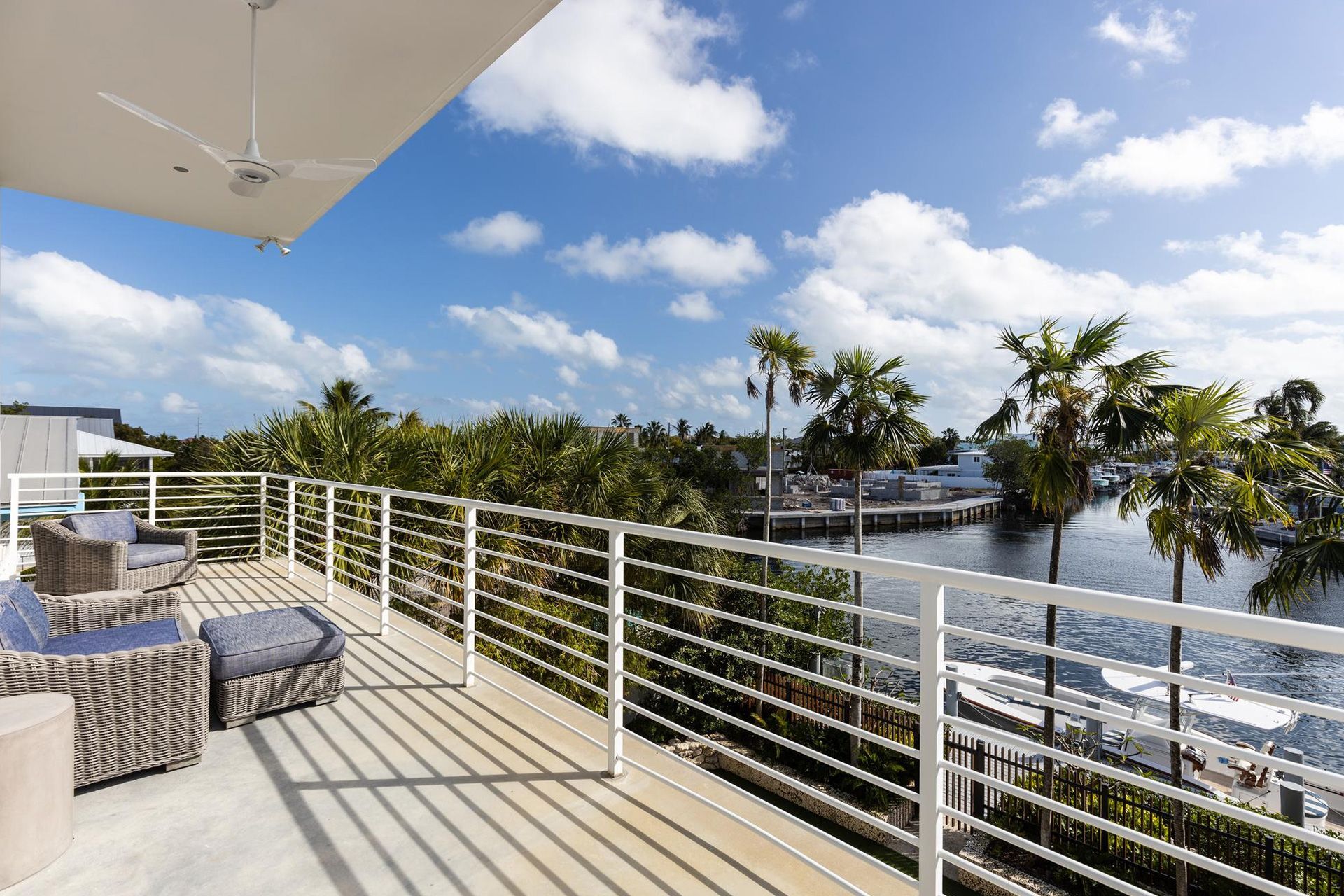
A failed balcony inspection can feel stressful for any apartment owner, property manager, or investor. It may raise questions about safety, repairs, tenant access, deadlines, and what comes next. The good news is that a failed result does not always mean the balcony is unsafe to use right away.
In many cases, a failed inspection means the inspector found visible damage, deterioration, moisture intrusion, or conditions that need correction. Some issues may require prompt action, while others may allow time to plan repairs.
The most important step is to read the report carefully and act based on the level of concern. A failed SB 721 balcony inspection is not something to ignore, but you can manage it with an organized plan.
What Does a Failed SB 721 Inspection Mean?
A balcony fails when the inspected exterior elevated element shows conditions that do not meet safety, durability, or performance expectations. This may involve the walking surface, waterproofing, structural framing, railings, connectors, support posts, stairs, decks, walkways, or entry structures.
The report should explain what was inspected, what concerns were found, and whether the issue creates an immediate safety concern. Some failures are tied to visible moisture damage or failed waterproofing. Others may involve loose guardrails, wood decay, corrosion, or structural concerns.
A failed result is a warning sign. It informs the property owner that the affected areas require attention and that repairs, further evaluation, or access restrictions may be required.
Common Reasons Balconies Fail
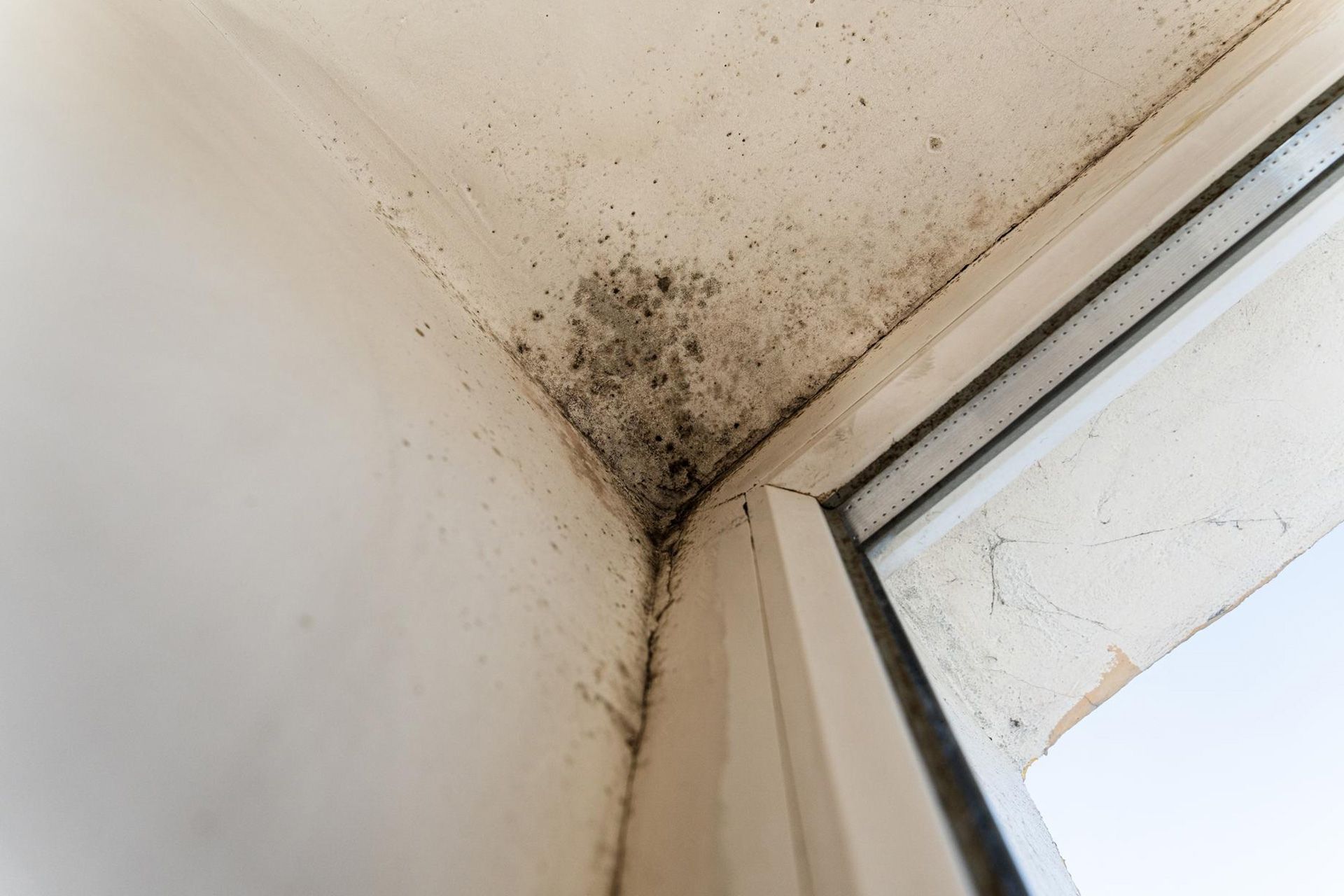
Most balcony failures stem from conditions that weaken the structure or allow water to reach hidden components. Moisture is often a major concern because exterior elevated elements are exposed to rain, sun, temperature changes, and daily use.
Common reasons may include:
- Water intrusion: Water can enter through cracked coatings, failed sealants, poor flashing, open seams, or surface damage. Over time, moisture can reach wood framing and reduce the strength of the balcony system.
- Wood decay or dry rot: Wood-based structural parts can deteriorate when moisture remains trapped. This may not always be visible on the surface, which is why inspectors look for signs of staining, softness, sagging, or damage.
- Loose or damaged railings: Guardrails and handrails must provide safe support for occupants. Loose posts, rusted connections, missing fasteners, or damaged railings can create serious safety concerns.
- Corroded hardware or connectors: Metal fasteners, brackets, hangers, and connectors can rust or weaken over time. Corrosion may affect how well the balcony transfers loads back to the building.
First Step: Review the Inspection Report
After receiving the inspection report, do not focus only on the word “failed.” Read the full document. A clear report should tell you which elements were inspected, what deficiencies were observed, and whether emergency action is needed.
The report may include photos, descriptions, testing notes, and recommendations for repair or further evaluation. It may also separate immediate hazards from non-emergency repair items.
If anything is unclear, ask the inspector to explain the findings. Property owners should understand which items affect safety, which items affect waterproofing, and which items may require a licensed contractor, engineer, architect, or other qualified professional.
Immediate Hazard vs. Non-Emergency Repair
Not every failed inspection is equally urgent. This distinction is important because the next steps depend on whether the balcony poses an immediate threat. Understanding SB 721 balcony inspection requirements can help property owners plan their next steps.
If the inspector finds an immediate hazard, the owner may need to prevent occupant access right away. This could mean closing the balcony, blocking access, installing temporary shoring, or taking other emergency safety measures until repairs are completed.
If the issue does not pose an immediate threat, the owner still needs to address it. These repairs usually follow a standard process that may include obtaining permits, obtaining contractor estimates, scheduling, performing repairs, and completing follow-up documentation.
What Owners Should Do After a Failed Result
The best response is calm, documented, and timely. Property owners should not delay or rely on temporary patchwork that fails to address the root cause.
A smart action plan includes:
- Restrict unsafe access when needed: If the report says an element is unsafe, close it off immediately. Tenant safety comes first, and access should remain restricted until you correct the hazard.
- Contact the right professionals: Depending on the finding, you may need a licensed contractor, structural engineer, architect, waterproofing specialist, or building professional. The repair team should understand exterior elevated elements and local requirements.
- Apply for permits when required: Repairs may require approval from the local jurisdiction. Proper permits help ensure that repair work complies with applicable building codes and local regulations.
- Keep complete records: Save the inspection report, photos, repair proposals, permits, contractor documents, and final sign-off records. You may need these documents for compliance, a future sale, insurance questions, or local review.
Repair Planning After an SB 721 Finding
Repair planning should focus on the real cause of the failure. For example, replacing damaged surface material may not solve the problem if water is still entering through failed flashing or poor drainage.
A professional inspector should evaluate the damaged area, determine what materials need repair or replacement, and confirm whether hidden components must be exposed. In some cases, waterproofing systems, framing, connectors, walking surfaces, or guardrails may need work.
Owners should also consider whether similar balconies on the property may have the same issue.
One failed balcony can sometimes point to a larger pattern, especially when the building has repeated design details, aging waterproofing, or similar exposure conditions.
Can Tenants Still Use the Balcony?
Tenant access depends on the findings. If the balcony is unsafe or an immediate hazard, restrict access right away. This protects residents, guests, and the property owner.
If the balcony needs repair but does not create an immediate danger, the report and local requirements should guide the next step. Owners should communicate clearly with tenants, explain any access limits, and avoid allowing use of areas that may be unsafe.
Clear communication can reduce confusion. Notices should be simple and factual, especially when a balcony, deck, stairway, or elevated walkway must be closed temporarily.
What Happens If Repairs Are Delayed?
Delaying repairs can create bigger problems. A small waterproofing issue can lead to wood decay. Loose connections can get worse. Corrosion can continue spreading. Over time, delayed maintenance may increase safety risk and repair complexity.
There may also be compliance consequences. A failed SB 721 Compliance Inspection can lead to local enforcement involvement if required repairs are not completed within the required timeframe. Property owners may also face penalties if they ignore repair obligations.
The safest path is to document the issue, start repair planning quickly, follow local requirements, and keep written proof of each step.
How a Follow-Up Review Helps
After repairs are completed, a follow-up review may be needed to verify the repairs. This helps close the loop between the original report and the completed repairs.
The follow-up documentation may confirm that the noted deficiencies were addressed. It may also become part of the building owner’s permanent inspection records.
This step matters because future inspections, sales, refinancing, or management changes may require proof that the failed elements were corrected. Good records protect the owner and help future decision-makers understand the property’s history.
How to Reduce the Chance of Future Failures
Property owners should treat balcony safety as an ongoing maintenance responsibility, not a one-time deadline. Exterior elevated elements face weather, moisture, movement, and daily use year after year.
Helpful prevention steps include:
- Check waterproofing regularly: Look for cracks, peeling coatings, open seams, ponding water, or worn sealants. Early waterproofing repairs can help prevent deeper moisture damage.
- Keep drainage clear: Drains, scuppers, and surface slopes should help water move away from the structure. Standing water can accelerate deterioration and conceal developing problems.
- Watch railing and connection points: Review loose railings, rust stains, shifting posts, or exposed fasteners quickly. These areas are important for occupant safety.
- Document maintenance: Keep records of repairs, inspections, photos, and contractor work. Clear documentation supports future California SB 721 inspections and helps show the property is being maintained.
Why Professional Inspection Support Matters
SB 721 inspections require more than a quick visual glance. The inspector must understand exterior elevated elements, waterproofing systems, visible safety concerns, and how to document findings clearly.
A certified inspector helps owners determine whether balconies, decks, walkways, stairs, and related components appear safe, deteriorated, or in need of repair. It also helps identify when further evaluation is needed before a condition becomes more serious.
Working with the right inspection provider can make the process easier for owners, managers, and maintenance teams. Clear reporting helps everyone understand what was found, why it matters, and what should happen next.
Conclusion
If your balcony fails an SB 721 inspection, the next step is not panic. The right response is to review the report, understand the seriousness of the finding, restrict access if needed, contact qualified repair professionals, follow permit requirements, and keep strong records.
A failed result may involve waterproofing damage, wood decay, corrosion, loose railings, or other visible concerns. What matters most is correcting the issue properly and documenting the completed work.
At Green Valley Inspections, we provide clear SB 721 Inspection Services to help property owners, managers, and investors understand the condition of exterior elevated elements. Our team focuses on careful inspection, practical reporting, and useful documentation for compliance planning.
Schedule your balcony inspection today and take the next step toward safer, better documented property conditions.
Frequently Asked Questions
Does a failed balcony inspection mean the balcony will collapse?
No. A failed inspection means the balcony or related exterior elevated element has concerns that need attention. Some issues are urgent, while others may allow time for planned repairs.
Can tenants use a balcony after it fails?
It depends on the finding. If the balcony is considered an immediate safety hazard, access should be restricted until emergency measures or repairs are completed.
Who is responsible for correcting failed SB 721 items?
The building owner is responsible for correcting exterior elevated elements found to need repair or replacement. Repairs should follow applicable local requirements and professional recommendations.
What types of problems commonly cause failure?
Common problems include water intrusion, failed waterproofing, wood decay, loose railings, corrosion, damaged connectors, sagging surfaces, and visible structural concerns.
Should I keep the inspection and repair records?
Yes. Keep reports, photos, permits, repair documents, and follow-up confirmations. These records may be needed for future inspections, property sales, compliance review, or owner records.
Search
Certification
Green Valley Inspections is InterNACHI Certified, a Certified Master Inspector, and CCPIA-certified, demonstrating advanced training, extensive experience, professional ethics, and expertise in residential and commercial property inspections across Southern California.


Social Media
Google Reviews

5-star ratings from 440+ clients across Southern California.
Contact Us
Recent Post

Service Areas
We offer home inspection services throughout the following counties: