
How to Use Drones for Roof Damage Inspection
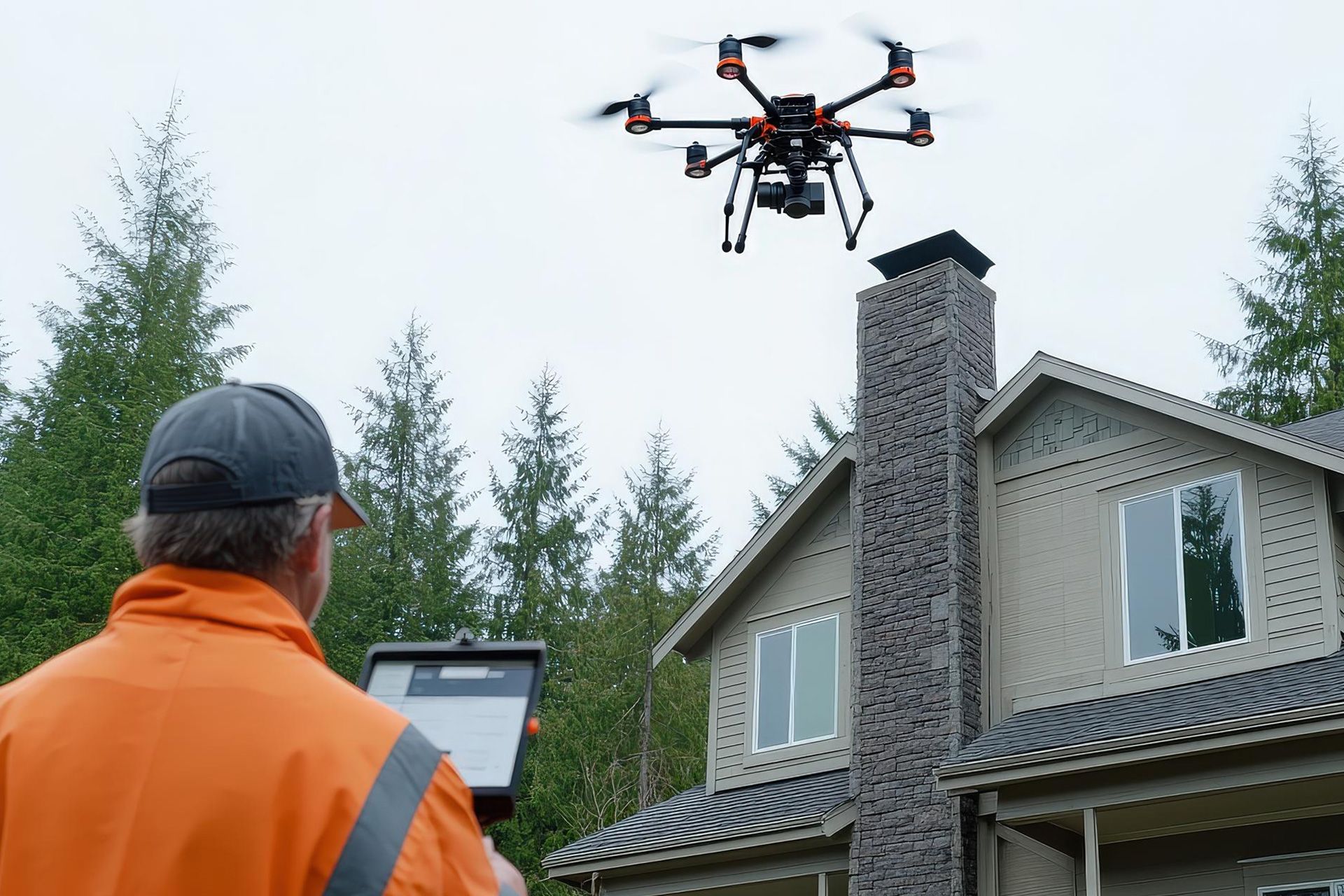
A roof can look fine from the driveway while hiding broken tiles, lifted shingles, worn flashing, or debris in hard-to-see valleys. Steep slopes and tall buildings also make it difficult to view every section safely. Drones give property inspectors another way to examine those areas without walking across fragile roofing materials.
A drone roof inspection uses a camera-equipped drone to capture detailed images and video of visible roof surfaces. An inspector then reviews that imagery alongside ground-level observations, accessible attic findings, and the home's history. The result is better documentation, not a guarantee that every problem will be found.
Here is how the process works, what damage drones can help reveal, and how homeowners can use the findings to plan their next step.
Why Inspectors Use Drones on Difficult Roofs
Traditional roof reviews may involve using a ladder, making ground-level observations, or walking the roof surface when conditions permit. However, steep pitches, loose tiles, excessive height, wet materials, and limited access can make walking unsafe or increase the risk of roof damage.
A drone gives the inspector different viewing angles without placing weight on the covering. It can also photograph upper slopes, edges, and roof sections hidden by the building's shape. Green Valley Inspections uses this technology to add useful visibility during residential and commercial property reviews. Aerial imagery complements professional judgment rather than replacing it.
How the Aerial Review Actually Works
The process begins before the drone takes off. An inspector identifies the roof areas to review and considers weather, nearby obstacles, people, and flight restrictions. A flight should proceed only when the conditions and location allow for safe, lawful operation.
The inspector then captures overlapping views of the entire roof and close-up images of areas that require attention. Those may include valleys, flashing, skylights, chimneys, roof edges, or previously reported leak locations. Afterward, the inspector reviews the images at full resolution and adds relevant concerns to the property report. A useful drone inspection involves interpreting the footage, not merely collecting attractive overhead photographs.
Roof Problems That Aerial Images May Reveal
Drones are particularly helpful for defects with visible surface clues. The inspector still needs to consider roof material, weather exposure, age, and the camera's view limits.
- Damaged or displaced coverings: Cracked tiles, missing shingles, lifted edges, or shifted metal sections can stand out in clear aerial images. The location and surrounding conditions help determine whether a roofer should investigate further.
- Flashing and penetration concerns: Chimneys, vents, skylights, and roof-to-wall connections can show open gaps, damaged sealant, or displaced flashing. These visible conditions may suggest places where water could enter.
- Drainage and debris: Leaves in valleys, clogged visible drains, and ponding on low-slope roofs may be easier to document from above. Standing water is a condition to investigate, not automatic proof of a leak.
- Storm and installation damage: Wind-displaced materials, fallen branches, exposed underlayment, or inconsistent installation details may become clearer when you can compare multiple roof slopes.
Why Camera Angles and Image Quality Matter
A single overhead picture rarely tells the whole story. Shingles and tiles overlap, while parapets and equipment can hide sections from one direction. Inspectors therefore need wide images for context and closer views for detail.
Lighting also matters. Glare, heavy shadows, and reflections may disguise surface conditions. Strong wind can make steady image capture harder, while rain may limit safe flights. A careful inspector recognizes when the imagery is incomplete and notes it in the report, rather than presenting uncertain observations as confirmed defects.
Where Drones Have Clear Limits
A drone camera cannot look beneath a roof covering, confirm the condition of concealed decking, or determine whether an indoor stain came from a specific exterior defect. It also cannot test how securely every fastener is attached or replace hands-on investigation when that is needed and safe.
For that reason, a roof inspection may combine aerial views with accessible attic observations, interior moisture clues, and recommendations for a qualified roofing contractor. If an image suggests failed flashing or damaged tiles, a specialist may need to examine the assembly directly. This distinction keeps the report useful and avoids overstating what the pictures prove.
When Homeowners Should Request an Aerial Review
Not every roof needs drone support at every appointment. It becomes more valuable when access or roof condition limits a reliable view.
- After high winds or storms: An aerial review may document displaced materials, impact marks, or debris before a repair discussion. Avoid approaching loose roof components yourself.
- Before buying or selling: Images help buyers and sellers understand visible roof concerns and discuss follow-up work with their agents. They can also document the roof's condition observed during the transaction.
- After a leak or roof work: Photos may help locate visible exterior clues near an interior stain or document completed work from above. They do not prove that a repair is watertight.
- For larger or fragile roofs: Multi-story properties, tile roofs, and broad commercial surfaces may benefit from views that are hard to obtain safely on foot.
Special Considerations for Southern California Roofs
Homes in Southern California may have tile, asphalt shingle, flat, or mixed roof designs. Bright sun can make surface aging noticeable, while seasonal rain may expose drainage or flashing weaknesses. On a tile roof, walking can break already fragile pieces, so a non-contact view can be especially useful.
Aerial photos may also help show conditions around rooftop solar equipment without disturbing the installation. However, panels can block sections of roof from view. The inspector should note any area that remains concealed rather than treating an incomplete view as a full evaluation.
What Happens After the Flight
Images become useful when the inspector connects them to practical findings. A clear report should explain where a concern appears, show a relevant photograph, and separate observed damage from possible causes.
For example, a photograph of a missing tile documents a visible condition. It does not establish how long the tile was missing or whether the underlying material has been damaged. If the inspector sees a questionable roof penetration, the inspection report may recommend further review by a roofer. This approach helps homeowners act on evidence rather than guessing based on a dramatic image.
How to Prepare for the Appointment
Share any known leak locations, previous roof repairs, or areas you want reviewed. If possible, provide access to relevant interior rooms and the attic so the inspector can compare exterior images with accessible conditions inside.
Keep people and pets away from the operating area when requested. Do not climb onto the roof, move rooftop equipment, or attempt to clear damage before the appointment. Tell the inspector about the solar panels, the fragile tiles, and the nearby obstacles. These details help shape a safer, more focused flight plan.
What to Check Before Hiring an Inspector
High-quality equipment matters, but the person interpreting the results matters just as much. Ask whether the company combines aerial imagery with a property evaluation and explains the limitations of the review.
- Relevant inspection experience: Look for someone who can recognize roof coverings, drainage patterns, and common failure points, rather than someone offering photographs alone.
- Understandable reporting: Ask whether the final report includes location-specific images, plain-language findings, and recommendations when closer specialist evaluation is needed.
Conclusion
An aerial roof inspection can give buyers and owners a clearer view of steep, tall, or fragile roofs. Its value comes from safe image capture, careful interpretation, and honest reporting about what remains unseen. It adds perspective, not a substitute for every other inspection method.
Green Valley Inspections uses drones, when appropriate, to support roof damage inspections and document hard-to-reach exterior conditions. Our team combines aerial photos with accessible property findings to help you understand visible concerns and decide whether you need further roofing evaluation. Schedule your property inspection with Green Valley Inspections to get useful roof documentation for your next decision.
Frequently Asked Questions
Can a drone confirm that a roof is leaking?
No. It may show damage near a suspected leak, but locating the source may require interior moisture checks or a roofer's direct evaluation.
Will a drone damage roof tiles?
A non-contact aerial review avoids putting an inspector's weight on the tiles. Safe flight conditions and careful operation still matter around the property.
Can aerial photos replace an insurance adjuster's visit?
Photos can support documentation, but an insurer decides what evidence it accepts and whether further assessment is required.
What if the roof has solar panels?
The drone may document exposed roofing and visible areas around the panels. Roofing concealed beneath equipment cannot be fully evaluated from the air.
What happens if flying is not permitted that day?
Weather, airspace restrictions, or site conditions may prevent a safe flight. The inspector can explain available viewing methods and whether another evaluation is appropriate.
Disclaimer: The information on this website and blog is for general informational purposes only and is not professional advice. We make no guarantees of accuracy or completeness. We disclaim all liability for errors, omissions, or reliance on this content. Always consult a qualified professional for specific guidance.
Search
Certification
Green Valley Inspections is InterNACHI Certified, a Certified Master Inspector, and CCPIA-certified, demonstrating advanced training, extensive experience, professional ethics, and expertise in residential and commercial property inspections across Southern California.

Social Media
Google Reviews

5-star ratings from 440+ clients across Southern California.
Contact Us
Recent Post

Service Areas
We offer home inspection services throughout the following counties: