Pre-Purchase Home Inspection Checklist for California Home Buyers
Buying a home is exciting, but it is also one of the biggest financial decisions you will ever make. Before you sign the final paperwork, it is important to understand the property's true condition. A professional inspection can uncover issues that are not visible during a showing and help you make a more informed decision.
A pre-purchase home inspection gives buyers valuable information about the home's major systems and structure before closing. It also provides an opportunity to identify repairs, plan future maintenance, and move forward with greater confidence.
This guide walks you through a pre-purchase home inspection checklist for buyers and explains what to expect before closing on a home in California.
Why a Pre-Purchase Inspection Matters
A house may look well-maintained on the surface, but hidden issues can exist behind walls, under floors, or in the attic. Problems with the roof, plumbing, electrical system, or foundation are not always obvious during a walkthrough.
Scheduling a professional home inspection helps buyers understand the property's overall condition before completing the transaction. It can also help you avoid unexpected surprises after moving in.
In California, homes may also experience wear from earthquakes, soil movement, coastal moisture, or prolonged sun exposure. An inspection helps determine how these conditions may have affected the property.
What Should Be Included in Your Inspection Checklist?
A thorough home inspection checklist for buyers covers all major components of the property. While every home is different, there are several key areas that should always be evaluated.
Structure and Foundation
The foundation supports everything above it. Inspectors look for cracks in foundation walls, uneven floors, signs of settlement, and areas that may show movement. They also check visible support areas, moisture concerns, and signs of repairs that may need further review.
Roof and Drainage
The roof protects the home from rain, sun, and moisture damage. Inspectors perform roof inspections and check for materials, flashing, gutters, downspouts, and visible signs of leaks or wear. Proper drainage is also important because water should move away from the home rather than collect near the foundation.
Plumbing System
The plumbing system affects daily comfort and long-term maintenance. Inspectors check visible pipes, fixtures, drains, water pressure, and the water heater. They look for leaks, corrosion, slow drainage, and signs of past water damage.
Electrical System
The electrical system should be safe and properly functioning. Inspectors review the main panel, outlets, switches, visible wiring, and safety devices. They look for outdated components, improper wiring, and conditions that may create safety concerns.
Heating and Cooling
Heating and cooling systems help keep the home comfortable throughout the year. Inspectors test basic operation, review visible equipment, check airflow, and look at thermostat response. They may also note signs of poor maintenance or aging components.
Exterior Areas
The outside of the home helps protect the structure. Inspectors review siding, trim, walkways, decks, grading, and visible exterior damage. They also look for areas where water, pests, or weather may affect the home over time.
Interior, Attic, and Safety Areas Buyers Should Review
These areas may seem simple during a walkthrough, but they can reveal signs of moisture, wear, poor maintenance, or safety concerns before closing.
Interior Rooms
The interior of the home deserves careful attention during a pre-purchase home inspection. Inspectors review walls, ceilings, flooring, windows, doors, stairways, cabinets, and built-in appliances. Stains, cracks, soft flooring, sticking doors, or signs of previous repairs may point to hidden moisture, movement, or past damage.
Attic and Insulation
The attic often reveals issues that are not visible from the main living areas. Inspectors may review insulation levels, roof framing, ventilation, moisture damage, and signs of leaks. Problems in the attic can indicate larger roofing, airflow, or moisture issues.
Safety Features
A complete home inspection checklist for buyers should include basic safety items throughout the property. Inspectors may check smoke detectors, carbon monoxide detectors, handrails, guardrails, electrical safety concerns, and visible trip hazards. These features help buyers understand safety updates that may be needed before moving in.
Questions to Ask During the Inspection
Attending the inspection gives buyers an opportunity to learn more about the home. Consider asking:
- What repairs should be addressed first?
- Which maintenance items should I monitor?
- Are there signs of previous water damage?
- How old are the major systems?
- Are there any safety concerns?
These conversations help buyers better understand the inspection findings.
Why the Final Walkthrough Is Not Enough
Some buyers confuse the walkthrough with the inspection.
The walkthrough takes place shortly before closing and mainly confirms that the property is in the agreed-upon condition. It is not intended to replace a professional inspection.
A home inspection prior to closing provides a much more detailed evaluation of the home's visible systems and components.
The walkthrough and inspection each serve different purposes, and both are valuable parts of the buying process.
Using a Final Home Inspection Checklist Before Closing
Having a checklist helps buyers stay organized throughout the transaction. Your checklist should include:
- Review the inspection report carefully.
- Confirm that the agreed-upon repairs have been completed.
- Test major systems during the final walkthrough.
- Verify appliances included in the sale remain in place.
- Ask questions about recommended maintenance.
Following a final home inspection checklist helps reduce the chance of overlooking important details before closing day.
Benefits of Home Inspection Prior to Closing
Scheduling an inspection prior to closing gives buyers a clearer understanding of the property before the purchase is complete. It helps uncover visible issues, explain the condition of major systems, and show which items may need attention after move-in.
It also helps buyers plan future maintenance with more confidence. Instead of guessing what may need repair later, buyers can use the inspection report to identify priorities and prepare for routine maintenance.
A professional inspection may also identify safety concerns, such as electrical issues, loose railings, moisture problems, or missing safety devices. Finding these concerns before closing allows buyers to make more informed decisions.
Most importantly, the inspection provides peace of mind before making a significant investment.
Additional Specialty Inspections to Consider
Depending on the home's age, location, and condition, buyers may benefit from additional inspection services. These may include:
- Sewer line inspection
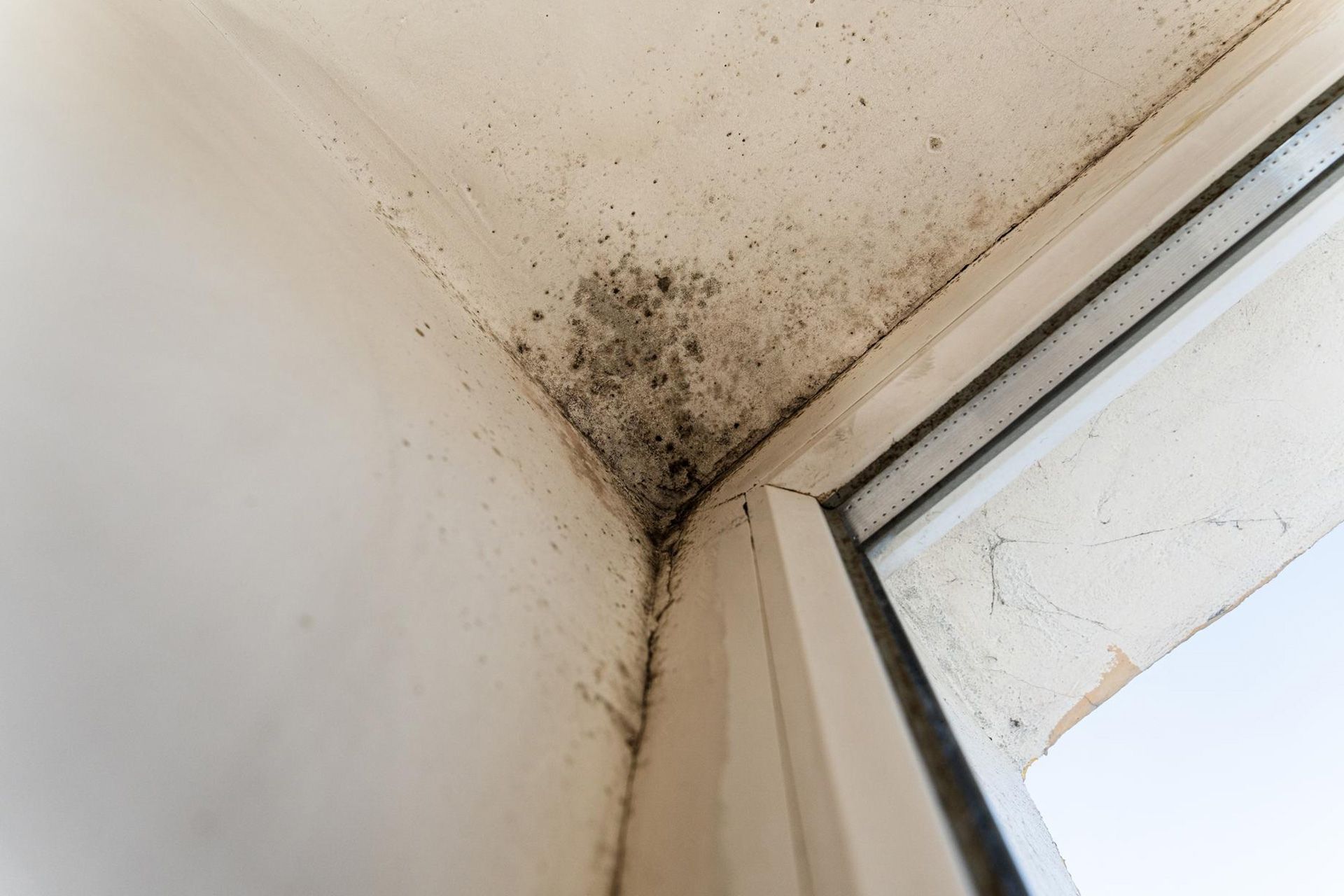
- Mold inspection
- Termite inspection
- Roof evaluation
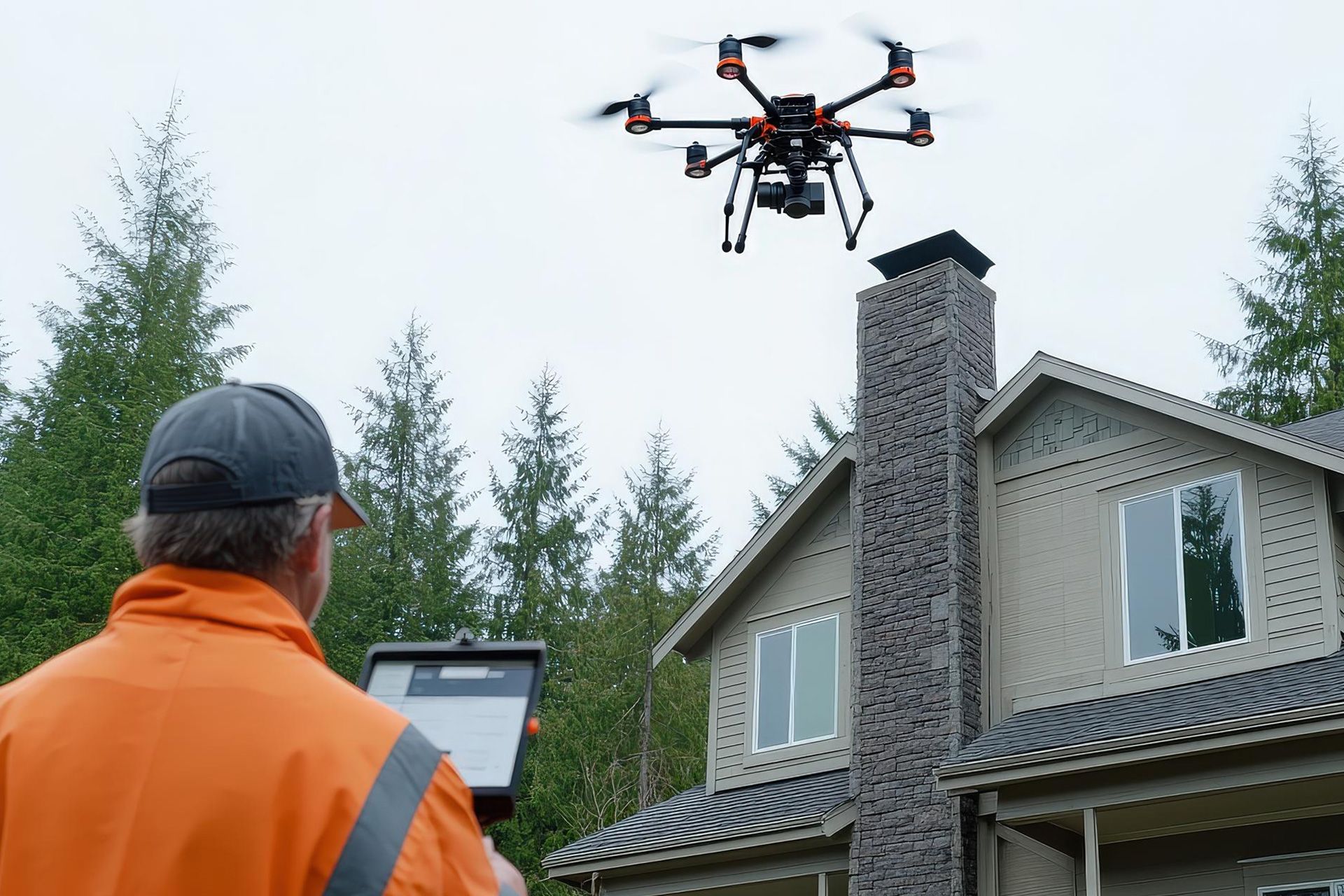
- Thermal imaging inspection
These specialized services provide a more complete understanding of the property's condition, especially if concerns are identified during the primary inspection.
Conclusion
A pre-purchase home inspection is one of the most valuable steps you can take before buying a home in California. Using a final home inspection checklist prior to closing allows buyers to move forward with greater confidence and fewer surprises after closing.
At Green Valley Home Inspections, we provide thorough home inspections along with specialty services such as sewer, mold, termite, roof, thermal imaging, and new construction inspections to help buyers make informed decisions. Our detailed reports are easy to understand and designed to give you a clearer picture of the property before closing.
Whether you are buying your first home or reviewing a newer property, our team helps you identify visible concerns, maintenance needs, and potential safety issues. Schedule your inspection today and take the next step toward buying your California home with confidence.
Frequently Asked Questions
What is a pre-purchase home inspection?
It is a professional evaluation of a property's visible condition before the buyer completes the purchase.
Why is a home inspection prior to closing important?
It helps identify potential issues before ownership changes, allowing buyers to better understand the property's condition and prepare for future maintenance.
What does a final home inspection checklist include?
It typically covers the roof, foundation, plumbing, electrical system, HVAC, interior, exterior, attic, and important safety features.
Should I attend the inspection?
Yes. Attending the inspection allows you to ask questions, learn about the home's systems, and better understand the inspector's findings.
Can I request additional inspections?
Yes. Depending on the property, you may benefit from specialty services such as sewer, mold, termite, roof, or thermal imaging inspections for a more complete evaluation.
Disclaimer: The information on this website and blog is for general informational purposes only and is not professional advice. We make no guarantees of accuracy or completeness. We disclaim all liability for errors, omissions, or reliance on this content. Always consult a qualified professional for specific guidance.
Search
Certification
Green Valley Inspections is InterNACHI Certified, a Certified Master Inspector, and CCPIA-certified, demonstrating advanced training, extensive experience, professional ethics, and expertise in residential and commercial property inspections across Southern California.
Social Media
Google Reviews

5-star ratings from 440+ clients across Southern California.
Contact Us
Recent Post

Service Areas
We offer home inspection services throughout the following counties: