
Electrical Safety Inspection for Homes: What Buyers and Owners Need to Know
Electrical safety is something every homeowner should take seriously. Your electrical system powers lights, appliances, devices, heating and cooling equipment, and many daily comforts. When everything works, it is easy to forget how much the system does in the background.
The good news is that homeowners can take simple steps to improve home electrical safety without opening panels, touching wiring, or doing risky repairs. Most safety habits involve paying attention, using outlets properly, keeping cords in good condition, and knowing when to call a qualified professional.
This guide explains what you can safely check, what warning signs to watch for, and how to reduce common electrical risks around your home.
Start With Everyday Electrical Habits
Many electrical problems begin with daily habits. Plugging too many devices into one outlet, using damaged cords, or relying on extension cords for long periods can create avoidable risks.
Walk through your home and look at how electricity is being used in each room. Notice where power strips are overloaded, where cords are stretched across walkways, and where appliances are plugged into temporary setups. These small details can tell you a lot about your home electrical safety.
If you regularly need more outlets in one area, do not depend on extension cords as a permanent solution. That may be a sign that the area needs a professional electrical inspection.
Check Cords, Plugs, and Power Strips
Cords are easy to overlook, but they can wear down over time. Damaged cords should not be used because they may expose wiring or overheat during use.
Look for cracked insulation, frayed areas, loose plugs, dark marks, or bent prongs. If a cord feels hot during normal use, unplug it and stop using it until the issue is addressed.
Power strips should also be used carefully. They are not meant to handle every type of appliance.
Large appliances, space heaters, and high-demand equipment should usually be plugged directly into proper wall outlets, not into extension cords or overloaded strips.
Use Extension Cords the Right Way
Extension cords are helpful for temporary use, but they should not replace permanent wiring. A cord running under rugs, behind furniture, or through doorways can become damaged without you noticing.
Never cover extension cords with carpets or mats. Heat can build up, and the cord may wear down from foot traffic. Also, avoid connecting multiple extension cords together.
For outdoor use, only use cords rated for outdoor conditions. Indoor cords are not designed to handle moisture, heat, or outdoor wear.
Good cord habits are one of the simplest ways to improve home safety without doing any technical work.
Keep Water and Electricity Apart
Water and electricity are a dangerous combination. Bathrooms, kitchens, laundry rooms, garages, and outdoor areas need extra care because moisture is common in these spaces.
Keep electrical devices away from sinks, tubs, wet counters, and damp floors. Do not touch plugs or switches with wet hands. If an appliance falls into water, do not reach for it while it is still plugged in.
GFCI outlets are designed to help reduce shock risk in moisture-prone areas. Many have test and reset buttons. Homeowners can press the test button to make sure the outlet responds, then press reset to restore power. If the outlet does not respond, have it checked by a qualified professional.
Pay Attention to Outlets and Switches
Outlets and switches should feel secure and work normally. Loose outlets, cracked covers, buzzing sounds, sparks, or warm surfaces should not be ignored.
A warm outlet may point to a loose connection, overloaded circuit, or damaged device. A switch that makes noise or feels hot can also be a warning sign.
You can safely look for visible problems, but do not remove covers or try to repair wiring unless you are qualified. If something looks damaged or behaves strangely, stop using that outlet or switch and call a professional.
Watch for Warning Signs
Your home may give you clues when something electrical is wrong. Some warning signs are easy to dismiss, but they should be taken seriously.
Common warning signs include lights that flicker often, breakers that trip repeatedly, burning smells, outlets that stop working, buzzing sounds, sparks, and discolored outlet covers.
One small issue may not always mean there is a serious problem, but repeated warning signs should be reviewed. These symptoms may point to overloaded circuits, loose wiring, failing devices, or past repair issues.
Knowing these signs helps homeowners take action before the problem becomes more serious.
Use Appliances Safely
Large appliances draw more power than small devices. Refrigerators, dryers, ovens, microwaves, and similar equipment should be used according to the manufacturer’s instructions.
Do not ignore appliances that trip breakers, smell hot, spark, or make unusual electrical sounds. Unplug small appliances when not in use, especially items like toasters, irons, and countertop devices.
Also, give appliances space to release heat. Blocking vents or placing items too close to heat-producing equipment can create unsafe conditions. Safe appliance use supports better home electrical safety every day.
Know When to Call a Professional
Homeowners can do many safe checks, but some tasks should never be treated as DIY projects. Call a qualified home inspector if you notice burning smells, repeated breaker trips, sparking outlets, warm switches, exposed wires, water near electrical components, or damage after a storm.
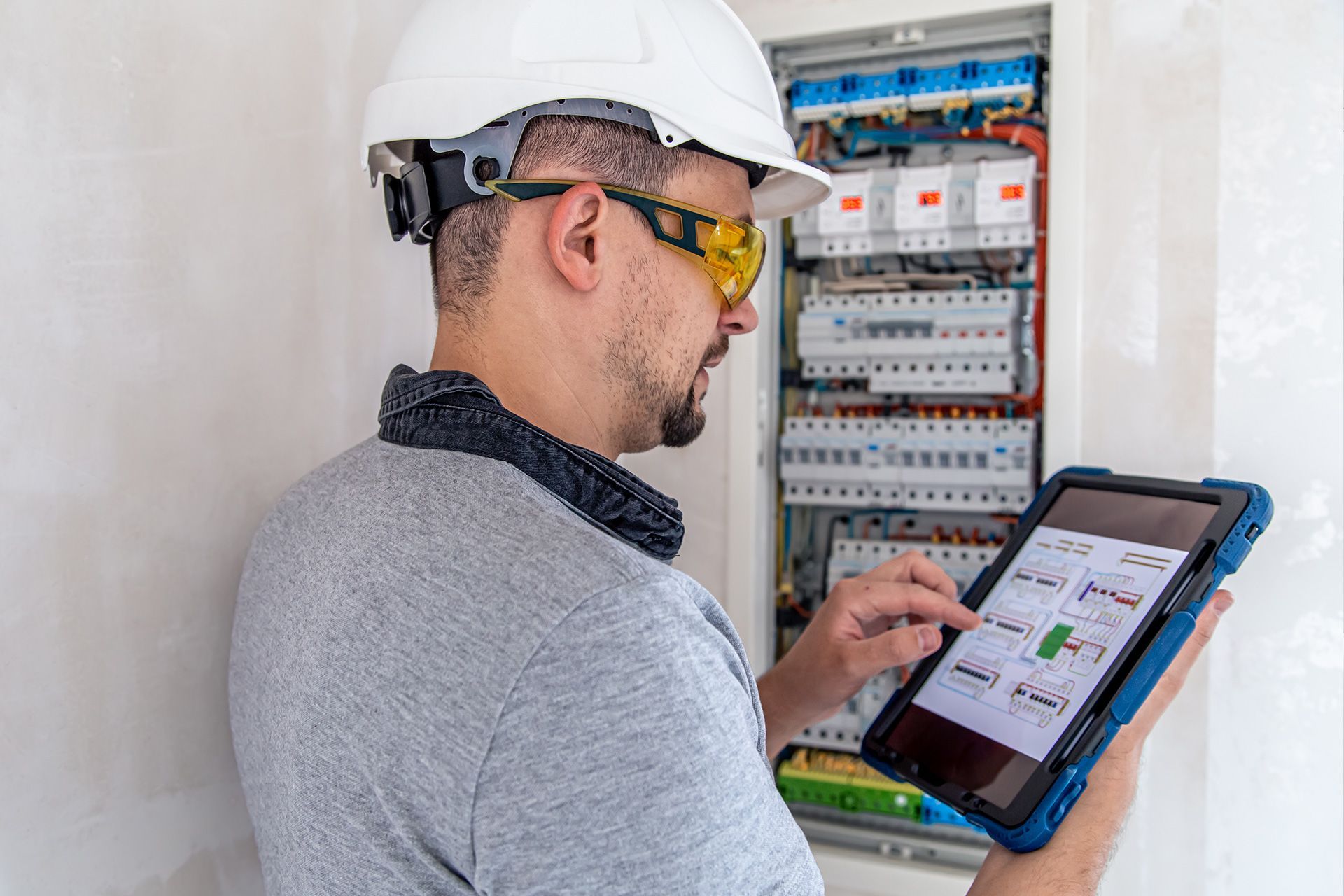
An electrical inspection checks the visible parts of a home’s electrical system, including the panel, breakers, wiring, outlets, switches, light fixtures, GFCI protection, and exterior components. Inspectors look for damage, overheating, loose connections, unsafe repairs, missing covers, and other concerns that may need review by a licensed electrician for safety.
Conclusion
You do not need to be an electrician to notice when something does not look or feel right. The key is knowing your limits and calling a qualified professional when electrical concerns appear.
At Green Valley Home Inspections, we help homeowners and buyers better understand visible electrical concerns. Our goal is to provide clear information, so you know when further evaluation may be needed.
Schedule your inspection today and take a smart step toward a safer, better understood home.
Frequently Asked Questions
What can homeowners safely check themselves?
Homeowners can check cords, plugs, outlet covers, power strips, visible damage, appliance behavior, panel access, and warning signs like buzzing, burning smells, or frequent breaker trips.
Are extension cords safe for daily use?
Extension cords should only be used temporarily. They should not replace permanent outlets or be placed under rugs, through doorways, or behind heavy furniture.
What should I do if an outlet feels warm?
Stop using the outlet and unplug connected devices. A warm outlet can indicate an electrical issue that should be reviewed by a qualified professional.
How can I improve electrical safety in bathrooms and kitchens?
Keep devices away from water, avoid touching plugs with wet hands, and make sure GFCI protection is working in moisture-prone areas.
When should I call for an electrical inspection?
Call for an electrical inspection if you notice sparks, burning smells, repeated breaker trips, exposed wiring, panel issues, warm outlets, or any repair that involves wiring or electrical components.
Disclaimer: The information on this website and blog is for general informational purposes only and is not professional advice. We make no guarantees of accuracy or completeness. We disclaim all liability for errors, omissions, or reliance on this content. Always consult a qualified professional for specific guidance.
Search
Certification
Green Valley Inspections is InterNACHI Certified, a Certified Master Inspector, and CCPIA-certified, demonstrating advanced training, extensive experience, professional ethics, and expertise in residential and commercial property inspections across Southern California.
Social Media
Google Reviews

5-star ratings from 440+ clients across Southern California.
Contact Us
Recent Post




Service Areas
We offer home inspection services throughout the following counties: