How To Pass A 4-Point Home Inspection in Los Angeles County

A four-point inspection can feel stressful when an insurance company requests one. Homeowners may worry that an older roof, aging plumbing, or an outdated electrical component will automatically cause a coverage issue.
The good news is that the inspection is focused. It reviews four major systems: the roof, electrical system, plumbing, and heating and cooling equipment. The inspector documents visible conditions and provides a report. Your insurance company then uses that information in its underwriting decision.
If you have been asked for an inspection in Los Angeles County, preparation can make the process smoother. The goal is not to make your home look perfect. It is to correct known problems, provide safe access, and make sure the major systems are in serviceable condition.
Understand What a 4-Point Inspection Is Really For
A 4-point inspection differs from a full property inspection. A full inspection reviews many parts of the home, while a four-point review concentrates only on systems that can create significant insurance losses.
Those four systems are:
- Roofing
- Electrical
- Plumbing
- HVAC
Insurance companies may request the report when reviewing an older property, issuing a new policy, renewing coverage, or evaluating a home with aging systems.
The inspector does not decide whether your insurance application passes or fails. The report documents what was observed. The carrier decides whether the condition meets its underwriting guidelines, whether repairs are required, or whether it needs additional information.
Start With the Roof
Roof condition often gets close attention because water intrusion can cause significant property damage.
Before the appointment, look around the property for obvious problems. You do not need to climb onto the roof yourself. From the ground, check for missing materials, damaged tiles, loose shingles, debris, sagging areas, or visible damage around roof edges.
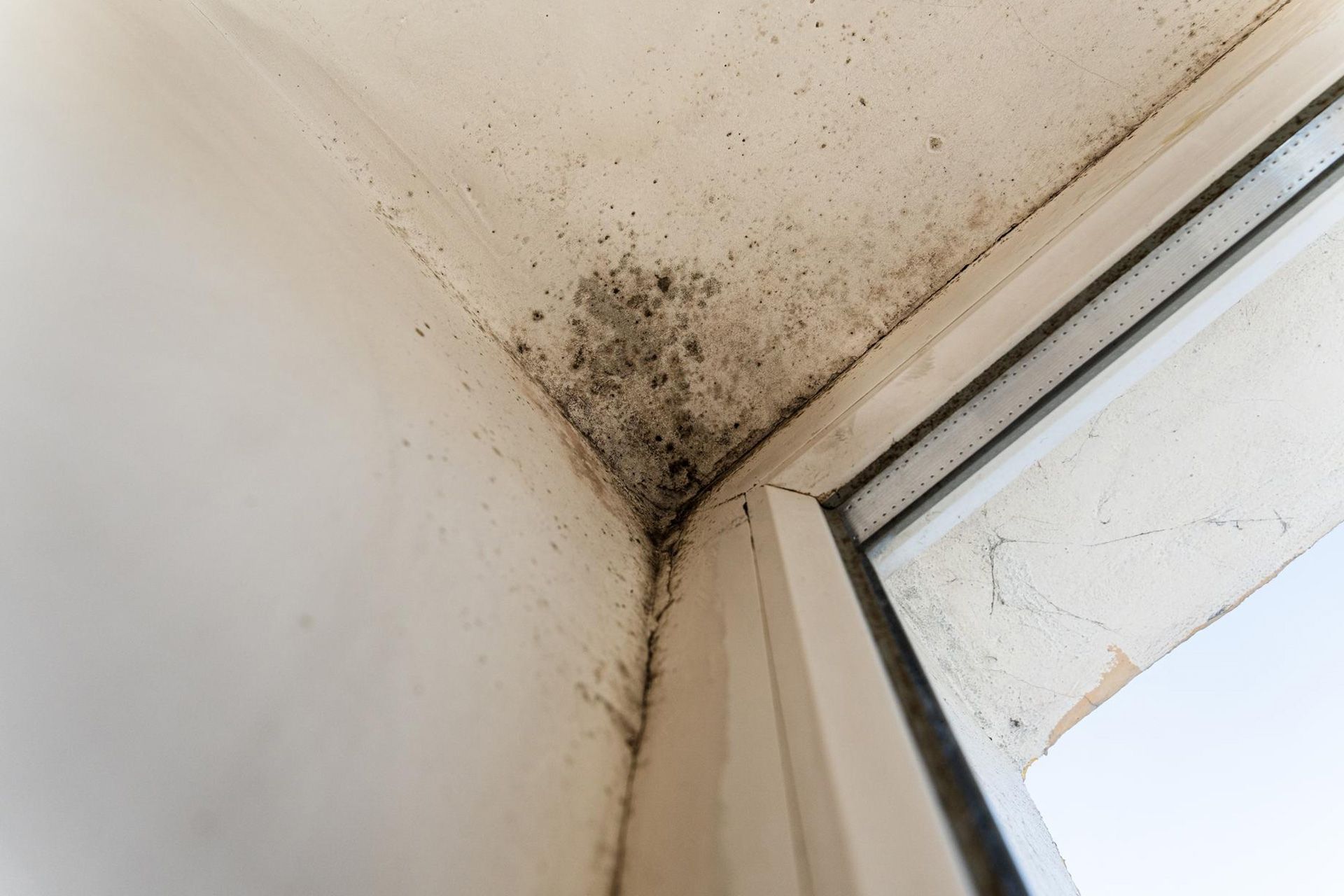
Inside the home, look for ceiling stains or signs of past leaks. If you already know about an active leak, have it evaluated rather than hoping it will go unnoticed.
The inspector may document the roofing material, visible condition, approximate age when known, and signs of damage or deterioration.
Prepare the Roof Area
A few practical steps can make the review easier:
- Clear visible debris: Leaves and branches can hide roof or drainage concerns. Keep gutters and accessible drainage areas reasonably clear when it is safe to do so.
- Gather roof records: If the roof was recently replaced or repaired, keep permits, invoices, warranties, or contractor records available. These documents may help explain the roof’s history.
- Do not perform unsafe repairs: Homeowners should not climb onto steep or fragile roofs to prepare for an inspection. If you see damage that needs attention, contact a qualified roofing professional.
Check the Electrical System for Obvious Concerns
Electrical problems matter because damaged or outdated components can increase fire and safety risks.
The inspector typically reviews accessible electrical panels, breakers, visible wiring, and grounding or bonding where visible, as well as other conditions relevant to the insurance form.
Before the appointment, make sure the main electrical panel is accessible. Do not block it with shelves, boxes, furniture, or stored items.
Look around the home for obvious concerns such as missing outlet covers, exposed wiring, damaged switches, or extension cords being used as permanent wiring. Address these items before the inspection.
Do not open the electrical panel or attempt wiring repairs unless you are qualified.
Review the Plumbing Before Inspection Day
Plumbing issues can lead to leaks and water damage, so insurers often want information about pipe materials and the visible condition of the plumbing.
Walk through bathrooms, kitchens, laundry areas, and spaces near the water heater. Look under sinks and around toilets for dripping water, corrosion, staining, or damp materials.
The 4-point home inspection checklist in Los Angeles County should also include accessible water supply piping, visible drain lines, plumbing fixtures, and the water heater.
Small leaks should not be ignored. A slow drip under a sink may seem minor, but it can create moisture damage over time.
Plumbing Items Worth Checking
- Active leaks: Repair dripping fixtures, leaking supply lines, or water around the heater before the appointment when possible.
- Corrosion: Heavy corrosion around pipes, valves, or fittings may deserve professional review even if no active leak is visible.
- Water heater condition: Make sure the area around the heater is accessible. A certified inspector should address visible leaks, rust, or damaged components.
Make Sure the HVAC System Is Operational
The heating and cooling system is the fourth major part of the inspection.
During the inspection, an inspector may identify the equipment type, approximate age, visible condition, and whether the system responds to normal controls.
Before the appointment, make sure the thermostat is accessible and that stored items aren't blocking the equipment. Leave enough space around outdoor units for observation.
Replace a heavily clogged filter if needed and remove obvious debris from around accessible exterior equipment. If the system is already known to be nonfunctional, arranging service before the inspection may be helpful.
The goal is not to hide the equipment's age. Older systems can still be documented as operational. What matters is the visible condition and the insurer’s individual underwriting requirements.
Use This Simple Preparation Plan
You do not need a major renovation before the inspection. Focus on obvious safety concerns, active defects, and access.
A practical preparation plan includes:
- Fix known leaks: Active roof or plumbing leaks take priority over cosmetic imperfections. Address the cause, not just the visible stain.
- Provide clear access: Inspectors need to see electrical panels, water heaters, HVAC equipment, and other relevant components. Move stored belongings before the appointment.
- Handle obvious safety problems: Missing electrical covers, exposed conductors, damaged railings near equipment, or other visible hazards should not be ignored.
- Keep repair documentation: Receipts, permits, invoices, and service records can provide useful context about recent work.
Do Not Try to Hide Problems
Painting over water stains, placing furniture in front of damaged equipment, or making temporary cosmetic fixes are not good preparation strategies.
The purpose of the inspection is to document the current condition of important systems. If the inspector sees evidence of a problem, the report may note it even if the source is not fully visible.
Addressing known concerns properly is more useful than hiding them. It can also help avoid repeated visits if the insurer later requests repair documentation or updated photographs.
Common Issues That May Get Extra Attention
Every carrier has its own underwriting rules, so no single list automatically results in a home being declined.
However, several conditions commonly deserve further attention:
- Active roof leaks or significant roof deterioration
- Exposed or visibly unsafe electrical wiring
- Damaged or questionable electrical equipment
- Active plumbing leaks
- Severely corroded piping
- A water heater with visible leakage or safety concerns
- Heating or cooling equipment that does not operate
- Major visible damage to any of the four systems
If your inspector documents one of these conditions, the next step may be repair, specialist evaluation, additional documentation, or a follow-up report depending on what your insurer requests.
What Happens If the Report Shows a Problem?
Don't assume one finding automatically means your insurance application is denied.
Send the completed inspection report to your agent or insurer and wait for their instructions. The carrier may accept the condition, request additional information, require repairs, or ask for updated documentation after repairs are completed.
If repairs are requested, keep invoices and photographs. Your carrier may accept documentation or require another inspection, depending on its rules.
This is one reason it helps to complete the inspection before an urgent insurance deadline whenever possible.
Why Professional Documentation Matters
Insurance companies need clear information they can review. Good documentation may include system details, photographs, visible conditions, and other information the carrier requires.
Professional 4-point inspection services can also reduce confusion by organizing the condition of the roof, electrical, plumbing, and HVAC systems into a focused report.
Before scheduling, ask your insurance company or agent whether it has a specific form or photo requirement. Providing the correct information the first time can help avoid unnecessary delays.
Conclusion
Passing the inspection is less about making a home perfect and more about making sure its four major systems are safe, accessible, and properly documented.
Start with the roof, then review the electrical system, plumbing, and HVAC equipment. Correct obvious defects, fix active leaks, provide access, and keep records of recent repairs. Most importantly, remember that the inspector documents the condition while the insurance company makes the final underwriting decision.
Green Valley Inspections provides detailed 4-point inspections for homeowners seeking clear information on these major systems. Our team focuses on accurate documentation, straightforward reporting, and professional service.
Schedule your inspection to ensure you have the information your insurance provider needs.
Frequently Asked Questions
Can a home fail a four-point inspection?
The inspector documents the condition rather than approving or denying insurance. Your carrier reviews the report and decides whether repairs, additional information, or other action is required.
Does every homeowner need this inspection?
No. Requirements vary by insurance company, property condition, age, and underwriting rules. Ask your agent or insurer whether a report is required for your property.
Should I repair problems before the appointment?
If you already know about an active leak, an unsafe electrical condition, a nonworking HVAC system, or another significant issue, addressing it beforehand may help avoid delays.
Is this the same as a full home inspection?
No. It focuses only on roofing, electrical, plumbing, and HVAC. A full inspection evaluates many additional systems and accessible components.
What should I give my insurer after the inspection?
Provide the completed report and any required photos or forms. If repairs were recently completed, your insurer may also request invoices, permits, contractor documentation, or updated photographs.
Disclaimer: The information on this website and blog is for general informational purposes only and is not professional advice. We make no guarantees of accuracy or completeness. We disclaim all liability for errors, omissions, or reliance on this content. Always consult a qualified professional for specific guidance.
Search
Certification
Green Valley Inspections is InterNACHI Certified, a Certified Master Inspector, and CCPIA-certified, demonstrating advanced training, extensive experience, professional ethics, and expertise in residential and commercial property inspections across Southern California.
Social Media
Google Reviews

5-star ratings from 440+ clients across Southern California.
Contact Us
Recent Post



Service Areas
We offer home inspection services throughout the following counties: