
What to Expect During a Comprehensive Home Inspection
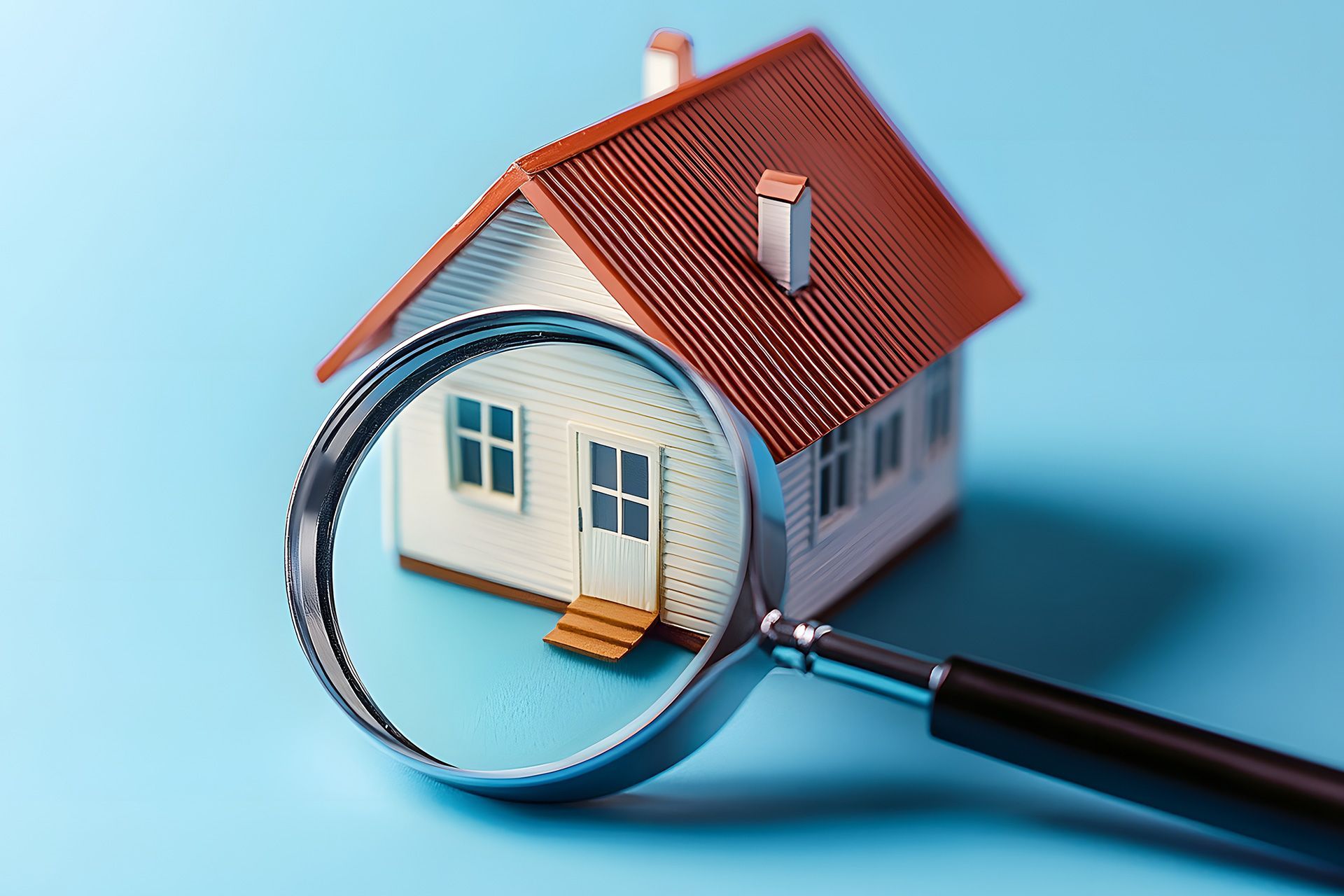
Buying a home is exciting, but it can also feel overwhelming. A house may look perfect on the outside, but hidden problems can cost you thousands later. That’s why a comprehensive home inspection is one of the most important steps in the home-buying process.
If you’ve never had a home inspection before, you might wonder what actually happens during one. How long does it take? What gets checked? Should you attend? This guide explains what to expect during a comprehensive home inspection, so you can feel confident and prepared.
What Is a Comprehensive Home Inspection?
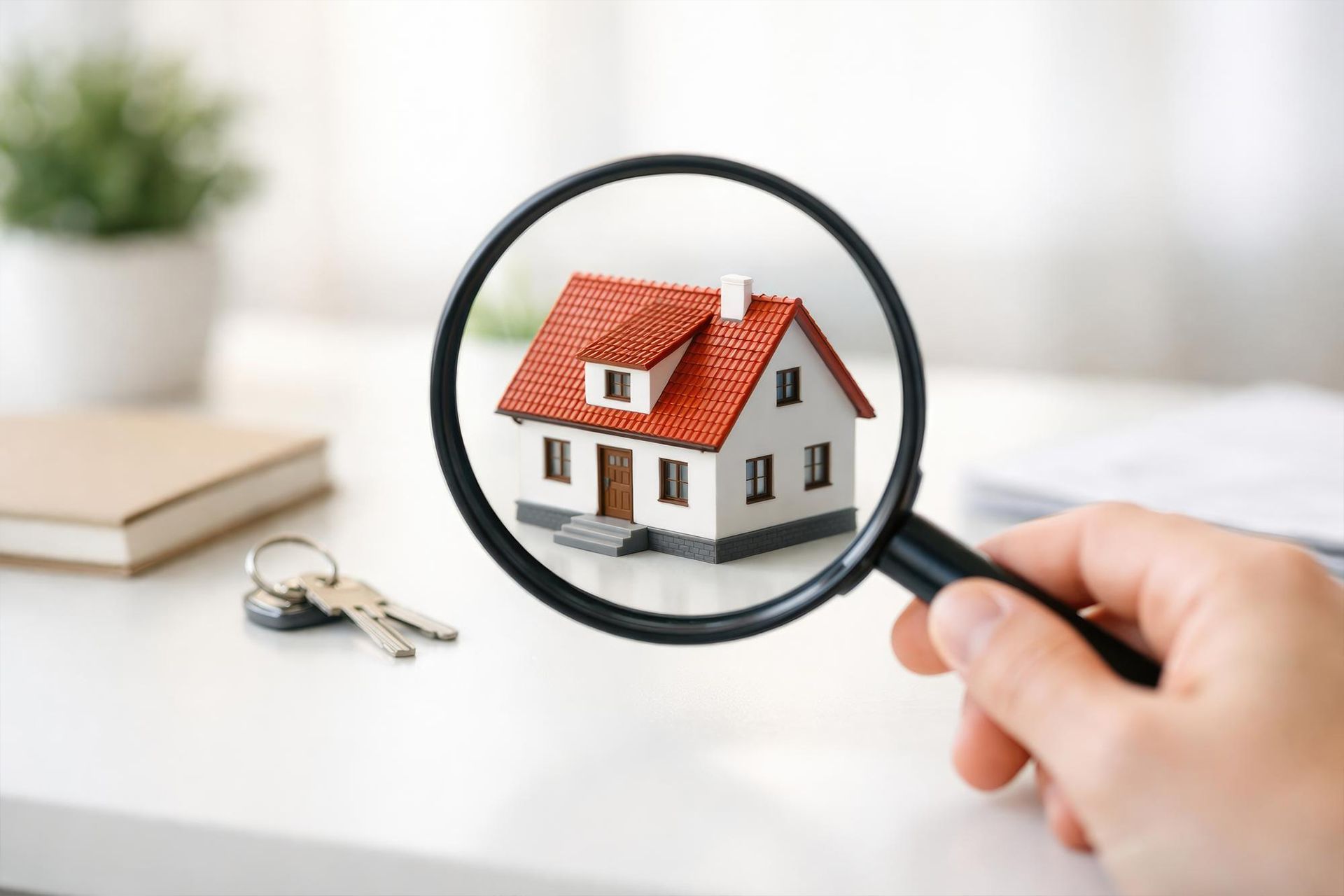
A comprehensive home inspection is a detailed visual evaluation of a home’s major systems and components.
The goal is to identify existing issues, safety concerns, and potential future repairs before you buy or sell a property.
A licensed home inspector looks at the home from top to bottom and provides a written report explaining their findings in clear, simple language.
This type of inspection is typically done for:
- Home buyers
- Home sellers
- Real estate investors
- Homeowners planning maintenance
How Long Does a Home Inspection Take?
Most comprehensive home inspections take 2 to 4 hours, depending on:
- The size of the home
- The age of the property
- The condition of visible systems
Larger or older homes may take longer because they often have more components to evaluate.
Should You Attend the Home Inspection?
Yes, attending the inspection is highly recommended.
Being present allows you to:
- See issues firsthand
- Ask questions as they come up
- Learn how your home systems work
- Understand what repairs are urgent vs. minor
While you don’t need to follow the inspector every second, being available during the inspection is helpful.
What Does a Home Inspector Check?
A comprehensive home inspection covers all major areas of the home. Here’s what you can expect.
Exterior of the Home
The inspector starts outside to look for problems that could affect the structure or lead to water damage.
They typically inspect:
- Roof condition and shingles
- Gutters and downspouts
- Siding, stucco, or brick
- Windows and exterior doors
- Driveways, walkways, and grading
- Foundation visible from the outside
Proper drainage is especially important, as poor water flow can lead to foundation issues.
Roof and Attic
The roof protects everything inside your home, so it gets close attention.
The inspector checks:
- Roof covering for damage or wear
- Flashing around vents and chimneys
- Signs of leaks
- Attic insulation levels
- Ventilation and airflow
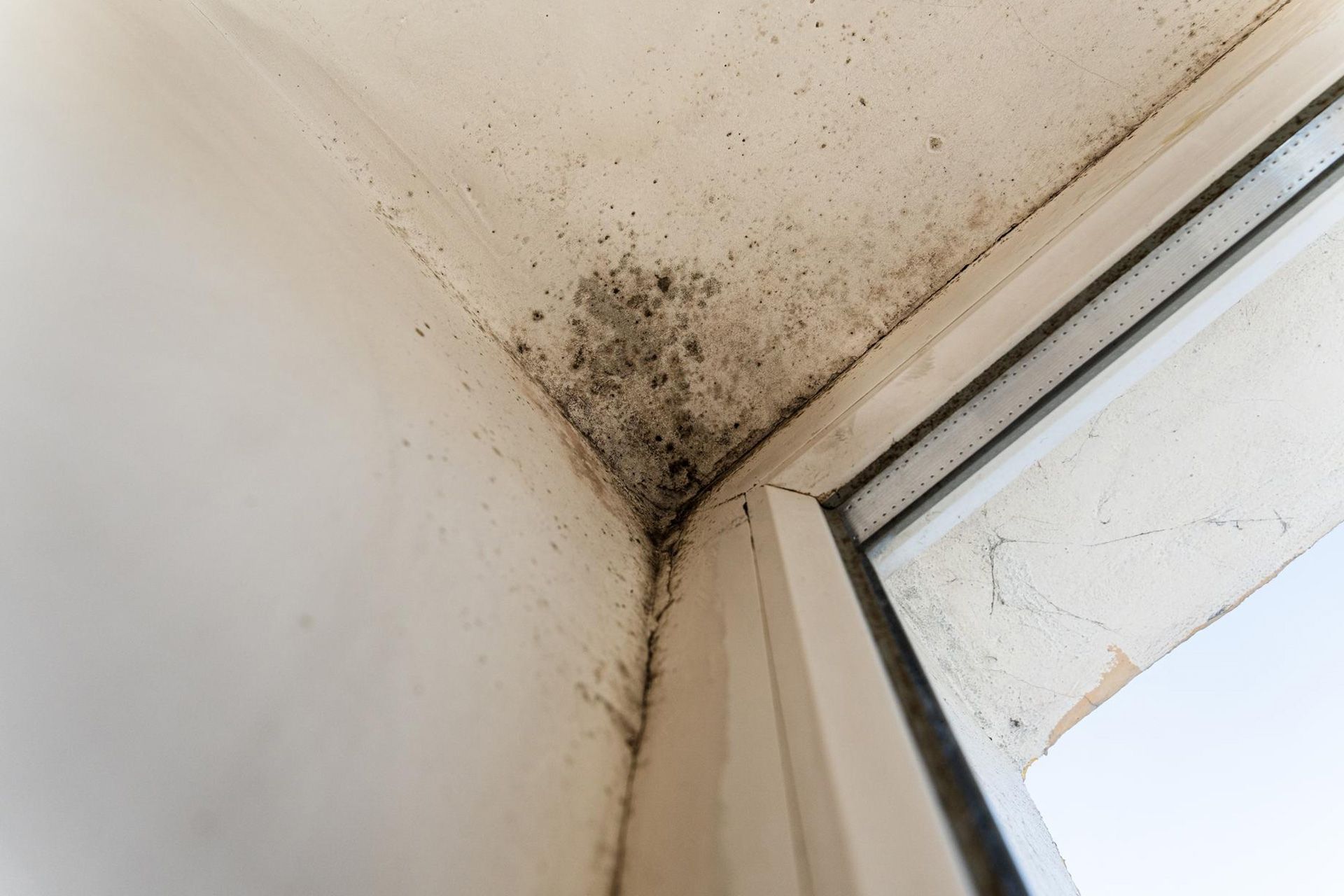
- Signs of moisture or mold
Roof problems can be expensive, so early detection is key.
Foundation and Structure
A home’s structure is critical to safety and stability.
Inspectors look for:
- Cracks in the foundation
- Uneven floors
- Wall cracks or movement
- Signs of settling or shifting
- Visible structural damage
Not all cracks are serious, but the inspector will note anything that needs further review.
Plumbing System
Plumbing issues can lead to water damage, mold, and high repair costs.
During the inspection, the inspector checks:
- Water pressure and flow
- Visible pipes and fittings
- Water heater condition
- Faucets, sinks, and toilets
- Signs of leaks or corrosion
They will also identify outdated materials that may need replacement.
Electrical System
Electrical safety is a major part of any comprehensive home inspection.
Inspectors evaluate:
- Electrical panel and breakers
- Wiring types and condition
- Grounding and bonding
- Outlets, switches, and fixtures
- Safety issues like double-tapped breakers
Electrical problems can be a fire hazard, so these findings are taken seriously.
Heating and Cooling Systems (HVAC)
Your comfort depends on a working HVAC system.
The inspector checks:
- Heating system operation
- Air conditioning performance
- Visible ductwork
- Thermostat function
- Signs of poor maintenance
They won’t dismantle equipment, but they will test normal operation.
Interior Areas
Inside the home, the inspector reviews visible components in each room.
This includes:
- Walls, ceilings, and floors
- Windows and doors
- Stairs and railings
- Cabinets and countertops
- Signs of water damage or leaks
Safety concerns, such as loose railings or trip hazards, are also noted.
Appliances
Most inspections include basic checks of built-in appliances.
Commonly inspected appliances:
- Stove and oven
- Dishwasher
- Microwave
- Garbage disposal
- Exhaust fans
Free-standing appliances may or may not be included, depending on the inspection agreement.
What a Home Inspector Does Not Do
It’s important to understand the limits of a home inspection.
A home inspector does not:
- Perform repairs
- Predict future failures
- Move heavy furniture
- Open walls or ceilings
- Guarantee the home is problem-free
Inspections are visual and non-invasive, but they still provide valuable insight.
Understanding the Home Inspection Report
After the inspection, you’ll receive a detailed report, usually within 24 hours.
The report includes:
- Photos of inspected areas
- Descriptions of issues found
- Safety concerns
- Maintenance recommendations
- Items that may need further evaluation
A good report is clear, organized, and easy to understand, even for first-time buyers.
What Happens After the Inspection?
Once you review the report, you can:
- Request repairs from the seller
- Ask for a price reduction
- Plan future maintenance
- Decide whether to move forward
Your real estate agent can help you use the inspection findings during negotiations.
Why a Comprehensive Home Inspection Matters
Skipping a home inspection can lead to costly surprises.
A professional inspection helps you:
- Avoid hidden repair costs
- Understand the true condition of the home
- Make informed decisions
- Feel confident about your investment
It’s a small cost compared to the protection it provides.
Schedule your comprehensive home inspection with Green Valley Home Inspections today and move forward with confidence.
FAQs About Comprehensive Home Inspections
How much does a home inspection cost?
Home inspection costs usually range from $300 to $600, depending on the size and location of the home.
Can a home fail a home inspection?
No. Homes don’t pass or fail. The inspection simply reports the condition of the property.
Is a home inspection required?
Home inspections are not legally required, but they are highly recommended for buyers.
Do inspectors check for mold or termites?
A standard inspection looks for visible signs, but specific mold or termite inspections may require add-on services.
Should new homes be inspected?
Yes. Even new construction homes can have defects or incomplete work.
Search
Certification
Green Valley Inspections is InterNACHI Certified, a Certified Master Inspector, and CCPIA-certified, demonstrating advanced training, extensive experience, professional ethics, and expertise in residential and commercial property inspections across Southern California.

Social Media
Google Reviews

5-star ratings from 440+ clients across Southern California.
Contact Us
Recent Post



Service Areas
We offer home inspection services throughout the following counties: