
Chimney Damper: Why It Matters During a Home Inspection
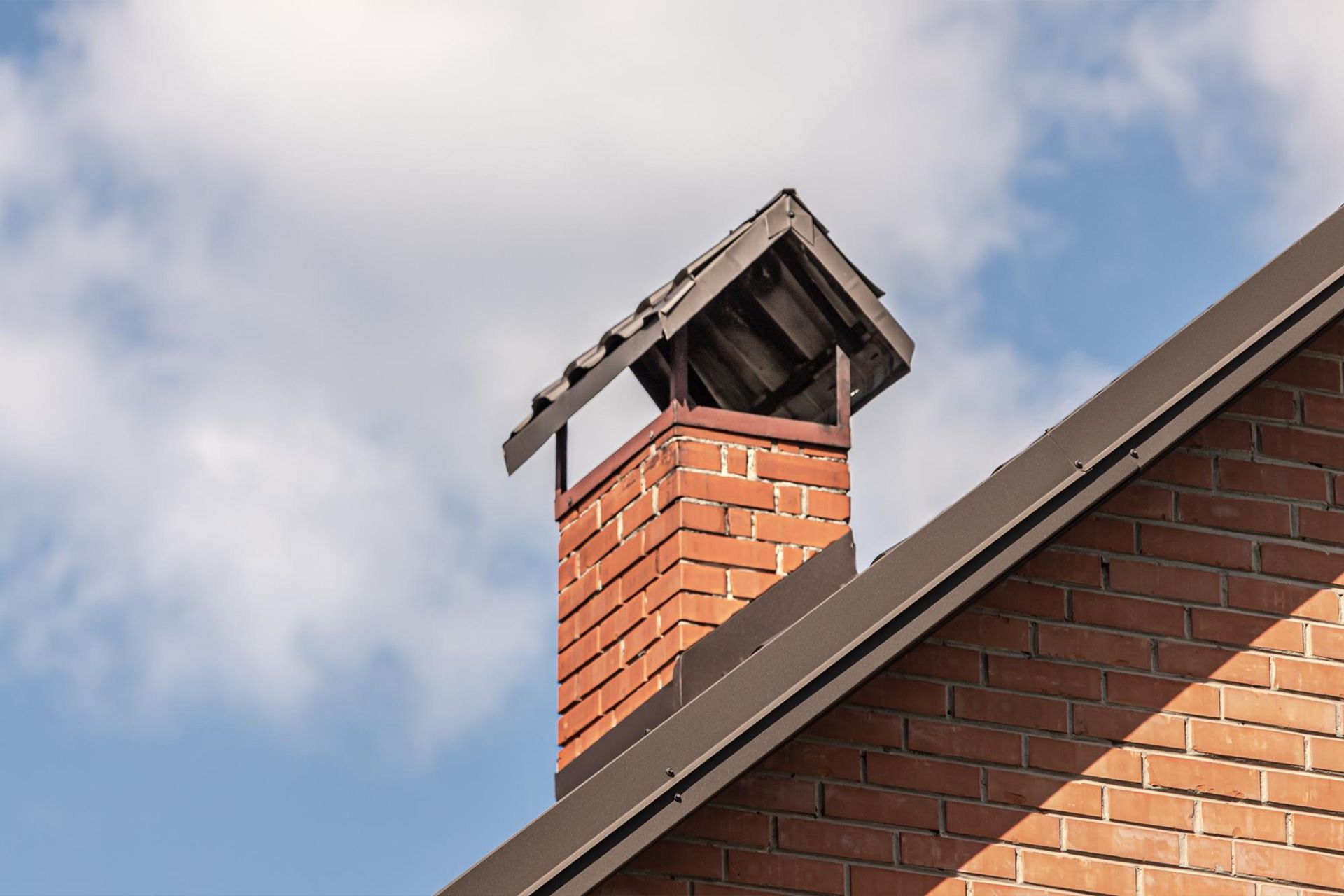
A fireplace can be one of the most appealing features in a home, but buyers should look beyond the brick, mantel, and firebox. One small component plays an important role in how a traditional fireplace works: the chimney damper.
The damper controls the opening between the fireplace and the chimney flue. When the fireplace is being used, it allows smoke and combustion gases to travel upward through the chimney. When the fireplace is not in use, closing the damper can help limit unwanted airflow through the chimney.
During a home inspection, an accessible damper may be checked along with other visible fireplace and chimney components. A damper that is stuck, damaged, missing, or difficult to operate can point to a maintenance or repair concern that deserves attention.
For home buyers, understanding this simple component can make the fireplace section of an inspection report much easier to understand.
What Is a Chimney Damper?
A chimney damper is a movable plate or valve that opens and closes the passage between a fireplace and its chimney.
In many traditional fireplaces, the damper is located near the top of the firebox, where the fireplace transitions into the flue.
Its basic purpose is to control airflow.
When a wood-burning fire is operating, the damper normally needs to be open so smoke and combustion gases can travel up the chimney. When the fireplace has completely cooled and is not being used, the damper may be closed to reduce unwanted air movement through the chimney.
A homeowner may also hear this component called a fireplace damper because it is controlled from the fireplace area.
Although the part itself may look simple, its condition can affect fireplace operation, drafts, comfort, and safe use.
What Is a Fireplace Flue Damper?
A fireplace flue damper refers to the damper that controls the opening leading into the chimney flue.
The flue is the passage that carries smoke and combustion gases from the fireplace toward the exterior.
Think of the system this way:
Firebox → damper → flue → chimney opening
When the damper opens, it allows a pathway into the flue. When it closes, it restricts that pathway.
This is why the damper should never be closed while a wood fire is actively burning. Smoke and combustion gases need an open route through the chimney.
Why Does the Chimney Damper Matter?
The damper performs several useful functions in a traditional fireplace system.
It Allows Smoke to Exit
One of its most important jobs is allowing fireplace exhaust to enter the chimney flue.
If a fire is started while the damper is closed or unable to open properly, smoke may enter the living space instead of moving through the chimney.
Homeowners should always understand how their particular fireplace operates before using it.
It Helps Control Unwanted Drafts
An open chimney can create a pathway for indoor air to move out of the home or outdoor air to move inward.
When the fireplace is not being used and conditions allow it to be closed, the damper helps limit that open pathway.
A damaged or poorly fitting damper may contribute to noticeable drafts around the fireplace.
It Can Affect Indoor Comfort
A fireplace with a damper that does not close properly may allow conditioned indoor air to escape.
Homeowners may notice:
- Cold air near the fireplace
- Warm air entering during hotter weather
- Air movement around the firebox
- Difficulty maintaining comfortable indoor temperatures
Not every fireplace draft is caused by a damper, but the damper is one component worth evaluating.
It Provides Information About Fireplace Condition
A damaged damper may be part of a larger maintenance issue.
Rust, corrosion, debris, damaged components, or difficult movement may suggest that the fireplace or chimney deserves further evaluation.
That is why an inspector does not look only at whether a fireplace appears attractive from the room.
What Does an Inspector Check Around the Fireplace?
A general home inspection is visual and non-invasive.
When accessible, fireplace and chimney components may be evaluated for visible conditions. Standard home inspection practice includes inspecting readily accessible and visible portions of fireplaces and chimneys and operating the damper door when it is accessible and operable.
The inspector may look at areas such as:
- Fireplace opening
- Firebox
- Hearth
- Damper
- Visible chimney components
- Accessible exterior chimney surfaces
- Chimney flashing
- Surrounding materials
- Evidence of moisture
- Visible damage or deterioration
The exact inspection depends on the fireplace type, accessibility, condition, and inspection agreement.
How Is a Fireplace Damper Checked During an Inspection?
When the fireplace damper is readily accessible, an inspector may attempt to operate it using its normal controls.
The inspector may check whether it:
- Opens
- Closes
- Moves normally
- Appears damaged
- Appears rusted or corroded
- Has visible missing components
- Is blocked by debris
- Is difficult to operate
An inspector is not expected to dismantle the fireplace or force a component that appears unsafe or damaged.
If the damper cannot be safely operated, that limitation or defect may be documented in the inspection report.
Common Chimney Damper Problems
Several problems can affect damper operation.
A Damper That Will Not Open
A damper may become stuck because of:
- Rust
- Corrosion
- Debris
- Mechanical damage
- Long periods without use
- Damaged controls
A damper that cannot fully open may interfere with normal fireplace operation.
Homeowners should not force a stuck damper because doing so could damage the control mechanism or surrounding components.
A Damper That Will Not Close
A damper that remains open can create another problem.
Even when no fire is burning, the chimney remains open to airflow.
Possible causes include:
- Warped metal
- Obstructions
- Damaged hinges
- Broken controls
- Corrosion
- Improper adjustment
If the damper cannot close normally, further evaluation may be recommended.
Rust and Corrosion
A fireplace and chimney can be exposed to moisture from rain, condensation, leaks, or other sources.
Metal damper components may rust when moisture is present.
Visible corrosion deserves attention because it may affect movement and may also provide a clue that water has been entering the chimney system.
The source of the moisture should be considered rather than treating rust as an isolated cosmetic issue.
Missing Damper Components
Older fireplaces may have damaged, removed, or incomplete components.
A buyer may assume that every fireplace has a working damper, but that is not always the case.
If parts appear missing or altered, the inspector can document the condition and recommend further evaluation when appropriate.
Excessive Debris
Soot, masonry fragments, nesting materials, or other debris may interfere with operation.
A home inspector may observe visible debris, but a standard inspection does not include cleaning the chimney or dismantling components to determine everything that may be concealed inside.
Why Moisture Around a Chimney Deserves Attention
A damper problem can sometimes be connected to a larger moisture issue.
Water may enter around the chimney because of concerns involving:
- Flashing
- Chimney cap
- Masonry deterioration
- Roof penetrations
- Cracks
- Other exterior defects
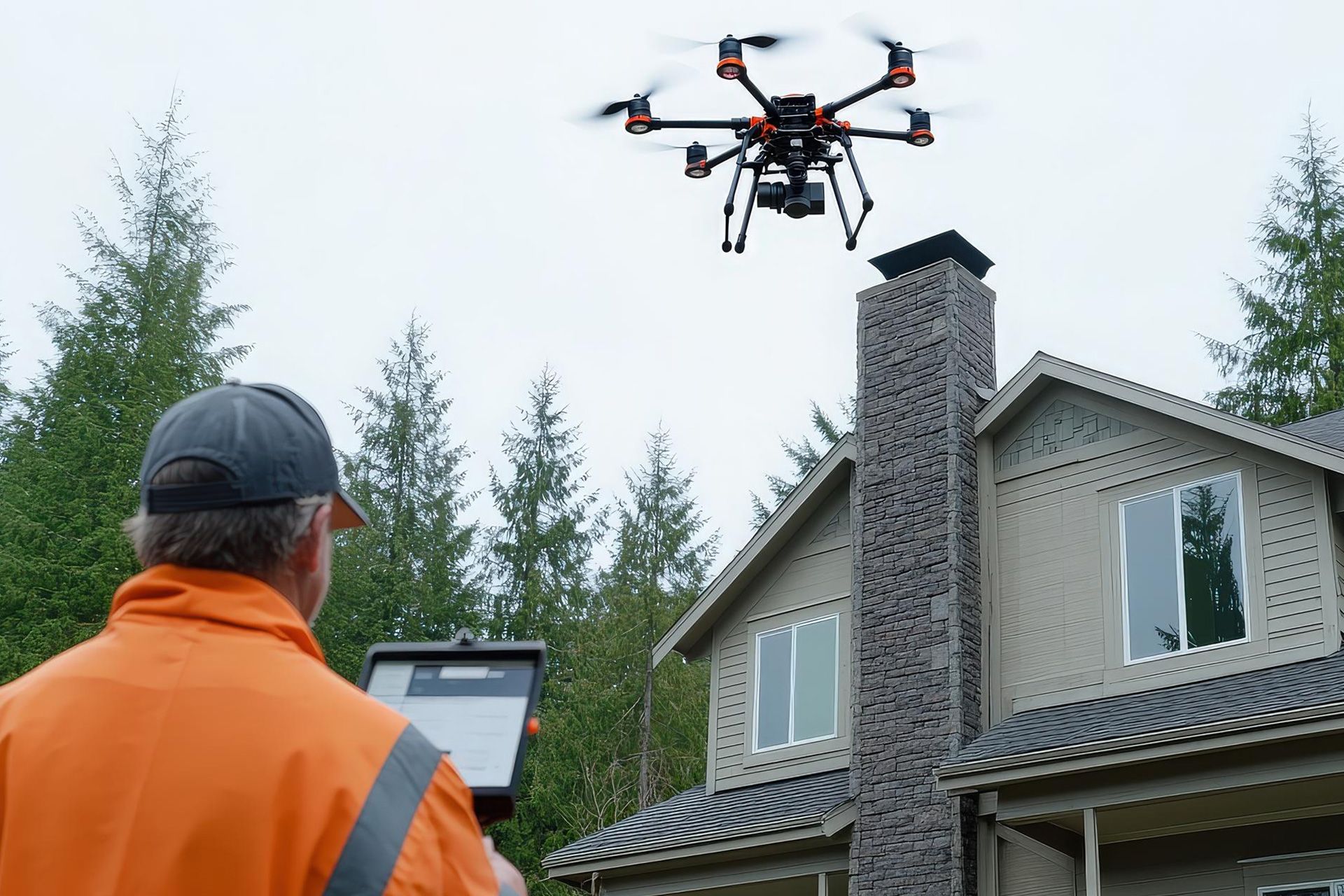
During a home inspection, roof flashing around chimneys may be evaluated for visible damage or wear. Green Valley Inspections also uses drone inspections to evaluate chimneys and other hard-to-access exterior areas when appropriate.
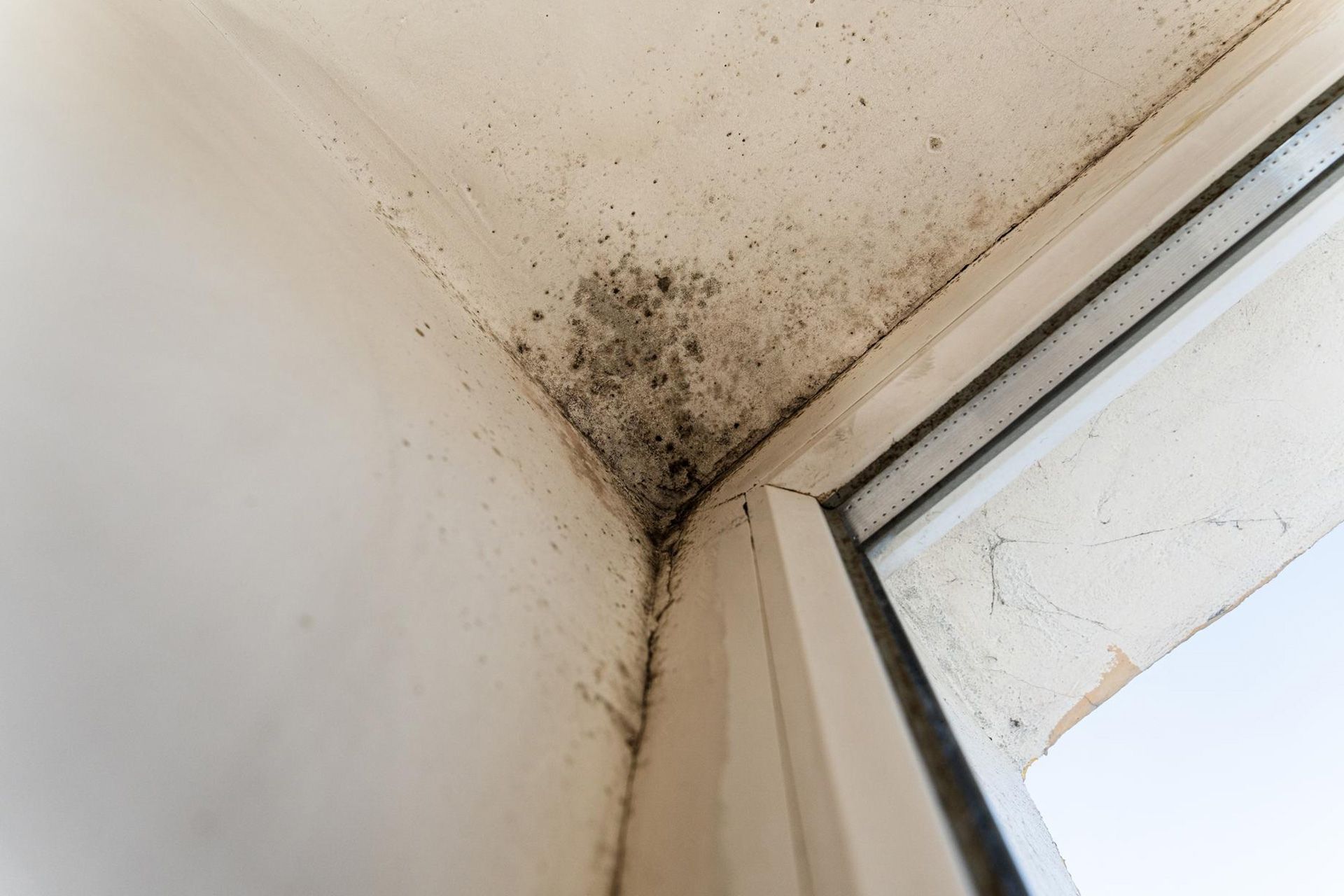
Possible signs of moisture include:
- Rust on metal fireplace parts
- Staining inside the firebox
- Damp masonry
- Mineral deposits
- Damaged finishes
- Water stains on nearby walls or ceilings
Repairing only the damper may not solve the problem if water continues entering from above.
Is a Stuck Fireplace Damper a Serious Problem?
It depends on the condition.
A stuck damper should not automatically be treated as evidence that the entire chimney is unsafe or requires replacement.
However, it should not be ignored.
If the damper cannot open correctly, the fireplace should not simply be used as though everything is normal. A qualified fireplace or chimney professional may need to evaluate the system before use.
The same applies when significant rust, deterioration, damage, or other unusual conditions are visible.
The home inspection helps identify the concern. A specialist can perform additional evaluation or repairs when necessary.
Does a Home Inspection Fully Inspect the Chimney Flue?
No.
This is an important limitation for buyers to understand.
A general home inspection is not the same as a specialized chimney inspection.
A home inspector evaluates readily accessible and visible fireplace and chimney components within the inspection scope. The inspection is not technically exhaustive and does not require dismantling the system to view every concealed surface.
Some areas inside a chimney may not be visible during a standard home inspection.
A specialist may be recommended when there are concerns such as:
- Significant fireplace deterioration
- Evidence of a chimney fire
- Heavy deposits
- Damaged flue components
- Major masonry damage
- Water intrusion
- Poor draft
- Smoke entering the room
- A damaged damper
- Unknown fireplace condition
This is especially useful to understand when buying an older home with a fireplace that has not been used or maintained recently.
Should Buyers Test the Fireplace Themselves?
No.
A home buyer should not light a fire simply to see whether the chimney works.
Starting a fire without knowing the condition of the fireplace, damper, chimney, or flue could create unnecessary risk.
Instead, allow the inspector to evaluate the accessible components within the scope of the inspection.
If additional evaluation is recommended, have the appropriate chimney or fireplace professional examine the system before regular use.
What Should Buyers Look for Around a Fireplace?
You do not need technical fireplace knowledge to notice basic warning signs while touring a home.
Pay attention to:
- Strong smoky odors
- Rusted metal components
- Cracked masonry
- Loose bricks
- Water stains
- Damaged hearth materials
- Heavy visible soot
- A damper control that appears broken
- Staining on nearby walls
- Signs of previous fireplace repairs
These conditions do not automatically mean the fireplace is unsafe.
They simply give you useful questions to raise during the inspection.
What If the Damper Is Open During the Inspection?
Finding an open chimney damper does not automatically mean there is a defect.
It may have been intentionally left open.
The inspector's concern is more likely to be whether the accessible damper appears capable of normal operation and whether visible defects are present.
A damper should also only be closed after a fire and its embers are completely extinguished and cooled.
The home's fireplace type and manufacturer instructions should always be considered before operation.
Are All Fireplace Dampers the Same?
No.
Different fireplace and chimney systems may use different damper designs.
Two common arrangements are:
Throat Dampers
A throat damper is located near the lower portion of the chimney, generally above the firebox.
It commonly uses a lever, handle, chain, or other control that allows it to open or close.
Top-Mounted Dampers
Some systems use a damper located near the top of the chimney.
These may operate through a cable or control accessible from the fireplace.
Because designs vary, homeowners should learn how the specific fireplace system in their home operates rather than assuming all controls work the same way.
Fireplace Damper vs. Chimney Cap
These components are also sometimes confused.
The fireplace damper controls airflow through the flue.
A chimney cap is located near the top of the chimney and helps protect the opening from conditions such as rain, debris, and animal entry, depending on its design.
They perform different jobs.
A fireplace may have both.
Damage to one component should not automatically be assumed to be a problem with the other.
Chimneys in Southern California Homes
Fireplaces may not be used as frequently in some Southern California homes as they are in colder parts of the country.
That can make inspection especially useful.
A fireplace that has not been operated for a long time may have problems the current homeowner has not noticed.
Southern California properties can also experience:
- Strong sun exposure
- Seasonal rain
- Seismic movement
- Long periods between fireplace use
- Aging masonry in older homes
These conditions do not mean every chimney will have problems. They simply make it important to evaluate the actual condition of the property rather than assuming an unused fireplace is problem-free.
What Happens If an Inspector Finds a Damper Problem?
The inspection report should describe the visible condition and explain whether further action is recommended.
Possible findings could include:
- Damper not operating normally
- Rust or corrosion
- Missing components
- Visible deterioration
- Debris
- Evidence of moisture
- Need for further chimney evaluation
The inspector's role is not to redesign or repair the fireplace.
If specialized assessment or repair is needed, a qualified chimney or fireplace professional may be recommended.
For buyers, this information can help you understand the property's condition before completing the purchase.
Why the Chimney Damper Should Not Be Overlooked
The chimney damper may be a small part of the fireplace system, but its operation matters. It helps control the pathway between the firebox and chimney flue, allowing smoke and combustion gases to exit when the fireplace is operating and limiting unwanted airflow when conditions allow it to be closed.
During a home inspection, an accessible fireplace flue damper can provide useful information about the condition and operation of the fireplace. A stuck, damaged, corroded, or missing component may signal the need for maintenance or further professional evaluation.
If you are buying or maintaining a home in Southern California, Green Valley Inspections evaluates accessible roofing, structural, electrical, plumbing, HVAC, interior, exterior, and other major components during a professional home inspection. Chimneys and related visible conditions can also be evaluated within the inspection scope. Contact Green Valley Inspections to schedule your home inspection and better understand the condition of the property before making an important decision.
Frequently Asked Questions
What does a chimney damper do?
A chimney damper controls the opening between the fireplace and chimney flue. It is opened to allow smoke and combustion gases to move up the chimney when appropriate and can be closed when the fireplace is completely inactive to help limit unwanted airflow.
How can I tell if my fireplace damper is open?
Damper designs vary. Some use a lever, handle, chain, or other control. Rather than reaching into an unfamiliar fireplace or forcing the mechanism, follow the fireplace manufacturer's instructions or have the system evaluated if you are unsure.
Does a home inspector check the fireplace damper?
When the damper is readily accessible and operable, it may be opened and closed as part of a general visual fireplace inspection. Unsafe, inaccessible, or damaged components may limit testing.
What happens if a fireplace flue damper will not open?
Do not use the fireplace as though the system is operating normally. A stuck damper can prevent proper exhaust movement. A qualified fireplace or chimney professional may need to evaluate and repair the system.
Why does cold air come through my fireplace?
A poorly sealing or open damper can contribute to drafts, but it is not the only possible cause. Fireplace design, chimney conditions, air pressure, and other factors can affect airflow.
Can a rusty chimney damper still work?
It may still move, but significant rust or corrosion can affect operation and may indicate moisture exposure. The underlying cause and the condition of the component should be evaluated.
Is a home inspection the same as a chimney inspection?
No. A general home inspection evaluates readily accessible and visible fireplace and chimney components within its scope. A specialized chimney inspection may provide a more detailed evaluation when defects, damage, heavy deposits, or other concerns are present.
Disclaimer: The information on this website and blog is for general informational purposes only and is not professional advice. We make no guarantees of accuracy or completeness. We disclaim all liability for errors, omissions, or reliance on this content. Always consult a qualified professional for specific guidance.
Search
Certification
Green Valley Inspections is InterNACHI Certified, a Certified Master Inspector, and CCPIA-certified, demonstrating advanced training, extensive experience, professional ethics, and expertise in residential and commercial property inspections across Southern California.

Social Media
Google Reviews

5-star ratings from 440+ clients across Southern California.
Contact Us
Recent Post


Service Areas
We offer home inspection services throughout the following counties: