How To Read A Home Inspection Report Like A Pro

A property inspection can feel like a lot of information at once. You walk through the home, hear the inspector explain different concerns, and then receive a detailed report later. For many buyers, that document can feel long, technical, or even overwhelming.
Learning how to read a home inspection report helps you understand what matters most. It can show you which items are safety concerns, which items need maintenance, and which findings may need further evaluation by a specialist.
The goal is not to become an expert overnight. The goal is to read the report with confidence so you can make smart decisions before buying, selling, repairing, or maintaining a home.
Start With The Summary, But Do Not Stop There
Most inspection reports include a summary section near the beginning or end. This section often highlights the most significant concerns identified during the home inspection. It may include safety issues, defects, damaged components, or items the inspector believes need attention.
The summary is useful because it gives you a quick overview. However, it should not be the only section you read. Important details may appear in the full report, including photos, maintenance notes, and explanations of specific systems.
Think of the summary as your starting point. After reviewing it, read the full report section by section to understand the property's condition.
Understand The Purpose Of The Report
A home inspection report is a visual record of the condition of accessible areas at the time of the inspection. It does not predict every future problem, open walls, or guarantee that hidden issues do not exist.
Instead, it documents what the inspector could see and test during the visit. This may include roofing, structure, plumbing, electrical components, heating and cooling equipment, attic areas, exterior features, and interior conditions.
Understanding this purpose helps set the right expectations. The report is not meant to scare you. It is meant to help you see the property more clearly.
Learn The Common Report Categories
Most reports organize findings by system or area. Each section may include notes, photos, comments, and recommendations. Reading by category helps you stay focused instead of jumping from one issue to another.
Common sections often include:
- Roof and exterior: This section may describe the condition of the roof covering, drainage, flashing, gutters, siding, trim, decks, doors, and grading. Watch for signs of water movement, because moisture can affect many parts of a home.
- Structure and foundation: This section may include visible foundation areas, framing, crawl spaces, floors, walls, and signs of movement. Small cracks may be common, but larger movements or repeated settlement may warrant further review.
- Plumbing and electrical systems: These sections often include visible pipes, fixtures, water heaters, electrical panels, outlets, wiring concerns, and safety devices. Look closely at any recommendation for repair or further evaluation.
- Heating, cooling, and attic areas: These sections may cover HVAC equipment, filters, ductwork, insulation, ventilation, and signs of moisture.
Pay Attention To Severity Words
Inspectors often use terms that describe the level of concern. Understanding these words helps you decide what needs attention first.
A minor maintenance item may be something as simple as a loose handle or worn caulking. A safety concern may involve a condition that could affect people in the home, such as missing handrails or electrical hazards. A major defect may involve a system that is damaged, not functioning, or requiring professional evaluation.
A home inspection report may also use phrases like “recommend repair,” “monitor,” “service,” or “further evaluation.” These phrases matter because they guide the next step. If you are unsure what a phrase means, ask the inspector for clarification.
Use The Photos Carefully
Photos are one of the most helpful parts of the report. They show what the inspector saw and make the findings easier to understand.
Do not look at photos only for dramatic issues. Small details in photos can show where a problem is located, how widespread it appears, or why the inspector recommended further review.
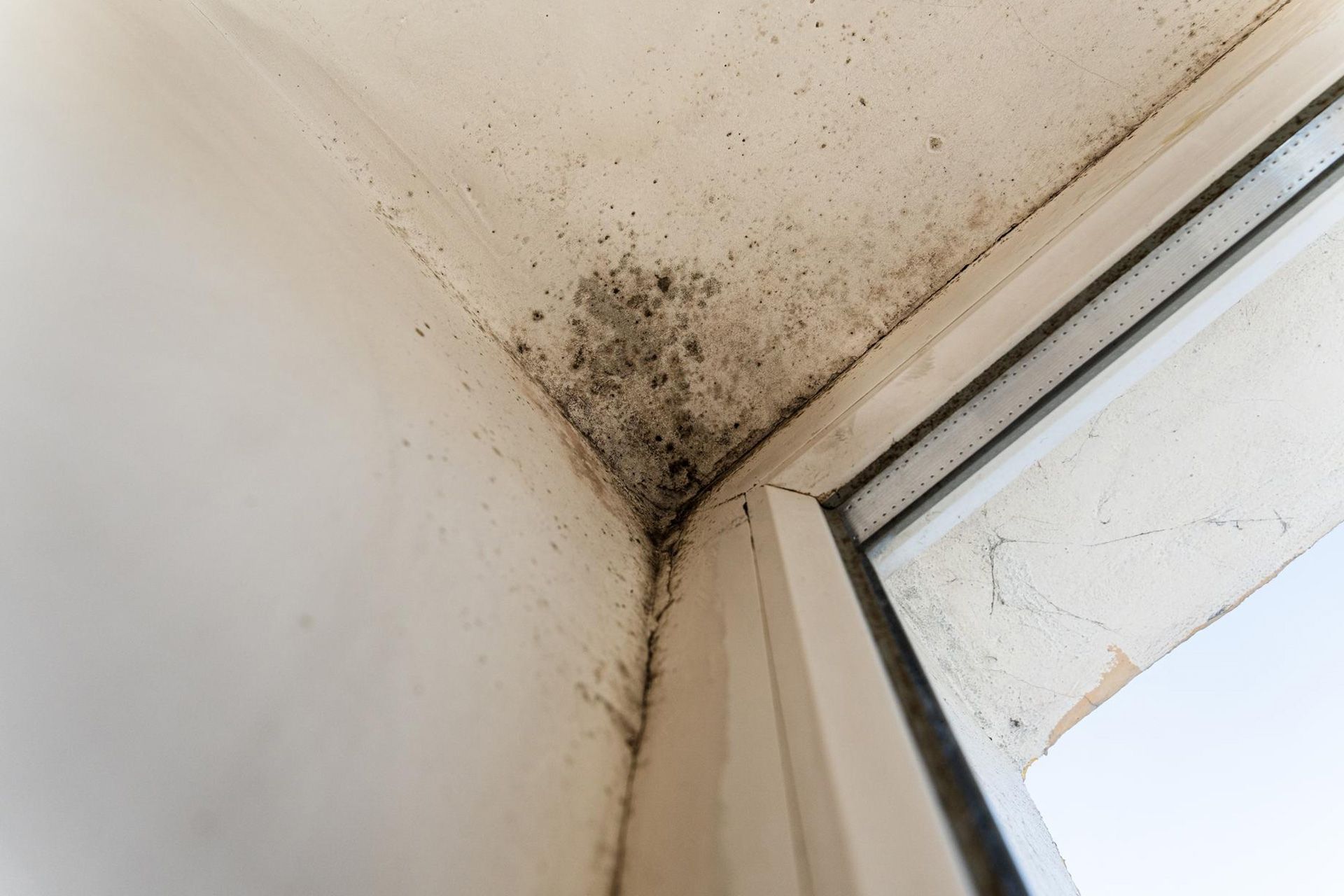
For example, a photo of a water stain may help you determine whether the concern is near a roof area, a plumbing fixture, or an exterior wall. A picture of an electrical panel may show missing labels, improper wiring, or signs of overheating.
Photos help turn technical notes into real, visible information.
Separate Safety, Repair, And Maintenance Items
Not every finding has the same level of urgency. One of the best ways to read the report like a pro is to group findings into simple categories.
Safety items should receive close attention because they may affect people living in the property. Examples may include exposed wiring, missing smoke alarms, loose guardrails, or trip hazards.
Repair items are defects that may need correction to restore proper function. These could include leaks, damaged roofing materials, nonworking outlets, or broken fixtures.
Maintenance items may not be urgent, but they still matter. These can include cleaning gutters, sealing gaps, trimming vegetation, changing filters, or monitoring minor cracks. Over time, maintenance helps prevent bigger problems.
Know When To Ask For Specialist Help
A home inspector reviews many systems, but some findings may require a licensed specialist. This is common and does not always indicate a severe issue.
For example, an inspector may recommend that a licensed electrician review unsafe panel conditions. A plumber may be needed for active leaks or drainage concerns. A roofing contractor may be needed when roof damage is beyond the scope of a visual inspection.
A good home inspection report should clearly explain when further evaluation is recommended. Buyers and owners should take those recommendations seriously, especially when safety, structure, moisture, or major systems are involved.
Avoid These Common Reading Mistakes
Many people make the same mistakes when reviewing their report. Avoiding these errors can help you get more value from the document.
- Reading only the summary: The summary is important, but it may not include every detail. Read the full report so you understand all findings, photos, and maintenance notes.
- Treating every issue as major: Most homes have findings. Some are minor, some are moderate, and some need quick attention. Focus on the condition, severity, and recommended next step.
- Ignoring maintenance notes: Maintenance items may seem small, but they can protect the property over time. Simple upkeep can help reduce moisture damage, wear, and the need for future repairs.
- Not asking questions: If something is unclear, ask the inspector. A clear explanation can help you understand whether an item is routine, serious, or worth further review.
How Buyers Should Use The Report Before Closing
For buyers, the report is a decision-making tool. It helps you understand the property's condition before the transaction is complete.
After reading the home inspection report, make a list of the most important concerns. Focus first on safety issues, major defects, active leaks, damaged systems, and items that need specialist evaluation. Then review maintenance items and smaller repairs.
Share the report with your real estate agent if you are in the process of purchasing a property.
Your agent can help you understand how the findings may fit into your next steps. The inspector can explain technical details, but your agent can help with transaction-related questions.
How Homeowners Can Use The Report After Moving In
The report remains useful after closing. It can become a maintenance guide for your new home.
Use it to create a simple priority list. Address safety concerns first, then repair items, then routine maintenance. Keep the report saved so you can refer to it when planning updates or calling contractors.
A home inspection report can also help you track changes over time. If a minor crack, stain, or drainage issue is noted, you can monitor whether it remains the same or worsens.
What A Good Report Should Provide
A strong report should be clear, organized, and easy to follow. It should explain findings in simple language and include photos when helpful.
The best reports do more than list problems. They help you understand where the issue is, why it matters, and what the next step may be.
When reading your report, look for clear labels, useful comments, and practical recommendations. If the report is unclear or poorly written, ask the inspection company to explain the findings. Good communication is part of a helpful inspection experience.
Conclusion
Learning how to read a home inspection report gives buyers and homeowners more control over the decision-making process. The report helps you understand safety concerns, required repairs and maintenance, and areas that may require specialist review.
Do not rush through it or rely only on memory from the walkthrough. Read the full report, study the photos, ask questions, and use the findings to make a clear plan.
At Green Valley Inspections, we provide detailed reports that help buyers and homeowners understand a property's condition in plain language. Our team focuses on clear findings, useful photos, and practical recommendations so you can move forward with confidence.
Schedule your inspection today and get the clear information you need before making your next property decision.
Frequently Asked Questions
Do I need to read the full inspection report?
Yes. The summary is helpful, but the full report includes photos, notes, maintenance items, and details that may not appear in the summary.
What should I look at first in the report?
Start with safety concerns, major defects, active leaks, electrical issues, roof concerns, plumbing problems, and items that need further evaluation.
Does every finding mean the home is in bad condition?
No. Most homes have findings. Some are routine maintenance items, while others may need repair or specialist review.
Can I ask the inspector questions after receiving the report?
Yes. If something is unclear, ask the inspector to explain the finding, location, concern level, and recommended next step.
How should I use the report after buying the home?
Use it as a maintenance guide. Address safety items first, then repairs, then routine upkeep that can help protect the home over time.
Disclaimer: The information on this website and blog is for general informational purposes only and is not professional advice. We make no guarantees of accuracy or completeness. We disclaim all liability for errors, omissions, or reliance on this content. Always consult a qualified professional for specific guidance.
Search
Certification
Green Valley Inspections is InterNACHI Certified, a Certified Master Inspector, and CCPIA-certified, demonstrating advanced training, extensive experience, professional ethics, and expertise in residential and commercial property inspections across Southern California.
Social Media
Google Reviews

5-star ratings from 440+ clients across Southern California.
Contact Us
Recent Post




Service Areas
We offer home inspection services throughout the following counties: