
How Much Do Home Inspections Cost in California? A Complete Price Guide for Buyers
Buying a home is exciting, but it comes with important decisions before closing. One common question buyers ask is: How much do home inspections cost? The answer depends on the property, the inspection scope, and any added services needed.
In California, a small condo, a larger single-family home, and an older house with repair history will not have the same fee. The average home inspection cost is usually based on the home's size, age, condition, location, and the time required to complete the report.
This guide explains what affects inspection costs and how buyers can compare value.
What Is Usually Included in a Standard Inspection?
A standard property inspection is a visual review of the home’s accessible systems and components. The inspector checks major areas and documents visible concerns in a written report.
Most inspections include the roof, attic, foundation, structure, plumbing, electrical system, heating and cooling equipment, doors, windows, interior rooms, exterior features, and visible safety concerns.
An inspection does not open walls or guarantee that every hidden issue will be found. Instead, it identifies visible defects and items that may need repair, maintenance, or further evaluation.
Average Cost Range Buyers Should Know
Smaller condos or simple homes may be toward the lower end, while larger or older homes may be toward the higher end.
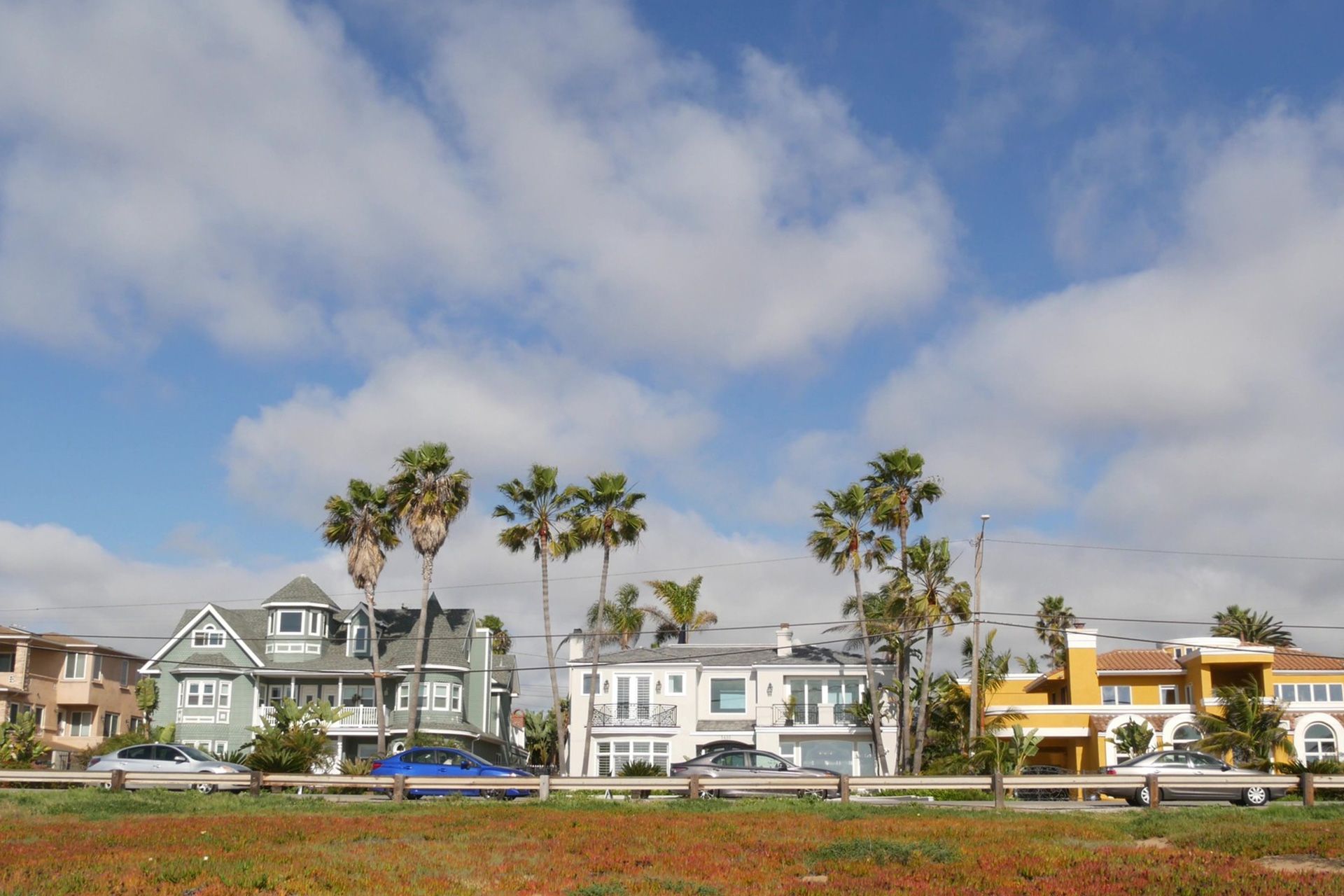
Some coastal markets, high-value neighborhoods, and larger properties may cost more because the inspection can take longer and require more detailed reporting. In inland areas, the home inspection price may be more moderate, but the final number still depends on the property itself.
National averages can help, but local market conditions, travel time, home size, and inspection scope can all affect the final fee.
What Affects the Final Inspection Cost?
Several factors can change the total cost of an inspection. Understanding these details helps buyers compare quotes more fairly.
- Property size: Larger homes take more time to inspect. More rooms, systems, attic space, roof areas, and exterior features usually mean a longer appointment and a more detailed report.
- Property age: Older homes may have aging electrical systems, older plumbing, past repairs, or additions. Inspectors may need more time to document visible concerns and explain maintenance needs.
- Property type: A condo, townhouse, single-family home, or multi-unit property can all require different levels of inspection. Detached homes often involve more exterior, attic, and roof review.
- Property condition: A well-maintained home may be easier to review than one with visible damage, deferred maintenance, or complex repair history. More findings often require more documentation.
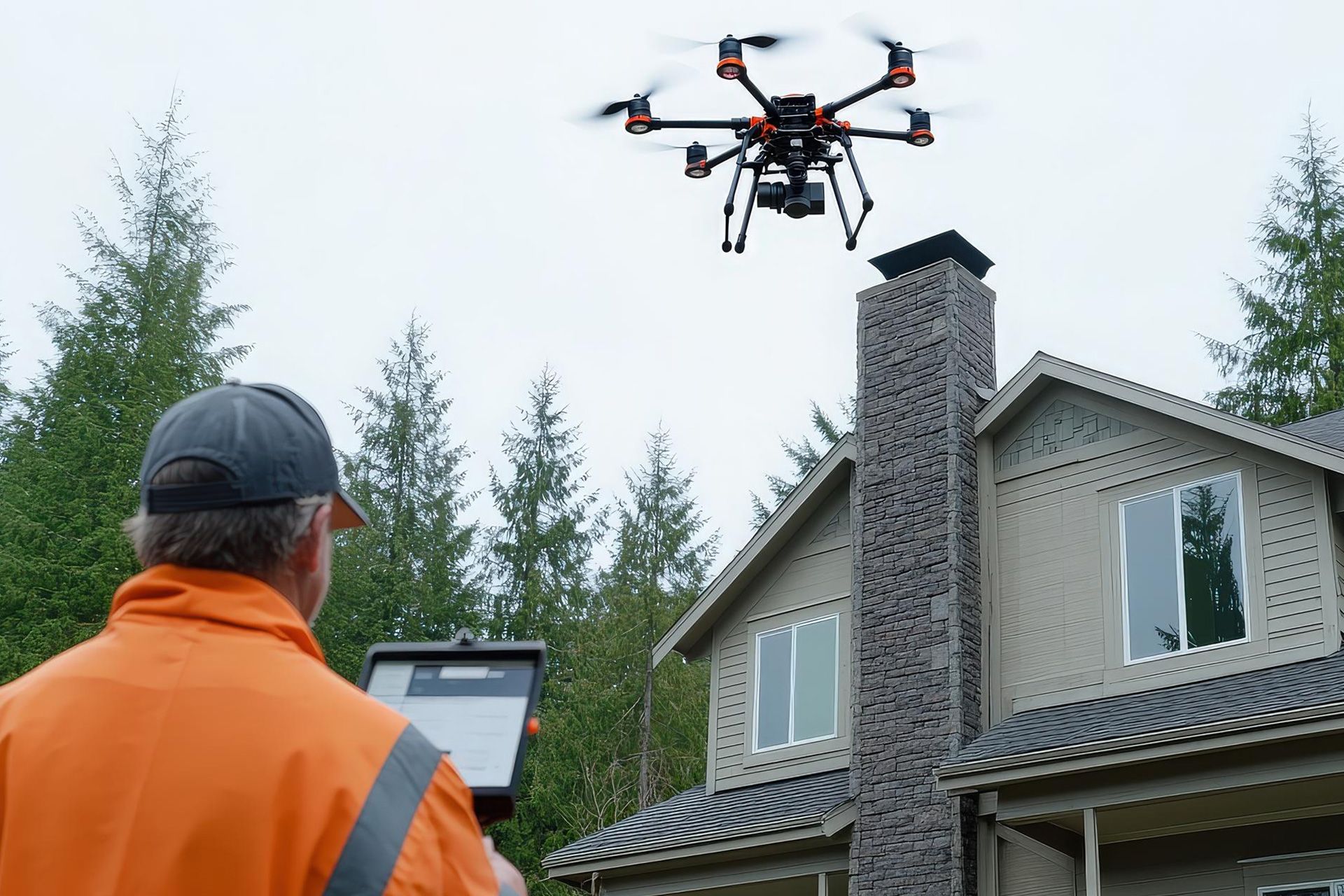
- Added services: Sewer scope, mold testing, termite review, roof evaluation, thermal imaging, and other specialty services can change the total because they involve extra tools, time, or reporting.
Why the Cheapest Inspection Is Not Always the Best Value
It is normal to compare prices when buying a home. However, the lowest home inspection price is not always the smartest choice.
A strong inspection report can help you understand the condition of major systems, ask better questions, and prepare for future maintenance. A rushed or unclear report may leave you more confused at a time when clarity matters.
Buyers should look at experience, report quality, communication, and available specialty services. The right inspector should explain findings in plain language and help you understand which concerns are urgent, which are routine, and which may need further review.
The average home inspection cost should be viewed as part of the buying process, not just another closing expense.
Specialty Services That May Affect the Total
Some homes need more than a standard inspection. Specialty services can provide a deeper look at concerns that may not be fully covered in a general review.
- Sewer line inspection: This can help identify blockages, root intrusion, pipe damage, or drainage concerns.
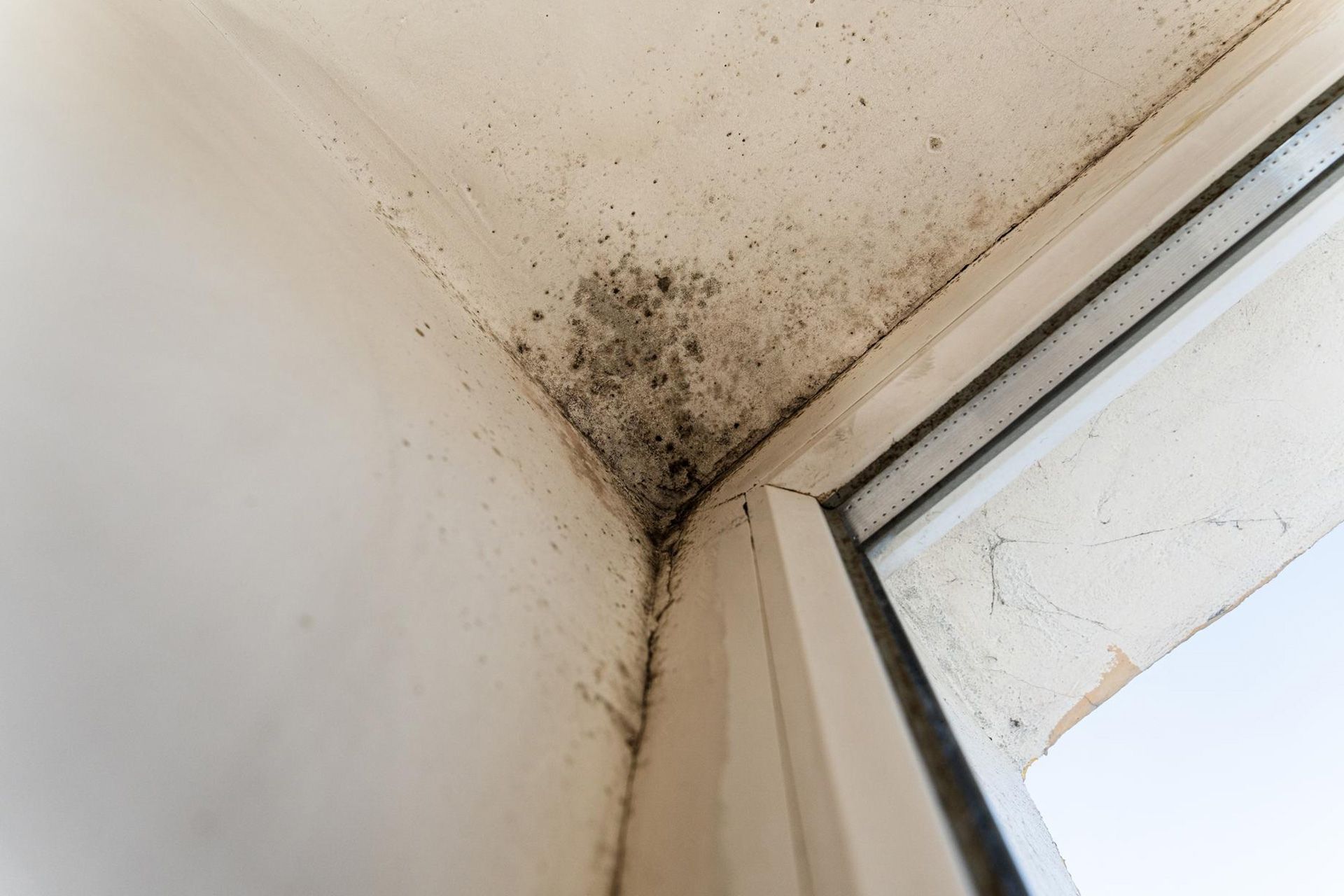
- Mold inspection: This may be useful when there are musty odors, stains, past water damage, or moisture concerns.
- Termite inspection: Wood-destroying insects can damage structural materials, so buyers may want this inspection when signs of risk are present.
- Thermal imaging: This tool can help identify temperature differences that may indicate moisture, missing insulation, or other issues.
- Roof evaluation: A closer review may help when the roof is older, has been recently repaired, or shows visible wear.
Not every buyer needs every added service. The best choice depends on the property’s age, visible condition, and known concerns.
Who Usually Pays for the Inspection?
In most California real estate purchases, the buyer usually pays for the inspection because it is ordered for the buyer’s benefit. The report helps the buyer better understand the property's condition before closing.
Some sellers choose to order a pre-listing inspection before putting a property on the market. This can help them identify issues earlier and give potential buyers more information.
Buyers should confirm payment details with their real estate agent and inspection company before scheduling. This helps avoid confusion about what is included.
Questions to Ask Before Scheduling
Before choosing an inspection company, ask questions that help you compare value, not only the average home inspection cost.
You may ask:
- What areas are included in the standard inspection?
- Do you offer sewer, mold, termite, roof, or thermal imaging services?
- How soon will I receive the report?
- Will the report include photos and clear explanations?
- Can I attend the inspection and ask questions?
Conclusion
Instead of focusing only on the lowest price, buyers should look for clear reporting, strong communication, and services that match the property’s needs. A quality inspection can help you understand visible issues, plan future maintenance, and move forward with more confidence.
At Green Valley Home Inspections, we provide detailed residential inspections and specialty services, including sewer, mold, termite, roof, thermal imaging, and new construction inspections. Our team helps California buyers understand the property before making one of life’s biggest decisions.
Schedule your inspection today and make your next home purchase with greater confidence.
Frequently Asked Questions
What is the average home inspection cost for buyers?
The average inspection cost often depends on the property’s size, age, location, and condition. Specialty services may also change the final total.
Why do larger homes usually cost more to inspect?
Larger homes take more time because the inspector must review more rooms, systems, roof areas, exterior features, and accessible spaces.
Is a condo inspection different from a house inspection?
Yes. Condos may have fewer exterior areas to inspect, while detached homes often include more roof, attic, foundation, and exterior components.
Should buyers choose the lowest inspection quote?
Not always. Buyers should consider experience, report quality, communication, and available services. A cheaper inspection may not provide the detail needed for an informed decision.
Can specialty inspections affect the final cost?
Yes. Services such as sewer, mold, termite, and roof inspections may increase the total because they require additional time, tools, and reporting.
Disclaimer: The information on this website and blog is for general informational purposes only and is not professional advice. We make no guarantees of accuracy or completeness. We disclaim all liability for errors, omissions, or reliance on this content. Always consult a qualified professional for specific guidance.
Search
Certification
Green Valley Inspections is InterNACHI Certified, a Certified Master Inspector, and CCPIA-certified, demonstrating advanced training, extensive experience, professional ethics, and expertise in residential and commercial property inspections across Southern California.
Social Media
Google Reviews

5-star ratings from 440+ clients across Southern California.
Contact Us
Recent Post


Service Areas
We offer home inspection services throughout the following counties: