
What Is CPVC? Important Facts Every Homeowner Should Know
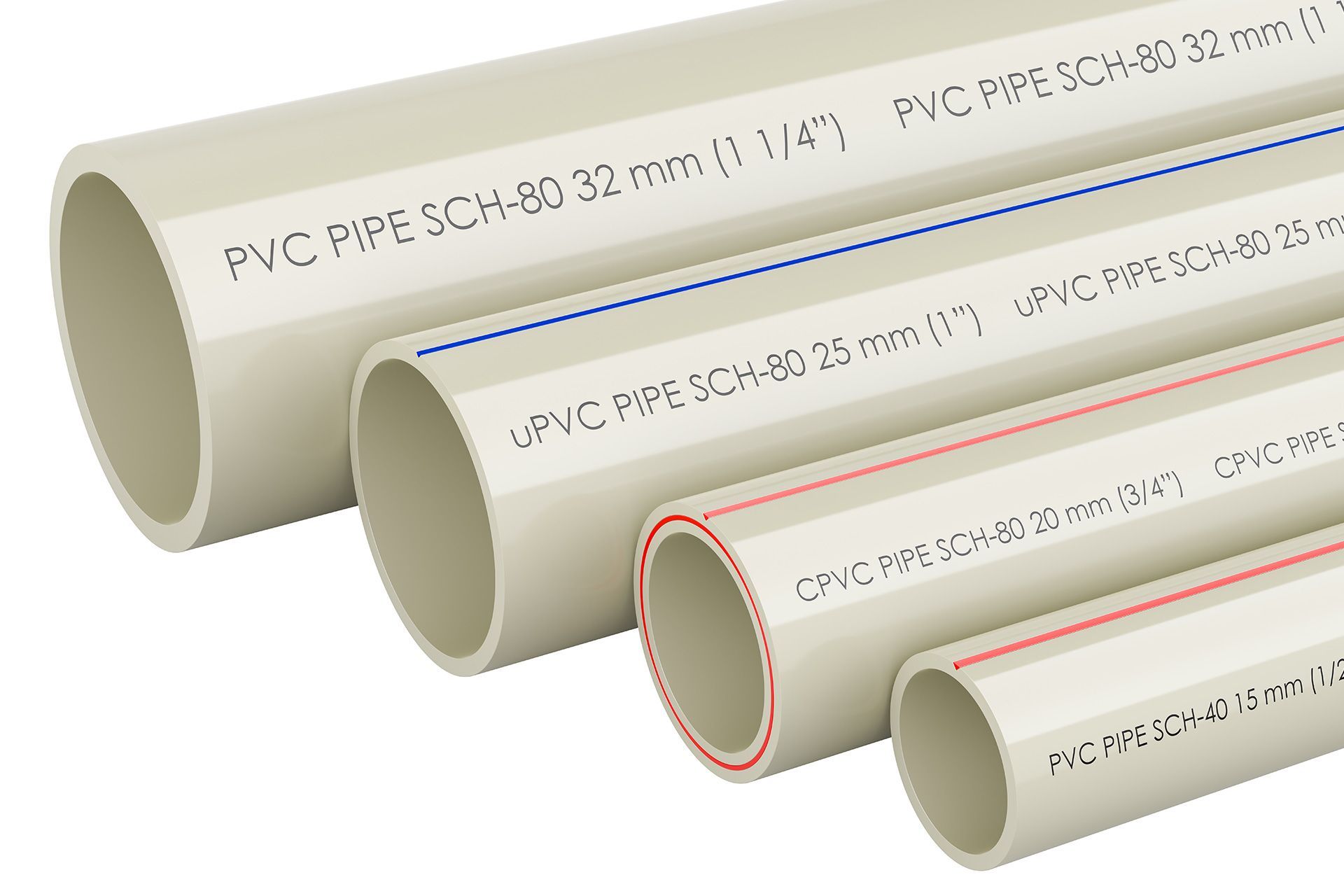
If you have looked under a sink, near a water heater, or inside a utility area, you may have seen cream-colored plastic water pipes running through your home. Those pipes may be CPVC.
CPVC stands for chlorinated polyvinyl chloride. It is a plastic piping material commonly used to distribute hot and cold water in residential and commercial buildings. ASTM maintains a standard specifically covering CPVC hot and cold water distribution systems, including piping, fittings, and joining materials.
Homeowners sometimes become concerned when an inspection report identifies this type of plumbing. However, simply having this material in a home does not automatically mean the plumbing is defective or needs replacement.
What matters more is the condition of the piping, how it was installed, whether the connections are secure, and whether there are visible signs of leakage or damage.
Here is what homeowners and buyers should understand about this common plumbing material.
What Is CPVC?
To answer what is CPVC, it helps to start with PVC.
PVC stands for polyvinyl chloride. CPVC is made from PVC resin that goes through an additional chlorination process. That change allows the material to handle higher water temperatures than standard PVC used in many other applications.
In homes, the piping is commonly used for:
- Hot water supply lines
- Cold water supply lines
- Connections to plumbing fixtures
- Water heater distribution piping
- Residential water distribution systems
ASTM D2846/D2846M-24 covers CPVC components used in hot and cold water distribution systems at temperatures up to 180°F.
This makes it different from many types of standard PVC piping that homeowners commonly see in drainage, irrigation, or other applications.
How Can You Recognize CPVC Plumbing?
Homeowners should not identify plumbing material based only on color, but there are several clues.
Residential CPVC water supply piping is commonly:
- Cream, tan, or light yellow in appearance
- Rigid rather than flexible
- Smaller in diameter than many drainpipes
- Connected with molded plastic fittings
- Marked along the side with manufacturer and material information
Printed markings on the pipe are one of the better ways to determine the material.
If you are unsure what type of plumbing is installed in a home, avoid making assumptions based on appearance alone. A professional home inspection can identify visible plumbing materials and document conditions that deserve attention.
What Are CPVC Fittings?
CPVC fittings connect sections of piping and allow the plumbing system to change direction, branch into additional lines, connect to fixtures, or transition to another material.
Common fittings include:
- Elbows
- Tees
- Couplings
- Adapters
- Unions
- Caps
- Valves
- Transition fittings
For example, an elbow changes the direction of a pipe, while a tee creates a branch for another water line.
Many connections are made using an approved solvent cement. This is more than simply applying ordinary glue. The solvent process softens the joining surfaces so the fitting and pipe can bond together when installed according to the system requirements. Manufacturer guidance also calls for appropriate CPVC solvent cement that meets applicable standards.
Good installation is important. Poorly prepared joints, damaged fittings, improper materials, or excessive stress at connections can create plumbing concerns regardless of the piping material being used.
What Is the Difference Between PVC and CPVC?
The difference between PVC and CPVC is important because homeowners sometimes use the names interchangeably.
They are related materials, but they are not the same.
Temperature Capability
One of the biggest differences involves temperature.
CPVC is manufactured for higher-temperature applications and is commonly used for both hot and cold potable water distribution. The current ASTM residential hot and cold water standard covers qualifying systems up to 180°F.
Standard PVC is more commonly associated with applications such as drainage, irrigation, and other uses depending on the specific product and local requirements.
Typical Residential Use
Inside a home, you may find the chlorinated material serving sinks, showers, toilets, tubs, washing machines, and other fixtures.
PVC is commonly seen in drain, waste, vent, irrigation, and other piping applications.
The exact application still depends on the pipe specifications and local construction requirements.
Appearance
The two materials may also look different.
Standard PVC is frequently white, while residential chlorinated water pipe is commonly cream or tan.
Color alone should never be treated as a reliable technical identification. Check the markings printed on the pipe.
Joining Materials
Both systems may use solvent-welded connections, but installers need materials designed and approved for the particular piping system.
Manufacturer guidance specifically warns against relying on PVC solvent cement for CPVC applications because the products have different service requirements.
For homeowners, the main lesson is simple: similar-looking plastic pipes are not automatically interchangeable.
Is CPVC Bad Plumbing?
No. The presence of this material alone does not mean a home has bad plumbing.
It is a recognized plumbing material used in hot and cold water distribution systems. ASTM maintains specifications covering these systems, and manufacturers produce piping specifically designed for residential water distribution.
The more useful question is:
What condition is the plumbing system in today?
Home inspectors are concerned with visible conditions such as leakage, physical damage, poor support, questionable connections, deterioration, or installation concerns.
A well-installed system that is performing normally should not automatically be reported as defective simply because of the material.
Likewise, a recognized plumbing material should not be ignored when there are visible signs of damage.
Condition matters.
What Problems Should Homeowners Watch For?
Like copper, PEX, galvanized steel, and other plumbing materials, plastic water piping can develop problems.
Homeowners should pay attention to several visible warning signs.
Active Leaks
Water around a pipe, fitting, valve, or fixture connection deserves investigation.
Even a slow leak can eventually affect cabinets, drywall, flooring, framing, insulation, or other nearby materials.
Watch for:
- Damp areas
- Water stains
- Dripping connections
- Swollen cabinet materials
- Peeling finishes
- Moisture below fixtures
A leak should be evaluated based on its cause rather than assuming the entire piping system needs replacement.
Damaged or Cracked Pipe
Visible cracking or physical damage deserves attention.
Plastic pipe can be damaged by improper handling, impact, construction work, or other physical forces. Manufacturer installation guidance recommends inspecting pipe for damage before it is installed.
Homeowners should also be careful when working around existing plumbing.
Do not use supply piping as a support for stored objects or pull on it while making unrelated repairs.
Problems Around Fittings
Connections deserve close attention because many plumbing systems contain numerous elbows, tees, valves, and transitions.
Possible concerns include:
- Visible leakage
- Cracked fittings
- Stressed connections
- Improper transitions
- Poor alignment
- Evidence of previous repairs
Not every stained fitting is actively leaking, but staining or mineral deposits may suggest that moisture has been present.
Improper Support
Water piping needs appropriate support.
A poorly supported line may sag, move excessively, or place unnecessary force on fittings and connections.
During an inspection, accessible piping may be reviewed for visible support and installation concerns.
Questionable Repairs
Homeowners sometimes make temporary plumbing repairs using tape, sealants, clamps, or other materials.
A temporary patch may stop visible dripping for a short time, but it does not necessarily represent a proper permanent repair.
Unusual repairs should be evaluated so homeowners understand what was done and whether additional work is appropriate.
Can CPVC Become Brittle?
Homeowners frequently hear that this type of piping becomes brittle with age.
The issue deserves more context than simply saying that every older pipe will fail.
Plastic piping can be affected by factors including installation practices, physical damage, operating conditions, incompatible materials, and environmental exposure. Even manufacturer guidance emphasizes proper handling, storage, material compatibility, and installation.
A home inspector cannot normally determine the remaining service life of concealed water piping simply by looking at one exposed section.
Instead, the inspection focuses on visible evidence.
If an accessible pipe appears damaged, cracked, leaking, improperly supported, or otherwise concerning, the condition should be reported and further evaluation may be recommended.
Homeowners should avoid intentionally bending, striking, twisting, or testing older piping themselves to see whether it feels brittle. Doing so could damage a line that was previously intact.
Chemical Compatibility Matters
Another issue homeowners may not think about is contact with other products.
Certain sealants, lubricants, thread compounds, fire-stopping products, or chemicals may not be suitable for every plastic piping system.
Manufacturer guidance specifically recommends checking compatibility before using paste-type thread compounds because some products can contain solvents that are unsuitable for CPVC.
This is especially important during:
- Plumbing repairs
- Remodeling
- Painting
- Pest-control work
- Fire-stopping installation
- Mechanical work
If work is being performed near the plumbing system, contractors should follow the pipe manufacturer's compatibility recommendations.
Can CPVC Be Used for Hot Water?
Yes, when the specific piping system is listed and installed for that application.
That is one of the important distinctions homeowners should understand when comparing it with standard PVC.
ASTM's current specification for this type of residential water distribution system includes hot and cold water applications up to 180°F.
That does not mean every plastic pipe can handle the same conditions.
Pipe markings, manufacturer requirements, temperature ratings, pressure ratings, fittings, and installation methods all matter.
Should You Replace CPVC Just Because You Find It?
Not automatically.
A recommendation to replace an entire plumbing system should be based on actual conditions and professional evaluation, not fear generated by the name of the material alone.
If the plumbing is visible and accessible, look for evidence such as:
- Active leaks
- Repeated repairs
- Cracked components
- Damaged fittings
- Improper support
- Significant deterioration
- Installation concerns
If widespread problems exist, a licensed plumber can evaluate the system and discuss appropriate repair or replacement options.
For home buyers, this distinction is especially important. Finding CPVC on an inspection report should prompt you to read the actual observations instead of assuming the material itself is a defect.
What Does a Home Inspector Check?
A standard home inspection is visual and non-invasive.
Green Valley Inspections states that its plumbing inspection covers visible and accessible components, including water supply lines, drain and waste systems, water heaters, fixtures, and faucets.
When visible plastic supply piping is present, an inspector may identify conditions such as:
- Leaks
- Visible pipe damage
- Connection concerns
- Improper support
- Corrosion at connected metal components
- Water heater connection issues
- Previous repairs
- Functional plumbing concerns
The inspector does not open walls simply to determine what type of piping is concealed behind finished surfaces.
This limitation matters because much of a home's water distribution system may be located inside walls, ceilings, floors, or other inaccessible areas.
What Should Home Buyers Do If CPVC Is Found?
First, do not panic.
Read the plumbing section of the inspection report and focus on the actual findings.
Ask questions such as:
- Were any active leaks found?
- Were damaged pipes or fittings visible?
- Were previous repairs observed?
- Were there signs of water damage?
- Was the piping adequately supported where visible?
- Were there concerns near the water heater?
- Is further plumbing evaluation recommended?
If the inspector identifies significant problems, a licensed plumber can perform a more specialized evaluation.
It may also be helpful to ask the seller about previous leaks, repairs, or plumbing work. Documentation can provide additional history, although it does not replace the current inspection.
CPVC in Southern California Homes
Southern California contains homes built across many different periods, so inspectors encounter a wide range of plumbing materials.
A single property may even contain several types because sections were repaired or remodeled at different times.
For example, a house could contain copper in one area, plastic water lines in an addition, and different materials in the drain system.
That is why a home inspection should evaluate the plumbing system as a whole rather than focusing on one material name.
Accessible supply lines, fixtures, drains, the water heater, visible connections, and evidence of leakage all provide important information about the current condition of the property.
Understand the Plumbing, Not Just the Pipe Material
CPVC is a recognized plastic piping material designed for applications that include residential hot and cold water distribution. Finding it in a home does not automatically mean the plumbing system is defective.
Homeowners should focus on condition and installation.
Look for leaks, damaged piping, questionable fittings, poor support, previous repairs, and other visible concerns. If a significant problem is identified, a licensed plumbing professional can provide further evaluation and repair recommendations.
If you are buying or maintaining a home in Southern California, Green Valley Inspections evaluates visible and accessible plumbing components as part of a detailed home inspection. Our inspections can help identify leaks, damaged materials, installation concerns, and other conditions that deserve attention. Contact Green Valley Inspections to schedule your professional home inspection and better understand the systems inside your property.
Frequently Asked Questions
What is CPVC used for in a house?
It is commonly used for hot and cold water distribution lines that supply plumbing fixtures such as sinks, showers, tubs, toilets, and appliances. The specific pipe should always be used according to its listed application and manufacturer requirements.
What is the difference between PVC and CPVC?
The materials are related, but CPVC is chlorinated to provide different performance characteristics, including greater temperature capability. In residential construction, it is commonly used for hot and cold water supply lines, while PVC is frequently used for drainage, irrigation, and other applications.
Are CPVC fittings likely to leak?
Properly installed fittings are designed to create secure connections. However, leaks can occur because of damage, improper installation, stress, repairs, or other conditions. Visible leaking around any fitting should be evaluated.
Does CPVC plumbing need to be replaced?
Not simply because the material is present. Replacement decisions should be based on the actual condition of the plumbing, history of problems, visible damage, leakage, and evaluation by an appropriate professional.
Can a home inspector identify CPVC pipes?
An inspector can generally identify visible and accessible plumbing materials and report observable defects. Pipes concealed inside walls, floors, or ceilings are outside the normal scope of a visual inspection.
Can CPVC be connected to other plumbing materials?
Transitions between piping materials are possible when proper approved fittings and installation methods are used. Improvised connections or incompatible materials may create problems and should be evaluated.
Should home buyers worry when an inspection report mentions CPVC?
The material name alone should not be the main concern. Buyers should review whether the inspector found leaks, damaged piping, installation problems, previous repairs, or other visible defects and follow any recommendations for further evaluation.
Disclaimer: The information on this website and blog is for general informational purposes only and is not professional advice. We make no guarantees of accuracy or completeness. We disclaim all liability for errors, omissions, or reliance on this content. Always consult a qualified professional for specific guidance.
Search
Certification
Green Valley Inspections is InterNACHI Certified, a Certified Master Inspector, and CCPIA-certified, demonstrating advanced training, extensive experience, professional ethics, and expertise in residential and commercial property inspections across Southern California.



Social Media
Google Reviews

5-star ratings from 440+ clients across Southern California.
Contact Us
Recent Post



Service Areas
We offer home inspection services throughout the following counties: