
Certified Mold Inspection in California: What Homeowners Need To Know Before Hiring A Professional

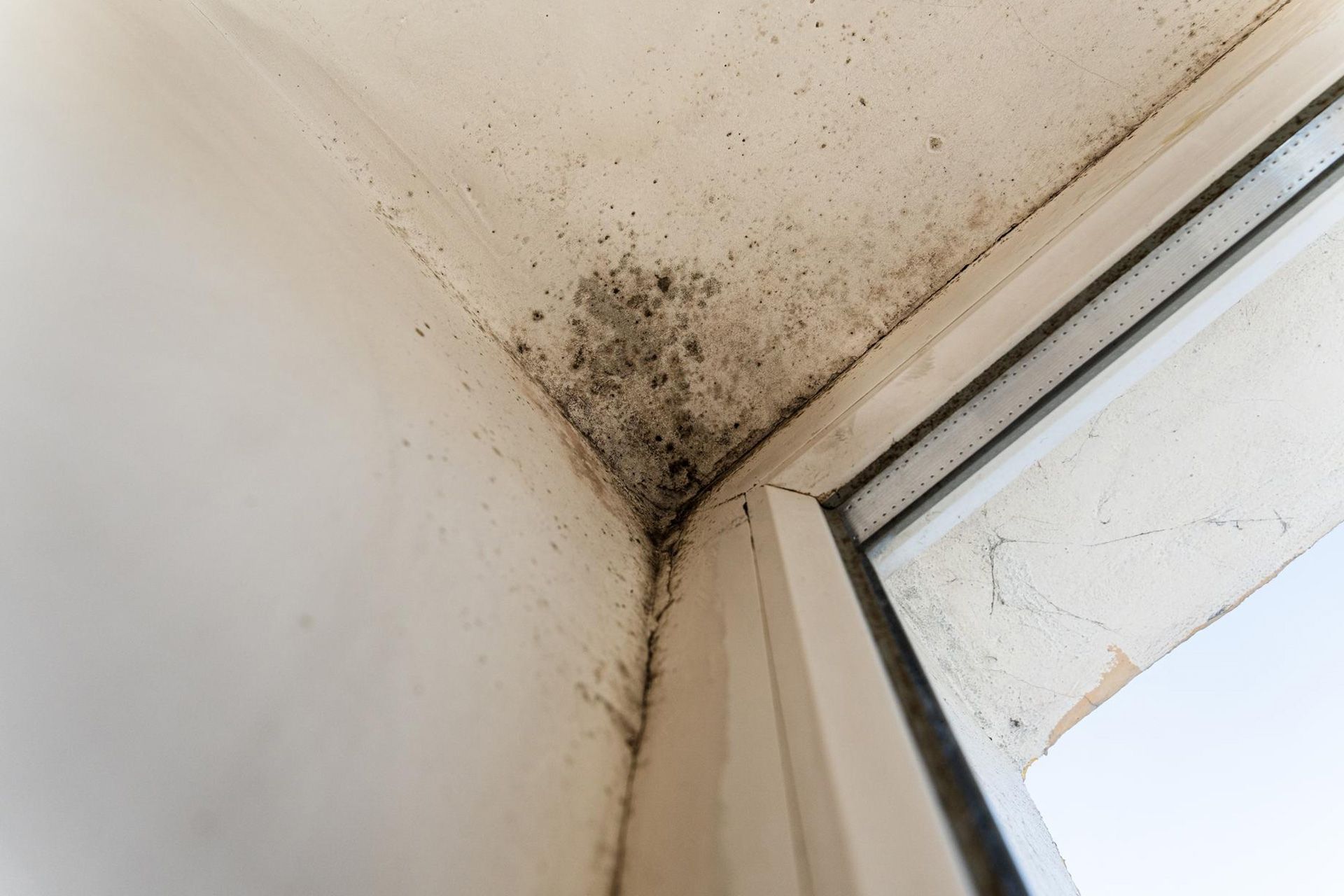
Mold can create stress for any homeowner. It may appear as dark spots on walls, a musty smell in a bathroom, or stains near a ceiling leak. Sometimes, the problem is easy to see. Other times, mold grows behind walls, under flooring, or in areas with hidden moisture.
This is why a certified mold inspection can be helpful when you suspect a deeper issue. A trained professional can look for moisture sources, visible growth, and conditions that allow mold to spread.
Before hiring someone, homeowners should understand what mold inspectors do, what certification means, and how to choose a professional who explains findings clearly.
Why Mold Problems Should Be Taken Seriously
Mold needs moisture to grow. A roof leak, plumbing leak, poor ventilation, or past water damage can all create the right conditions. Once moisture remains in place, mold can spread across drywall, wood, insulation, or other building materials.
Some homeowners try to clean the visible area without fixing the cause. That may work for small surface growth, but it will not solve a hidden moisture problem. If the source remains, the mold can return.
A professional evaluation helps homeowners understand whether they are dealing with a minor surface issue or a larger concern that needs further action.
What a Certified Mold Inspection Should Actually Mean
Not every state treats mold certification the same way. In California, there is currently no single state license required for mold inspectors. This means homeowners should look beyond the word certified and ask what training, standards, tools, and reporting process the inspector uses.
A qualified mold professional should be able to explain their background in simple terms. They should understand moisture behavior, common mold growth areas, inspection methods, and when lab testing may or may not be useful.
Certification from a recognized training organization can show that the inspector has completed mold-related education. However, homeowners should still check experience, reviews, sample reports, and how clearly the inspector communicates.
Why California Homes Can Face Mold Concerns
California has many different climates, from coastal areas with marine moisture to inland areas with dry heat and seasonal rain. Mold can still become a problem in any region when moisture is trapped indoors.
Common causes include leaking roofs, plumbing failures, poorly ventilated bathrooms, slab leaks, window condensation, and water intrusion after storms. Learning about the hidden habits that fuel mold growth can help homeowners identify everyday conditions that allow moisture to build up indoors. Homes near the coast may also deal with higher humidity, while older properties may have hidden leaks or past repairs.
Because mold depends on moisture, the most important part of any inspection is finding where the water is coming from.
When a Certified Mold Inspection Makes Sense
Not every small spot needs a full evaluation. However, homeowners should consider hiring a mold professional when signs point to a larger or hidden problem. Learning how to save money with an early mold inspection can help homeowners address problems before they become more serious.
An inspection may be useful if you notice a musty odor that does not go away. Smell can sometimes point to hidden growth behind walls, under flooring, or inside areas that are not easy to access.
You should also consider help after leaks, flooding, roof damage, or plumbing problems. Mold can begin growing when damp materials remain wet for too long.
Another reason to call a professional is recurring mold. If you clean the same area again and again, the real issue may be moisture, ventilation, or hidden water damage.
What Happens During a Certified Mold Inspection
A professional inspection usually begins with a conversation about the home. The inspector may ask about leaks, past water damage, odors, visible stains, recent repairs, and areas where mold has returned.
Next, the inspector performs a visual review of the property. This may include bathrooms, kitchens, laundry rooms, attics, crawl spaces, walls near plumbing, ceilings, windows, and areas with poor airflow.
Inspectors may use tools such as moisture meters or thermal imaging to look for signs of hidden moisture. These tools do not “see mold” directly, but they can help identify damp areas that may support growth.
If testing is needed, samples may be collected and sent to a lab. Testing should be used when it adds value, such as when mold is suspected but not visible, or when documentation is needed.
What A Mold Inspector Should Check
A good inspector should focus on both visible mold and the conditions that caused it. Simply identifying a stain is not enough.
Important areas often include:
- Moisture sources: The inspector should look for leaks, condensation, poor drainage, and damp building materials. Mold control starts with moisture control, so this is one of the most important steps.
- Ventilation concerns: Bathrooms, laundry rooms, attics, and kitchens need proper airflow. Poor ventilation can trap moisture and allow mold to return after cleaning.
- Hidden problem areas: Inspectors may review areas behind appliances, under sinks, near windows, inside attics, or around previous repair locations. These spots are easy for homeowners to miss.
- Visible growth and staining: The inspector should document suspicious growth, water stains, discoloration, and damaged materials. Photos can help homeowners understand the findings.
- Conditions that need follow-up: If the inspector sees signs of a larger issue, they may recommend further evaluation, repairs, or professional remediation.
Mold Testing Is Not Always Required
Many homeowners assume every inspection must include air testing. That is not always true. If mold is clearly visible and the moisture source is known, the next step may be to fix the moisture issue and properly remove the affected materials.
Testing can be helpful in certain situations, such as hidden mold concerns, unclear odors, real estate transactions, or when documentation is needed. However, test results should be explained carefully. Numbers alone do not solve the problem.
A trustworthy home inspector should explain why testing is recommended or why it may not be necessary.
Red Flags To Watch For
Homeowners should be careful if a mold company makes extreme claims or uses scare tactics. Mold concerns should be taken seriously, but fear-based selling is not helpful.
Be cautious if someone promises to find every hidden issue, guarantees a mold-free home, or recommends expensive work before completing a proper inspection. Also be careful if the inspector cannot explain their process clearly.
Since California does not require a state mold inspector license, homeowners should choose carefully. Look for training, experience, clear reporting, honest communication, and a process focused on facts.
A professional should educate you, document findings, and help you understand practical next steps.
Conclusion
A certified mold inspection gives homeowners important information when mold, moisture, or musty odors become a concern. The best inspection does more than identify visible growth. It looks for moisture sources, documents conditions, explains findings, and helps homeowners decide what to do next.
At Green Valley Home Inspections, we help homeowners better understand mold-related concerns through detailed inspection services and clear reporting. Our team focuses on identifying visible issues, moisture concerns, and practical next steps so you can make informed decisions about your property.
Schedule your mold inspection today and get the clarity you need before the problem grows.
Frequently Asked Questions
Does California require mold inspectors to be certified?
California does not currently require a specific state license for mold inspectors. Homeowners should ask about training, experience, reporting methods, and professional standards before hiring someone.
Is mold testing always needed?
No. Testing is not always needed when visible mold and the moisture source are clear. Testing may help when mold is hidden, odors are unexplained, or documentation is needed.
What is the most important part of a mold inspection?
Finding the moisture source is the most important step. If the water problem is not fixed, mold can return even after cleaning.
Can mold hide behind walls?
Yes. Mold can grow behind walls, under flooring, inside cabinets, or near plumbing when moisture is trapped. Inspectors use visual clues and moisture tools to find possible problem areas.
What should I expect in the inspection report?
A good report should include photos, visible findings, moisture concerns, possible causes, areas inspected, and recommended next steps in clear language.
Search
Certification
Green Valley Inspections is InterNACHI Certified, a Certified Master Inspector, and CCPIA-certified, demonstrating advanced training, extensive experience, professional ethics, and expertise in residential and commercial property inspections across Southern California.
Social Media
Google Reviews

5-star ratings from 440+ clients across Southern California.
Contact Us
Recent Post




Service Areas
We offer home inspection services throughout the following counties: