The Complete Guide To Solar Panel System Inspection in Southern California
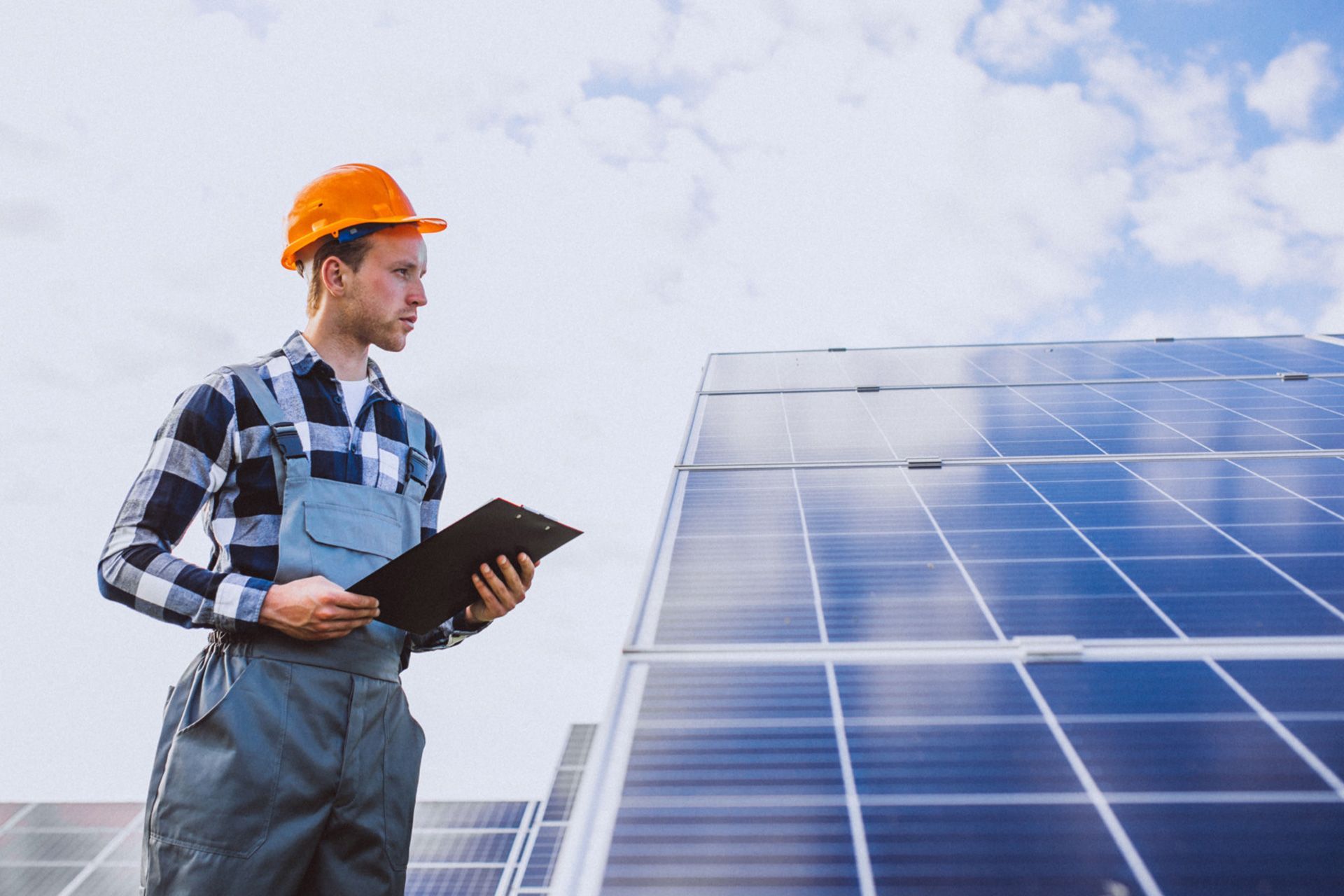
Solar panels can be a smart upgrade for many homeowners, especially in areas with strong sunlight and high energy use. But like any major home system, solar equipment should be checked for proper condition, safe installation, and visible wear over time.
A solar inspection helps homeowners better understand the condition of the panels, mounting, wiring, inverter, roof connections, and related components. This is especially useful when buying a home with solar, selling a property, or checking a system after years of use.
Why Solar Inspections Matter
Solar systems are installed outdoors and exposed to sun, wind, rain, dust, heat, and roof movement. Even a well-installed system can develop issues as materials age or as the roof and electrical components experience normal wear.
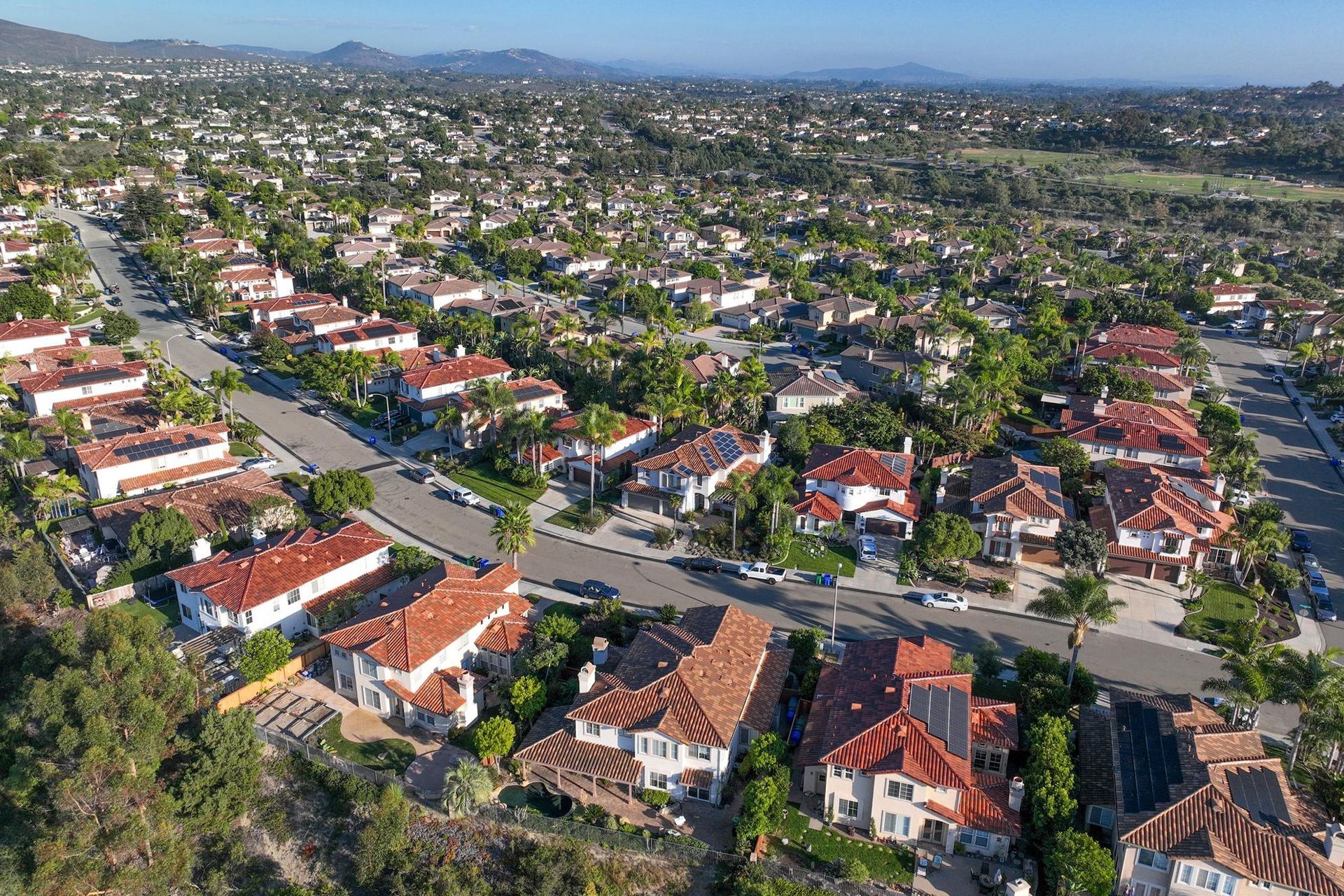
In Southern California, solar panels often face long periods of sunlight, warm temperatures, and seasonal weather changes. These conditions make it important to review both the visible solar equipment and the areas where the system connects to the home.
The inspection can identify visible concerns that may affect safety, condition, or maintenance planning. It also helps homeowners ask better questions when reviewing a property with an existing solar setup.
When Should Homeowners Schedule an Inspection?
A solar inspection can be useful in several situations. Many buyers schedule one before purchasing a home that already has rooftop panels. This helps them understand the visible condition of the system before closing.
Homeowners may also request an inspection after a major storm, roof repair, equipment issue, or long period without maintenance. If the inverter shows an error, the system appears damaged, or energy production suddenly changes, a closer review may be helpful.
A professional solar panel system inspection can also be valuable before selling a home or before a solar installation. Clear information about the roof and existing property conditions may help homeowners address concerns before installation and help buyers feel more informed during a transaction.
What Inspectors Look At During a Solar Review
A solar inspection focuses on the visible and accessible parts of the system. The exact scope can vary by property, but most reviews look at panels, mounting, wiring, inverter equipment, roof condition near the system, and basic safety concerns.
Solar Panels and Surface Condition
Inspectors look at the panels for cracks, damaged glass, loose frames, discoloration, visible hot spots, debris buildup, or signs of impact damage. Even small defects should be documented because they may affect performance or indicate stress on the panel.
They may also check whether the panels appear securely installed and properly aligned. Panels that look loose, shifted, or uneven may need further evaluation by a qualified solar professional.
Mounting and Roof Attachments
The mounting system holds the panels in place, so it must be stable and properly secured. Inspectors review visible rails, clamps, brackets, and roof attachment points where accessible.
They also look for signs of roof damage around mounting areas. Poor flashing, cracked sealant, lifted roofing materials, or water stains in nearby areas may suggest moisture concerns. Since roof penetrations must remain weather-tight, this part of the inspection is important.
Wiring and Conduit
Solar systems include wiring and conduit that carry electricity from the panels to other equipment. Inspectors look for visible damage, loose conduit, exposed wires, poor routing, missing support, or signs of wear. These concerns may also be identified during a broader electrical inspection of the home.
Wiring should be protected from weather, pests, and physical damage. If wiring appears damaged or unsafe, the report may recommend further review by a licensed electrical or solar professional.
Inverter and Electrical Equipment
The inverter is a key part of most solar systems because it converts energy from the panels into usable electricity for the home. Inspectors may review the inverter location, visible condition, labeling, access, and any displayed warning messages or error lights.
They may also look at disconnects, visible electrical connections, and related equipment. The report should document visible overheating, corrosion, damage, missing labels, blocked access, or other apparent installation concerns.
Roof Condition Around the System
A solar system sits on or near the roof, so roof condition matters. Inspectors may look for damaged roofing materials, poor drainage, debris buildup, or signs that the panels make roof access difficult.
This matters because roof problems can become harder to address once panels are installed. If a roof shows wear or damage, the homeowner may need a roof inspection before making solar-related decisions.
Common Problems Found During Inspections
Solar inspections may identify several visible installation, roof, and electrical concerns.
- Loose or damaged mounting hardware: This can affect how securely the panels remain attached to the roof. Any sign of movement should be reviewed promptly.
- Cracked or damaged panels: Impact damage, weather exposure, or stress can affect panel condition. Damaged panels should be documented and reviewed by a qualified solar technician.
- Poor wire protection: Exposed or unsupported wiring can create safety concerns. Wires should be routed and protected properly.
- Roof damage near attachments: Leaks can develop when flashing or seals fail. Inspectors look for signs that roof penetrations may not be properly protected.
- Inverter warnings: Error lights, unusual sounds, or visible damage may suggest the system needs professional service.
What Homeowners Can Do Before the Appointment
A little preparation can help the inspection go more smoothly.
Homeowners should make sure the inspector can access the electrical panel, inverter area, attic access if needed, and visible exterior equipment. They should also gather any solar documents they have, including installation records, permits, warranties, monitoring information, or service history.
If the system has shown error messages or reduced production, write those details down before the appointment. This helps the inspector understand what has been noticed and where closer attention may be needed.
Choosing the Right Inspection Company
Solar systems involve roofing, electrical, and property condition concerns. That is why homeowners should choose an inspection company that understands how these systems connect to the home as a whole.
Look for a company that provides clear reports, explains visible findings in simple terms, and documents concerns with photos. The inspector should also be clear about the limits of the inspection and when a licensed solar or electrical contractor should provide further evaluation.
A professional solar panel system inspection should help homeowners understand visible concerns, not confuse them with technical language.
Conclusion
Solar panels can add value and energy benefits, but they should not be ignored after installation. Panels, mounting systems, wiring, inverters, and roof connections all need attention over time.
At Green Valley Home Inspections, we provide detailed inspections that help homeowners better understand solar-related concerns, roof conditions, electrical components, and other important property systems in Southern California.
Do you need clearer information about a rooftop solar system? Green Valley Inspections provides visual, non-invasive solar inspections throughout Southern California. Call (909) 913-1353 or schedule online to request your inspection.
Frequently Asked Questions
What does a solar inspection include?
It includes a visual review of panels, mounting hardware, wiring, conduit, inverter equipment, roof attachment areas, visible damage, and basic safety concerns.
Can an inspector test solar panel performance?
Some inspections focus on visible condition only. Detailed performance testing or electrical diagnostics may require a qualified solar technician or electrician.
Should I inspect solar panels before buying a home?
Yes. Buyers should understand the visible condition of the system and review ownership, warranty, permit, and utility documents before closing.
Can solar panels cause roof leaks?
Solar panels do not automatically cause leaks, but roof penetrations, poor flashing, or failed seals can create moisture issues if not installed or maintained properly.
How often should solar panels be reviewed?
Homeowners should consider a review after storms, roof repairs, visible damage, inverter errors, reduced production, or when buying or selling a home with solar.
Search
Certification
Green Valley Inspections is InterNACHI Certified, a Certified Master Inspector, and CCPIA-certified, demonstrating advanced training, extensive experience, professional ethics, and expertise in residential and commercial property inspections across Southern California.
Social Media
Google Reviews

5-star ratings from 440+ clients across Southern California.
Contact Us
Recent Post
Service Areas
We offer home inspection services throughout the following counties: