
What Is a Reinspection? Who Needs One & When?

A reinspection is a follow-up visit after an original home inspection. It is usually scheduled when repairs are made to problems found during the first inspection.
Instead of inspecting the entire house again, the inspector typically focuses on specific items from the original report. For example, if the first inspection found a plumbing leak, electrical issue, damaged roof component, or loose handrail, the inspector can return after repairs to review those areas.
A reinspection can give home buyers more information before closing. However, it does not guarantee that every repair was completed perfectly or that a repaired component will never have another problem.
Understanding when a follow-up inspection makes sense can help buyers make a more informed decision.
What Is a Re Inspection?
A reinspection is a limited follow-up inspection focused on previously reported concerns.
During the original home inspection, an inspector may identify problems such as:
- Plumbing leaks
- Electrical concerns
- Damaged roofing
- HVAC issues
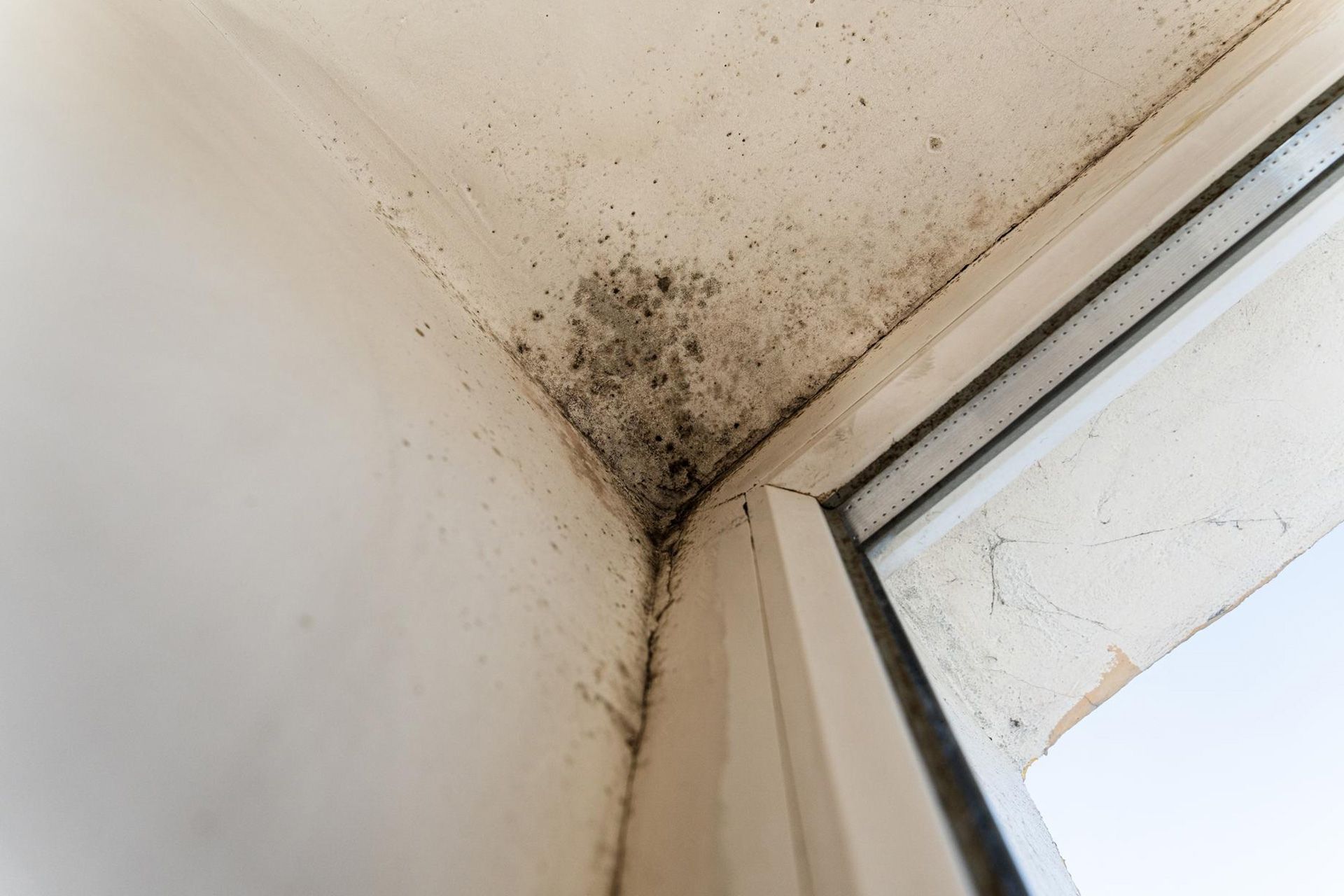
- Moisture damage
- Loose railings
- Nonworking outlets
- Missing safety components
If the seller agrees to make repairs, the buyer may choose to have the inspector return.
The inspector can compare the current condition with notes and photographs from the original report.
The goal is simple: determine whether the previously reported condition appears to have been addressed.
Is a Reinspection the Same as a Full Home Inspection?
No. A follow-up inspection is usually much more focused.
A complete home inspection may evaluate accessible areas of the:
- Roof
- Foundation
- Exterior
- Interior
- Plumbing system
- Electrical system
- HVAC equipment
- Attic
- Insulation
- Ventilation
A reinspection generally covers only selected items from the original report.
For example, if five repairs were completed, the inspector may return specifically to evaluate those five areas.
Home buyers should confirm the exact scope before scheduling because a reinspection should not automatically be treated as a second full home inspection.
Who May Need a Reinspection?
Home buyers are the most common people who request follow-up inspections.
However, there are several situations where another inspection may be useful.
Home Buyers After Seller Repairs
A buyer may request repairs after reviewing the original inspection report.
For example, the seller may agree to correct:
- A leaking pipe
- A damaged electrical outlet
- Loose roof flashing
- A defective exhaust fan
- An unsafe stair railing
Once the repairs are reported as complete, the buyer may want another professional evaluation before closing.
Buyers of Newly Constructed Homes
Brand-new homes can also have items that need correction.
A new construction inspection may find incomplete finishes, electrical concerns, plumbing leaks, HVAC issues, or other installation problems.
If the builder repairs those items, a follow-up inspection can help determine whether the previously observed concerns are still visible.
Homeowners Following Certain Repairs
Current homeowners may also request another inspection after significant work.
For example, they may want an accessible area reviewed after repairs involving moisture, roofing, plumbing, or another building component.
However, specialized repairs may be better evaluated by a qualified contractor or specialist.
When Should You Consider a Reinspection?
Not every repair requires an inspector to return.
A follow-up is usually more useful when the original concern involved an important system, safety issue, water problem, or repair that is difficult for the buyer to evaluate.
Plumbing Repairs
Plumbing leaks can cause more than a small drip.
Water may affect:
- Cabinets
- Drywall
- Flooring
- Insulation
- Framing
If a leak was repaired, a follow-up inspection may check whether active leakage is still visible and whether accessible surrounding materials show continued concerns.
Stopping the leak is important, but previous moisture damage may still require attention.
Electrical Repairs
Electrical findings can include:
- Nonworking outlets
- Missing covers
- Exposed wiring
- GFCI concerns
- Damaged fixtures
- Panel-related issues
After repairs, the inspector may operate accessible components or review their visible condition within the normal inspection scope.
Major electrical work may still need documentation or evaluation from a qualified electrician.
Roof Repairs
Roofing problems can be difficult for buyers to evaluate themselves.
If damaged flashing, roofing materials, or another accessible defect was repaired, a re-inspection can provide another visual review.
However, an inspector cannot guarantee that a roof will never leak in the future.
For major roofing work, contractor documentation can also be helpful.
HVAC Repairs
An HVAC system may not operate correctly during the first inspection.
If the equipment is later serviced or repaired, a follow-up may help determine whether it operates through normal controls at the time of the visit.
This does not guarantee future performance or remaining service life.
Safety-Related Repairs
Some repairs deserve additional attention because they involve safety.
Examples include:
- Loose handrails
- Exposed wiring
- Missing safety devices
- Damaged steps
- Electrical hazards
A reinspection may help determine whether the visible condition reported during the first inspection is still present.
What Happens During a Reinspection?
The process is usually straightforward.
The inspector may:
- Review the original inspection report.
- Identify the repair items being checked.
- Compare current conditions with previous photographs.
- Visually inspect accessible repaired areas.
- Operate components when appropriate.
- Document remaining concerns.
- Recommend specialist evaluation when needed.
The inspector's job is to report what can be observed during the follow-up visit.
They are not there to negotiate repairs between the buyer and seller.
Can an Inspector Confirm That a Repair Was Done Correctly?
An inspector can often determine whether the original visible problem appears to have been addressed.
For example, the inspector may observe that:
- A previous leak is no longer active
- An outlet now works
- A railing has been secured
- A damaged visible component was replaced
However, there are limits.
A general home inspector usually cannot confirm everything hidden behind walls, floors, roofing materials, or other finished surfaces.
A reinspection also does not guarantee:
- Future performance
- Contractor workmanship
- Complete code compliance
- Hidden repairs
- Long-term durability
This distinction is important.
The inspector is evaluating visible and accessible conditions at the time of the inspection.
Should You Use the Same Home Inspector?
Using the original inspector can be helpful when possible.
They already have:
- The original report
- Photographs
- Notes
- Knowledge of the previous condition
This makes comparison easier.
For example, if a water stain or damaged component was photographed during the first inspection, the inspector can compare it with the current condition.
Buyers should still ask whether the company offers follow-up inspections and what the service includes.
What Documents Should Buyers Review?
A reinspection should not be the only source of information about repairs.
Buyers may also want to review:
- Contractor invoices
- Repair receipts
- Written repair descriptions
- Warranties
- Permit information when applicable
- Specialist reports
- Before-and-after photographs
These records can explain what work was reportedly completed.
The inspector can then evaluate what is visible afterward.
When Should a Reinspection Be Scheduled?
Timing matters.
Ideally, schedule the inspection after all agreed repairs are complete but before closing.
Scheduling too early may result in the inspector arriving while contractors are still working.
Scheduling too late may leave little time to address unresolved concerns.
Buyers should also pay attention to deadlines in their purchase agreement and coordinate timing with their real estate professional.
Reinspection vs. Final Walkthrough
A final walkthrough and a professional follow-up inspection are different.
During a final walkthrough, buyers usually confirm that:
- The property remains in expected condition
- Agreed items appear completed
- Included appliances remain
- No major new damage has occurred
A professional reinspection focuses more closely on specific technical findings from the original home inspection.
A buyer may choose to do both.
When Should a Specialist Review the Repair?
Some repairs may require more expertise than a general home inspection provides.
Examples include significant:
- Structural work
- Foundation repairs
- Electrical modifications
- Roof replacement
- Sewer repairs
- HVAC replacement
- Mold remediation
If the original report recommended evaluation by a specialist, a general reinspection should not automatically replace that recommendation.
For example, major foundation work may be better reviewed by a structural engineer or qualified foundation professional.
What Happens If the Repair Is Still Incomplete?
A follow-up inspection may find that a repair:
- Was not completed
- Was only partially completed
- Still shows the original problem
- Cannot be fully evaluated
- Needs additional specialist review
The inspector documents what is observed.
The buyer can then discuss the finding with their real estate professional and determine what options may be available under the purchase agreement.
A home inspector does not decide whether a seller must complete additional work.
Re Inspections for Southern California Home Buyers
Southern California buyers may encounter repairs involving roofing, plumbing, HVAC systems, electrical components, moisture intrusion, drainage, or other property conditions.
Whether a reinspection is worthwhile depends on the original findings and the type of repair completed.
For minor cosmetic items, another professional visit may not always be necessary.
For important building systems, safety concerns, or water-related problems, a second look can provide useful information before ownership changes.
Should You Get a Re-Inspection Before Closing?
A reinspection can be valuable when important problems identified during the original home inspection were repaired before closing.
The inspector can revisit selected areas, compare them with the original report, and document their current visible condition.
However, a follow-up inspection is not a guarantee of workmanship or future performance. Major specialized repairs may still require documentation or evaluation from the appropriate contractor or professional.
If Green Valley Inspections completed your original Southern California home inspection and repairs were made afterward, contact Green Valley Inspections to ask whether a follow-up inspection is available for your property. Our team can help you understand which concerns may benefit from another inspection and when specialist evaluation may be more appropriate.
Frequently Asked Questions
What is a re inspection?
A re inspection is a follow-up inspection that reviews selected concerns found during an earlier home inspection after repairs have reportedly been completed.
Is a reinspection a complete home inspection?
Usually not. It generally focuses on specific items from the original inspection report rather than inspecting the entire home again.
When should I schedule a reinspection?
Schedule it after agreed repairs have been completed and early enough before closing to address any remaining concerns.
Does a reinspection guarantee that repairs were done correctly?
No. An inspector can evaluate visible and accessible conditions but cannot guarantee concealed workmanship, code compliance, or future performance.
Should I use the same inspector for the follow-up?
Using the original inspector can be helpful because they already have photographs, notes, and knowledge of the property's previous condition.
Do I need a reinspection after every seller repair?
No. It may be most useful when repairs involve major systems, safety concerns, moisture problems, or conditions that are difficult for the buyer to evaluate.
Is a reinspection the same as a final walkthrough?
No. A final walkthrough reviews the general condition of the property, while a professional reinspection focuses on specific findings from the original inspection.
Disclaimer: The information on this website and blog is for general informational purposes only and is not professional advice. We make no guarantees of accuracy or completeness. We disclaim all liability for errors, omissions, or reliance on this content. Always consult a qualified professional for specific guidance.
Search
Certification
Green Valley Inspections is InterNACHI Certified, a Certified Master Inspector, and CCPIA-certified, demonstrating advanced training, extensive experience, professional ethics, and expertise in residential and commercial property inspections across Southern California.

Social Media
Google Reviews

5-star ratings from 440+ clients across Southern California.
Contact Us
Recent Post


Service Areas
We offer home inspection services throughout the following counties: