Is Inspection Required Before Solar Installation?
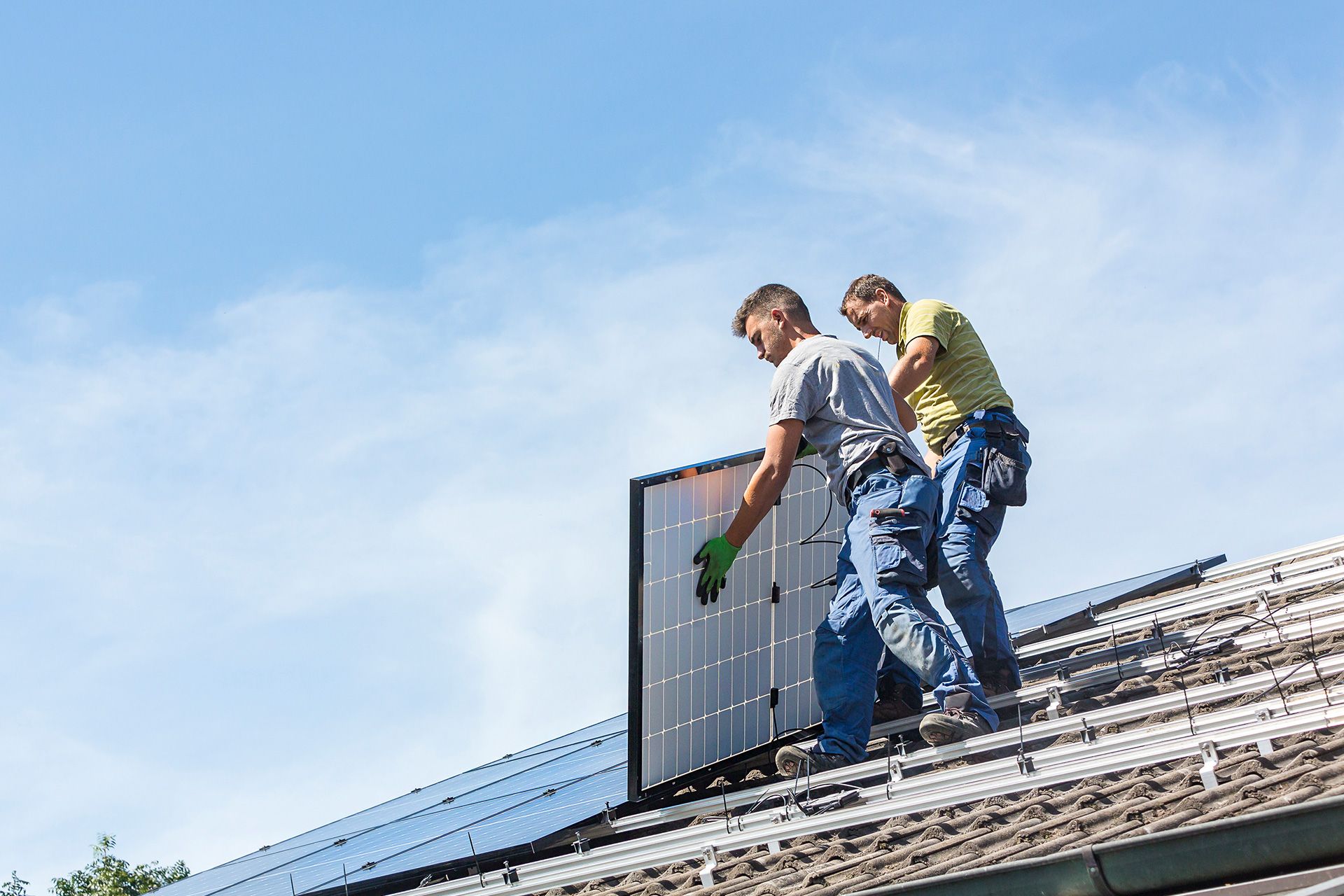
Switching to solar energy is a smart move. It can lower your energy bills, increase your property value, and reduce your carbon footprint. But before installing solar panels, one critical step is often overlooked, a proper inspection.
So, is inspection required before solar installation?
Yes, in most cases, a solar system inspection (also called a pre-installation inspection) is strongly recommended and often required by local authorities or installers.
In this guide, we’ll explain why solar system inspections matter, what they include, and how they protect your investment.
What Is a Solar System Inspection?
A solar system inspection is a detailed check of your property before installing solar panels. It ensures your home or building is safe, suitable, and ready for solar equipment.
This is also known as a pre-installation inspection, and it focuses on key areas like:
- Roof condition
- Electrical system capacity
- Structural integrity
- Shading and sun exposure
The goal is simple: make sure your solar system will work safely and efficiently for years.
Is Inspection Required Before Solar Installation?
Short Answer:
Yes, in most cases, a pre-installation inspection is required or highly recommended.
Why It’s Required:
- Local building codes may demand it
- Solar companies need it to design the system
- Insurance providers may ask for proof
- It prevents costly mistakes later
Skipping this step can lead to installation delays, safety issues, or even system failure.
Why a Pre-Installation Inspection Matters
1. Ensures Roof Safety and Strength
Solar panels add weight to your roof. If your roof is old or damaged, it may not support the system safely.
An inspection checks:
- Roof age and condition
- Signs of leaks or weak spots
- Structural support
If issues are found, you can fix them before installation instead of after.
2. Confirms Electrical System Readiness
Your electrical panel must handle the new solar load. A weak or outdated system can create safety risks.
Inspectors evaluate:
- Panel capacity
- Wiring condition
- Grounding and safety systems
This ensures your solar setup runs smoothly without overloading your system.
3. Maximizes Solar Efficiency
Not all roofs get the same sunlight. A pre-installation inspection checks:
- Roof direction (south-facing is ideal)
- Shade from trees or buildings
- Available space for panels
This helps design a system that produces the most energy possible.
4. Prevents Costly Repairs Later
Fixing problems before installation is much cheaper than removing panels later.
For example:
- Replacing a roof after installation can be expensive
- Electrical upgrades are easier before setup
An inspection helps you avoid these headaches.
5. Helps Meet Local Codes and Permits
Most areas require permits for solar installations. Inspections ensure your property meets:
- Building codes
- Electrical standards
- Safety regulations
Without this step, your project could be delayed or denied.
What Does a Solar Pre-Installation Inspection Include?
A professional solar system inspection covers several key areas:
Roof Inspection
- Age and material (shingles, tile, metal)
- Structural integrity
- Remaining lifespan
Electrical Inspection
- Main service panel capacity
- Wiring condition
- Circuit breaker compatibility
Structural Assessment
- Load-bearing capacity
- Roof framing strength
Site Evaluation
- Sun exposure analysis
- Shade mapping
- Panel placement planning
Safety Checks
- Fire safety compliance
- Proper grounding
- Access for maintenance
Each step ensures your home is ready for solar installation.
Who Performs the Inspection?
Typically, inspections are done by:
- Licensed home inspectors
- Solar installation companies
- Structural engineers (for complex cases)
Choosing a qualified professional ensures accurate results and peace of mind.
When Should You Schedule the Inspection?
The best time is before signing a final installation contract or early in the planning stage.
Ideal Timeline:
- Decide to go solar
- Schedule a pre-installation inspection
- Review findings
- Make necessary repairs
- Proceed with installation
This approach saves time and prevents delays.
What Happens If You Skip the Inspection?
Skipping a pre-installation inspection can lead to serious issues:
- Roof damage after installation
- Electrical failures or hazards
- Reduced system performance
- Voided warranties
- Failed inspections from local authorities
In short, skipping inspection may cost more in the long run.
Signs You Definitely Need an Inspection
While inspections are always recommended, they are especially important if:
- Your roof is over 10–15 years old
- You’ve had past electrical issues
- There are visible cracks or leaks
- Your property has heavy tree shading
- You’re unsure about structural strength
If any of these apply, do not skip the inspection.
How Long Does a Solar Inspection Take?
Most solar system inspections are completed within:
- 1 to 3 hours for residential properties
- Longer for larger or complex buildings
You’ll usually receive a detailed report with findings and recommendations.
How Inspection Improves ROI on Solar
A proper pre-installation inspection helps you get the most out of your solar investment by:
- Ensuring optimal panel placement
- Avoiding future repair costs
- Increasing system lifespan
- Improving energy output
This means better savings and faster return on investment.
Tips to Prepare for a Solar Inspection
Make the process smoother with these steps:
- Clear access to your roof and electrical panel
- Trim nearby trees if possible
- Gather past repair or maintenance records
- Ask questions about potential upgrades
Being prepared helps inspectors give more accurate advice.
Final Thoughts
So, is inspection required before solar installation?
Absolutely. A solar system inspection or pre-installation inspection is one of the most important steps in the entire process.
It ensures your home is safe, your system performs well, and your investment is protected. Skipping it might save time upfront but it can lead to bigger problems later.
If you’re planning to go solar, start with a professional inspection. It’s a small step that makes a big difference.
Planning to install solar? Schedule a professional inspection with Green Valley Home Inspections today to ensure your home is ready for a safe and efficient solar system.
FAQs About Solar System Inspection
Is a solar system inspection mandatory?
In many areas, yes. Local codes and solar companies often require a pre-installation inspection to ensure safety and compliance.
What is the difference between pre- and post-installation inspection?
A pre-installation inspection checks if your home is ready for solar. A post-installation inspection ensures the system was installed correctly and safely.
Can I install solar panels without an inspection?
Technically possible in some cases, but not recommended. Skipping inspection can lead to safety risks, poor performance, and higher costs later.
What happens if my roof fails inspection?
You may need repairs or a full roof replacement before installing solar panels. This ensures long-term safety and performance.
How often should a solar system be inspected?
After installation, it’s a good idea to inspect your system every 1–2 years to maintain performance and safety.
Does inspection affect solar panel efficiency?
Yes. A proper inspection helps optimize panel placement and system design, improving overall energy production.
Who should I hire for a solar inspection?
Hire a licensed home inspector or a qualified solar professional with experience in pre-installation inspections.
Disclaimer: The information on this website and blog is for general informational purposes only and is not professional advice. We make no guarantees of accuracy or completeness. We disclaim all liability for errors, omissions, or reliance on this content. Always consult a qualified professional for specific guidance.
Search
Certification
Green Valley Inspections is InterNACHI Certified, a Certified Master Inspector, and CCPIA-certified, demonstrating advanced training, extensive experience, professional ethics, and expertise in residential and commercial property inspections across Southern California.
Social Media
Google Reviews

5-star ratings from 440+ clients across Southern California.
Contact Us
Recent Post


Service Areas
We offer home inspection services throughout the following counties: