Everything You Need to Know About a Commercial Roof Inspection
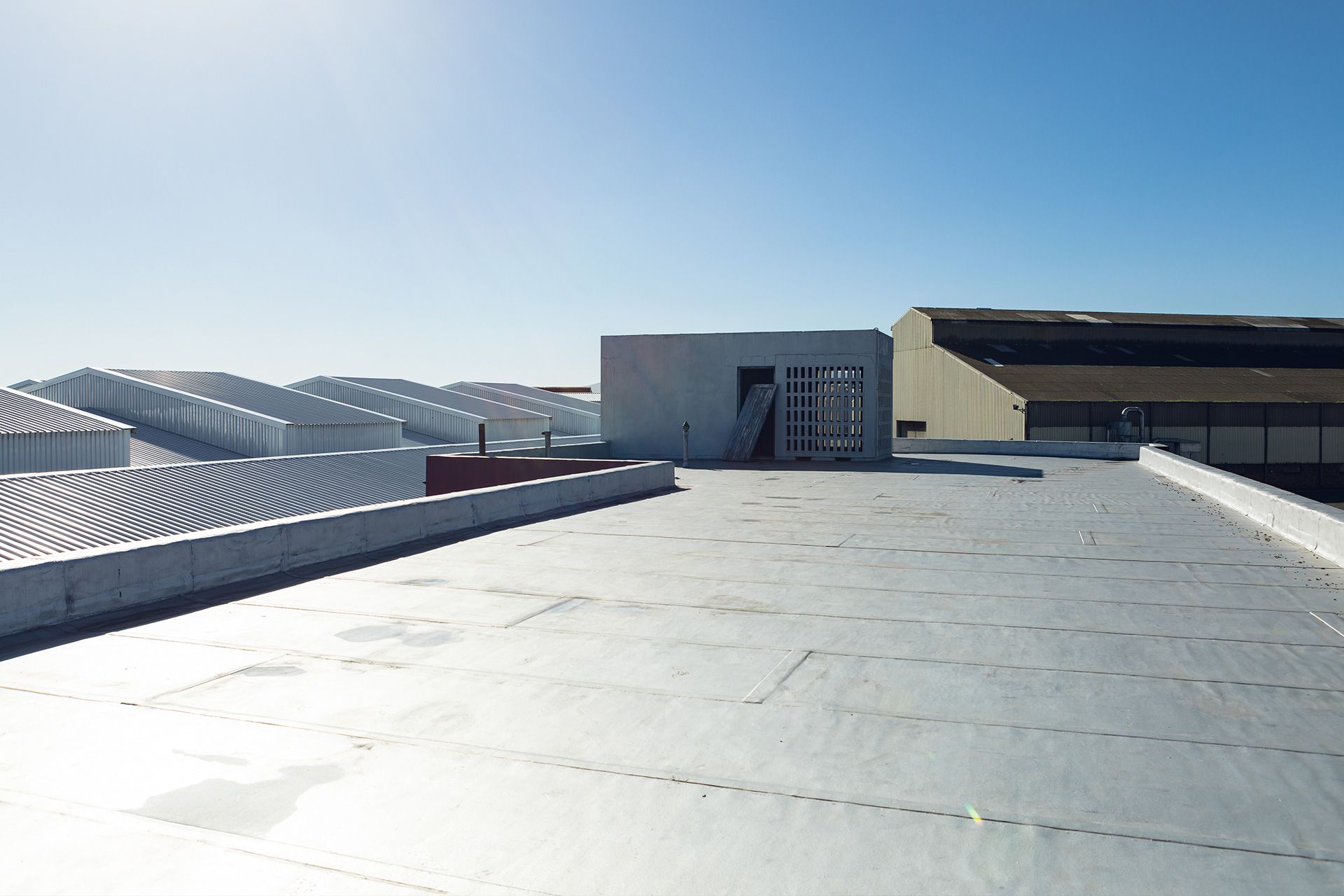
A roof is one of the most important parts of any commercial building. It protects your property, employees, and assets from weather damage. But like anything exposed to the elements, roofs wear down over time. That’s where a commercial roof inspection becomes essential.
Whether you own an office building, retail space, or warehouse, understanding how a roof inspection works can save you from costly repairs and unexpected problems. In this guide, you’ll learn what a commercial roof inspection involves, why it matters, and how to use a commercial roof inspection checklist to stay ahead of issues.
What Is a Commercial Roof Inspection?
A commercial roof inspection is a detailed evaluation of a building’s roofing system. A trained inspector checks the condition of the roof to find damage, wear, or potential risks.
Unlike a quick visual check, a professional inspection looks deeper. It focuses on both visible and hidden problems that could lead to leaks or structural damage.
Simple Answer:
A commercial roof inspection helps identify problems early so you can fix them before they get worse.
Why Commercial Roof Inspections Matter
Skipping regular inspections may seem harmless, but it often leads to bigger issues later. Here’s why inspections are so important:
1. Prevent Costly Repairs
Small cracks or leaks can turn into major damage if ignored. Regular inspections catch problems early.
2. Extend Roof Lifespan
Routine maintenance keeps your roof in good shape for longer.
3. Protect Your Investment
Your building is a valuable asset. A healthy roof protects everything inside.
4. Ensure Safety
Damaged roofs can cause hazards like water leaks, mold, or even structural failure.
5. Meet Insurance or Warranty Requirements
Many insurance policies and warranties require regular roof inspections.
How Often Should You Schedule a Roof Inspection?
For most commercial buildings, experts recommend:
- At least twice a year (spring and fall)
- After major storms (heavy rain, hail, strong winds)
- Before buying or leasing a property
Quick Answer:
Inspect your commercial roof every 6 months and after severe weather.
What Happens During a Commercial Roof Inspection?
A professional inspector follows a structured process. They assess the roof from multiple angles to ensure nothing is missed.
Key Areas Covered:
1. Roof Surface
Inspectors check for:
- Cracks or splits
- Blisters or bubbles
- Standing water (ponding)
- Loose or damaged materials
2. Flashing and Seals
Flashing protects joints and edges. Inspectors look for:
- Rust or corrosion
- Gaps or loose sections
- Sealant failure
3. Drainage System
Proper drainage prevents water buildup. The inspector checks:
- Gutters and downspouts
- Blockages
- Water flow
4. Roof Penetrations
Areas around vents, HVAC units, and skylights are common leak points.
5. Structural Condition
Inspectors may look for signs of sagging or structural stress.
Commercial Roof Inspection Checklist
Using a commercial roof inspection checklist ensures nothing is overlooked. Below is a simplified version you can follow:
Exterior Checklist
- Check roof surface for visible damage
- Look for pooling or standing water
- Inspect flashing around edges and joints
- Examine seams for separation
- Check condition of roof coating or membrane
Drainage Checklist
- Clear debris from drains and gutters
- Ensure downspouts are working properly
- Look for signs of water backup
Interior Checklist
- Check ceilings for stains or leaks
- Inspect attic or top floor for moisture
- Look for mold or mildew
Equipment & Penetrations
- Inspect areas around vents and HVAC units
- Ensure seals are intact
- Check for cracks or gaps
Safety & Structure
- Look for sagging areas
- Check for loose materials
- Ensure walkways and access points are safe
Quick Tip:
Always document findings with photos and notes. This helps track changes over time.
Signs Your Commercial Roof Needs an Inspection
Sometimes, your building will show warning signs. Don’t ignore them.
Watch for:
- Water stains on ceilings or walls
- Mold or musty smells
- Higher energy bills
- Visible roof damage
- Standing water on the roof
Direct Answer:
If you notice leaks, stains, or damage, schedule a roof inspection right away.
Types of Commercial Roof Inspections
Not all inspections are the same. Different methods are used based on your roof type and condition.
1. Visual Inspection
The most common type. The inspector checks for visible damage.
2. Infrared Inspection
Uses heat imaging to detect hidden moisture under the roof surface.
3. Core Sampling
Small sections of the roof are tested to check internal layers.
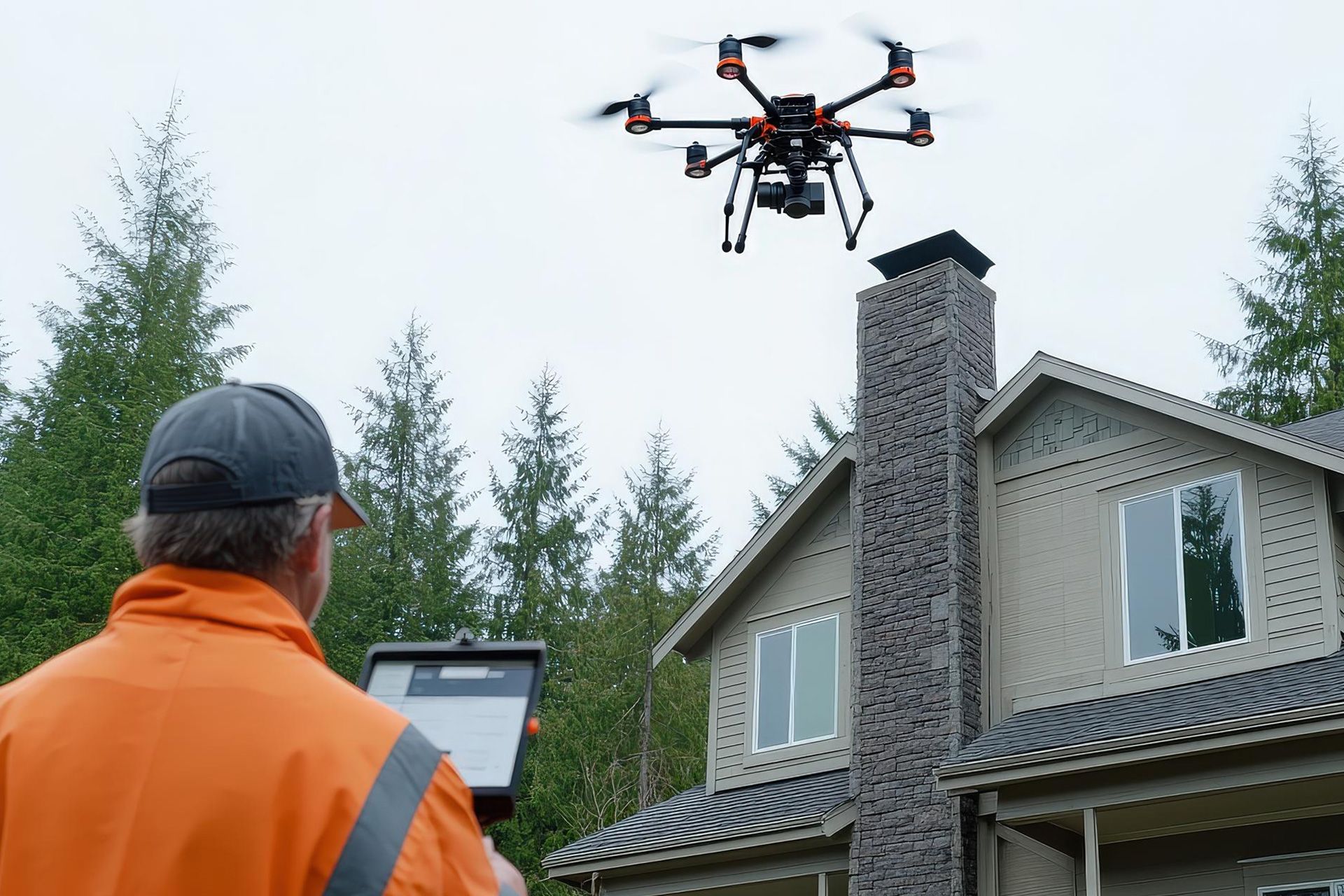
4. Drone Inspection
Drones capture detailed images, especially for large or hard-to-access roofs.
Common Problems Found During Roof Inspections
Commercial roofs face many issues over time. Here are the most common ones inspectors find:
1. Ponding Water
Water that doesn’t drain properly can damage roofing materials.
2. Membrane Damage
Cracks, tears, or blisters weaken the roof’s protection.
3. Poor Installation
Improper workmanship can lead to early failure.
4. Flashing Issues
Damaged flashing is one of the top causes of leaks.
5. Weather Damage
Sun, wind, and storms can wear down roofing materials.
DIY vs Professional Roof Inspection
You might wonder if you can inspect the roof yourself.
DIY Inspection:
- Good for basic visual checks
- Helps spot obvious issues
- Should be done regularly
Professional Inspection:
- More detailed and accurate
- Uses advanced tools
- Provides a full report
Best Approach:
Do simple checks yourself, but schedule a professional inspection at least once a year.
What to Expect in a Roof Inspection Report
After a professional inspection, you’ll receive a report that includes:
- Summary of roof condition
- Photos of problem areas
- Recommended repairs
- Maintenance suggestions
- Estimated remaining lifespan
This report helps you make informed decisions about repairs and budgeting.
How to Prepare for a Commercial Roof Inspection
Preparation helps the inspection go smoothly.
Steps to Take:
- Clear debris from the roof
- Ensure safe access
- Provide past inspection records (if available)
- Inform tenants or staff if needed
Benefits of Regular Roof Inspections
Let’s summarize the real value:
- Avoid emergency repairs
- Improve building safety
- Extend roof life
- Maintain property value
- Stay compliant with insurance
Bottom Line:
Regular inspections save time, money, and stress.
Conclusion
A commercial roof inspection is not just a routine task, it’s a smart investment in your property’s future. By using a reliable commercial roof inspection checklist and scheduling regular inspections, you can catch problems early and avoid major repairs.
Whether you manage a small business or a large facility, staying proactive with roof maintenance protects your building and your bottom line.
If you haven’t scheduled a roof inspection recently, now is the right time to take action.
Book a professional commercial roof inspection today with Green Valley Home Inspection and keep your property protected year-round.
FAQs
What is included in a commercial roof inspection?
A commercial roof inspection includes checking the roof surface, flashing, drainage system, penetrations, and overall structure for damage or wear.
How long does a roof inspection take?
Most inspections take 1–3 hours, depending on the size and condition of the roof.
Can a roof inspection detect leaks?
Yes. Inspectors can identify both visible leaks and hidden moisture using advanced tools.
Do I need a roof inspection before buying a commercial property?
Yes. It helps you understand the roof’s condition and avoid unexpected repair costs.
What is the best time for a roof inspection?
Spring and fall are ideal, along with inspections after major storms.
How do I know if my roof has damage?
Look for signs like water stains, mold, pooling water, or visible cracks.
Is a commercial roof inspection worth it?
Yes. It prevents costly repairs, extends roof life, and ensures safety.
Disclaimer: The information on this website and blog is for general informational purposes only and is not professional advice. We make no guarantees of accuracy or completeness. We disclaim all liability for errors, omissions, or reliance on this content. Always consult a qualified professional for specific guidance.
Search
Certification
Green Valley Inspections is InterNACHI Certified, a Certified Master Inspector, and CCPIA-certified, demonstrating advanced training, extensive experience, professional ethics, and expertise in residential and commercial property inspections across Southern California.
Social Media
Google Reviews

5-star ratings from 440+ clients across Southern California.
Contact Us
Recent Post
Service Areas
We offer home inspection services throughout the following counties: