
Thermal Camera for Home Inspection: What It Can Reveal
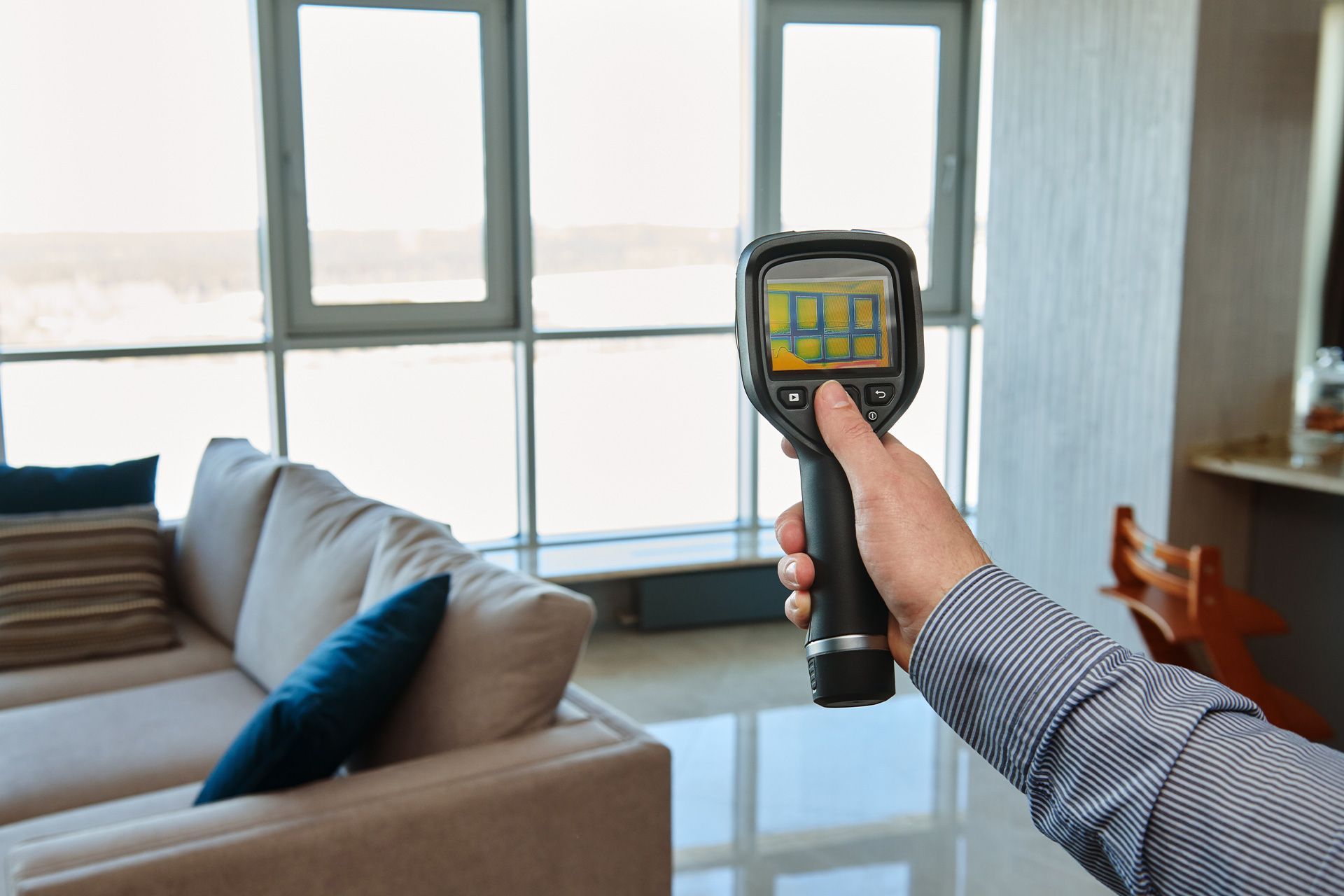
A thermal camera for home inspection helps an inspector identify temperature differences across walls, ceilings, floors, electrical components, plumbing areas, and other accessible surfaces.
These temperature patterns can point to conditions that deserve a closer look, such as possible moisture intrusion, missing insulation, air leakage, or unusual heat around electrical components.
However, a thermal camera does not see through walls like an X-ray. It measures infrared energy from surfaces and displays temperature differences as a thermal image. If something behind a wall changes the surface temperature enough, the camera may reveal an unusual pattern that tells the inspector where to investigate further.
For buyers and homeowners, thermal imaging adds another layer of information to a visual home inspection. It does not replace the inspector's experience or other testing tools, but it can help reveal conditions that are difficult to notice with the naked eye.
What Is a Thermal Camera for Home Inspection?
A thermal camera, also called an infrared camera, detects infrared energy coming from surfaces.
Every surface gives off some level of infrared energy based partly on its temperature. The camera translates those differences into an image that makes warmer and cooler areas easier to compare.
During a home inspection, the inspector may scan areas such as:
- Walls
- Ceilings
- Floors
- Bathrooms
- Kitchens
- Electrical panels
- HVAC areas
- Plumbing fixtures
- Attics
- Exterior walls
- Areas around windows and doors
The inspector is looking for patterns that appear different from surrounding materials.
These patterns are often called thermal anomalies.
An anomaly does not automatically prove that something is wrong. It tells the inspector that the area deserves further investigation.
How Does Thermal Imaging Work During a Home Inspection?
A thermal imaging home inspection combines infrared scanning with the inspector's normal visual evaluation.
The inspector may first observe the property with the naked eye and operate accessible systems. A thermal camera can then be used in selected areas where temperature differences may provide useful additional information.
For example, suppose a bathroom ceiling looks completely normal.
The thermal image may show a cooler area beneath plumbing located on the floor above.
That does not automatically mean there is a leak.
The inspector may then use a moisture meter or examine the surrounding area to determine whether elevated moisture is present.
Thermal imaging is especially useful because moisture can sometimes create temperature patterns before visible staining appears. Infrared cameras can help locate potential moisture concerns, but those findings should be confirmed using appropriate additional methods when possible.
What Can a Thermal Camera Detect?
A thermal camera does not directly identify defects. It identifies temperature differences that may be associated with certain building conditions.
Here are some of the most useful applications.
Possible Moisture Intrusion
Moisture is one of the most common reasons inspectors use thermal imaging.
Possible sources include:
- Roof leaks
- Plumbing leaks
- Window leaks
- Shower leaks
- HVAC condensation
- Exterior water intrusion
Wet building materials can sometimes have a different surface temperature from nearby dry materials.
This can create a visible thermal pattern.
Green Valley Inspections specifically uses infrared technology to help identify hidden moisture concerns, including possible roof and plumbing leaks.
The important word is possible.
A cooler thermal pattern does not always mean moisture is present. Air movement, insulation differences, sunlight, HVAC operation, or building materials can create similar patterns.
Further evaluation helps determine the likely cause.
Missing or Uneven Insulation
Thermal imaging can also help reveal insulation problems.
Areas with missing or poorly distributed insulation may transfer heat differently from surrounding surfaces.
This can create patterns on:
- Exterior walls
- Ceilings
- Attic areas
- Wall cavities
For example, a section of wall with missing insulation may appear warmer or cooler than the surrounding wall depending on indoor and outdoor conditions.
Green Valley includes improper or missing insulation among the conditions its infrared service is designed to help identify.
This can be especially useful in new construction where buyers want another way to evaluate visible signs of insulation consistency before or after completion.
Electrical Hot Spots
A thermal imaging inspection may also identify unusual heat around accessible electrical components.
Possible areas include:
- Electrical panels
- Breakers
- Connections
- Wiring areas
Electrical components naturally produce some heat.
However, an area that is unusually warm compared with similar components may deserve additional evaluation.
Possible causes could include:
- Loose connections
- Excessive electrical load
- Failing components
- Other electrical conditions
A thermal camera does not diagnose the exact electrical problem.
If an unusual heat pattern is found, the inspector may recommend evaluation by a qualified electrician.
Green Valley's infrared inspection service specifically lists hidden electrical concerns as one use of the technology.
Possible Air Leakage
Thermal imaging can sometimes show temperature patterns associated with outside air entering the building.
Common areas include:
- Windows
- Exterior doors
- Attic openings
- Exterior walls
- Ceiling penetrations
Air leakage can affect:
- Comfort
- HVAC performance
- Indoor temperature consistency
However, accurate interpretation depends on having enough temperature difference between indoor and outdoor conditions.
A thermal camera works best when the conditions allow meaningful temperature patterns to develop.
HVAC Distribution Concerns
Inspectors may use thermal imaging around heating and cooling systems to observe temperature differences.
For example, the camera may help compare:
- Supply vents
- Return areas
- Duct locations
- Room temperatures
A thermal image might reveal that one area is heating or cooling differently from another.
That can suggest an airflow or insulation concern.
Detailed HVAC diagnosis may still require an HVAC professional.
Areas Around Plumbing Fixtures
Bathrooms, kitchens, laundry rooms, and water heaters are useful areas for thermal scanning.
The inspector may scan around:
- Showers
- Bathtubs
- Toilets
- Sinks
- Dishwashers
- Washing machines
- Water heaters
If a temperature anomaly appears around a plumbing area, additional moisture testing may help determine whether water intrusion is present.
This can be especially valuable when the surface looks normal.
Can Thermal Cameras See Through Walls?
No.
This is one of the biggest misconceptions about thermal imaging.
A thermal camera for home inspection does not allow an inspector to look inside a finished wall.
The camera detects temperature information from the wall's surface.
However, something behind the wall may affect that surface temperature.
For example:
- Moisture may cool part of the wall.
- Missing insulation may create a warm or cold section.
- Air leakage may create a temperature pattern.
The camera displays the result of that temperature difference.
It does not produce an image of the pipe, insulation, wiring, or mold hidden behind the drywall.
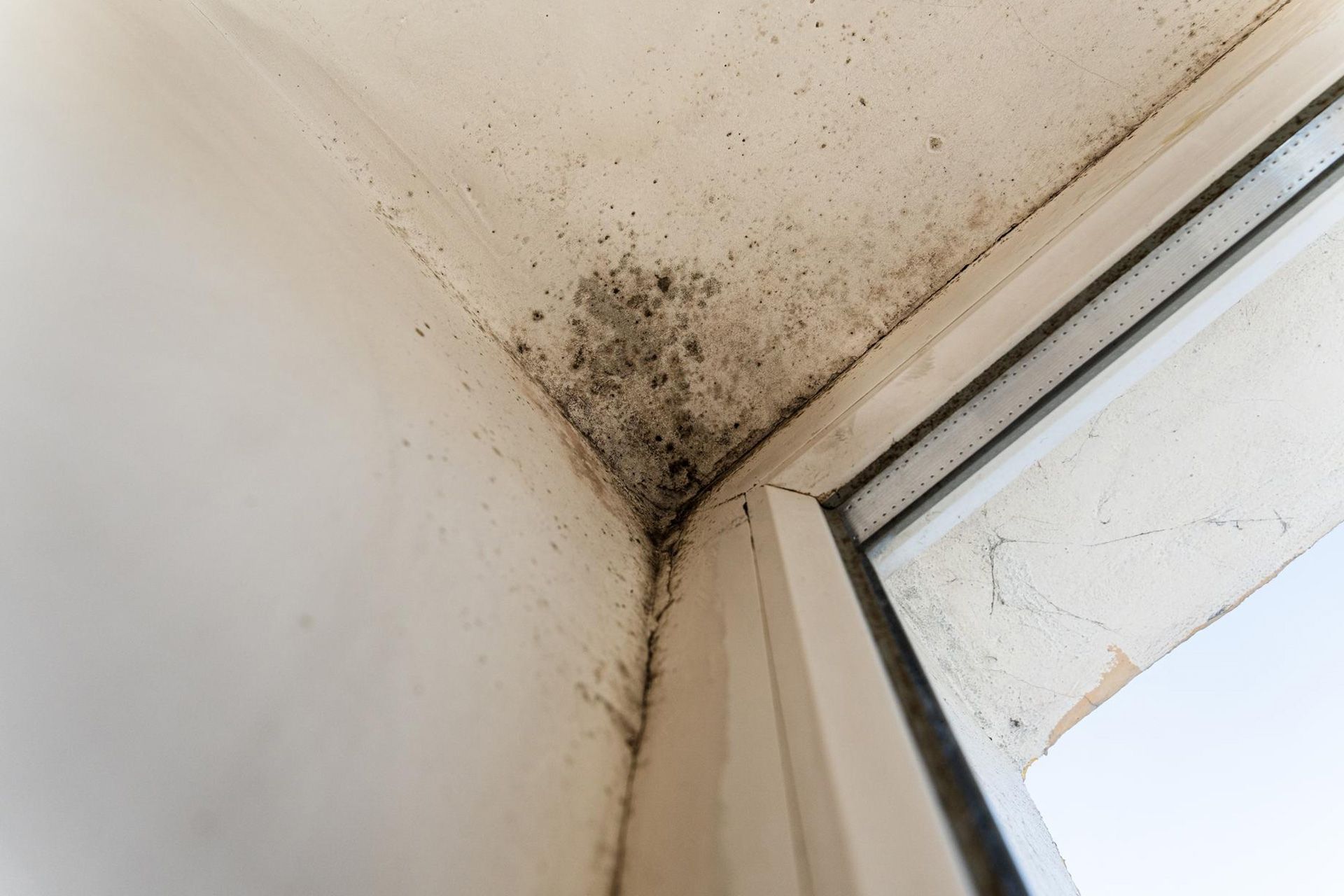
Can Thermal Imaging Detect Mold?
Not directly.
Thermal cameras do not identify mold species or confirm that mold exists.
What they can sometimes identify are moisture conditions that may support mold growth.
For example, an inspector may discover an unusually cool area beneath a window.
Further investigation may show elevated moisture from water intrusion.
That moisture could create conditions where mold may develop if the problem continues.
But the thermal image itself does not prove that mold is present.
If mold is suspected, a separate mold inspection or appropriate testing may be recommended.
Why a Moisture Meter May Be Used With Thermal Imaging
Thermal imaging and moisture meters perform different jobs.
The thermal camera helps locate unusual temperature patterns across a larger surface.
A moisture meter can then help determine whether the area actually contains elevated moisture.
This combination can be useful because a thermal anomaly may have several causes.
Professional inspection guidance recommends using moisture meters with infrared imaging when investigating suspected moisture intrusion.
For homeowners, this means a thermal image should not be treated as a diagnosis by itself.
It is another piece of evidence.
What Can Affect Thermal Imaging Results?
Thermal imaging is useful, but conditions matter.
Several factors can influence what the camera displays.
Indoor and Outdoor Temperature
A greater temperature difference between indoors and outdoors can make some insulation and air-leakage patterns easier to identify.
Sunlight
Direct sunlight can heat exterior walls and roofing materials.
This may change thermal patterns and make interpretation more difficult.
HVAC Operation
Heating and cooling systems can create temperature differences throughout the house.
The inspector needs to understand how those systems affect the image.
Building Materials
Different materials absorb, reflect, and release heat differently.
Metal, glass, tile, drywall, wood, and insulation may create different thermal signatures.
This is one reason inspector training and experience matter.
Simply seeing a red, blue, warm, or cool area does not automatically identify the cause.
Is Thermal Imaging Included in a Standard Home Inspection?
That depends on the inspection company and the scope of the inspection.
Some home inspectors include thermal imaging as part of a standard inspection, while others offer it as an optional service or as a separate infrared inspection.
When used during a home inspection, thermal imaging can help identify temperature differences that may point to potential issues that are difficult to see during a visual inspection. Depending on the situation, an inspector may use thermal imaging along with moisture meters or other tools to investigate suspected moisture intrusion, insulation gaps, electrical concerns, or HVAC problems.
When choosing an inspector, buyers can ask:
- Is thermal imaging included?
- Which areas are typically scanned?
- Are thermal findings included in the report?
- Are suspected moisture areas checked with another tool?
- What are the limitations of the thermal scan?
Understanding the inspection scope before the appointment helps buyers know what the inspector will and will not evaluate.
Why Thermal Imaging Is Useful for Home Buyers
Home buyers often see a property only a few times before closing.
Fresh paint and clean finishes can make many areas look normal.
A thermal imaging home inspection may provide extra information about conditions that are not immediately visible.
For example, it may help identify:
- Possible moisture behind finished surfaces
- Uneven insulation
- Temperature anomalies around electrical components
- Possible air leakage
- HVAC temperature differences
Thermal imaging can be especially useful when inspecting:
- Older homes
- Recently remodeled homes
- New construction
- Homes with previous water damage
- Properties with known plumbing or roof concerns
It is not a guarantee that every hidden defect will be found.
It is another tool that helps an experienced inspector investigate the property more thoroughly.
Thermal Imaging for Southern California Homes
Southern California properties face a wide range of conditions.
Homes in Riverside and San Bernardino counties may experience extreme summer temperatures, while properties closer to the coast may deal with different humidity and moisture conditions.
Homes throughout Los Angeles, Orange, and San Diego counties may also vary greatly in age, construction, roofing, insulation, and remodeling history.
Thermal imaging can be useful for evaluating temperature differences related to:
- Roof leakage
- Plumbing
- Insulation
- HVAC systems
- Exterior walls
- Windows and doors
The actual usefulness of a thermal scan depends on the property and environmental conditions at the time of inspection.
Thermal Imaging Makes a Good Inspection More Informative
A thermal camera for home inspection gives inspectors another way to evaluate a property beyond what can be seen with the naked eye.
It can highlight temperature anomalies associated with possible moisture intrusion, insulation gaps, electrical heat, air leakage, and other building conditions.
However, thermal imaging is not X-ray vision. It does not see through walls, directly detect mold, or automatically diagnose a defect.
The most useful thermal imaging inspection combines the camera with visual observations, moisture testing when appropriate, inspector experience, and clear reporting.
Green Valley Inspections uses thermal imaging as part of its professional inspection services throughout Southern California and also offers stand-alone infrared inspections. If you are buying, selling, or maintaining a property, contact Green Valley Inspections to schedule an inspection and get a more detailed understanding of visible and temperature-related conditions throughout the home.
Frequently Asked Questions
What does a thermal camera for home inspection detect?
It detects surface temperature differences. These patterns may point to possible moisture, missing insulation, air leakage, electrical hot spots, or other conditions that deserve further investigation.
Can thermal imaging see through walls?
No. Thermal cameras measure surface temperatures. Conditions behind a wall may affect the surface temperature, but the camera does not create an image of objects inside the wall.
Can thermal imaging find water leaks?
It can identify temperature patterns that may be associated with moisture. The inspector may then use a moisture meter or another method to confirm whether elevated moisture is actually present.
Can a thermal camera detect mold?
No. Thermal imaging cannot directly identify mold. It may help locate moisture conditions that can support mold growth, which may lead to further evaluation.
Is a thermal imaging home inspection better than a regular inspection?
Thermal imaging works best as a supplement to a professional visual inspection rather than a replacement. It gives the inspector additional information about temperature patterns that cannot be seen normally.
Can thermal imaging find electrical problems?
It may identify unusually warm areas around accessible electrical components. An unusual heat pattern may require further evaluation by a qualified electrician.
Does Green Valley Inspections use thermal imaging?
Yes. Green Valley Inspections uses thermal imaging in its inspection services and currently states that infrared scanning is included with home and commercial inspections. Stand-alone infrared inspection is also available.
Disclaimer: The information on this website and blog is for general informational purposes only and is not professional advice. We make no guarantees of accuracy or completeness. We disclaim all liability for errors, omissions, or reliance on this content. Always consult a qualified professional for specific guidance.
Search
Certification
Green Valley Inspections is InterNACHI Certified, a Certified Master Inspector, and CCPIA-certified, demonstrating advanced training, extensive experience, professional ethics, and expertise in residential and commercial property inspections across Southern California.



Social Media
Google Reviews

5-star ratings from 440+ clients across Southern California.
Contact Us
Recent Post

Service Areas
We offer home inspection services throughout the following counties: