
When a Fire in One Apartment Affects the Entire Building
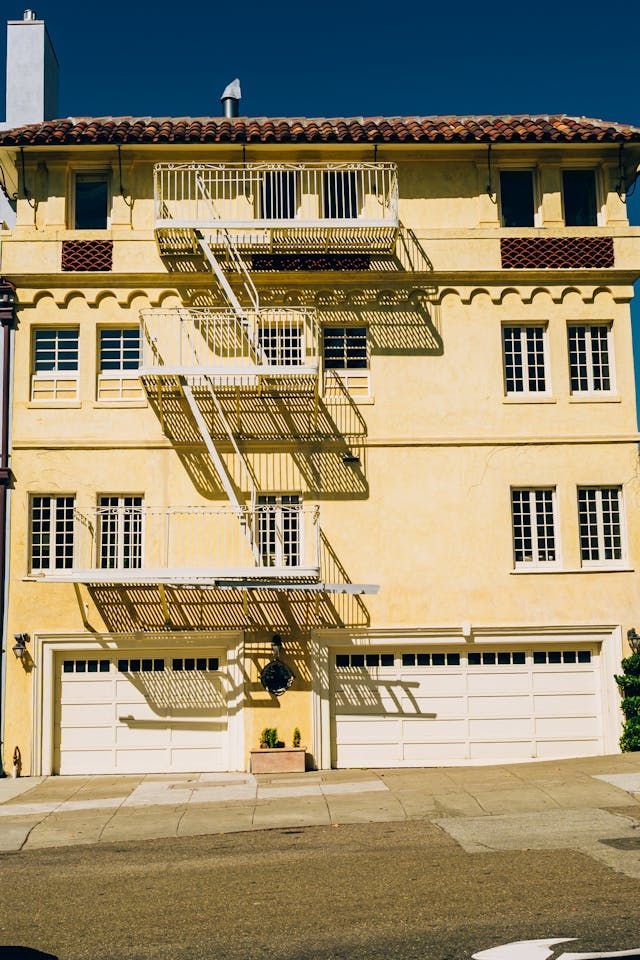
Apartment fires are often reported as isolated incidents—confined to a single unit and quickly extinguished. While the flames may be contained, the impact on the rest of the building rarely ends when the fire department leaves. Heat, smoke, water, and structural stress can affect multiple components of a building long after the visible damage appears limited to one apartment.
Understanding these lingering effects is important for property owners, managers, and occupants because hidden damage can compromise safety, indoor air quality, and building systems.
Smoke and Soot Travel Far Beyond the Fire
Even when flames are limited to one unit, smoke rarely stays in one place. Smoke naturally follows pathways through ventilation systems, wall cavities, ceiling voids, plumbing penetrations, and electrical openings. In multi-family buildings, these pathways allow soot particles to spread to neighboring units, hallways, and upper floors.
Soot residue is acidic and can damage surfaces such as paint, metal fixtures, wiring insulation, and HVAC components. It can also settle inside ductwork, which may later redistribute odors and contaminants throughout the building. Without proper cleaning and inspection, the smell of smoke can persist for months.
Hidden Heat Damage
Fire generates intense heat that can affect structural and mechanical components even if they were not directly burned. Wood framing can become weakened or charred behind finished surfaces. Metal connectors and fasteners may lose strength when exposed to high temperatures.
In some cases, heat can also damage electrical wiring insulation or cause plastic plumbing materials to warp. These types of issues may not be immediately visible but can increase the risk of future electrical failures or leaks if not properly evaluated.
Water Damage from Fire Suppression
Ironically, the effort required to extinguish a fire often creates another source of damage. Water from fire hoses, sprinklers, and firefighting activities can penetrate flooring systems and travel downward into other units.
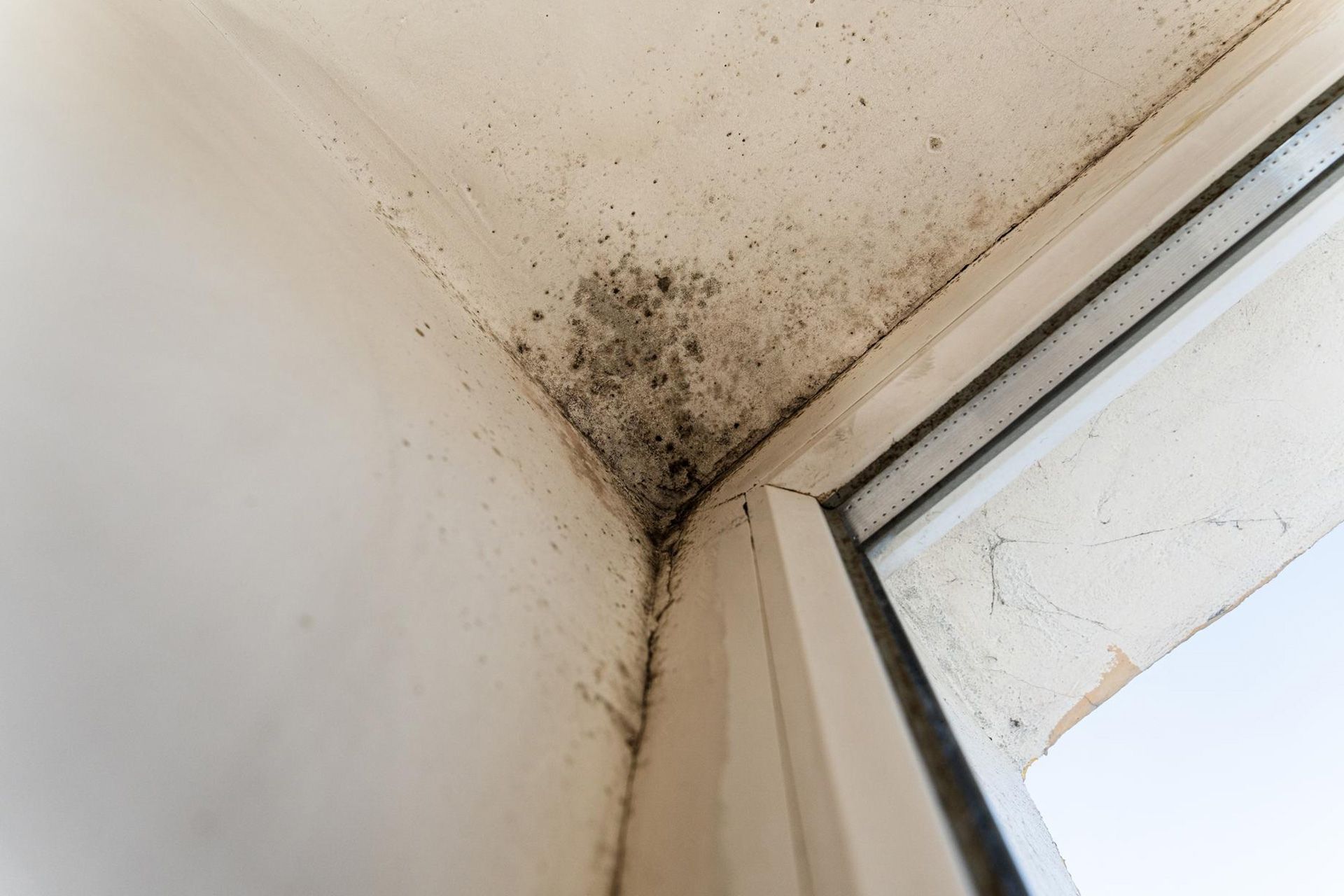
Moisture trapped in walls, ceilings, and insulation can lead to mold growth if the materials are not dried promptly. Flooring materials may warp, drywall can deteriorate, and insulation can lose its effectiveness. Areas that appear unaffected by fire may still require professional drying and restoration.
Mechanical and Life Safety System Impacts
A fire in one unit can also affect shared building systems. Electrical panels, gas lines, fire alarm wiring, and sprinkler systems may experience damage from heat or water exposure. Smoke detectors and fire alarms may require testing or replacement to ensure they function properly after the event.
Additionally, fire-rated walls and ceilings—designed to slow the spread of fire—may be compromised if openings were created during firefighting or if materials were damaged.
Why Post-Fire Evaluation Matters
After a contained apartment fire, a thorough inspection of the surrounding units and common areas is essential. The goal is to identify hidden damage, verify that structural components remain sound, and confirm that mechanical and safety systems are operating as intended.
While the visible damage may appear limited, the broader effects of smoke, heat, and water can extend throughout the building. Addressing these issues early helps restore safe living conditions and reduces the likelihood of long-term structural or environmental problems.
Search
Certification
Green Valley Inspections is InterNACHI Certified, a Certified Master Inspector, and CCPIA-certified, demonstrating advanced training, extensive experience, professional ethics, and expertise in residential and commercial property inspections across Southern California.
Social Media
Google Reviews

5-star ratings from 440+ clients across Southern California.
Contact Us
Recent Post

Service Areas
We offer home inspection services throughout the following counties: