
Termite Inspection: What It Is & Why Home Buyers Need One
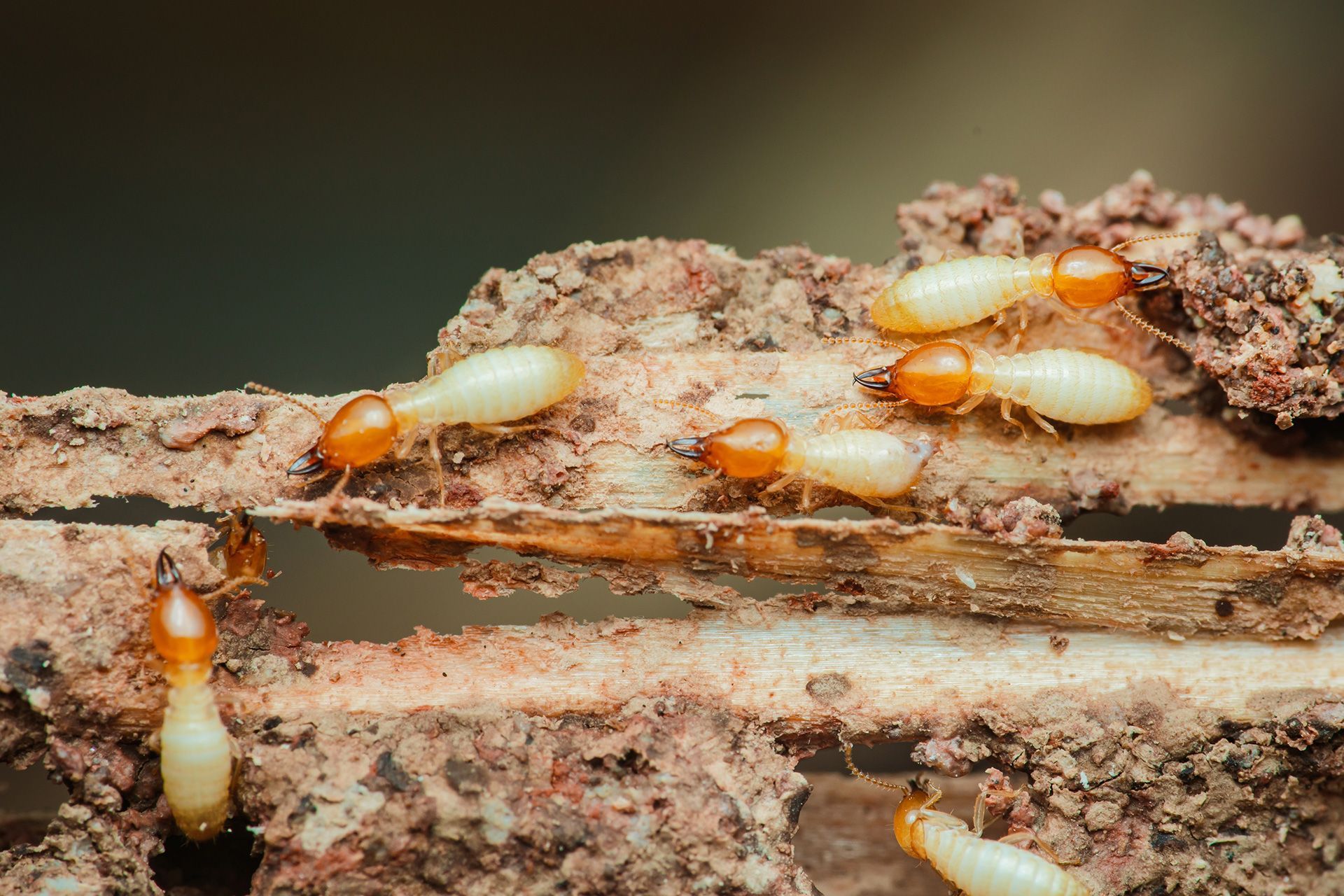
A termite inspection is a visual evaluation of accessible areas of a property for signs of termites, termite damage, wood decay, and conditions that may encourage wood-destroying organisms.
For home buyers, a termite inspection for home purchase can be especially useful because termite activity may not be obvious during a normal property tour. Fresh paint, flooring, furniture, and finished walls can make a home appear well maintained, while accessible framing, trim, crawl spaces, or exterior wood show evidence of damage.
A professional inspection can help identify these concerns before you buy the property.
In Southern California, where both drywood and subterranean termites may be encountered, buyers should understand what inspectors look for, where termites are commonly found, and what happens if evidence of activity is discovered.
What Is a Termite Inspection?
A termite inspection focuses on visible and accessible areas where termites or other wood-destroying organisms may be active.
An inspector may examine areas such as:
- Foundation perimeter
- Interior walls and trim
- Attic framing
- Crawl spaces
- Floor framing
- Eaves and fascia
- Decks
- Patio structures
- Exterior wood
- Support beams and joists
- Areas with wood-to-soil contact
A termite inspection does not involve tearing open every wall or removing finished materials. Like most property inspections, accessibility matters.
Why Do Home Buyers Need a Termite Inspection?
Termites feed on materials containing cellulose, including wood and wood-based building products.
Because much of a home's framing is concealed, termite activity can sometimes continue before a homeowner notices obvious evidence.
A termites inspection before buying can help uncover visible signs that deserve attention before you become responsible for the property.
The inspection may help a buyer:
- Identify visible termite activity
- Find previous termite damage
- Recognize wood decay
- Identify moisture conditions that can contribute to pest problems
- Discover areas where wood contacts soil
- Determine whether further pest control or repair evaluation is appropriate
The goal is not to prove that every piece of hidden framing is termite-free. It is to provide more information about accessible areas of the property.
What Types of Termites May Be Found in Southern California?
Different termites behave in different ways.
Green Valley's termite service identifies subterranean, drywood, and dampwood termites among the wood-destroying organisms it looks for.
Subterranean Termites
Subterranean termites generally live in the soil and travel between the ground and wood sources.
One visible warning sign is a mud tube, which can sometimes appear along foundation walls or other surfaces.
These tubes help termites travel while maintaining the conditions they need.
Drywood Termites
Drywood termites can infest dry wood without needing continuous contact with the soil.
One common sign is frass, which is termite waste that can resemble tiny pellets.
It may collect beneath openings in infested wood.
Dampwood Termites
Dampwood termites are associated with wood that has elevated moisture.
Finding moisture-damaged wood can therefore be important even when active termites are not immediately visible.
What Does an Inspector Look for When Inspecting for Termites?
When inspecting for termites, the professional is looking for more than insects walking across wood.
Evidence may include:
- Mud tubes
- Frass
- Damaged wood
- Hollowed or weakened wood
- Discarded wings
- Visible termite activity
- Previous treatment evidence
- Moisture-damaged wood
- Wood rot
- Wood-to-soil contact
The inspector may also note property conditions that increase the chance of future infestation.
For example, wood siding extending into the soil can create a more favorable pathway for certain termites.
Interior Areas Inspectors May Check
Accessible interior areas can provide useful clues.
The inspector may look around:
- Baseboards
- Window frames
- Door frames
- Cabinets
- Wood trim
- Garage areas
- Plumbing locations
- Walls where visible damage is present
Termite damage may sometimes resemble ordinary deterioration.
That is why an experienced inspection is more useful than simply looking for small holes in wood.
Exterior Areas That Deserve Attention
The exterior is also important when professionals inspect for termites.
The inspection may include accessible:
- Foundation edges
- Exterior trim
- Eaves
- Fascia
- Siding
- Decks
- Wooden stairs
- Patio covers
- Fences when included
- Other wooden structures
Special attention may be given to areas where wood is close to or touching soil.
The inspector may also look for drainage and moisture conditions that can contribute to deterioration.
Attics and Crawl Spaces
Attics and crawl spaces can reveal conditions that are not visible inside finished rooms.
When accessible, an inspector may evaluate:
- Rafters
- Joists
- Beams
- Subflooring
- Support posts
- Other framing
- Moisture-damaged wood
Crawl spaces deserve particular attention because they may contain both structural wood and moisture conditions.
Green Valley includes accessible attic framing, crawl spaces, subfloor areas, support beams, and joists within its stated termite inspection scope.
What Conditions Can Attract Termites?
An inspection should not focus only on existing insects.
Certain property conditions may make termite or wood-destroying organism problems more likely.
Common concerns include:
Excess Moisture
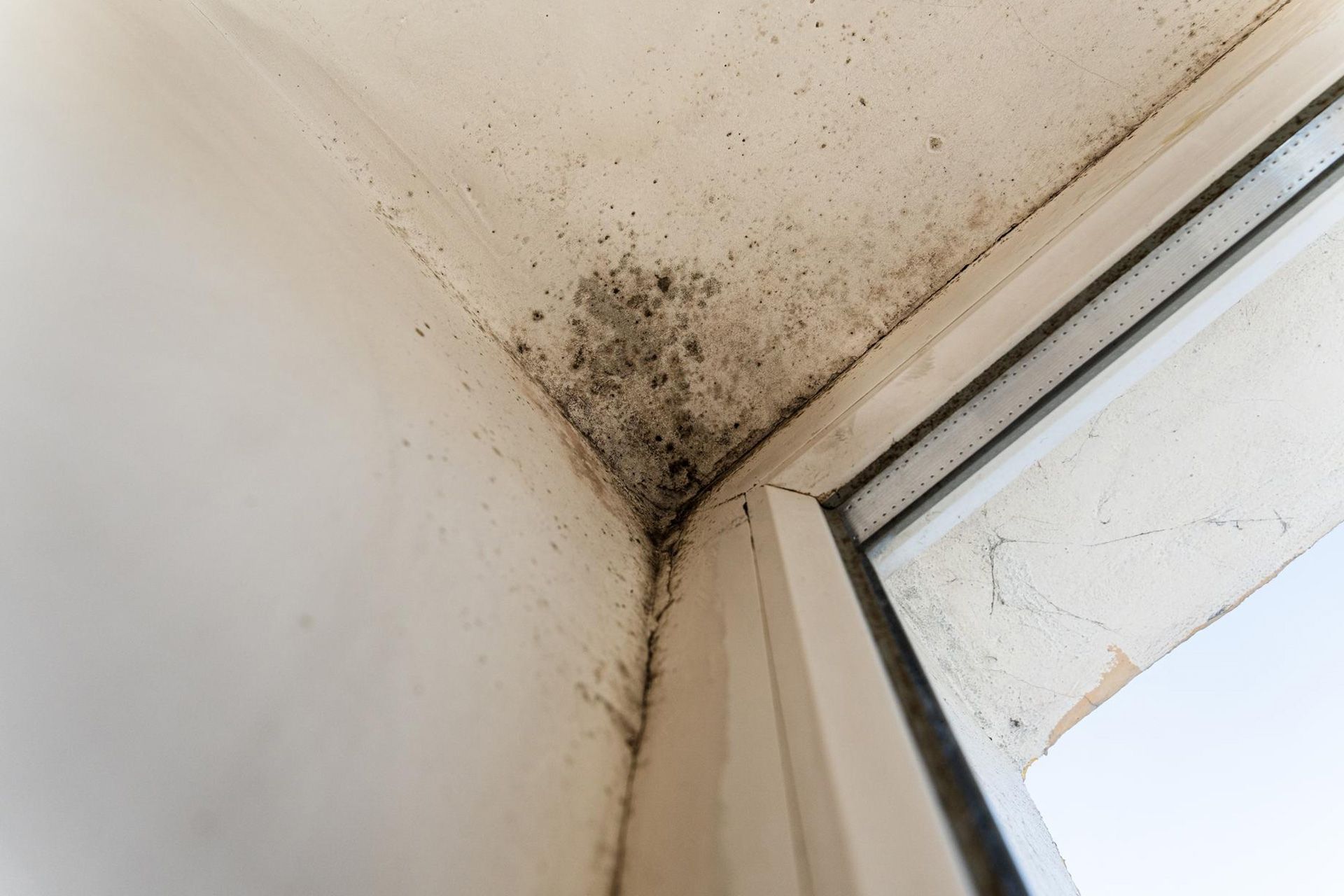
Moisture can damage wood and create conditions favorable to decay and some wood-destroying organisms.
Possible sources include:
- Plumbing leaks
- Poor drainage
- Roof leaks
- Irrigation
- Crawl-space moisture
Fixing moisture problems can be an important part of protecting the property.
Wood-to-Soil Contact
Wood touching soil can create favorable conditions for termite access and moisture damage.
Examples may include:
- Siding extending too low
- Wood posts embedded in soil
- Exterior trim contacting landscaping
- Stored lumber against the house
Damaged Wood
Cracked, decayed, or water-damaged wood can deserve further evaluation.
The underlying moisture source should also be addressed when appropriate.
What Is the Difference Between a Home Inspection and a Termite Inspection?
A general home inspection and a termite inspection have different purposes.
A home inspection evaluates the visible condition of major property systems, such as:
- Structure
- Roof
- Plumbing
- Electrical
- HVAC
- Interior
- Exterior
- Attic
- Insulation
A termite inspection focuses specifically on termites and other wood-destroying organisms.
A home inspector may notice damaged wood during the general inspection, but a dedicated termite evaluation provides a more focused look at pest-related evidence.
Green Valley Inspections provides its termite service as an add-on to a comprehensive property inspection, rather than as a stand-alone service.
Why Get a Termite Inspection for a Home Purchase?
A termite inspection for a home purchase can give buyers information that may affect their decision before closing.
Consider an inspection especially when:
- The home is older
- Previous termite treatment is disclosed
- Wood damage is visible
- Mud tubes or frass are present
- The property has a crawl space
- There is significant exterior wood
- Moisture problems exist
- Large areas of wood contact soil
- The seller has previous pest reports
California also maintains records of certain Wood Destroying Organism inspections. Consumers can search the state's system to determine whether a WDO inspection was filed for a property during the previous two years.
Previous reports can be useful, but they do not necessarily replace a current inspection because property conditions can change.
Are Termite Inspections Required When Buying a Home?
Not every California home purchase automatically requires a termite inspection.
However, buyers, lenders, contracts, or other parties may request one depending on the transaction.
California's Structural Pest Control Board notes that lending institutions may require a wood-destroying organism inspection in connection with financing.
Buyers should confirm requirements with their lender and real estate professional rather than assuming every transaction follows the same process.
What Happens If Termites Are Found?
Finding termite evidence does not automatically mean the home should not be purchased.
The next step depends on what was discovered.
The inspector may document:
- Active activity
- Evidence of previous infestation
- Damaged wood
- Moisture concerns
- Conditions favorable to infestation
- Areas needing further evaluation
A qualified pest-control professional may then recommend appropriate treatment.
Damaged structural wood may also need evaluation by a contractor or other qualified professional.
The important point is to understand the extent of the visible concern before deciding what to do next.
Can an Inspection Find Every Termite?
No.
A termite inspection has limitations because many parts of a building are concealed.
Inspectors generally cannot see through:
- Drywall
- Finished ceilings
- Flooring
- Cabinets
- Insulation
- Other covered materials
Blocked crawl spaces, stored belongings, or unsafe access can also limit the inspection.
Green Valley states that its termite inspection does not include destructive testing or evaluation of inaccessible areas.
A clean inspection therefore means that no reportable evidence was observed within the inspection scope. It should not be interpreted as a lifetime guarantee against future termites.
How Can Homeowners Reduce Termite Risk?
Homeowners can take practical steps to make the property less attractive to termites and other wood-destroying organisms.
Consider these habits:
- Repair plumbing leaks promptly.
- Correct roof leaks.
- Keep exterior drainage working properly.
- Avoid unnecessary wood-to-soil contact.
- Keep crawl spaces reasonably dry.
- Replace damaged or decayed exterior wood when appropriate.
- Do not store firewood against the house.
- Pay attention to unexplained frass or mud tubes.
- Investigate recurring moisture problems.
Preventive maintenance cannot guarantee that termites will never appear, but it can reduce conditions that encourage infestation.
Termite Inspections in Southern California
Southern California homes vary greatly in age, construction, foundation type, landscaping, and moisture exposure.
Properties across San Bernardino, Riverside, Los Angeles, Orange, and San Diego counties may encounter different termite conditions.
Older homes may have previous repairs or treatments. Newer properties can also experience termite activity.
That is why the age or appearance of a house should not be the only factor when deciding whether to schedule a termites inspection.
The condition of the actual property matters most.
Protect Your Home Purchase With the Right Inspection
A termite inspection can help buyers identify visible termite activity, previous damage, wood decay, moisture concerns, and other conditions that may affect wooden parts of a property.
When you inspect for termites before purchasing a home, you gain information about an area that can easily be overlooked during a normal showing.
Green Valley Inspections offers termite inspections as an add-on to its comprehensive property inspections throughout Southern California. The evaluation covers accessible interior and exterior areas, attics, crawl spaces, and visible signs of wood-destroying organisms. Contact Green Valley Inspections when scheduling your home inspection to add a termite evaluation and better understand the property's visible condition before closing.
If your lender or real estate transaction specifically requires an official California WDO report, confirm the required report and licensing with the provider before scheduling.
Frequently Asked Questions
What is a termite inspection?
A termite inspection is a visual evaluation of accessible property areas for evidence of termites, termite damage, wood decay, and conditions that may support wood-destroying organisms.
What do inspectors look for when inspecting for termites?
Inspectors may look for mud tubes, frass, damaged or hollowed wood, visible termite activity, wood rot, moisture problems, and wood-to-soil contact.
Should I get a termite inspection before buying a house?
It can provide valuable information before closing, especially when the home has visible wood damage, previous termite treatment, moisture problems, a crawl space, or other risk factors.
Can termites be present even if I do not see them?
Yes. Termites may be active inside concealed building materials. A professional inspection evaluates accessible areas for evidence that homeowners may overlook.
Is a termite inspection included with a normal home inspection?
Not necessarily. Green Valley Inspections currently offers termite inspection as an add-on to its comprehensive property inspection service.
Does a termite inspection include treatment?
Green Valley's termite inspection service does not include extermination or treatment. If activity is identified, additional evaluation or treatment by an appropriate pest professional may be recommended.
Does a clean termite inspection guarantee the home has no termites?
No. Inaccessible and concealed areas cannot be fully evaluated during a visual inspection, and future infestations can occur. The report describes conditions visible and accessible at the time of inspection.
Disclaimer: The information on this website and blog is for general informational purposes only and is not professional advice. We make no guarantees of accuracy or completeness. We disclaim all liability for errors, omissions, or reliance on this content. Always consult a qualified professional for specific guidance.
Search
Certification
Green Valley Inspections is InterNACHI Certified, a Certified Master Inspector, and CCPIA-certified, demonstrating advanced training, extensive experience, professional ethics, and expertise in residential and commercial property inspections across Southern California.


Social Media
Google Reviews

5-star ratings from 440+ clients across Southern California.
Contact Us
Recent Post



Service Areas
We offer home inspection services throughout the following counties: