
Building a Fire-Resistant Home: Smart Choices for Safety

When constructing a home, fire resistance should be a top priority. Fires can spread rapidly, but with strategic planning and the right materials, you can significantly reduce risks. Here are some key elements to consider when designing a home that stands strong against flames.
Choose Fire-Resistant Building Materials
The materials you use can make all the difference. Opt for non-combustible materials such as fiber cement siding, stucco, or brick for exterior walls. Metal or tile roofing is far less likely to ignite compared to traditional asphalt shingles. For framing, consider treated lumber or, even better, steel framing, which won’t fuel a fire.
Install Tempered Glass Windows
Windows are often weak points during a fire. Standard glass can shatter from intense heat, allowing flames and embers inside. Upgrading to tempered glass or multi-pane windows improves resistance and helps maintain the integrity of your home.
Protect the Eaves and Vents
Roof eaves and vents are vulnerable entry points for embers. Installing ember-resistant vents and enclosing eaves can prevent fire from entering the structure. Choose fine metal mesh screens over vents to block flying embers while allowing airflow.
Defensible Space Around the Home
Landscaping plays a crucial role in fire prevention. Maintain a defensible space by clearing away dry vegetation, leaves, and other flammable debris within at least 30 feet of your home. Choose fire-resistant plants and create gravel or stone pathways as barriers to slow the spread of flames.
Fire-Resistant Decking and Fencing
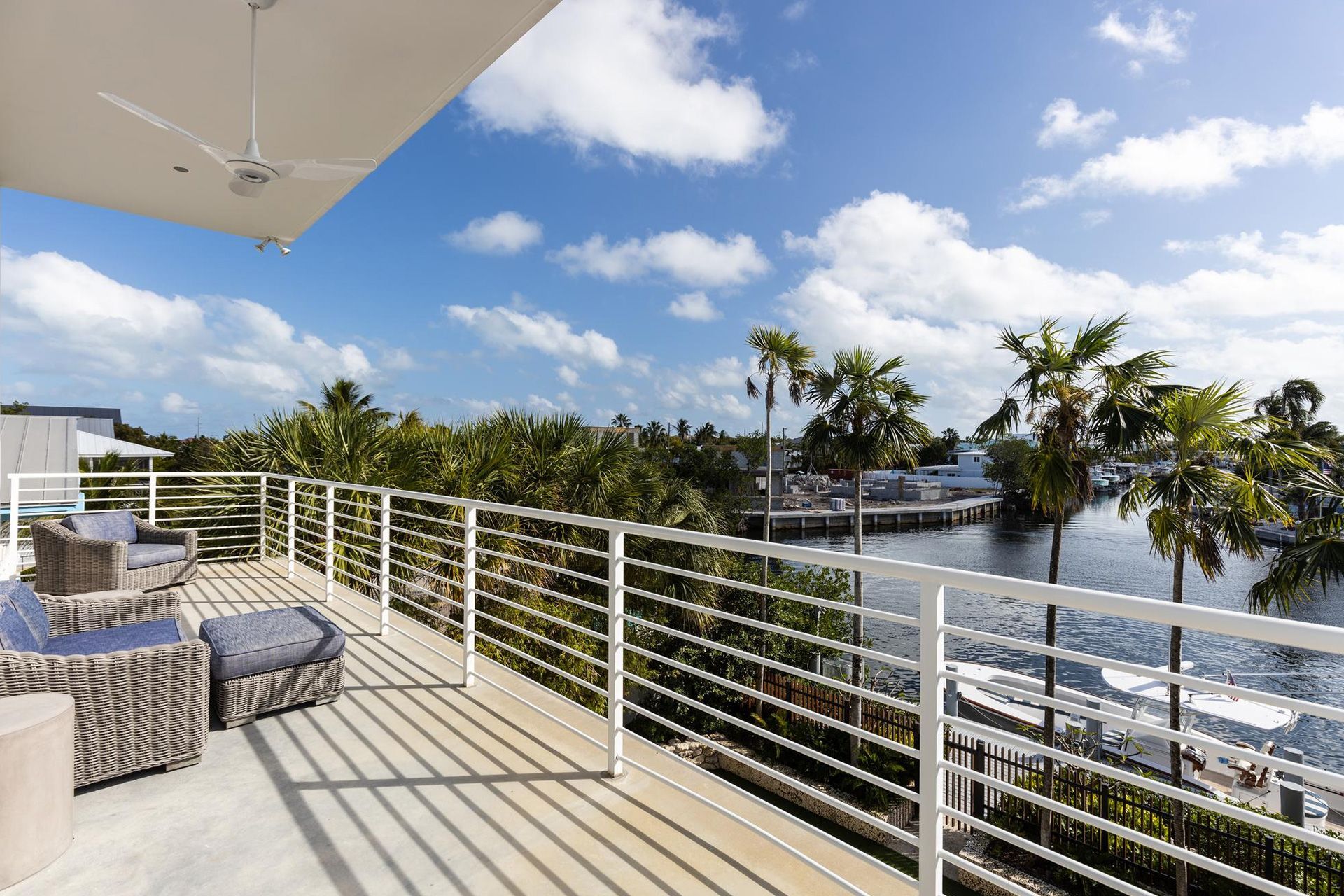
Wooden decks and fences can be a direct path for fire to reach your home. Instead, use fire-rated composite materials, concrete, or metal. If you must use wood, apply a fire-retardant treatment and keep vegetation away from these structures.
Sprinkler Systems and Fire-Resistant Barriers
Consider installing an automatic fire sprinkler system, which can extinguish a fire before it spreads. Fire-resistant barriers, such as masonry walls or retaining walls, can also add protection by blocking flames and heat.
Maintain an Accessible Water Supply
Ensure you have a water source readily available for emergencies. A well-positioned hose, water storage tank, or even a swimming pool can provide a valuable resource for firefighting efforts.
By incorporating these fire-resistant strategies, your home will be far better equipped to withstand a fire. Careful planning and material choices can mean the difference between minor damage and total loss, giving you peace of mind and added security.
Disclaimer: The information on this website and blog is for general informational purposes only and is not professional advice. We make no guarantees of accuracy or completeness. We disclaim all liability for errors, omissions, or reliance on this content. Always consult a qualified professional for specific guidance.
Search
Certification
Green Valley Inspections is InterNACHI Certified, a Certified Master Inspector, and CCPIA-certified, demonstrating advanced training, extensive experience, professional ethics, and expertise in residential and commercial property inspections across Southern California.

Social Media
Google Reviews

5-star ratings from 440+ clients across Southern California.
Contact Us
Recent Post



Service Areas
We offer home inspection services throughout the following counties: