
Roof Inspection After Installation: Do You Really Need It?
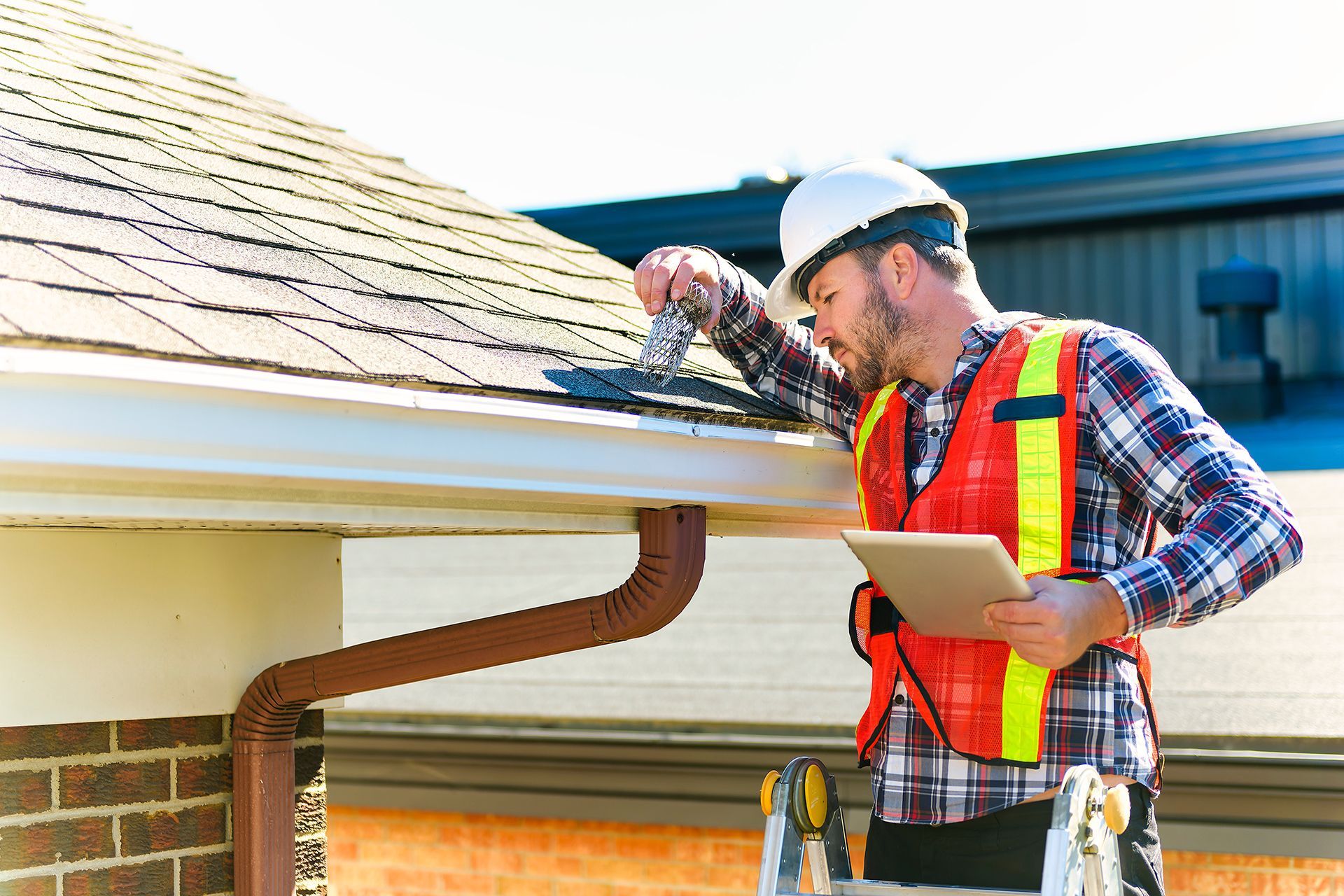
Putting on a new roofing system is undoubtedly one of the best ways to boost the appeal of one's house. Apart from shielding your belongings from harm, it also enhances your home's energy retention and gives you a substantial return on investment.
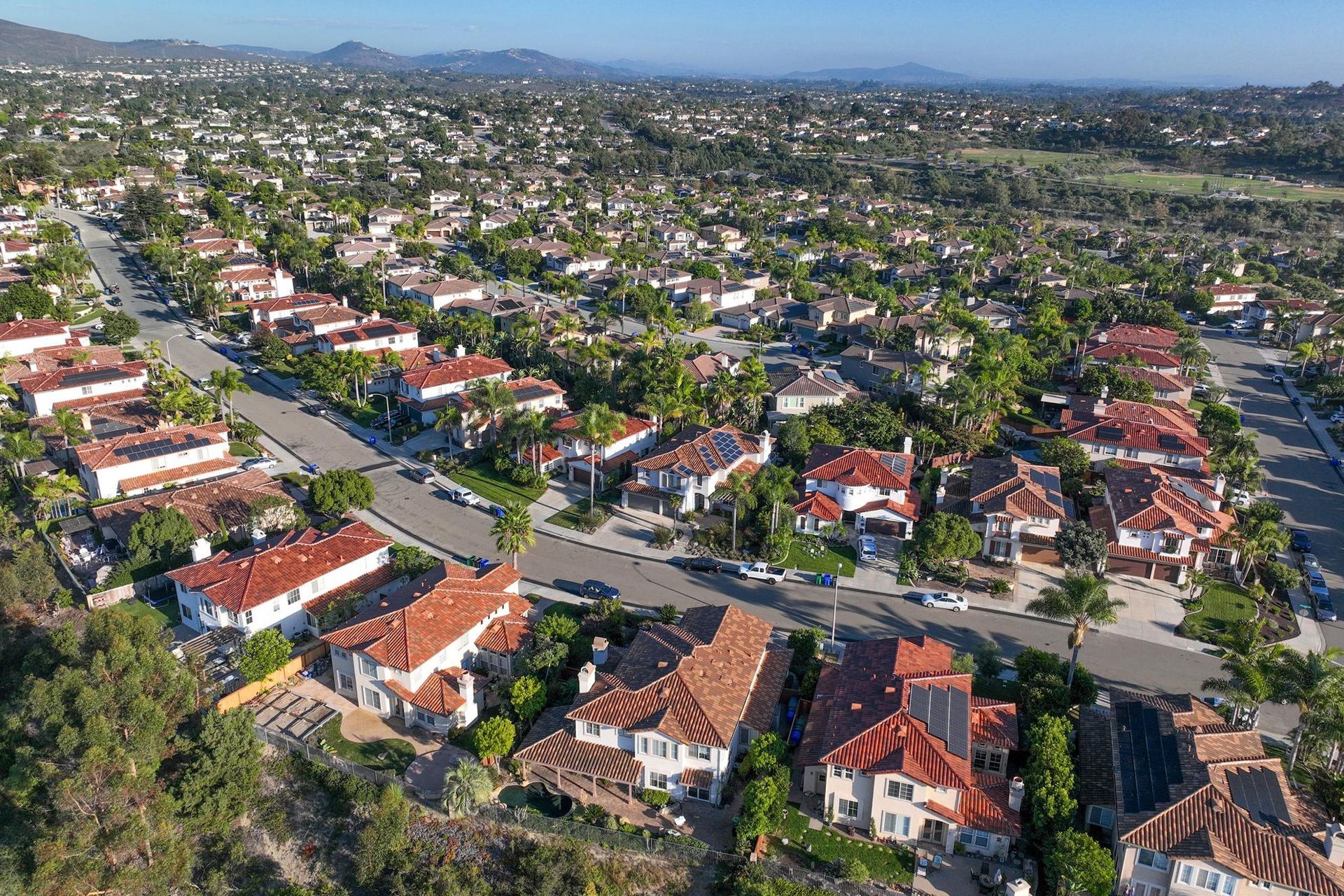
Roofs in Southern California are often exposed to extreme heat from the sun, a super-dry atmosphere, and occasional storms, a thorough roofing installation is more than necessary.
After commissioning the roofing contractors to install new ones, most homeowners do not expect anything more than assuming it is all done well. Unfortunately, even a newly installed roof can have flaws that are not obvious at first glance.
This makes a roof inspection after installation an absolute must-have. It not only reassures you that the job was done excellently but also that your roof will last and work efficiently in years to come without any problems.
What Is a Roof Inspection After Installation?
A roof inspection after installation is a comprehensive check of your new roof after construction is complete. In fact, the main objective of this activity is to check if the entire work has been executed as per the laid-down guidelines and in compliance with the safety and performance norms of the roofing materials.
Such a review is generally conducted by a certified home inspector or a skilled roofing expert who is not associated with the installation team. Their independent review provides an unbiased assessment of the work.
A proper roof inspection verifies that your new roof is of good quality, free of defects, and sufficiently durable.
Importance of Roof Inspection
Detect Installation Errors at the Earliest
Even professional roofing teams sometimes slip up and make mistakes that are barely noticeable at first on large-scale jobs. But if not corrected, the issues can have significant consequences over time.
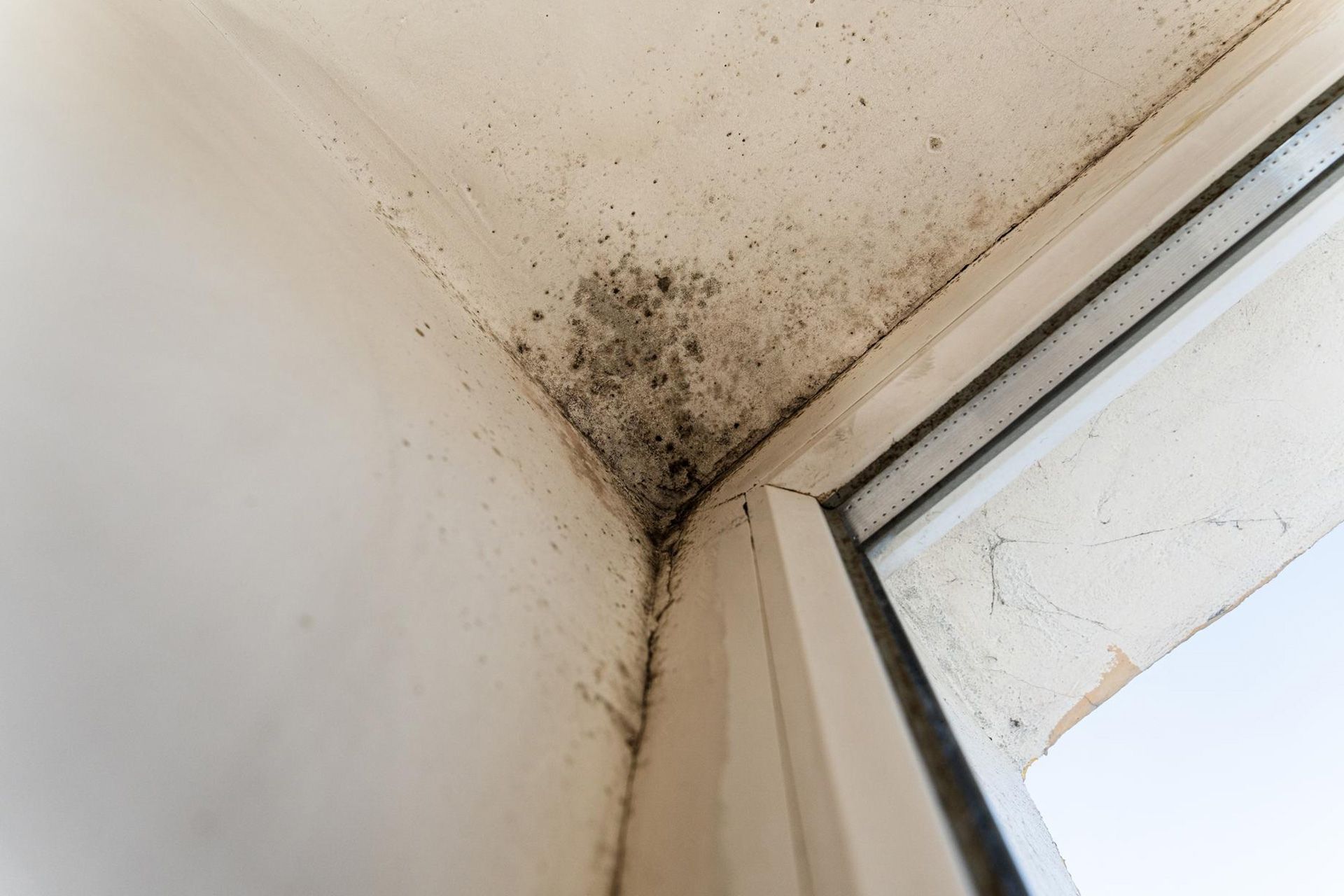
A lack of proper nailing or poorly sealed flashing is an example of how water can infiltrate the roofing system. A minor problem at the outset could lead to leaks, mold growth, and structural damage to the building over time.
Preserving Your Warranty
Most manufacturers provide warranties for different types of roofing materials. But you must ensure that the installation process is carried out in accordance with the set standard to get the maximum benefits of the warranty. Most of the time, if your roof doesn't meet the stipulated standards, the warranty may not cover future problems.
It is due to a post-installation roof inspection that you can prove the work complies with the manufacturer's rules. Besides, it keeps your warranty intact and minimizes the risk of a dispute later on.
Attaining Optimal Performance
Although a roof usually lasts for several decades, its longevity depends largely on proper installation. A small issue here or there can certainly shorten the roof's service life and reduce its efficiency. Inspections will ensure your roof is capable of withstanding everyday use and environmental conditions.
Feel Safer and More Secure
After spending money on a new roof, it is quite common to want reassurance. Roof inspection is a method for ensuring that the work has been carried out correctly. Rather than fearing the problems that might not be visible, you will get unmistakable proof that your roof is perfectly fine.
Why Roof Inspections Matter in Southern California
Indeed, California is challenging enough as it is! Over here in Southern California, roof inspections are even more important due to the added challenges.
The area may get very intense sun year-round. This nonstop exposure can actually cause impact roofs to heat up, dry out, and weaken if the installation was not done properly. Besides, rain that comes once in a while can really bring out the weakest parts of flashing or sealing.
Moreover, coastal folks have to deal with salty, moist air. On the other hand, inland residents are subjected to the scorching heat. Given these environmental factors, even a small installation flaw can cause accelerated wear and damage.
Roof inspection is one way to safeguard your new roof against such local climatic conditions.
What Does a Roof Inspection Include?
Thoroughly inspecting a roof reveals a few key aspects that are always strong indicators of its condition.
Exterior Inspection
Shingles or tiles can be inspected to see if they are adequately fixed and aligned on the roof surface. Any area exposed through a chimney, vents, or edges requires attention. Ensure that the flashing serves its purpose, is properly sealed, and will prevent water infiltration indefinitely.
Checking gutters and downspouts is part of the inspection. The inspector should make sure the home is adequately cleared of water by the drainage system.
Interior Inspection
The attic and interiors should be inspected as well. Problems like dampness, leaks, or poor ventilation are what inspectors look for.
Homeowners who do not have a silent night because of the heat can benefit from adequate ventilation. It also prevents moisture from accumulating and damaging the roof over time.
Structural Review
In addition to checking the materials and surfaces, attention should also be given to the overall structure. Doing so includes detecting sagging areas, uneven patches, or weak points that suggest the structure lacks adequate support.
Problems Arising After Roof Installation
New roofs can sometimes have problems, too. These problems are usually minor at first, but if they remain unattended, they can cause serious damage.
A few of the most frequently encountered problems are:
- Shingles or tiles that are loose or missing
- Flashing installed incorrectly
- Large enough gaps for water to seep in
- Incorrect ventilation setup
- Roofing materials that look uneven or are out of line
Eventually, a few of the consequences of these issues are leaking, increased energy consumption, and decreased roof durability.
When Should You Schedule the Roof Inspection After Installation?
The best time for scheduling a roof inspection after installation is immediately after the job is done. Then, you can spot any problems and get them fixed while still possible.
Also, try to coordinate the inspection before making the full payment to your contractor. This way, if the inspector finds anything that needs fixing, you have the contractor's attention.
Another option is to schedule a roof inspection shortly after the first rainfall, as wet conditions may make some defects obvious.
Who Should Perform the Roof Inspection?
Ideally, hire an outside person if you want a truly reliable and paid-off result. That way, the inspection is more about impartiality and focused on quality.
Find a pro who is certified, highly experienced, and familiar with the Southern California area's roofing environment. The best way to choose the right person is to see their track record and credentials.
Advantages of Having Your Roof Inspected Right After Installation
Getting a professional to inspect your roof offers several significant advantages.
- It can save you money by catching faults in no time.
- It keeps your roof in top condition for longer by making sure that the installation was done right.
- Having your roof inspected gives you a sense of security and can enhance your home's value as well. Buyers and appraisers feel more confident when they know the roof has been professionally evaluated.
Roof Inspection vs Contractor Walkthrough
It is common for homeowners to put their faith in a contractor walkthrough as the last step, but the truth is, it is not the same as a complete inspection.
A walkthrough is typically a brief visual check done by the installer. On the other hand, a professional inspection is a thorough and unbiased evaluation aimed at identifying potential issues.
For complete protection, a professional roof inspection is the better choice.
Schedule Your Roof Inspection Today
Installing a new roof certainly adds to the beauty and value of your house. But the performance of your roof should not be left to mere chance. It is recommended to schedule a professional inspection of the new roof after installation, so that any hidden issues in your roof are detected early.
Green Valley Home Inspections has a team of professionals who can perform thorough and trustworthy roof inspections, so you will be completely at peace. We cover Southern California and know what to look for when evaluating a newly installed roof.
Schedule your roof inspection today to ensure your investment is fully protected.
FAQs
Is a roof inspection after installation really necessary?
It is indeed necessary because it confirms if the installation has been done correctly. Additionally, it helps in avoiding damage that might require expensive repairs in the future.
How long does a roof inspection take?
A roof inspection typically takes one to two hours, depending on the roof’s size and design complexity.
Can I inspect my roof myself?
Though you can check basic conditions yourself, hiring a professional will be more thorough, and their results are more reliable.
What happens if the inspection finds problems?
If defects are discovered, especially if the project is still covered by warranty, you can have your contractor correct them.
Does every new roof pass inspection?
New roofs can also suffer from installation mistakes that go unnoticed and require fixing.
Why is roof inspection important in Southern California?
Due to the region’s intense sun, heat, and occasional rain, even small installation errors can quickly damage a roof. That is why a roof inspection is very important.
Search
Certification
Green Valley Inspections is InterNACHI Certified, a Certified Master Inspector, and CCPIA-certified, demonstrating advanced training, extensive experience, professional ethics, and expertise in residential and commercial property inspections across Southern California.
Social Media
Google Reviews

5-star ratings from 440+ clients across Southern California.
Contact Us
Recent Post


Service Areas
We offer home inspection services throughout the following counties: