
New Construction Inspections: Protecting Your Investment From Day One
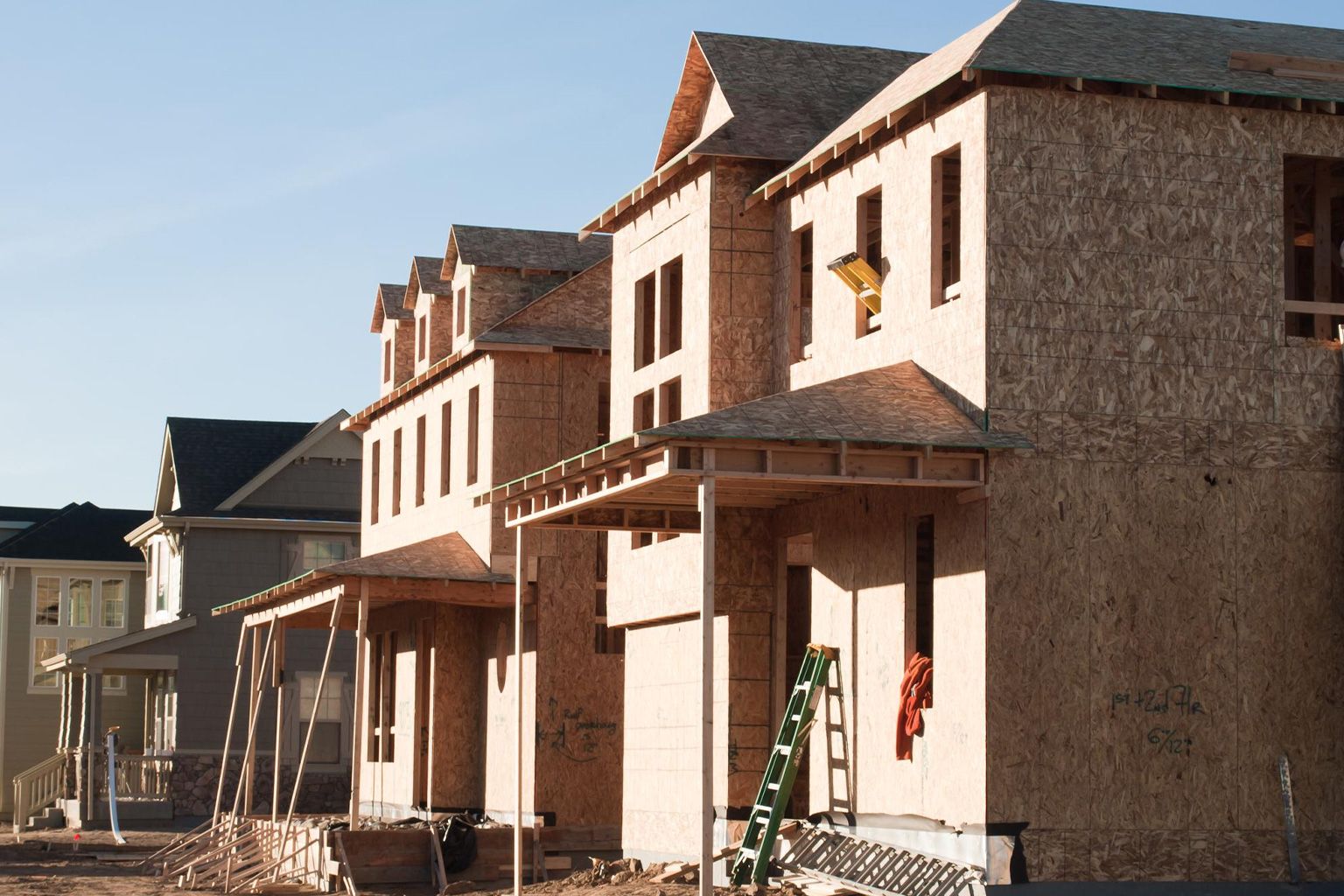
Buying a newly built home is exciting. Everything looks fresh, modern, and untouched. You may assume that because the property is brand new, there is little to worry about. But new construction can still have defects, unfinished work, installation problems, and issues that are not obvious during a casual walkthrough.
A new home passes through several stages before it is ready for occupancy. Different contractors and subcontractors may work on plumbing, electrical systems, roofing, HVAC, drywall, flooring, windows, and finishes. With so many moving parts, mistakes can happen.
An independent new construction inspection gives buyers another layer of protection. It can identify problems before they become expensive repairs and give you a clear list of items to discuss with the builder.
Why Does a New Home Need an Inspection?
One of the biggest misconceptions about newly built homes is that government or municipal inspections make a private inspection unnecessary.
Building officials generally focus on code compliance at specific stages of construction. Their role is different from that of an independent home inspector working for the buyer.
An independent inspection looks at the overall condition, installation, workmanship, functionality, and visible components of the property. It can identify concerns that may not fall within the scope of a municipal inspection.
A new home can have a loose electrical outlet, a poorly sealed window, missing flashing, a plumbing leak, an HVAC problem, or an incomplete finish even when the construction has passed required inspections.
This is why you need a home inspection for new construction.
When Should a New Construction Home Be Inspected?
A new property can be inspected at different stages of construction. The right timing depends on the project and what access the builder permits.
Pre-Pour Inspection
A pre-pour inspection takes place before concrete is poured for a foundation or slab.
At this stage, important components may still be visible. Depending on the scope, an inspector may look at accessible foundation-related elements and identify concerns before they are covered by concrete.
Once concrete is poured, many components become difficult or impossible to visually inspect.
Pre-Drywall Inspection
This inspection occurs after major systems have been installed but before drywall covers the walls.
It can provide an opportunity to observe portions of framing, plumbing, electrical work, ductwork, and other components that will later be concealed.
Finding an issue before the walls are closed can make correction much easier.
Final Inspection
The final inspection takes place when construction is substantially complete, and the property is approaching the final walkthrough or closing.
At this stage, the inspector evaluates the completed home and its major accessible systems. The goal is to identify defects, unfinished work, safety concerns, and functional problems before the buyer takes possession.
What Does a Final Construction Inspection Check?
A final inspection should look at the home as a complete property rather than focusing on one individual system.
Exterior
The exterior inspection may include accessible roofing components, exterior walls, siding, flashing, drainage, grading, windows, doors, driveways, walkways, patios, and other visible features.
Inspectors may look for incomplete finishes, damaged materials, poor drainage, gaps, or installation concerns.
Interior
Inside the home, an inspector can review walls, ceilings, floors, doors, windows, stairs, railings, cabinets, countertops, and other accessible components.
Cosmetic defects may also be documented where they are relevant to the condition and workmanship of the property.
Plumbing
The inspector may operate accessible plumbing fixtures and look for leaks, drainage concerns, improper installation, water pressure issues, or other visible problems.
A new plumbing system should still be checked because installation mistakes can occur even when the components themselves are new.
Electrical
Electrical outlets, switches, fixtures, panels, and other accessible components can be reviewed for visible concerns and proper operation within the electrical inspection's scope.
Problems such as non-functioning outlets or incorrectly installed fixtures can be easier to address before closing.
HVAC
Heating and cooling systems should be operating properly and providing appropriate airflow.
An inspector may examine accessible equipment, controls, vents, ductwork, and other components. Issues such as airflow imbalance, unusual operation, or installation concerns may warrant attention.
Attic and Insulation
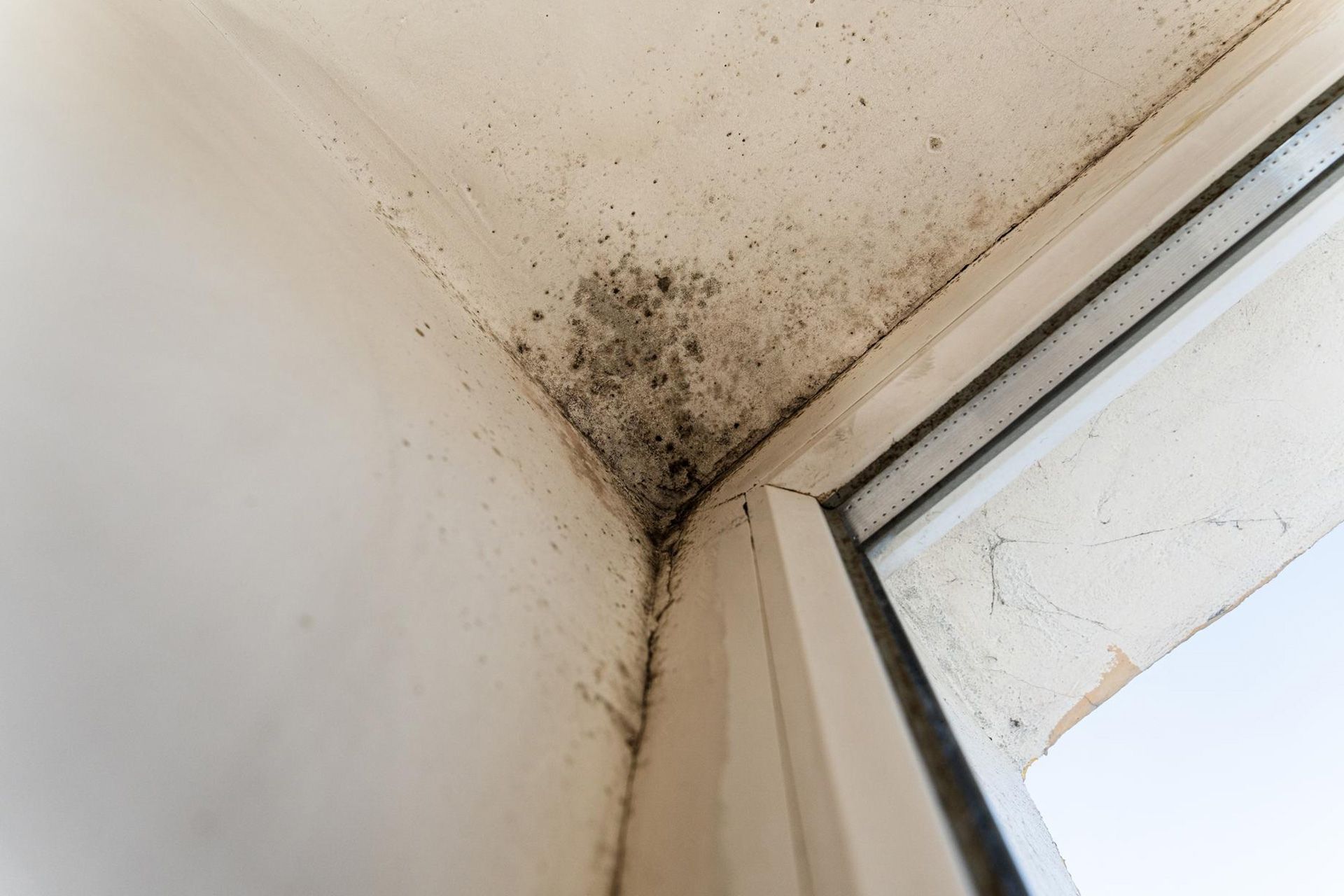
The attic can reveal information about insulation, ventilation, framing, moisture signs, and other components.
Poor insulation installation or inadequate ventilation can affect energy efficiency and contribute to future problems.
What Happens After the Inspection?
The inspection should result in a clear report documenting relevant findings.
A useful report should explain what was observed and include photographs where appropriate. This gives the buyer something concrete to discuss with the builder.
The buyer can then create a punch list of items requiring correction.
It is generally better to address problems while the builder is still responsible for completing the work. Once you move in, identifying and coordinating repairs can become more complicated.
However, not every inspection finding necessarily needs immediate correction. The buyer should discuss significant issues with the builder and appropriate professionals to determine the best course of action.
Should You Attend the Inspection?
If possible, attending can be helpful.
Walking through the property with the inspector gives you an opportunity to ask questions and learn about the home's systems. You can also see certain findings in context rather than discovering them later in a report.
Green Valley Inspections encourages clients to attend inspections whenever possible and provides a verbal summary at the end of the inspection.
You do not need to be an expert. The inspector's job is to explain relevant findings in straightforward terms.
Don't Forget the Builder's Warranty
A builder warranty can provide valuable protection, but it should not be viewed as a substitute for an independent inspection.
Warranty coverage varies by builder and contract. Some items may have different coverage periods or requirements. An inspection before closing can help identify concerns while they are still easier to document and address.
There can also be value in scheduling an inspection before a builder warranty expires. An 11th Month Inspection is designed to identify issues that may have developed during the first year before the 12-month builder warranty expires.
How to Prepare for Your New Home Inspection
Buyers can take several simple steps to make the process more useful.
First, ask the builder when the home will be substantially complete. You want the inspection performed at a stage where major systems and components can be properly evaluated.
Next, confirm which inspection stages the builder allows.
Keep relevant construction documents available where appropriate. Plans, warranties, appliance information, permits, and other records may help provide context.
Finally, discuss any specific concerns with your inspector before the appointment. If you are particularly concerned about the roof, drainage, HVAC system, solar installation, or another component, mentioning it in advance can help ensure the appropriate scope is considered.
How Inspections Protect Your Investment
A new home represents a major financial commitment. Even relatively small construction problems can become expensive if they remain hidden for years.
For example, inadequate flashing can contribute to water intrusion. Poor grading can direct water toward the foundation. Improper HVAC installation can affect comfort and efficiency. A small plumbing leak can cause damage if it remains unnoticed.
Early detection gives you more options.
The builder may be able to correct the issue before closing, reducing the likelihood that you will have to arrange and pay for repairs yourself after moving in.
This is the central value of new home inspection services: they give buyers information at a time when that information can still influence the outcome.
Conclusion
A newly constructed home should give you confidence about the years ahead. But new materials and finishes do not guarantee that every component has been installed correctly.
Independent inspection at the appropriate construction stages can help identify defects, incomplete work, installation problems, and safety concerns before they become your responsibility.
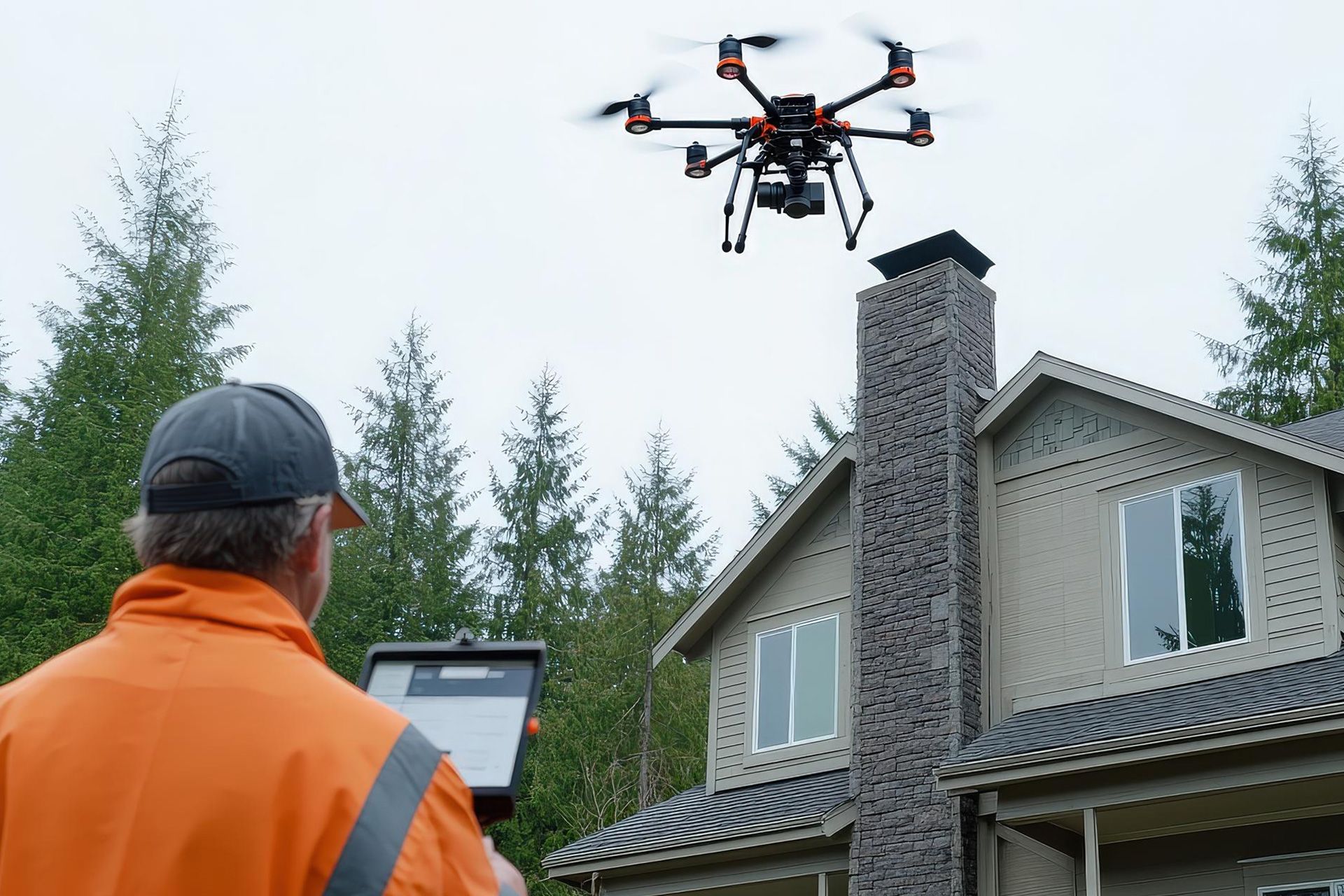
At Green Valley Home Inspections, we provide independent new construction inspection services throughout Southern California. Our certified inspectors conduct thorough evaluations at key stages, pre-drywall and final walkthroughs. We use modern inspection technology and provide clear, photo-rich reports that make it easier to understand findings and communicate them with your builder.
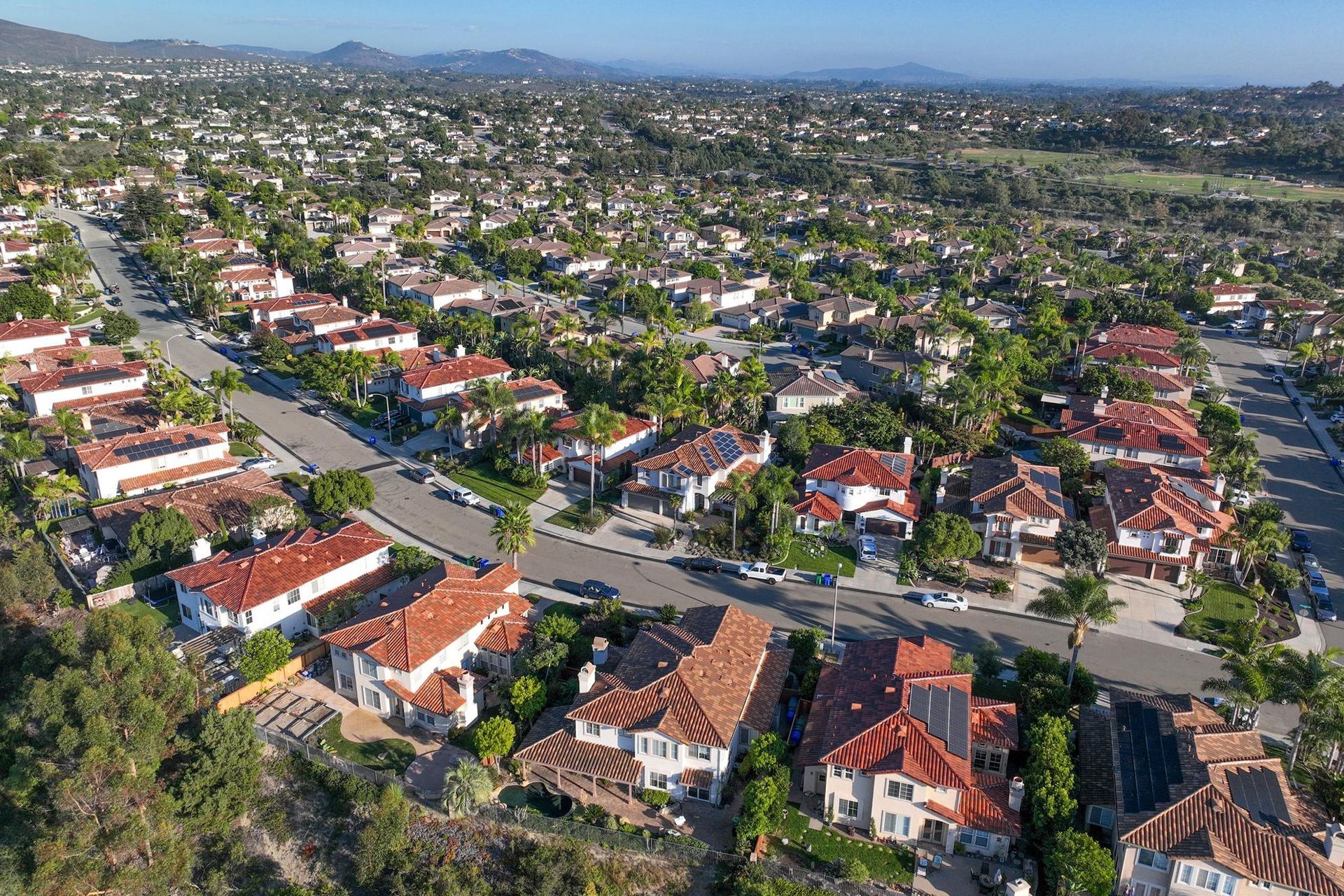
Whether you are buying a newly built home in San Bernardino, Riverside, Los Angeles, Orange, or San Diego County, we can help you understand its condition before you take ownership.
Contact Green Valley Home Inspections today and take an important step toward protecting your investment from day one.
FAQs
Do I really need an inspection if the builder has already inspected the home?
Yes. Builder and municipal inspections serve different purposes. An independent inspection provides another perspective focused on the buyer's interests and can identify issues that may have been overlooked.
What is the best time to inspect a new construction home?
A final inspection should generally occur after construction is substantially complete and before closing. Pre-pour and pre-drywall inspections can provide additional opportunities to identify components before they become concealed.
Can an inspection delay the closing of a new home?
It can if significant problems are discovered and the parties agree that corrections should occur before closing. Your purchase contract and discussions with the builder determine how such situations are handled.
What if the builder disagrees with an inspection finding?
Ask the builder to review the specific observation and supporting documentation. If there is disagreement about a technical issue, an appropriately qualified specialist may provide additional information.
Should I have the home inspected again before the builder warranty expires?
It can be a smart step. A later inspection may identify problems that were not apparent at the time of the original inspection or that developed after the home was occupied. A warranty-period inspection can give you time to raise qualifying concerns with the builder.
Disclaimer: The information on this website and blog is for general informational purposes only and is not professional advice. We make no guarantees of accuracy or completeness. We disclaim all liability for errors, omissions, or reliance on this content. Always consult a qualified professional for specific guidance.
Search
Certification
Green Valley Inspections is InterNACHI Certified, a Certified Master Inspector, and CCPIA-certified, demonstrating advanced training, extensive experience, professional ethics, and expertise in residential and commercial property inspections across Southern California.
Social Media
Google Reviews

5-star ratings from 440+ clients across Southern California.
Contact Us
Recent Post

Service Areas
We offer home inspection services throughout the following counties: