
Pool Inspection Checklist: What Home Buyers Should Look For
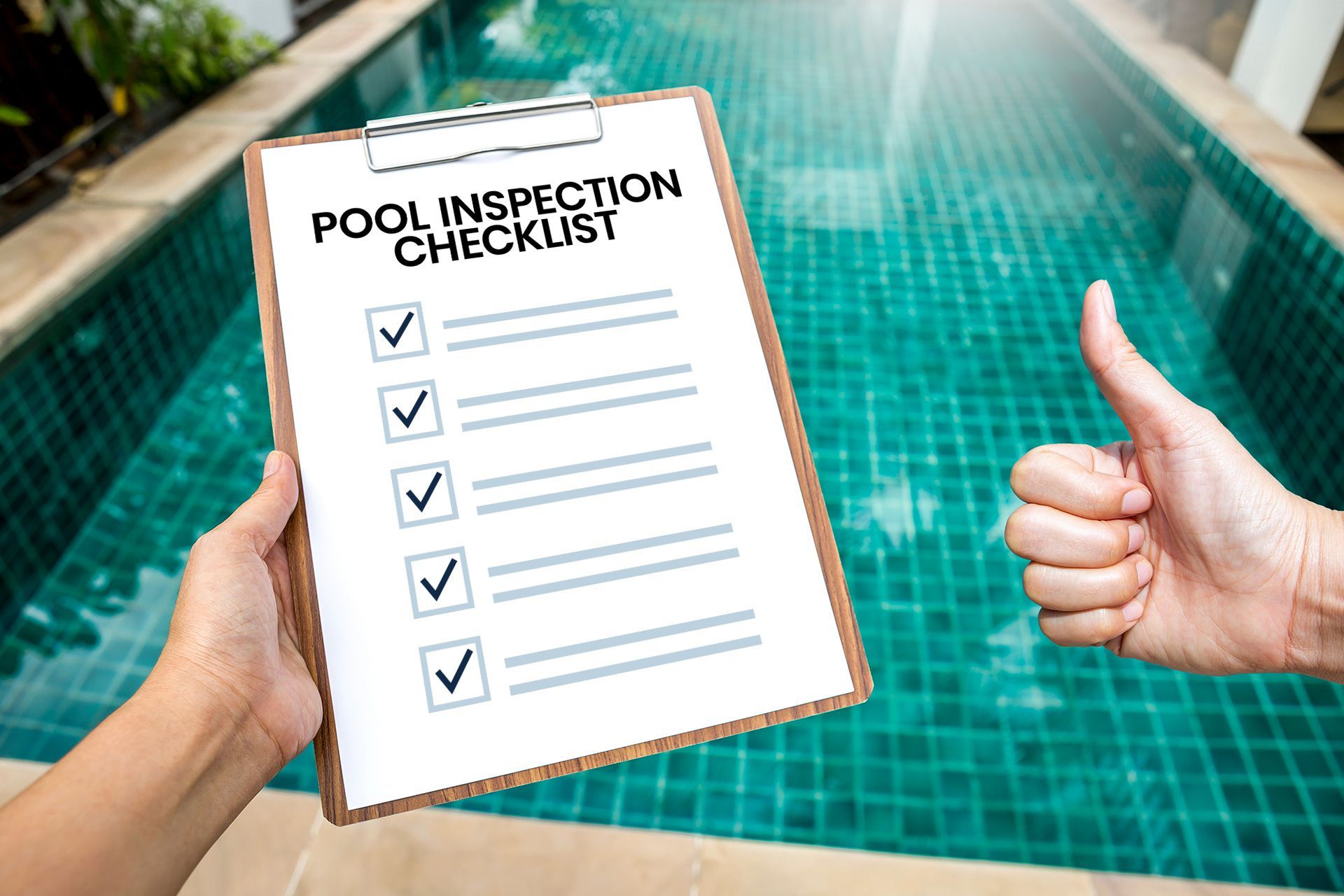
A swimming pool can be a major feature when buying a Southern California home, but it also comes with equipment, surfaces, plumbing, electrical components, and safety features that deserve attention.
A professional pool inspection can help identify visible problems before you take ownership. The inspection may look at the pool structure, decking, circulation equipment, accessible plumbing, electrical components, barriers, and other visible conditions depending on the agreed inspection scope.
A pool that looks clean and inviting can still have cracked surfaces, leaking equipment, damaged decking, poor circulation, or safety concerns that are easy to overlook during a normal home tour.
This swimming pool inspection checklist explains what buyers and homeowners should look for, what professional inspectors may evaluate, and when further review by a qualified pool specialist may be appropriate.
Why Is a Pool Inspection Important?
A pool is more than a concrete basin filled with water.
A complete pool system may include:
- Pool shell
- Tile
- Coping
- Decking
- Pump
- Filter
- Heater
- Plumbing
- Electrical equipment
- Lights
- Drains
- Skimmers
- Return fittings
- Safety barriers
- Gates
- Covers
- Alarms
A problem with any one of these components may affect operation, maintenance, safety, or future repair needs.
For buyers, pool inspections can provide useful information before closing. For current homeowners, periodic professional evaluation may help identify visible deterioration or equipment concerns before they become easier to overlook.
Swimming Pool Inspection Checklist
The exact inspection scope varies by property and inspector. However, several major areas deserve attention.
1. Pool Structure and Interior Surface
One of the first areas to evaluate is the visible condition of the pool itself.
Depending on the construction, the interior surface may consist of:
- Plaster
- Pebble finish
- Tile
- Fiberglass
- Vinyl
- Other pool finishes
Look for visible:
- Cracks
- Missing tiles
- Surface deterioration
- Staining
- Loose materials
- Areas of damaged finish
- Unusual separation
Not every small surface crack means the pool is structurally failing.
Some defects may be cosmetic, while others can indicate movement, aging materials, or a condition that deserves specialist evaluation.
A professional should consider the location, pattern, and extent of the defect rather than making a conclusion based on one crack alone.
2. Coping Around the Pool Edge
Coping is the material installed along the upper edge of many pools.
It may be made from:
- Concrete
- Stone
- Brick
- Tile
- Precast materials
During a swimming pool inspection, look for:
- Loose coping
- Cracked materials
- Missing pieces
- Open joints
- Separation
- Uneven surfaces
Damaged coping can become both a maintenance and safety concern.
Movement around the pool edge may also provide useful information about surrounding deck conditions.
3. Pool Decking
The deck area receives constant exposure to water, sunlight, foot traffic, and outdoor conditions.
Common pool deck materials include:
- Concrete
- Pavers
- Stone
- Tile
- Decorative concrete
An inspector may look for:
- Large cracks
- Uneven surfaces
- Loose materials
- Settlement
- Trip hazards
- Drainage problems
- Deteriorated joints
In Southern California, strong sun exposure and soil movement can also affect exterior surfaces over time.
A crack in the decking does not automatically mean the pool shell is damaged. However, significant movement or uneven walking surfaces deserve attention.
4. Pool Pump
The pump moves water through the circulation system.
During an inspection, the accessible pump may be operated under normal conditions when appropriate.
Visible concerns may include:
- Unusual noise
- Excessive vibration
- Water leakage
- Corrosion
- Damaged components
- Poor mounting
- Problems maintaining circulation
A pump that operates during an inspection is not guaranteed to continue operating indefinitely.
The inspection provides information about visible condition and operation at that moment.
5. Pool Filter
The filter helps remove debris and particles from circulating pool water.
Common systems include:
- Cartridge filters
- Sand filters
- Diatomaceous earth filters
A visual inspection may look for:
- Leaks
- Cracked housings
- Corrosion
- Damaged gauges
- Improper connections
- Evidence of deferred maintenance
Internal filter media may not be fully evaluated during a normal visual inspection unless that work is included in the agreed scope.
6. Pool Heater
Some pools include gas or electric heating equipment.
The inspector may examine accessible components for conditions such as:
- Visible corrosion
- Leakage
- Damaged controls
- Improper installation
- Venting concerns
- Equipment deterioration
Pool heaters involve both water and energy systems, so damaged or questionable equipment may require further evaluation by a qualified specialist.
7. Accessible Pool Plumbing
Pool systems contain plumbing that carries water between the pool, pump, filter, heater, and return fittings.
Visible plumbing may be checked for:
- Leaks
- Cracks
- Damaged valves
- Poor support
- Previous repairs
- Corrosion at connected components
- Unusual modifications
Much of the pool plumbing may be underground and therefore cannot be directly inspected during a standard visual evaluation.
That limitation is important.
A normal inspection cannot guarantee that concealed underground piping is leak-free.
8. Skimmers and Return Fittings
Skimmers draw surface water into the circulation system.
Return fittings send filtered water back into the pool.
Visible conditions may include:
- Cracked skimmer components
- Loose fittings
- Damaged lids
- Poor circulation
- Missing parts
- Visible leakage
The inspector may also observe whether water appears to circulate normally when the system is operating.
9. Pool Drain and Suction Components
Pools contain suction components that require careful attention because improperly protected drains can create safety hazards.
Homeowners should never remove drain covers or attempt to test suction components by hand.
During a professional pool inspection, visible drain covers and other accessible safety-related components may be observed.
If a drain cover appears damaged, missing, loose, or unusual, further evaluation should be recommended rather than experimenting with the component.
10. Electrical Components
Pools combine water and electricity, making electrical safety especially important.
Accessible electrical areas may include:
- Equipment disconnects
- Wiring
- Junction boxes
- Pool lights
- GFCI protection
- Bonding components
- Equipment connections
Visible warning signs can include:
- Exposed wiring
- Damaged covers
- Corrosion
- Improper connections
- Nonworking protection devices
- Questionable modifications
Homeowners should not open energized electrical equipment themselves.
Electrical concerns should be evaluated by an appropriately qualified professional.
11. Pool Lights
Underwater and surrounding pool lights may be included in the inspection scope.
Inspectors may look for:
- Nonworking lights
- Damaged fixtures
- Water inside visible housings
- Loose components
- Electrical concerns
Pool lighting problems should be treated carefully because the fixtures operate close to water.
12. Check for Possible Pool Leaks
Pools naturally lose some water through evaporation, especially during hot and dry Southern California weather.
However, unusually rapid water loss may indicate a possible leak.
Warning signs can include:
- Frequent need to add water
- Wet soil near the pool
- Unexplained deck moisture
- Cracks around fittings
- Equipment-area leaks
- Falling water level
A standard visual inspection may identify signs that suggest leakage, but specialized leak detection may be needed to determine the exact source.
13. Pool Water Condition
Water appearance alone does not tell you whether every pool system is operating correctly.
However, the inspector may observe conditions such as:
- Cloudy water
- Heavy debris
- Visible algae
- Poor circulation
- Unusual staining
Detailed water chemistry testing may be outside the scope of a general inspection.
If water quality or chemical balance is important to the buyer, ask whether separate testing is available or whether a pool-maintenance professional should evaluate it.
14. Fences, Gates, and Pool Barriers
Safety barriers deserve particular attention.
Check visible conditions involving:
- Pool fencing
- Gates
- Latches
- Doors leading toward the pool
- Safety covers
- Alarms
- Other drowning-prevention features
A gate that does not close or latch correctly can create a serious safety concern.
California has specific requirements involving drowning-prevention features in certain residential pool situations. For residential property transfers involving one to four dwelling units, California home inspection law also requires applicable inspection reports to identify specified pool or spa drowning-prevention features and note whether fewer than two are present.
A home inspection should not automatically be treated as a complete pool code-compliance inspection. Local requirements and the circumstances of the property may also matter.
15. Pool Safety Cover
If the property has a pool cover, inspect its general visible condition.
Look for:
- Damage
- Tears
- Missing hardware
- Poor attachment
- Significant deterioration
Some covers are intended primarily to keep debris out, while others are designed as safety covers.
Do not assume every pool cover provides the same level of protection.
California law identifies certain qualifying safety covers as one possible drowning-prevention feature when applicable requirements are met.
16. Steps, Ladders, and Handrails
Entry and exit components should feel secure and appear properly installed.
Inspect visible:
- Steps
- Ladders
- Handrails
- Grab rails
Look for:
- Loose components
- Corrosion
- Cracks
- Sharp edges
- Missing hardware
- Damaged attachment points
Loose rails or ladders may present safety concerns even when the rest of the pool appears well maintained.
17. Spa or Hot Tub Components
If the property includes an attached spa, it may contain additional:
- Jets
- Controls
- Heating equipment
- Drain components
- Electrical equipment
- Plumbing
The inspection scope should clearly state whether the spa is included.
Do not assume that hiring someone for a swimming pool evaluation automatically includes every spa feature.
Common Problems Found During Pool Inspections
A pool may look attractive while still having issues that deserve attention.
Common visible findings can include:
- Cracked decking
- Damaged pool finish
- Loose coping
- Equipment leaks
- Noisy pump operation
- Corroded equipment
- Damaged filter components
- Nonworking lights
- Damaged barriers
- Gates that do not latch
- Visible electrical concerns
- Evidence of previous repairs
- Possible water loss
Not all findings have the same importance.
Some involve routine maintenance, while others may need prompt professional evaluation.
What a Pool Inspection May Not Include
Understanding inspection limitations is important.
Depending on the service, a visual inspection may not include:
- Underground pipe testing
- Destructive testing
- Opening concealed components
- Complete water chemistry analysis
- Internal equipment disassembly
- Structural engineering analysis
- Leak detection throughout hidden piping
- Full code-compliance certification
- Guarantees about future equipment performance
Always ask what is included before scheduling.
This is especially important when searching for pool inspectors near me, because different companies may offer very different inspection scopes.
Pool Inspection vs. Home Inspection
A standard home inspection and a dedicated pool evaluation are not necessarily the same service.
A home inspection focuses on the accessible major systems and components of the residence.
A dedicated swimming pool evaluation may go further into:
- Pool equipment
- Circulation
- Pool finishes
- Decking
- Heaters
- Specialized plumbing
- Pool-specific components
For California residential transfers involving a pool or spa, the home inspection process has specific requirements concerning identified drowning-prevention safety features.
Buyers should still ask the inspection company what pool equipment and systems are included in its service.
Questions to Ask When Searching for Pool Inspectors Near Me
Do not choose an inspector only because the company appears close to the property.
Ask:
- What parts of the pool do you inspect?
- Do you operate the pump and equipment?
- Do you inspect the heater?
- Are visible electrical components included?
- Do you check pool barriers and gates?
- Is the spa included?
- Do you perform leak detection?
- Do you test water chemistry?
- Will I receive photographs?
- Will findings appear in a written report?
These questions help you compare actual services rather than assuming every swimming pool inspection is identical.
Pool Inspections for Southern California Buyers
Swimming pools are common throughout Southern California, particularly in inland communities where warm weather can make outdoor living an important part of the property.
Pools in San Bernardino, Riverside, Los Angeles, Orange, and San Diego counties may experience different conditions based on:
- Age
- Sun exposure
- Soil movement
- Maintenance history
- Pool construction
- Equipment age
- Landscaping
- Previous repairs
Do not judge the condition of a pool by water clarity alone.
A clean pool can still contain equipment, surface, decking, or safety concerns.
Use a Pool Inspection Checklist Before You Buy
A professional pool inspection can help buyers better understand a pool's visible condition before taking ownership.
The pool shell, coping, deck, pump, filter, heater, plumbing, electrical components, safety barriers, gates, lights, and other accessible features all deserve attention. Pool inspections can also identify conditions that may require a qualified pool contractor, electrician, leak-detection specialist, or other professional to investigate further.
If you are buying a Southern California home with a swimming pool or spa, Green Valley Inspections can provide a detailed professional home inspection covering the property's accessible major systems and components. Contact Green Valley Inspections when scheduling and confirm the pool and spa inspection scope for your specific property. If specialized pool-equipment evaluation is needed beyond the home inspection scope, an appropriate pool professional may also be recommended.
Frequently Asked Questions
What does a pool inspection include?
The scope varies, but a pool inspection may evaluate visible pool surfaces, coping, decking, pump and filtration equipment, accessible plumbing, electrical components, lights, barriers, gates, and other safety features.
Should I get a pool inspection before buying a house?
A pool evaluation can be useful when purchasing a home with a swimming pool or spa. It can help identify visible equipment, surface, decking, leak, electrical, and safety concerns before closing.
How do I choose pool inspectors near me?
Ask what the inspection includes, whether equipment is operated, whether the spa is included, what limitations apply, and whether you receive a written report with photographs and recommendations.
Can a swimming pool inspection find underground leaks?
A visual inspection may identify signs suggesting a leak, but hidden underground plumbing usually cannot be fully evaluated without specialized leak-detection methods.
Does a home inspection include the swimming pool?
The exact equipment-inspection scope should be confirmed with the inspection company. In California residential transfers involving a pool or spa, home inspection reports also have specific requirements related to identifying designated drowning-prevention safety features.
What are common problems found during pool inspections?
Common visible concerns can include cracked decking, damaged finishes, equipment leaks, corrosion, noisy pumps, defective lights, loose rails, damaged barriers, and gates that do not close or latch correctly.
Is clear pool water proof that the pool is in good condition?
No. Water can appear clean while equipment, plumbing, electrical components, decking, or structural surfaces still have problems. The pool should be evaluated as a complete system rather than judged only by water appearance.
Disclaimer: The information on this website and blog is for general informational purposes only and is not professional advice. We make no guarantees of accuracy or completeness. We disclaim all liability for errors, omissions, or reliance on this content. Always consult a qualified professional for specific guidance.
Search
Certification
Green Valley Inspections is InterNACHI Certified, a Certified Master Inspector, and CCPIA-certified, demonstrating advanced training, extensive experience, professional ethics, and expertise in residential and commercial property inspections across Southern California.


Social Media
Google Reviews

5-star ratings from 440+ clients across Southern California.
Contact Us
Recent Post
Service Areas
We offer home inspection services throughout the following counties: