
Ensuring Backyard Swimming Pool Safety with Effective Barriers
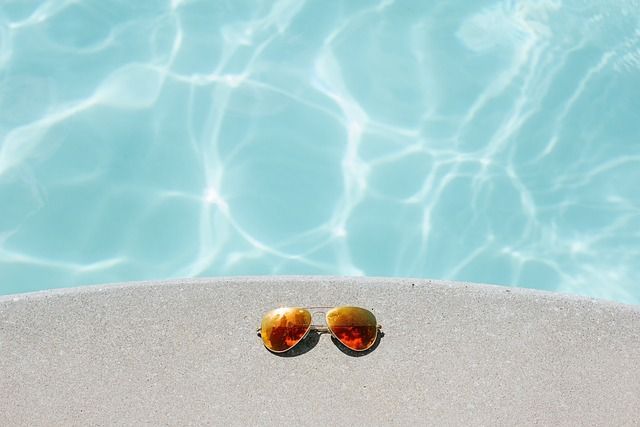
Backyard swimming pools offer endless enjoyment during the hot summer months but they also come with serious safety responsibilities. Among the most critical safety measures is the installation and maintenance of effective barriers around the pool area. These barriers serve as the first line of defense in preventing accidental drownings, particularly involving young children who are most at risk.
An effective swimming pool barrier is not just a luxury but a necessity that can save lives. The most common types of barriers include fences, walls, and safety covers, each designed to restrict access to the pool area. Here are several key considerations when evaluating or installing a pool barrier:
Height and Structure: The barrier should be at least four feet high, though higher is preferable. This height deters children from climbing over. Additionally, the structure should be designed to prevent climbing, meaning there should be no horizontal slats or footholds that can be used to scale the barrier.
Gate Mechanisms: Gates should be self-closing and self-latching, with latches positioned out of reach of small children. This ensures that the gate automatically secures itself after use, reducing the risk of it being accidentally left open. It’s important to check regularly that these mechanisms are functioning properly and have not been compromised by wear and tear.
Non-Climbable Materials: The barrier must be made from materials that do not facilitate climbing. Chain link fences, for instance, are not ideal unless they have tightly woven mesh. Opting for solid barriers such as brick walls or vertical wooden slats can offer a more secure alternative.
Clear Area Around the Barrier: Keep the area around the barrier clear of objects that could be used to climb over. This includes furniture, trees, or even decorative items. A clutter-free zone ensures the barrier remains an effective deterrent.
Alarm Systems: While not a physical barrier, installing an alarm system on gates and doors leading to the pool area can provide an additional layer of safety. These alarms can alert you when someone accesses the pool area, allowing for prompt intervention.
Regular inspections and maintenance are vital. Even the most well-constructed barriers can degrade over time or suffer damage from weather or wear. Routine checks can ensure that the barrier remains intact and fully functional, providing continuous protection.
In summary, while backyard pools are a wonderful source of fun and relaxation, ensuring their safety through effective barriers is essential. By following these guidelines and staying vigilant, you can create a safe environment that allows everyone to enjoy the pool without unnecessary risk.
Search
Certification
Green Valley Inspections is InterNACHI Certified, a Certified Master Inspector, and CCPIA-certified, demonstrating advanced training, extensive experience, professional ethics, and expertise in residential and commercial property inspections across Southern California.



Social Media
Google Reviews

5-star ratings from 440+ clients across Southern California.
Contact Us
Recent Post



Service Areas
We offer home inspection services throughout the following counties: