
Do You Need a Mold Inspection? Signs & Process Explained
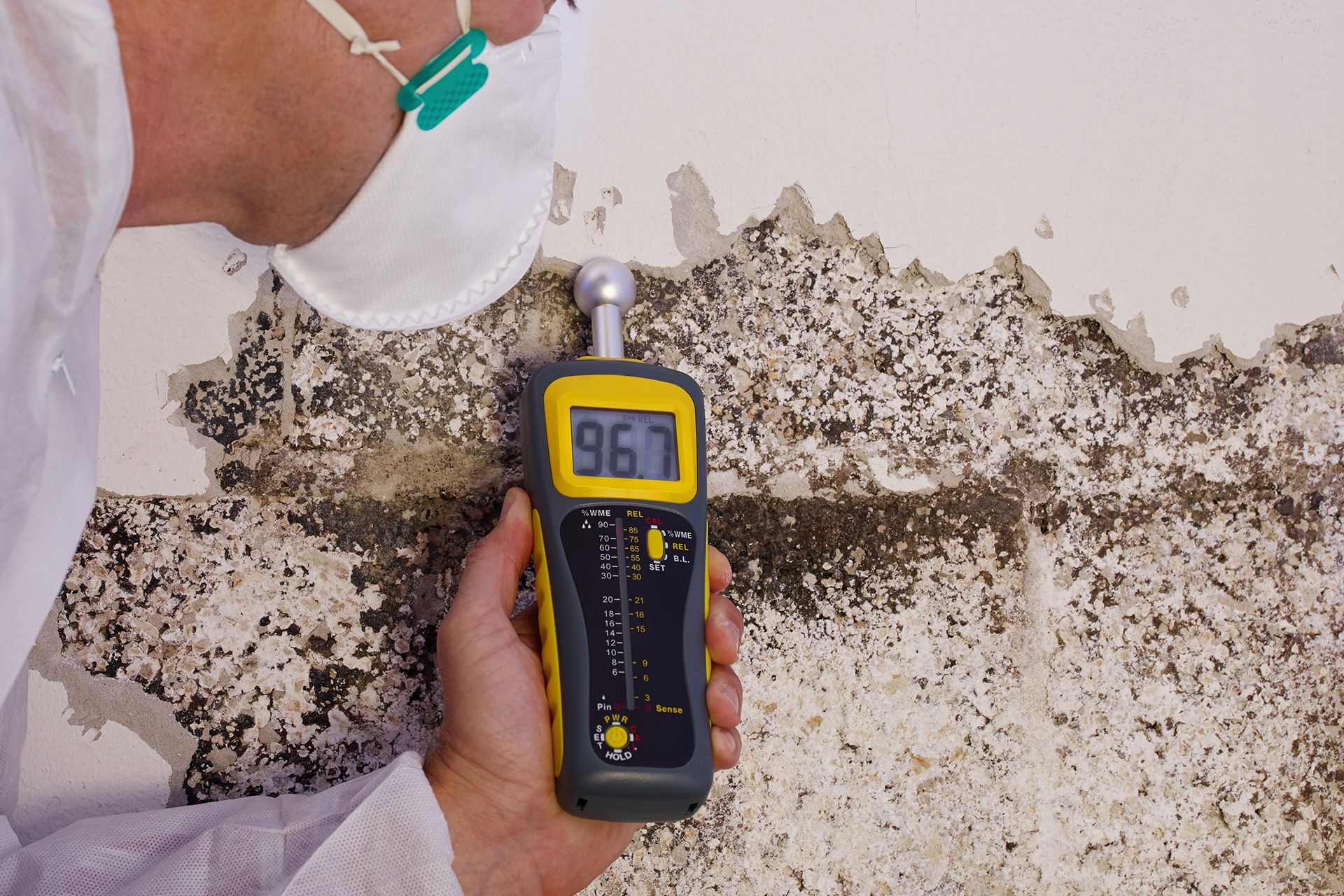
Mold is something many homeowners ignore until it becomes a serious problem. But by the time you see it, the damage may already be done. That is why a mold inspection in Southern California is so important. It helps find hidden moisture issues and mold growth before they spread.
In this guide, you will learn the signs of mold in a home, how mold inspections work, and when you should take action. This information is based on real inspection practices used by professionals like Green Valley Home Inspections, who focus on protecting homes and indoor air quality.
What Is a Mold Inspection?
A mold inspection is a detailed check of your home to find mold growth or conditions that may lead to mold. It is not just about what you can see. It also looks for hidden moisture behind walls, under floors, and in ceilings.
Professional inspectors use tools and experience to identify problem areas early. This helps prevent costly repairs and health risks later.
A mold inspection usually includes:
- Visual inspection of walls, ceilings, and floors
- Moisture testing in key areas
- Checking humidity levels
- Identifying water damage or leaks
- Air testing in some cases
A full inspection gives you a clear picture of your home’s condition.
Common Signs of Mold in Home
Many homeowners search online for signs of mold in home because mold is often hidden. It does not always grow in plain sight. Here are the most common warning signs you should never ignore.
1. Musty or damp smell
A strong, earthy smell is one of the first signs of mold. Even if you cannot see it, the smell often means mold is growing nearby.
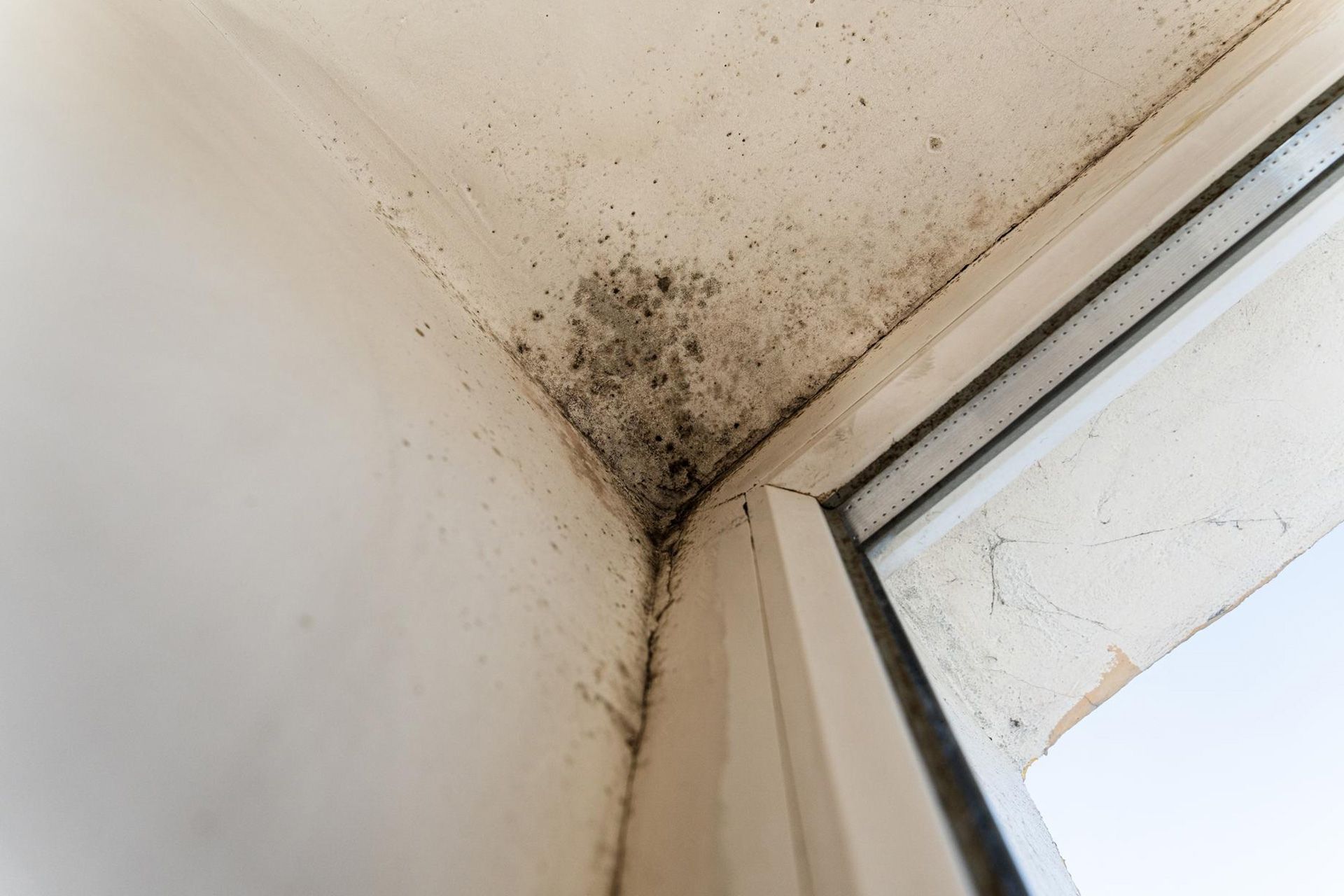
2. Visible black, green, or white spots
Mold can appear in bathrooms, basements, kitchens, and around windows. It often looks fuzzy or slimy.
3. Water stains or leaks
Brown stains on ceilings or walls usually mean water damage. Where there is water, mold often follows.
4. Peeling paint or wallpaper
Moisture trapped behind surfaces can cause paint or wallpaper to bubble or peel.
5. Health symptoms
Some people notice coughing, sneezing, headaches, or allergies that get worse at home.
If you notice any of these signs, it is a good idea to schedule a professional inspection.
Why Mold Grows Inside Homes
Mold needs three things to grow:
- Moisture
- Warm temperatures
- Organic material like wood or dust
Even small leaks or high humidity can create the perfect environment. Bathrooms, basements, and kitchens are the most common areas.
Poor ventilation also makes the problem worse. That is why controlling moisture is the key to prevention.
Health Risks of Mold Exposure
Mold is not just a home issue. It can also affect your health. While not everyone reacts the same way, exposure can lead to:
- Allergies
- Asthma flare-ups
- Eye and skin irritation
- Headaches
- Breathing problems
Children, elderly people, and those with weak immune systems are more sensitive. This is why early detection is so important.
When Should You Get a Mold Inspection?
You do not need to see visible mold to call an inspector. You should consider a mold inspection if:
- You smell a musty odor but cannot find the source
- Your home recently had water damage or flooding
- You see signs of moisture or leaks
- Family members have unexplained allergy symptoms
- You are buying or selling a home
A professional inspection helps confirm whether mold is present and how serious the issue is.
Mold Inspection Process Explained
Understanding the process can help you feel more confident. Here is what usually happens during a professional inspection.
Step 1: Visual check
The inspector walks through your home and looks for visible signs of mold or moisture damage.
Step 2: Moisture testing
Special tools measure moisture inside walls, floors, and ceilings. This helps find hidden water sources.
Step 3: Air quality testing
In some cases, inspectors use air samples to detect mold spores in the air. This is where indoor air quality testing becomes important.
Step 4: Problem identification
The inspector identifies where moisture is coming from, such as leaks, poor ventilation, or plumbing issues.
Step 5: Report and recommendations
You receive a clear report explaining what was found and what should be done next.
Tools Used in Mold Inspections
Professional inspectors use advanced tools to detect hidden issues, such as:
- Moisture meters
- Thermal imaging cameras
- Air sampling pumps
- Humidity readers
These tools help find problems that the human eye cannot see.
DIY vs Professional Mold Inspection
Some homeowners try to check for mold themselves. While this can help spot obvious issues, it has limits.
DIY inspection limits:
- Cannot detect hidden mold
- No scientific air testing
- Easy to miss moisture behind walls
Professional inspection benefits:
- Accurate detection
- Proper tools and methods
- Detailed report
- Expert recommendations
For serious concerns, a professional inspection from Green Valley Home Inspections is the safest choice.
Why Indoor Air Quality Matters
Mold affects more than just surfaces. It also impacts the air you breathe.
This is why indoor air quality testing is often included in advanced inspections. Clean air means a healthier home environment and fewer health risks.
Poor air quality can make symptoms worse, especially for people with allergies or asthma.
How to Prevent Mold Growth
Prevention is always better than repair. Here are simple ways to reduce mold risk:
- Fix leaks quickly
- Use exhaust fans in bathrooms
- Keep humidity below 50%
- Clean and dry wet areas within 24–48 hours
- Improve airflow in closed spaces
Small actions can prevent big problems later.
Benefits of a Mold Inspection
A mold inspection gives you peace of mind. It helps you:
- Find hidden mold early
- Protect your family’s health
- Avoid expensive repairs
- Maintain property value
- Improve indoor air quality
Whether you are a homeowner or buyer, it is a smart step for long-term safety.
Conclusion
Mold is a silent problem that often grows unnoticed. By the time it becomes visible, it may already be affecting your home and health.
Understanding the signs of mold in home and acting early can save you time, money, and stress.
A professional mold inspection in Southern California helps you find the real cause of moisture issues and prevents future damage.
With expert help from Green Valley Home Inspections, you can make sure your home stays safe, dry, and healthy. Early inspection is always better than late repair.
FAQs
What are the first signs I need a mold inspection?
Musty smells, water stains, and allergy symptoms are early warning signs.
Can mold grow without visible water damage?
Yes. Mold can grow in hidden areas where moisture is trapped, even if you do not see leaks.
How long does a mold inspection take?
Most inspections take 1–3 hours depending on the size of the home.
Is mold inspection necessary for new homes?
Yes. Even new homes can have hidden leaks or humidity issues that lead to mold.
What happens after mold is found?
You receive a report with findings and recommendations for removal or repair steps.
Search
Certification
Green Valley Inspections is InterNACHI Certified, a Certified Master Inspector, and CCPIA-certified, demonstrating advanced training, extensive experience, professional ethics, and expertise in residential and commercial property inspections across Southern California.
Social Media
Google Reviews

5-star ratings from 440+ clients across Southern California.
Contact Us
Recent Post




Service Areas
We offer home inspection services throughout the following counties: