
How Much Does a Mold Inspection Cost and When to Get One
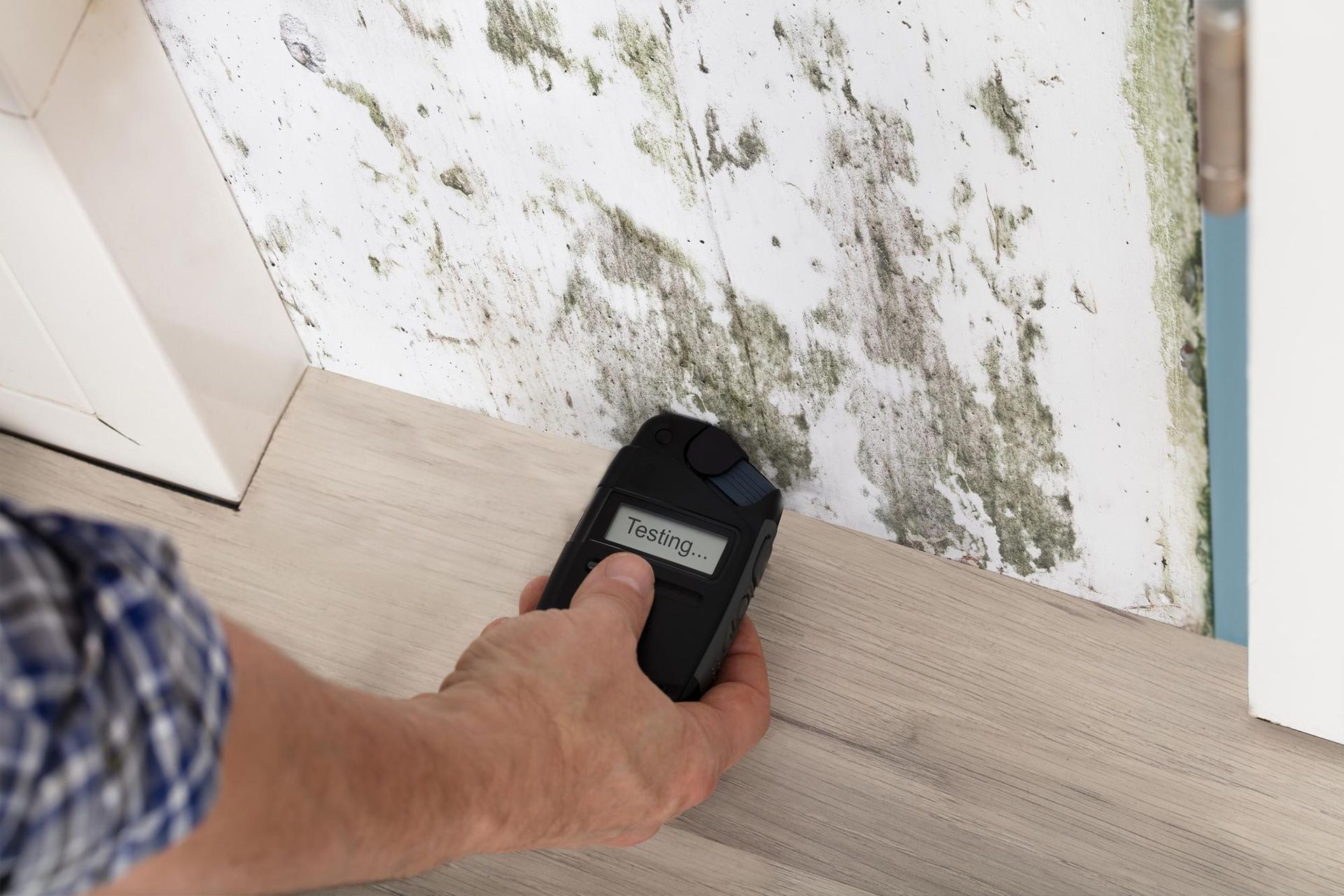
If you notice a musty odor, unexplained water stains, recurring mold growth, or signs of a past leak, you may be wondering how much does a mold inspection cost and whether you actually need one.
There is no single mold inspection price that applies to every property. The final quote can depend on the size of the home, the number of areas being evaluated, accessibility, visible moisture concerns, whether sampling is appropriate, and whether laboratory analysis is included.
A small property with one area of concern may require a different inspection scope than a larger home with several bathrooms, an attic, a crawl space, previous water damage, and possible hidden moisture.
More importantly, homeowners should understand what they are paying for. A useful mold inspection should do more than look for dark spots. It should help identify visible mold concerns, moisture sources, and conditions that may allow mold growth to continue.
Here is what affects mold inspection cost, what professional inspections may include, and when scheduling one can make sense.
How Much Does a Mold Inspection Cost?
The most accurate answer is that it depends on the property and the inspection scope.
Professional mold inspections are not all identical. The inspector may need to evaluate different rooms, building materials, moisture-prone areas, attics, crawl spaces, HVAC components, or areas affected by previous water damage.
Factors that can influence the overall mold inspection cost include:
- Property size
- Number of rooms
- Number of suspected problem areas
- Property layout
- Accessibility
- Attic or crawl space access
- Visible water damage
- Previous flooding
- Moisture assessment needs
- Air or surface sampling when appropriate
- Laboratory analysis
- Type of property
The best way to determine the actual cost is to request a quote based on your specific property and concerns.
Why Property Size Affects Mold Inspection Cost
A larger home generally takes more time to evaluate.
An inspector may need to examine accessible areas such as:
- Bedrooms
- Bathrooms
- Kitchen
- Laundry area
- Attic
- Crawl space
- HVAC areas
- Exterior walls
- Areas around windows
- Plumbing locations
A larger property may also contain multiple HVAC systems, several bathrooms, different attic spaces, or more locations where moisture could develop.
The inspector needs enough time to perform a systematic evaluation instead of rushing through the property.
This is why asking how much is a mold inspection without providing property information may not produce an accurate answer.
The Number of Problem Areas Matters
Some homeowners call because they see one suspicious area beneath a bathroom sink.
Others may report:
- Mold-like growth in several rooms
- A strong musty odor
- Previous roof leaks
- Water damage around windows
- Damp crawl-space conditions
- Ceiling stains
- Recurring bathroom mold
Those situations may require different levels of investigation.
A property with several possible moisture sources can take more time because the inspector needs to determine whether the concerns are related or separate.
The extent of the investigation can therefore influence the overall quote.
Accessibility Can Affect the Inspection
Not every area of a home is equally easy to inspect.
Mold and moisture concerns may exist in:
- Attics
- Crawl spaces
- Utility areas
- Closets
- Beneath sinks
- Behind stored items
- Around HVAC equipment
Accessible attics and crawl spaces may provide useful information about moisture, ventilation, plumbing, insulation, and building materials.
However, limited clearance, stored belongings, unsafe conditions, or blocked access can affect what the inspector can evaluate.
Does Mold Testing Increase the Scope?
It can.
A mold inspection and mold sampling are related, but they are not exactly the same service.
A visual and moisture-focused inspection may identify:
- Visible mold-like growth
- Water damage
- Active leaks
- Elevated moisture
- Condensation
- Poor ventilation
In some situations, air or surface sampling may also be appropriate.
When samples are collected, they may need to be analyzed by a laboratory. Green Valley Inspections states that air and surface samples may be recommended when appropriate and are analyzed by accredited laboratories.
The number and type of samples can therefore affect how much mold testing costs, depending on the inspection scope.
However, more samples do not automatically mean a better inspection.
The testing should have a clear purpose.
Is Mold Testing Always Necessary?
No.
This is important when homeowners ask how much does it cost to test for mold.
If mold is already clearly visible and the moisture source is obvious, sampling may not always provide information that changes the next step. Federal guidance also notes that visible mold does not always require sampling and that there are no federal indoor-air limits for mold spores that create a simple pass-or-fail result.
The more useful questions may be:
- Why is mold growing here?
- Is moisture still present?
- How large is the affected area?
- Are other areas involved?
- What building condition caused the problem?
Professional judgment matters.
Testing should be used when the results can provide useful information rather than simply adding more tests.
What Does a Professional Mold Inspection Include?
The exact scope depends on the inspection company and property, but a professional mold inspection should focus heavily on moisture.
That is because indoor mold growth requires moisture. Fixing only the visible growth without correcting the water problem can allow it to return.
A mold inspection may include several steps.
Visual Inspection
The inspector examines accessible areas for signs such as:
- Visible mold-like growth
- Water staining
- Damaged drywall
- Damp materials
- Peeling finishes
- Discoloration
- Signs of previous leaks
- Condensation
The location and pattern of the condition can provide important clues.
For example, staining beneath a bathroom may suggest a different source than staining below a roof penetration.
Moisture Assessment
Moisture detection is an important part of understanding mold problems.
An inspector may evaluate conditions involving:
- Plumbing leaks
- Roof leaks
- Elevated moisture
- Condensation
- Ventilation problems
- Water intrusion
Green Valley Inspections uses specialized tools as part of its mold inspection process to help identify elevated moisture and related concerns.
Air or Surface Sampling When Appropriate
Sampling may be recommended when additional information is useful.
Possible reasons include:
- Mold is suspected but not easily visible
- The source of the concern is unclear
- Additional documentation is needed
- A professional determines that sampling would help answer a specific question
Samples may then be sent to a qualified laboratory for analysis.
Inspection Report
A professional report should explain what was observed rather than leaving homeowners with unexplained numbers.
Green Valley's mold inspection reports include findings, photographs, moisture readings, and recommendations for remediation or further evaluation when appropriate.
When Should You Get a Mold Inspection?
Not every home needs a mold inspection.
However, certain warning signs make professional evaluation more useful.
You Notice a Persistent Musty Odor
A musty smell may indicate moisture or microbial growth somewhere in the building.
Sometimes the source is obvious.
Other times, the odor may appear strongest near:
- Closets
- Bathrooms
- HVAC vents
- Crawl-space openings
- Cabinets
- Exterior walls
If the smell continues even after normal cleaning, it may be worth investigating.
A professional inspection can look for moisture conditions and accessible areas that homeowners may overlook.
You See Mold-Like Growth
Visible growth is another reason to investigate the property.
It may appear:
- Black
- Green
- White
- Gray
- Brown
- Orange
Color alone does not tell you exactly what type of mold is present or how significant the problem is.
The larger concern is understanding why it developed.
Repeated mold growth usually means the moisture conditions supporting it have not been fully corrected.
You Recently Had a Plumbing Leak
Even a relatively small plumbing leak can wet:
- Drywall
- Cabinets
- Flooring
- Insulation
- Framing
- Other building materials
If the materials remain damp, mold can develop.
Pay particular attention after leaks involving:
- Toilets
- Sinks
- Showers
- Water heaters
- Washing machines
- Supply lines
- Drain pipes
If you are unsure how far the moisture spread, a professional inspection may help identify affected accessible areas.
The Home Has Experienced Roof Leakage
Roof leaks can allow water to enter attic materials, ceilings, walls, or insulation.
Sometimes the visible ceiling stain is only one part of the problem.
A mold inspection may help evaluate accessible areas around the previous water intrusion and determine whether moisture concerns remain.
Repairing the roof is important, but the wet materials inside the home may also need attention.
The Property Has Been Flooded
Flooding can expose large areas of building material to moisture.
Depending on the event, water may affect:
- Flooring
- Walls
- Cabinets
- Insulation
- Crawl spaces
- Framing
The longer materials stay damp, the greater the opportunity for mold growth.
After significant water intrusion, inspection and appropriate professional guidance may be necessary.
Mold Keeps Returning After Cleaning
Recurring mold is a strong sign that the underlying condition has not been solved.
For example, regularly cleaning mold from a bathroom ceiling may not fix:
- Poor ventilation
- High humidity
- Plumbing leakage
- Roof intrusion
- Condensation
The visible mold is often the symptom.
The inspection should focus on the condition allowing it to return.
You Are Buying a Home With Moisture Concerns
Home buyers may consider mold evaluation when a property has signs such as:
- Musty odors
- Water stains
- Past flooding
- Visible mold
- Damp crawl spaces
- Roof leakage
- Plumbing leaks
- Previous mold remediation
The inspection can provide additional information before the buyer makes a final property decision.
Ask about previous water events and request available repair or remediation documentation when appropriate.
You Are Preparing to Sell
Sellers may also choose to investigate a known moisture or mold concern before listing.
Identifying the issue early may provide more time to:
- Find the moisture source
- Complete appropriate repairs
- Obtain further evaluation
- Maintain documentation
A pre-listing mold inspection should not be used to hide or avoid disclosure obligations. It can instead help the seller better understand the existing condition.
Why a Cheap Mold Test May Not Give You the Information You Need
Homeowners searching for a mold test price may be tempted to compare services based only on cost.
However, two mold services may include very different work.
One quote might include only a limited sample.
Another may include:
- Visual inspection
- Moisture assessment
- Attic evaluation
- Crawl-space evaluation
- Multiple concern areas
- Sampling when appropriate
- Laboratory analysis
- Detailed reporting
That is why comparing only the final quote can be misleading.
Ask what the service actually includes.
What to Ask When Requesting a Mold Inspection Quote
Before scheduling, provide enough information for the company to understand your concern.
Be prepared to discuss:
- Property size
- Property type
- Approximate age
- Areas of visible concern
- Musty odors
- Previous water damage
- Roof leaks
- Plumbing leaks
- Flooding history
- Crawl-space or attic concerns
- Whether sampling may be needed
Then ask:
- What does the inspection include?
- Is moisture assessment included?
- Are air or surface samples separate?
- Is laboratory analysis included when samples are taken?
- Will I receive a written report?
- Do you perform remediation or only inspection?
- What areas of the property will be evaluated?
Green Valley Inspections provides independent mold inspections and does not perform mold removal, helping keep the inspection focused on identifying and documenting property conditions.
Mold Inspection vs. Mold Remediation
These services serve different purposes.
Mold inspection: Identifies visible concerns, moisture conditions, and areas requiring attention.
Mold remediation: Addresses mold-contaminated materials through an appropriate cleanup or removal process.
An inspector should not automatically assume that every visible spot requires extensive remediation.
Likewise, cleaning should not begin without considering the moisture source.
Green Valley Inspections does not perform mold removal and recommends qualified remediation specialists when remediation is needed.
How to Reduce Mold Problems in Your Home
Inspection can identify concerns, but homeowners should also focus on moisture prevention.
Helpful steps include:
- Repair plumbing leaks promptly.
- Address roof leakage.
- Use bathroom ventilation properly.
- Watch for window condensation.
- Keep HVAC drain lines functioning.
- Investigate unexplained water stains.
- Address crawl-space moisture.
- Improve drainage around the property when needed.
- Dry wet building materials promptly.
- Do not simply paint over mold or water damage.
The key is controlling the moisture that allows mold to grow.
Mold Concerns in Southern California Homes
Southern California is often associated with dry weather, but local homes can still experience mold-related moisture problems.
Conditions vary across the region.
Possible sources include:
- Seasonal roof leaks
- Plumbing failures
- Coastal humidity
- Bathroom moisture
- HVAC condensation
- Irrigation
- Window leaks
- Crawl-space moisture
- Poor exterior drainage
A home in an inland community may experience different moisture conditions than a coastal property.
The inspection should therefore focus on the specific house rather than assuming that climate alone determines whether mold can develop.
Get a Mold Inspection Quote Based on Your Property
So, how much does a mold inspection cost? There is no single answer that applies to every home.
The quote can depend on the property's size, layout, accessibility, number of concern areas, moisture conditions, sampling needs, and laboratory analysis.
Instead of choosing a service based only on mold test price, focus on whether the inspection will help identify the source of the problem and clearly explain what was found.
If you notice musty odors, recurring mold, water stains, previous leaks, or other moisture concerns in a Southern California property, Green Valley Inspections provides professional mold inspections focused on visible conditions, moisture sources, and factors that may support mold growth. When appropriate, air or surface sampling may also be recommended. Contact Green Valley Inspections to discuss your property and schedule a professional mold inspection.
Frequently Asked Questions
How much does a mold inspection cost?
The cost depends on the property and inspection scope. Factors can include home size, number of concern areas, accessibility, moisture assessment, air or surface sampling, and laboratory analysis. Request a property-specific quote for the most accurate information.
How much does it cost to test for mold?
Mold testing costs can vary depending on the type and number of samples, laboratory analysis, and whether testing is part of a broader mold inspection. Sampling is not necessary in every situation.
How much does mold testing cost compared with an inspection?
Mold testing and mold inspection are different services. Testing usually refers to collecting and analyzing samples, while an inspection may also include visual evaluation and moisture assessment. The final quote depends on what services are needed.
How much is a mold inspection for a larger home?
Larger homes may require more inspection time because there are more rooms and moisture-prone areas to evaluate. Attics, crawl spaces, multiple bathrooms, and several areas of concern can also affect the scope.
When should I get a mold inspection?
Consider an inspection when you notice recurring mold, musty odors, water stains, recent flooding, roof or plumbing leaks, or unexplained moisture. Buyers may also consider one when a property has a history of water damage.
Is mold testing always needed during a mold inspection?
No. When mold is clearly visible and the moisture source is known, sampling may not always provide additional useful information. Testing may be recommended when it can help answer a specific question about the property.
What should a professional mold inspection include?
The scope may include visual evaluation, moisture assessment, inspection of accessible problem areas, sampling when appropriate, photographs, moisture readings, and a written report with recommended next steps.
Disclaimer: The information on this website and blog is for general informational purposes only and is not professional advice. We make no guarantees of accuracy or completeness. We disclaim all liability for errors, omissions, or reliance on this content. Always consult a qualified professional for specific guidance.
Search
Certification
Green Valley Inspections is InterNACHI Certified, a Certified Master Inspector, and CCPIA-certified, demonstrating advanced training, extensive experience, professional ethics, and expertise in residential and commercial property inspections across Southern California.
Social Media
Google Reviews

5-star ratings from 440+ clients across Southern California.
Contact Us
Recent Post



Service Areas
We offer home inspection services throughout the following counties: