
How to Save Money with Early Mold Inspection
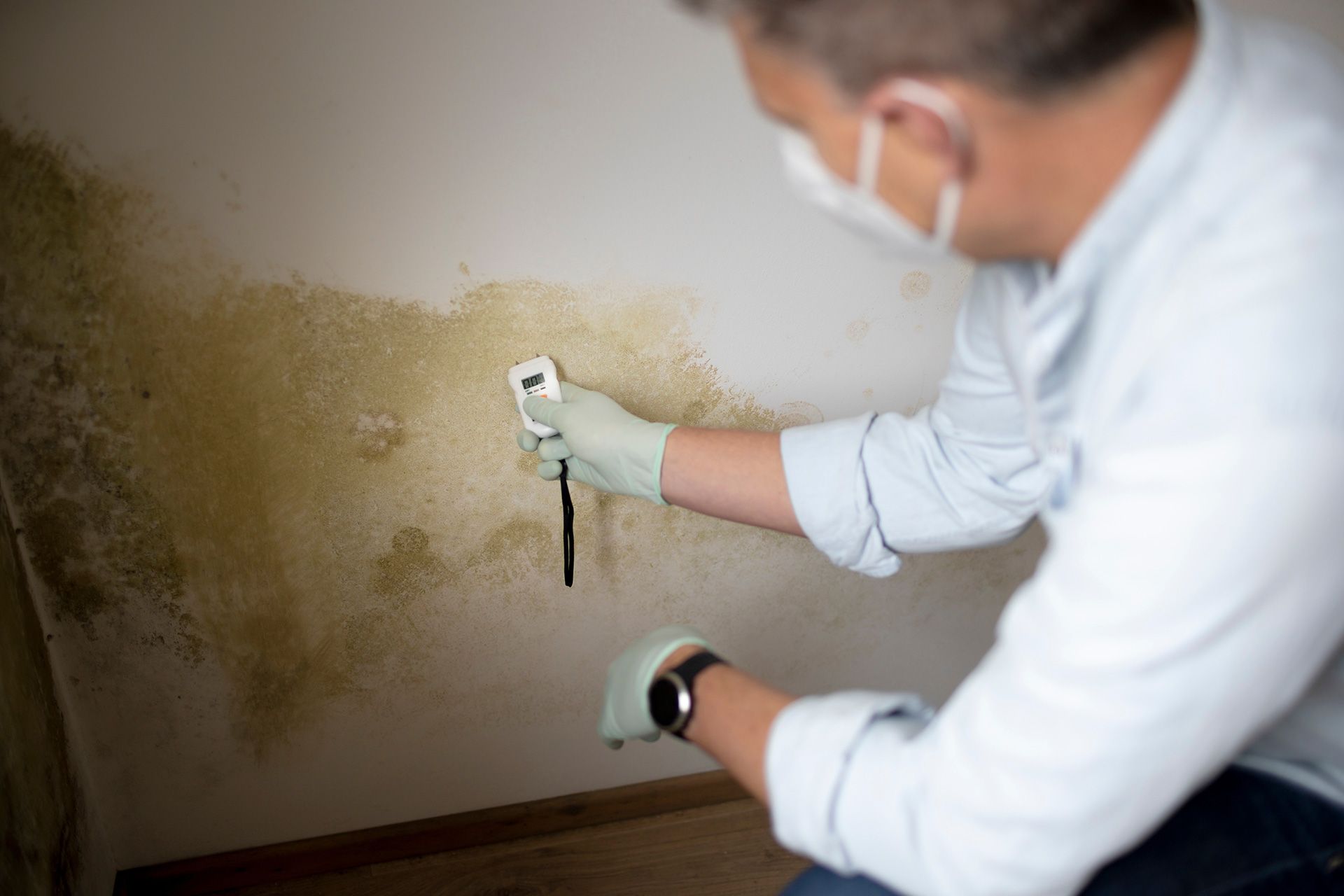
Mold is one of the most common problems found in homes, especially in areas with moisture or humidity. Many homeowners do not notice mold until it becomes a serious issue. By that time, the damage may already affect walls, ceilings, flooring, and even indoor air quality.
This is why scheduling a mold inspection early can make a big difference. Finding mold before it spreads helps protect your home and reduces the need for major repairs later. It can also help prevent larger mold remediation projects that take more time and effort to complete.
In this guide, you will learn how early mold inspections save money, what signs to watch for, and why quick action matters.
Why Mold Problems Get Expensive
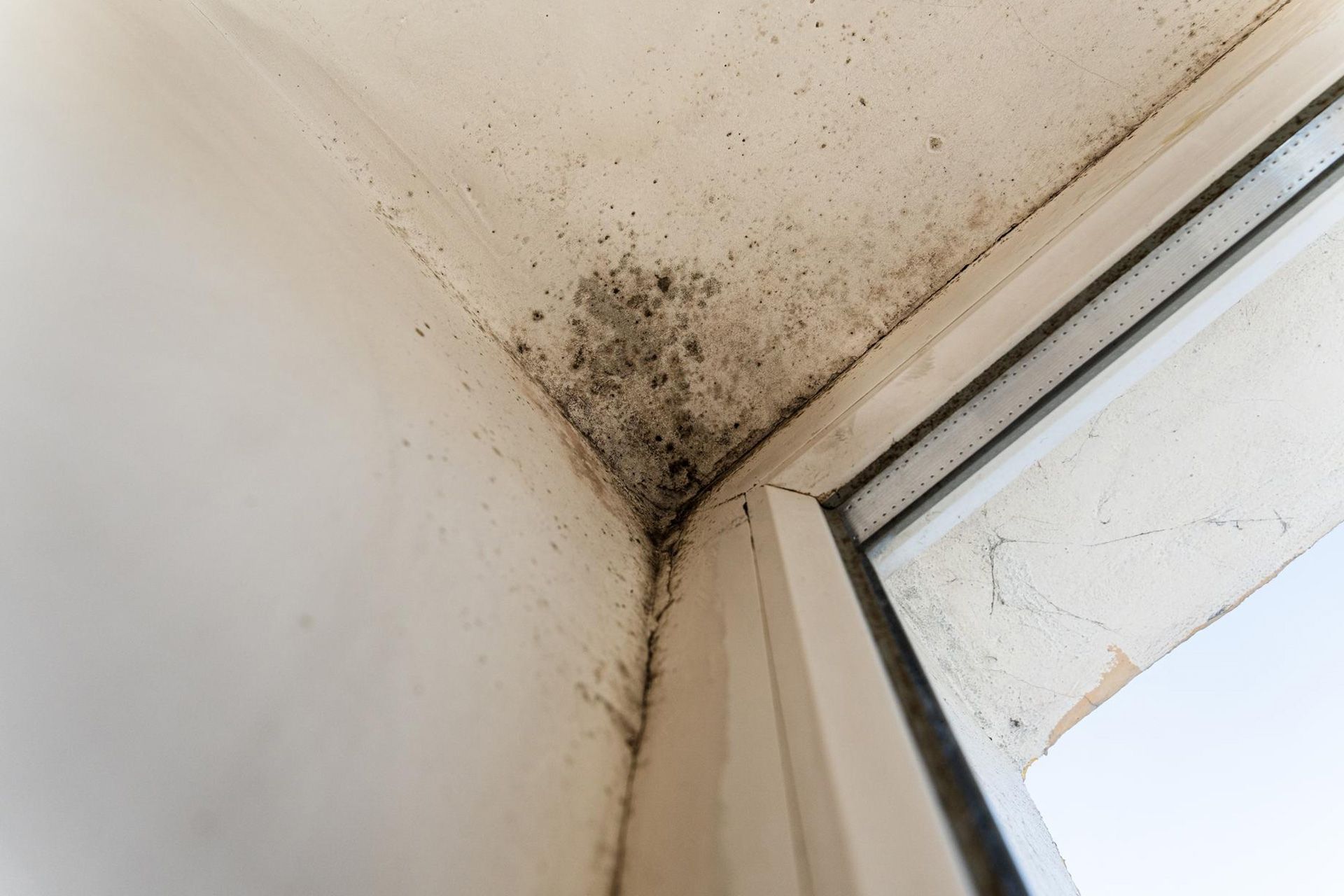
Mold grows quickly when moisture is present. A small leak under a sink or behind a wall may seem harmless at first, but it can create the perfect environment for mold growth.
The longer the mold stays hidden, the more damage it can cause. Over time, it may spread into:
- Drywall
- Wood framing
- Insulation
- Flooring
- HVAC systems
When mold spreads through multiple areas of the home, the cleanup process becomes more difficult. This is why early detection is so important.
A professional mold inspection helps identify problems before they grow into larger concerns.
What Is a Mold Inspection?
A mold inspection is a professional evaluation of your property to check for mold growth and moisture problems.
Inspectors look for:
- Visible mold
- Water damage
- Excess humidity
- Hidden moisture behind walls or under flooring
- Areas with poor ventilation
Some inspections may also include air quality testing to detect invisible mold spores.
The goal is to find the source of the problem early so it can be corrected before major damage occurs.
How Early Mold Inspection Saves Money?
1. Prevents Major Structural Damage
Mold feeds on organic materials such as wood and drywall. If left untreated, it can weaken important parts of the home over time. What starts as a small moisture issue can eventually damage ceilings, walls, and flooring.
Finding mold early helps stop the spread before repairs become extensive.
2. Reduces the Size of Mold Remediation
Small mold problems are easier to manage than widespread contamination.
When mold spreads across multiple rooms or inside HVAC systems, the mold remediation process becomes much more involved. Early inspections help identify mold before it reaches that stage, allowing professionals to address the issue quickly and keep the affected area smaller.
3. Helps Avoid Hidden Moisture Problems
Mold usually appears because of moisture. Without addressing the moisture source, the mold will keep returning.
During a mold inspection, professionals look for hidden causes such as:
- Roof leaks
- Plumbing leaks
- Poor ventilation
- Condensation buildup
Fixing these problems early helps prevent repeated damage and future mold growth.
4. Protects Indoor Air Quality
Mold spores can move through the air and affect indoor air quality. In some cases, this may lead to unpleasant odors or discomfort inside the home.
An early inspection helps identify mold before it spreads through the air or into ventilation systems. This helps maintain a cleaner and healthier indoor environment.
Signs You May Need a Mold Inspection
Many mold problems begin quietly. Homeowners may not notice the issue until visible damage appears.
Here are some warning signs that should not be ignored:
- A strong musty smell that may indicate hidden mold
- Water stains or discoloration on ceilings and walls
- Recent flooding, plumbing leaks, or water damage
- Condensation and excess humidity in bathrooms, attics, or basements
Mold can begin growing quickly after exposure to moisture, which is why early inspection is important.
House Areas Where Mold Grows
Mold can appear almost anywhere moisture is present, but some areas are more vulnerable than others.
Common problem areas include:
- Bathrooms with excess steam and moisture
- Kitchens with leaks under sinks or behind appliances
- Attics with roof leaks or poor ventilation
- Basements and crawl spaces with high humidity levels
Regular inspections in these areas can help detect mold before it spreads.
Why DIY Mold Checks Are Not Always Enough?
Some homeowners try to handle mold problems on their own. While small surface issues may seem simple, hidden mold is harder to detect without professional equipment and experience.
Professional inspectors understand where mold commonly grows and how moisture moves through a home. They can identify hidden problems that are easy to miss during a basic visual check.
A professional mold inspection also provides a clearer understanding of whether full mold remediation is necessary.
The Importance of Quick Action
Waiting too long is one of the biggest mistakes homeowners make when dealing with mold.
Mold does not stay in one place. Once it finds moisture, it can continue spreading into nearby materials. The longer it grows, the harder the cleanup process becomes.
Acting early helps:
- Reduce property damage
- Prevent mold from spreading
- Protect indoor air quality
- Keep repairs manageable
Quick action is one of the best ways to protect your home investment.
When Should You Schedule a Mold Inspection?
You should consider scheduling a mold inspection if:
- You notice musty odors inside the home
- Your property recently experienced water damage
- You see stains on walls or ceilings
- You are buying or selling a home
- You suspect hidden moisture problems
Early inspections are especially important after storms, plumbing leaks, or roof damage.
Conclusion
A professional mold inspection is one of the smartest ways to protect your home from long-term damage. Finding mold early helps prevent larger issues, reduce the spread of contamination, and support a safer indoor environment.
By identifying moisture problems before they become severe, homeowners can avoid unnecessary stress and limit the need for extensive mold remediation later.
At Green Valley Home Inspections, we provide detailed mold inspection services designed to help homeowners identify hidden issues early and protect their property with confidence.
Schedule your mold inspection today and take the first step toward a healthier home.
FAQs
What is the purpose of a mold inspection?
A mold inspection helps identify mold growth, moisture issues, and areas that may lead to future mold problems.
When should I schedule a mold inspection?
You should schedule an inspection after water damage, leaks, flooding, or when you notice musty odors or stains.
Can mold grow behind walls?
Yes. Mold often grows in hidden areas where moisture is trapped, including behind walls and under flooring.
Does every mold problem require mold remediation?
Not always. Smaller issues may only require cleanup and moisture control, while larger problems may need professional mold remediation.
How can I reduce the risk of mold in my home?
You can reduce mold risk by controlling moisture, improving ventilation, fixing leaks quickly, and scheduling inspections when needed.
Disclaimer: The information on this website and blog is for general informational purposes only and is not professional advice. We make no guarantees of accuracy or completeness. We disclaim all liability for errors, omissions, or reliance on this content. Always consult a qualified professional for specific guidance.
Search
Certification
Green Valley Inspections is InterNACHI Certified, a Certified Master Inspector, and CCPIA-certified, demonstrating advanced training, extensive experience, professional ethics, and expertise in residential and commercial property inspections across Southern California.
Social Media
Google Reviews

5-star ratings from 440+ clients across Southern California.
Contact Us
Recent Post




Service Areas
We offer home inspection services throughout the following counties: