
How Long Does a House Inspection Take? A Guide
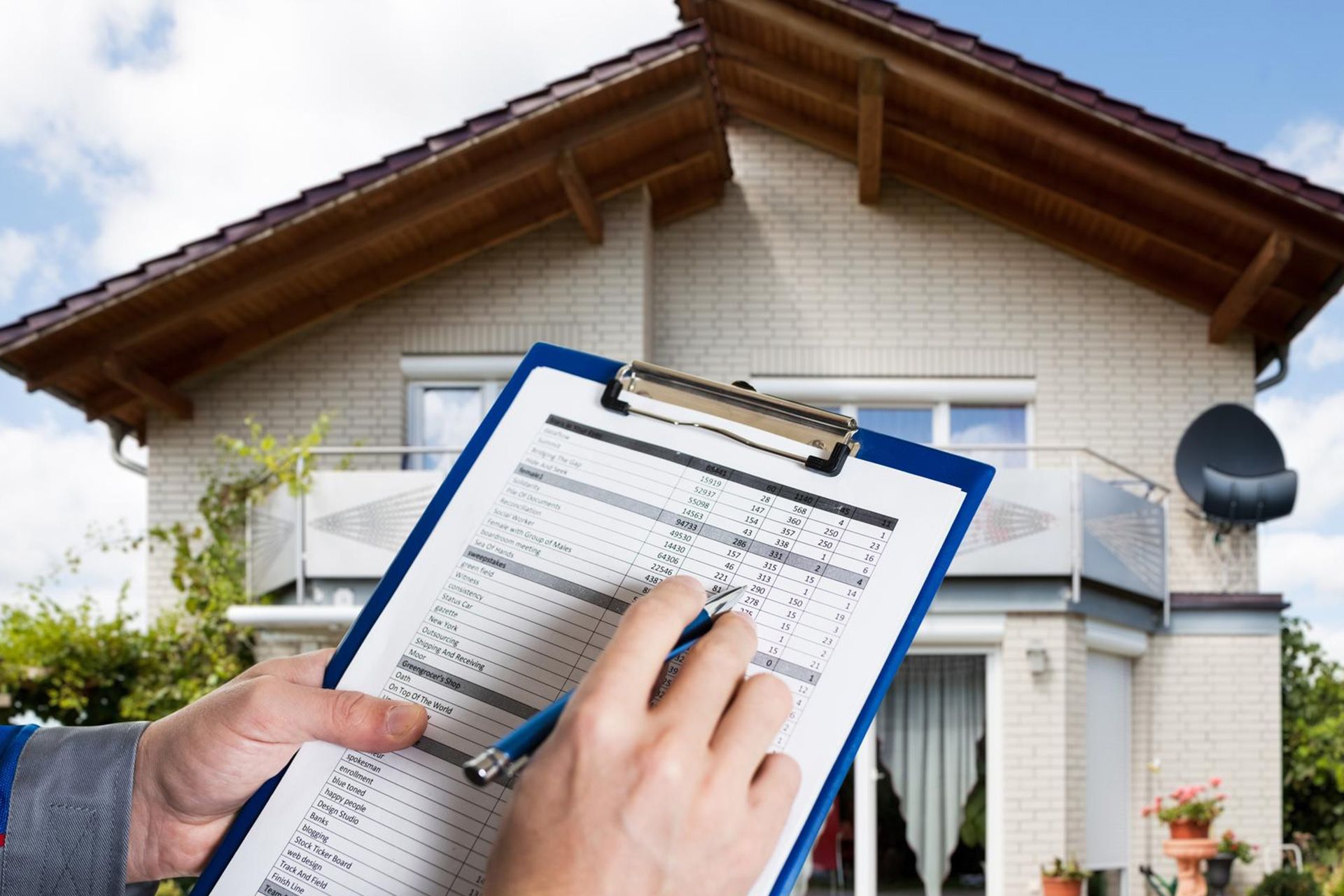
Buying a home involves several appointments, deadlines, and decisions, so it is natural to ask: how long does a home inspection take?
For many properties, a professional home inspection takes about 2 to 4 hours. The actual time depends on the home's size, age, condition, layout, accessibility, and the number of systems or additional features that need to be evaluated. Larger or older homes may require more time because there are usually more components to inspect and document.
The inspection should not be rushed simply to meet a specific time limit. The goal is to give the inspector enough time to evaluate accessible major systems and explain important findings.
This guide explains what affects inspection time, what happens during the appointment, and what buyers can expect after the inspector leaves.
How Long Does a Home Inspection Take?
Most standard residential inspections take approximately 2 to 4 hours, but that should be treated as a general timeframe rather than a fixed rule. Green Valley Inspections gives the same general range for its Southern California residential inspections.
A smaller, newer property in good condition may require less time than a large, older home with multiple systems, a crawl space, several HVAC units, or significant visible concerns.
The inspector also needs enough time to document findings carefully.
If a property contains many defects, the inspector may need additional time to:
- Take photographs
- Test accessible components
- Review unusual conditions
- Document concerns
- Explain findings
- Recommend further evaluation when appropriate
The best inspection is not necessarily the fastest one.
What Determines How Long a House Inspection Takes?
Several factors can change the length of an inspection.
Understanding them can help buyers plan enough time for the appointment.
Size of the Home
Square footage is one of the biggest factors.
A larger home usually contains more:
- Rooms
- Bathrooms
- Electrical outlets
- Plumbing fixtures
- Windows and doors
- Roof areas
- HVAC equipment
- Attic space
- Exterior surfaces
Inspecting a compact condominium is very different from inspecting a large detached property.
More space usually means more components to observe and more findings to document.
Age of the Property
Older homes can take longer to evaluate.
Over the years, a property may have experienced:
- Electrical upgrades
- Plumbing repairs
- Roof replacements
- Remodeling
- Additions
- Foundation repairs
- HVAC changes
- Window replacements
An inspector may encounter building materials and systems from several different periods.
Age alone does not mean a home has serious defects. It simply means the inspector may need additional time to understand visible conditions and previous modifications.
Condition of the Home
A well-maintained property with relatively few visible issues may take less time to inspect and document than a home with extensive deferred maintenance.
If the inspector finds several concerns involving roofing, electrical systems, plumbing, moisture, structure, or HVAC equipment, each condition may require photographs and written documentation.
For example, one plumbing leak may be straightforward to report.
Several leaks, previous repairs, damaged cabinetry, moisture staining, and unusual plumbing modifications can require much more inspection and reporting time.
Property Layout
Two homes with similar square footage may still take different amounts of time.
A simple single-story property may be easier to move through than a home with:
- Several floors
- Multiple attic spaces
- Detached structures
- Several electrical panels
- Multiple HVAC systems
- Difficult roof access
- Complex additions
- Numerous bathrooms
The inspector needs time to move safely between these areas while keeping track of the systems being evaluated.
Crawl Space Access
A raised-foundation property with an accessible crawl space may require additional inspection time.
When conditions permit safe access, the inspector may evaluate visible:
- Foundation components
- Floor framing
- Plumbing
- Electrical wiring
- HVAC ducts
- Insulation
- Moisture conditions
Crawl spaces can also be difficult to navigate.
Limited clearance, ductwork, plumbing, insulation, moisture, or other obstacles may slow the inspection.
Unsafe or inaccessible areas may not be entered and should be documented as inspection limitations.
Attic Access
The attic can provide important information about roofing, framing, insulation, ventilation, electrical components, and moisture conditions.
The time needed depends on how much of the attic can be safely accessed.
Some homes have:
- Large walkable attics
- Small access openings
- Several separate attic sections
- Deep insulation
- Low-clearance areas
- HVAC equipment in the attic
An inspector should not rush through an attic simply to keep the entire appointment within a predetermined timeframe.
Roof Design and Accessibility
Roof inspection time can also vary.
A simple roof may be easier to evaluate than a property with:
- Several roof levels
- Multiple materials
- Solar panels
- Chimneys
- Skylights
- Numerous penetrations
- Steep sections
- Difficult access
Safety always comes first.
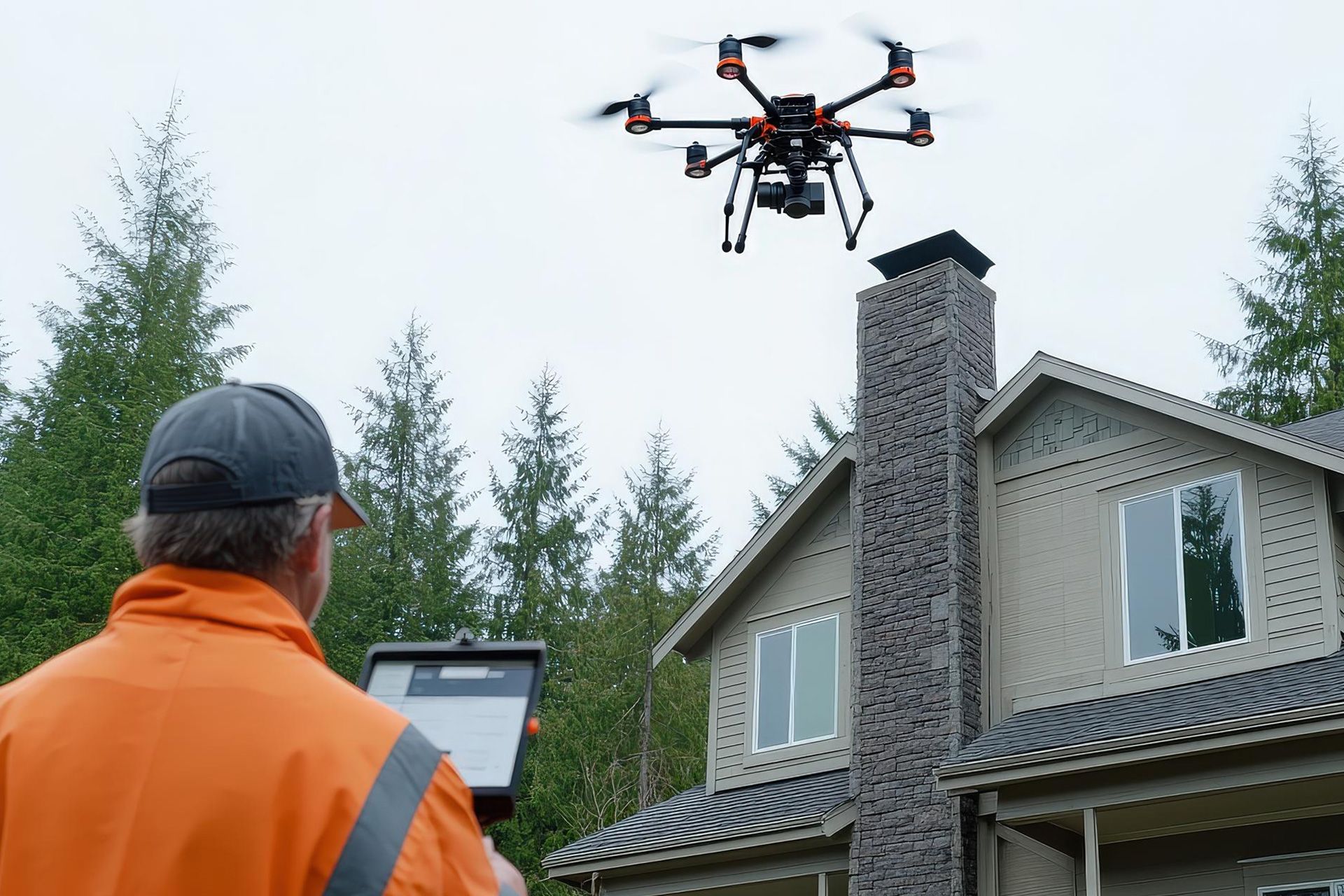
Green Valley Inspections uses inspection methods that can include drone technology for difficult-to-access exterior and roof areas when appropriate.
Additional Property Features
Certain properties contain features that require additional attention.
Examples include:
- Pools
- Solar systems
- Detached garages
- Multiple HVAC units
- Large electrical systems
- Private wells
- Crawl spaces
- Additional living units
Some specialty services may also be separate from the standard home inspection.
When scheduling, tell the inspection company about important property features so enough time can be reserved.
What Happens During Those 2 to 4 Hours?
Buyers sometimes wonder what the inspector is actually doing for several hours.
A professional home inspection covers many areas of the property.
Green Valley's residential inspection scope includes accessible structural components, roofing, electrical systems, plumbing, HVAC equipment, interiors, exteriors, insulation, ventilation, and other major components.
Here is how inspection time may be spent.
Exterior Evaluation
The inspector may review visible:
- Exterior walls
- Windows
- Doors
- Drainage
- Grading
- Walkways
- Exterior stairs
- Foundation areas
- Roof-related components
The inspector is looking for visible damage, deterioration, drainage concerns, safety issues, and other conditions that deserve attention.
Roof Inspection
Accessible roof components may be evaluated for:
- Damaged roofing
- Missing materials
- Flashing concerns
- Drainage
- Roof penetrations
- Signs of deterioration
Roof accessibility and safety conditions determine how the area can be inspected.
Interior Rooms
The inspector typically moves through accessible rooms throughout the house.
This may include checking representative:
- Windows
- Doors
- Electrical receptacles
- Switches
- Installed fixtures
- Floors
- Walls
- Ceilings
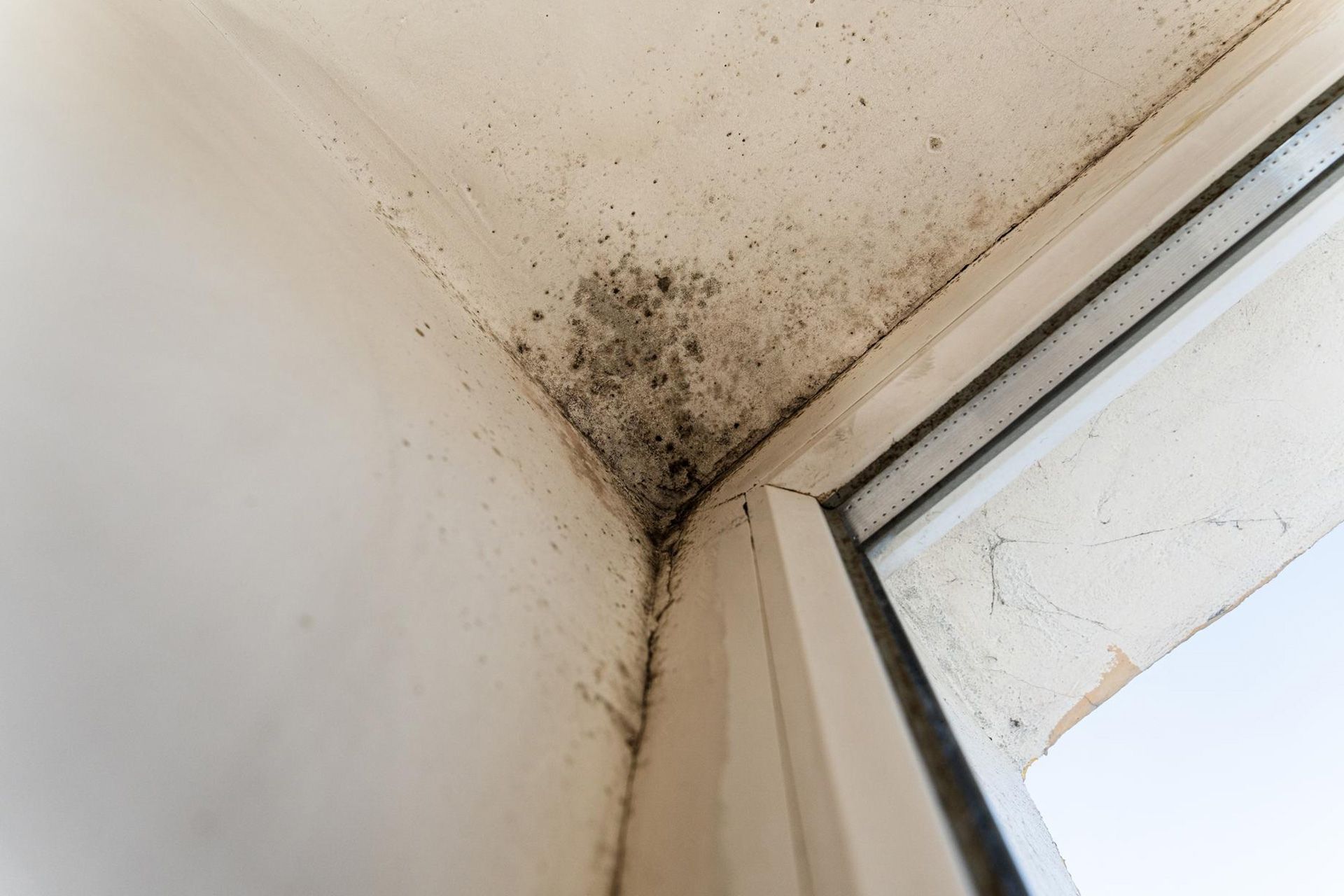
The inspector also watches for moisture staining, damage, movement, or other visible concerns.
Plumbing System
Accessible plumbing components may include:
- Water supply piping
- Drain piping
- Fixtures
- Faucets
- Toilets
- Water heater
- Visible leaks
Several bathrooms naturally take longer to inspect than a home with only one.
Electrical System
The electrical portion may include accessible:
- Main panel
- Subpanels
- Wiring
- Outlets
- Switches
- Fixtures
- Grounding and bonding
- Electrical safety devices
The inspector may spend more time when unusual wiring, older equipment, previous modifications, or visible defects are present.
HVAC Equipment
Heating and cooling equipment is another important area.
The inspector may evaluate accessible components and normal operating controls within the inspection scope.
A home with several HVAC systems can take longer than one with a single system.
Attic and Crawl Space
When safely accessible, these areas may reveal conditions that cannot be seen from inside the living space.
Inspectors may observe:
- Structure
- Moisture
- Plumbing
- Electrical wiring
- Insulation
- Ventilation
- Ductwork
These areas can add meaningful time to the appointment.
How Long Do Home Inspections Take for Larger Homes?
Large homes generally require more inspection time.
There is no universal formula saying that every additional amount of square footage adds a specific number of minutes.
The actual time depends on what is inside the property.
For example, a large but relatively simple newer home may sometimes be easier to inspect than a smaller older property with several renovations and difficult access.
That is why buyers should avoid relying on square footage alone.
Ask the inspection company how much time it expects to reserve for the specific property.
Do Older Homes Take Longer to Inspect?
They can.
Older houses may contain:
- Aging building materials
- Previous repairs
- Older electrical equipment
- Plumbing changes
- Additions
- Remodeling
- Foundation movement
- Deferred maintenance
The inspector may need additional time to understand how these visible conditions relate to one another.
An older home does not automatically mean a very long inspection or serious problems.
The actual condition determines how much attention is required.
Can a Home Inspection Be Too Short?
Inspection time alone does not determine inspection quality.
However, buyers should be cautious about expecting a thorough evaluation of a large or complex property in an unusually short amount of time.
A professional inspection involves moving through the property, testing accessible components, observing conditions, taking photographs, documenting findings, and answering questions.
The inspector should take the time the home requires.
Rushing can make it harder to examine complex areas carefully.
Should Buyers Attend the Home Inspection?
Yes, when possible.
Green Valley Inspections encourages clients to attend so they can see important findings and ask questions directly.
You do not necessarily need to follow directly behind the inspector for every minute.
The inspector needs space to work systematically.
Instead, use the appointment as an opportunity to:
- Learn about major systems
- Ask questions
- See significant findings
- Understand maintenance items
- Locate important shutoffs
- Better understand the final report
Being present can make the written report easier to understand later.
Should Sellers Stay During the Inspection?
The arrangements vary by transaction.
In many cases, buyers and their inspector benefit from having enough space to move through the property and discuss findings.
Sellers can help prepare by making sure the inspector can access important areas.
Before the appointment, it is helpful to provide access to:
- Electrical panels
- HVAC equipment
- Water heater
- Attic opening
- Crawl-space opening
- Garages
- Utility rooms
Stored belongings should not block major systems when possible.
Better access can help the inspection proceed more smoothly.
Does the Inspection Time Include the Report?
Usually, the on-site inspection and report preparation are separate parts of the process.
After leaving the property, the inspector may still need to:
- Organize photographs
- Review findings
- Write explanations
- Add recommendations
- Complete quality checks
- Prepare the final report
So when asking how long home inspections take, remember that the time spent at the property is only one part of the complete inspection process.
What Can Make an Inspection Take Longer Than Expected?
An inspection may take longer when the inspector encounters:
- A larger property
- Extensive visible defects
- Multiple HVAC systems
- Several electrical panels
- Difficult crawl-space access
- Complex attic spaces
- Significant moisture concerns
- Numerous previous renovations
- Multiple detached structures
- Unusual property features
A longer appointment does not automatically mean something is wrong with the house.
Sometimes it simply reflects the size or complexity of the property.
Can an Inspection Finish Faster Than Expected?
Yes.
A smaller property, condominium, or straightforward newer home may require less time.
The inspector should still complete the agreed scope.
A shorter inspection is not automatically poor quality, just as a longer inspection is not automatically better.
What matters is whether the inspector had enough time to evaluate the accessible components properly.
What Happens After the Home Inspection?
Once the inspection is complete, buyers should review the report carefully.
Do not look only for a long list of defects.
Try to understand:
- Which findings are significant
- Which items involve maintenance
- Whether further evaluation is recommended
- Which systems may need repair
- What areas were inaccessible
- Which conditions should be monitored
If you attended the inspection, you may already have seen some of these findings in person.
The written report provides a record you can review with your real estate professional and other appropriate advisors when making decisions about the property.
How to Plan Enough Time for Your Inspection
Do not schedule the appointment so tightly that you have to leave halfway through.
When possible, allow enough time for the entire inspection and a conversation with the inspector afterward.
Before scheduling, provide accurate information about:
- Home size
- Age
- Property type
- Foundation type
- Additional structures
- Pools
- Solar systems
- Other important property features
This helps the inspection company estimate how much time the property may require.
Home Inspection Timing in Southern California
Homes throughout Southern California vary considerably.
Green Valley Inspections serves properties across San Bernardino, Riverside, Los Angeles, Orange, and San Diego counties.
A newer Inland Empire property may have a very different inspection process from an older Los Angeles home, coastal property, raised-foundation house, or heavily remodeled residence.
Rather than expecting every inspection to finish at exactly the same time, allow the property's actual size, age, accessibility, and condition to guide the process.
Give the Inspector Enough Time to Understand the Home
So, how long does a home inspection take? For many residential properties, the inspection takes about 2 to 4 hours, but larger, older, more complex, or harder-to-access homes may require additional time.
The goal should never be to finish as quickly as possible.
A professional inspector needs enough time to evaluate accessible major systems, document visible concerns, take photographs, and explain important findings.
If you are buying, selling, or maintaining a property in Southern California, Green Valley Inspections provides detailed residential inspections designed to help you better understand the condition of the home. Contact Green Valley Inspections to schedule your inspection and get clear information about the property's accessible systems and components.
Frequently Asked Questions
How long does a home inspection take?
Most standard home inspections take approximately 2 to 4 hours. The actual length depends on the property's size, age, condition, layout, accessibility, and number of systems being inspected.
How long do home inspections take for large houses?
Larger homes often require more time because there are more rooms, fixtures, systems, roof areas, and other components to evaluate. The actual time depends on the complexity and condition of the property.
How long does a house inspection take for an older home?
Older homes may require additional time when they contain aging systems, previous renovations, repairs, additions, or extensive maintenance concerns. There is no fixed inspection time based only on age.
Does a crawl space make a home inspection take longer?
It can. An accessible crawl space may contain foundation components, plumbing, wiring, insulation, ductwork, and moisture conditions that require additional inspection time.
Should I stay for the entire home inspection?
Buyers are encouraged to attend when possible. Being present allows you to see important findings, learn about major systems, and ask the inspector questions about the property.
How long does it take to receive the inspection report?
Green Valley Inspections typically delivers reports within 24 hours and often the same day, although inspection and reporting times can vary depending on the property and findings.
Why would a house inspection take longer than expected?
Large square footage, older systems, multiple HVAC units, crawl spaces, complex attics, extensive defects, unusual property features, and access challenges can all increase inspection time.
Disclaimer: The information on this website and blog is for general informational purposes only and is not professional advice. We make no guarantees of accuracy or completeness. We disclaim all liability for errors, omissions, or reliance on this content. Always consult a qualified professional for specific guidance.
Search
Certification
Green Valley Inspections is InterNACHI Certified, a Certified Master Inspector, and CCPIA-certified, demonstrating advanced training, extensive experience, professional ethics, and expertise in residential and commercial property inspections across Southern California.



Social Media
Google Reviews

5-star ratings from 440+ clients across Southern California.
Contact Us
Recent Post

Service Areas
We offer home inspection services throughout the following counties: