
Crawl Space Inspection: Common Issues Homeowners Should Know
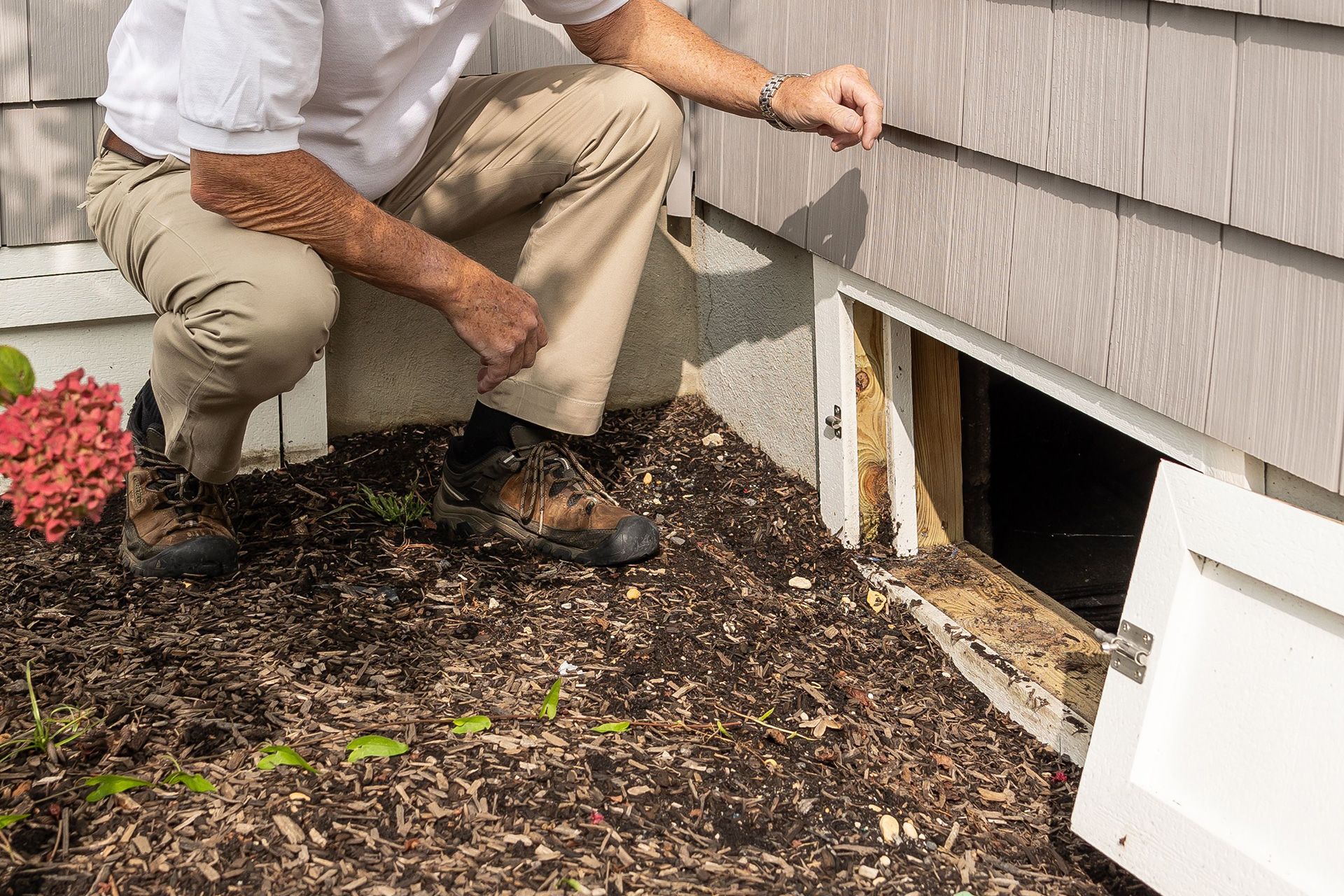
The crawl space may be one of the least visited parts of a home, but it can reveal important information about the property.
A professional crawl space inspection can uncover visible moisture problems, plumbing leaks, damaged insulation, structural concerns, pest activity, electrical issues, and other conditions hidden beneath the living area. Because many homeowners rarely enter this space, problems can develop for months or even years before someone notices them.
For home buyers, inspecting an accessible crawl space is especially important. A home may look well maintained from above while conditions beneath the floor tell a different story.
Not every stain, crack, or piece of fallen insulation means a major repair is needed. The goal is to understand what is happening, determine what deserves attention, and know when further evaluation by a specialist may be appropriate.
Here are the most common issues inspectors look for and practical tips homeowners should know.
What Is a Crawl Space Inspection?
A crawl space inspection is a visual evaluation of the accessible area beneath a home.
Crawl spaces are usually located between the ground and the first floor. They may contain important parts of the home's structure and mechanical systems, including:
- Foundation walls
- Piers and supports
- Floor framing
- Plumbing lines
- Electrical wiring
- HVAC ducts
- Insulation
- Ventilation openings
- Moisture-control materials
During a home inspection, the inspector evaluates visible and accessible conditions within this area.
ASHI's crawl-space inspection guidance identifies foundation walls, sill plates, ventilation, pest evidence, water intrusion, plumbing, subflooring, structural supports, electrical wiring, and insulation as important components to observe.
Green Valley Inspections' home inspection scope also covers accessible foundation and structural components, plumbing, electrical systems, HVAC systems, insulation, ventilation, and visible moisture concerns.
The inspection is visual and non-invasive. An inspector does not remove structural components or open walls simply to see concealed areas.
Why Are Crawl Spaces So Important?
The crawl space sits directly below much of the home.
That means problems developing there can eventually affect floors, framing, plumbing, insulation, indoor comfort, or other parts of the property.
A slow plumbing leak, for example, may not be visible from the bathroom above. But underneath the floor, an inspector may find damp wood, staining, or damaged insulation.
Crawl spaces can also collect moisture from the soil, exterior drainage, plumbing leaks, condensation, or groundwater.
EPA guidance notes that crawl spaces with high relative humidity can become locations for hidden mold growth. Bare soil can release moisture into the crawl space air through evaporation, and groundwater may sometimes enter the area.
This is why inspecting the space as part of the whole house is important.
Common Issues Found During a Crawl Space Inspection
Every home is different, but several conditions appear frequently in crawl spaces.
1. Moisture and Standing Water
Moisture is one of the most important conditions to look for.
An inspector may observe:
- Standing water
- Damp soil
- Water stains
- Wet insulation
- Rust
- Wood discoloration
- Mineral deposits
- Condensation
- Musty odors
The next question is where the moisture is coming from.
Possible sources include:
- Plumbing leaks
- Poor exterior drainage
- Groundwater
- Irrigation
- Roof runoff
- Condensation
- Moisture rising from exposed soil
EPA recommends controlling water entry and moisture rather than dealing only with the visible symptoms. It also advises covering dirt crawl-space floors with plastic and managing ventilation as part of moisture control.
Simply drying one wet area does not solve the problem if water continues entering the space.
2. Plumbing Leaks
Many homes have water supply or drain lines running through the crawl space.
That makes the area an important place to look for leaks.
Possible signs include:
- Active dripping
- Water staining
- Corrosion
- Damp soil
- Wet wood
- Damaged insulation
- Previous plumbing repairs
Small leaks can be easy to miss from inside the home.
For example, water leaking around a toilet connection or drain line may first become visible beneath the bathroom floor.
During a home inspection, accessible water supply and drain components are evaluated for visible concerns. Green Valley Inspections includes accessible water supply lines and drain, waste, and vent systems within its plumbing inspection scope.
3. Damaged Wood or Structural Components
A crawl space provides access to important structural components supporting the floors above.
Depending on the home's construction, these may include:
- Floor joists
- Beams
- Posts
- Piers
- Foundation walls
- Sill plates
- Subflooring
Inspectors look for visible conditions such as:
- Cracks
- Movement
- Damaged wood
- Sagging
- Improvised repairs
- Moisture-related deterioration
- Missing or altered supports
Not every crack or uneven condition means the foundation is failing.
However, visible movement or damaged structural components may require further evaluation, particularly when several warning signs appear together.
A home inspector documents observable conditions. Structural calculations or engineering analysis may require a qualified structural engineer.
4. Damaged or Missing Insulation
Insulation beneath the floor can affect comfort and energy performance.
During a crawlspace inspection, an inspector may find:
- Missing insulation
- Fallen insulation
- Wet insulation
- Compressed material
- Gaps
- Poor installation
- Pest-damaged insulation
Insulation that is hanging down may also block access to other areas.
Moisture deserves particular attention before insulation repairs are made. InterNACHI guidance notes that crawl-space moisture concerns should be addressed before installing or correcting floor insulation.
Replacing damaged insulation without solving the moisture source can lead to the same problem again.
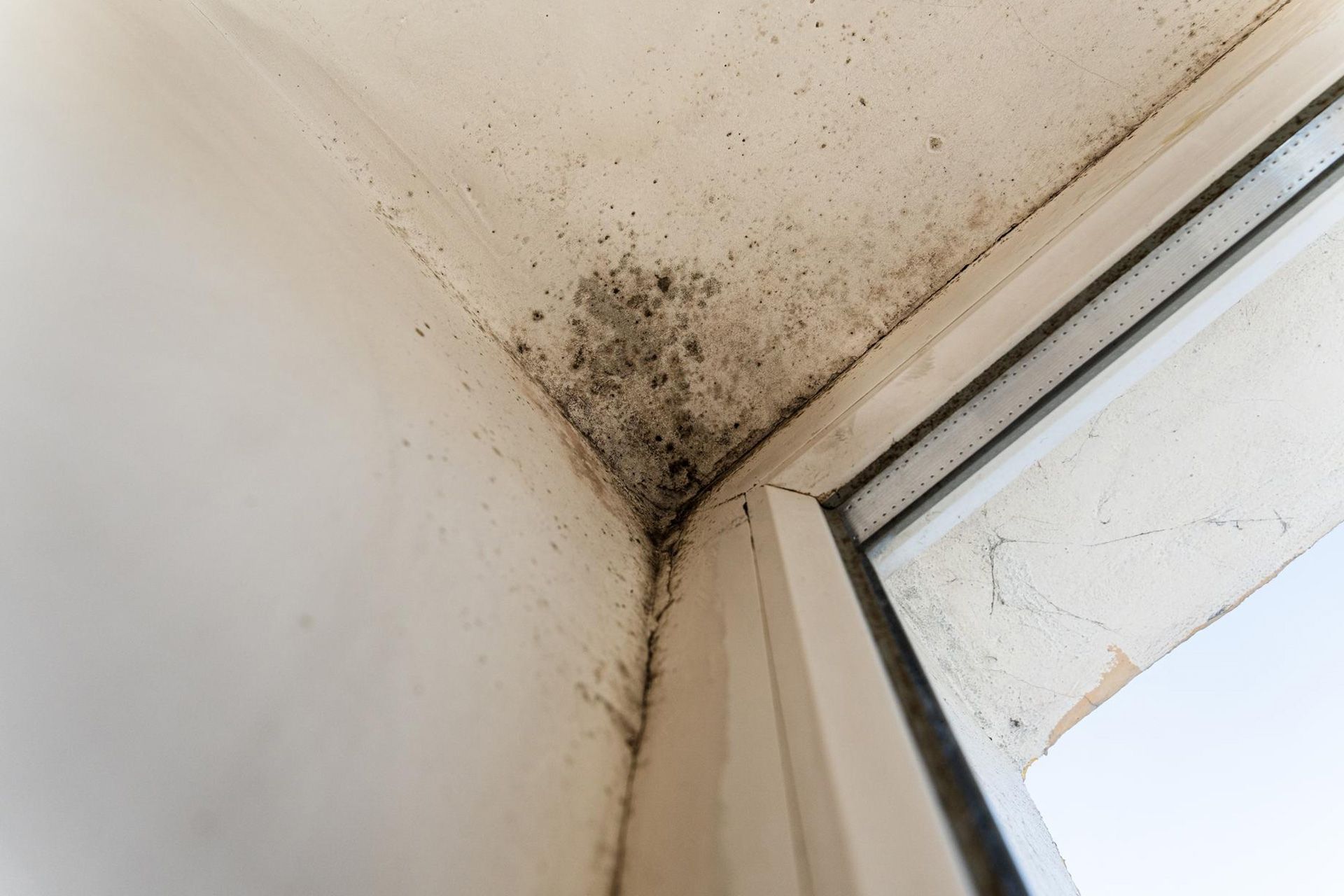
5. Mold-Like Growth and High Moisture Conditions
A damp crawl space can create conditions that support microbial growth.
Homeowners may notice:
- Musty odors
- Dark or light-colored growth on wood
- Damp framing
- Persistent humidity
- Condensation
It is important not to identify every discoloration as mold based only on appearance.
A standard visual home inspection may document visible growth or moisture conditions, but specialized mold testing or assessment may be a separate service.
EPA emphasizes that moisture control is the key to controlling mold. If moisture is present, the source should be addressed rather than simply cleaning the visible surface.
6. Pest Activity
Crawl spaces can provide shelter for insects, rodents, and other animals.
Possible warning signs include:
- Droppings
- Nesting materials
- Damaged insulation
- Chewed materials
- Wood damage
- Mud tubes
- Entry openings
ASHI's inspection guidance specifically identifies termite evidence, carpenter ants, powderpost beetles, rodents, and other pests as conditions inspectors may encounter beneath homes.
However, a standard home inspection should not automatically be treated as a complete termite or pest inspection.
If evidence suggests wood-destroying organisms or another infestation, a specialized inspection may be recommended.
7. Electrical Concerns
Electrical wiring may pass through the crawl space to outlets, fixtures, appliances, and other areas.
An inspector may identify visible concerns such as:
- Exposed wiring
- Improper connections
- Unsupported cables
- Damaged wiring
- Open electrical boxes
- Signs of amateur repairs
Some electrical defects can be difficult for homeowners to recognize.
This is another reason the space should be evaluated as part of the home's complete electrical system rather than treated as an isolated area.
8. HVAC Duct Problems
Heating and cooling ducts may also run beneath a raised-floor home.
Possible visible issues include:
- Disconnected ducts
- Damaged duct material
- Poor support
- Loose connections
- Deteriorated insulation
- Moisture around ductwork
Damaged or disconnected ducts can affect comfort and system performance.
An inspection can document visible conditions, but detailed HVAC performance testing or repair may require a qualified heating and cooling professional.
9. Poor Drainage Around the Home
Not every crawl-space moisture problem starts inside the crawl space.
Exterior conditions matter.
Water may move toward the foundation because of:
- Poor grading
- Downspouts discharging too close to the house
- Irrigation
- Blocked drainage
- Low areas near the foundation
Green Valley Inspections includes grading and drainage around the home as part of its exterior inspection.
Looking at both the exterior and crawl space helps connect visible moisture with a possible source.
What About Crawl Space Ventilation?
Ventilation can play an important role in crawl-space moisture management, but the correct approach depends on how the crawl space was designed.
Some crawl spaces are vented to the exterior.
Others are designed as enclosed or conditioned spaces.
Homeowners should not automatically add vents, fans, or other modifications without understanding the existing system.
EPA guidance explains that reducing crawl-space moisture may involve ventilation when outdoor conditions are appropriate, while dehumidification may make more sense under other conditions.
This is especially relevant in Southern California because coastal and inland humidity conditions can differ.
A ventilation strategy that works well in one climate or building design may not be the best solution for another.
What Can Prevent an Inspector From Entering a Crawl Space?
A crawl space is inspected only when it can be accessed safely.
There are situations where an inspector may not be able to enter all or part of the area.
Examples include:
- Very low clearance
- Standing water
- Unsafe electrical conditions
- Sewage
- Hazardous materials
- Pest activity
- Blocked access
- Hanging insulation
- Pipes or ducts blocking movement
- Structural instability
- Other potential safety hazards
ASHI's crawl-space guidance emphasizes that inspectors must consider accessibility and safety and that inaccessible areas should be documented.
This is important for buyers.
If part of the crawl space cannot be inspected, the limitation should be clearly explained in the inspection report.
What Should Home Buyers Look for Before the Inspection?
Home buyers generally should not crawl beneath a property themselves.
However, you can look for warning signs elsewhere in the home.
Watch for:
- Musty odors
- Uneven floors
- Soft flooring
- Water stains
- Persistent humidity
- Cracks in walls
- Doors that stick
- Evidence of plumbing leaks
- Pest activity
- Unusual odors near floor openings
None of these signs proves there is a crawl-space problem.
They simply provide additional information that may help your inspector understand where closer attention is needed.
If you know about a concern, mention it before the inspection.
Important Crawl Space Tips for Homeowners
You do not need to enter the crawl space regularly to take care of the area.
Several simple habits can help you recognize problems earlier.
Watch Exterior Drainage
Check where roof runoff and irrigation water go.
Water should not repeatedly collect beside the foundation.
Repair Plumbing Leaks Promptly
A small leak above or beneath the floor can create a much larger moisture problem over time.
Address dripping plumbing instead of waiting for visible damage to spread.
Pay Attention to Musty Odors
A persistent odor deserves investigation.
Do not simply cover it with air fresheners or assume it is normal for an older house.
Do Not Block Crawl Space Access
If possible, keep the crawl-space entry accessible.
Stored belongings, landscaping, permanently installed equipment, or other obstacles can make future inspection and maintenance more difficult.
Do Not Disturb Suspected Hazardous Materials
Older crawl spaces may contain materials that should not be moved without proper evaluation.
If you see suspicious insulation, damaged building materials, sewage, or extensive contamination, avoid disturbing it yourself.
Investigate the Cause Before Making Repairs
This is one of the most important tips.
If insulation is wet, determine why.
If wood is damaged, find the cause.
If mold-like growth is visible, look for moisture.
If water is standing on the ground, identify how it entered.
Correcting the source is usually more useful than repeatedly treating the symptom.
Crawl Space Inspection for Southern California Homes
Not every Southern California property has a crawl space. Many homes are built on concrete slabs, while others use raised foundations that create an accessible area beneath the floor.
Older properties and homes built on sloped sites may be more likely to have areas beneath the structure that deserve careful evaluation.
Climate also varies significantly across Southern California.
Homes closer to the coast may experience different moisture conditions than properties farther inland. Irrigation, drainage, plumbing conditions, property slope, and construction design can all affect what an inspector finds beneath a home.
The inspection should therefore focus on the individual property rather than assuming every crawl space will have the same concerns.
Why a Crawl Space Should Not Be Ignored
A professional crawl space inspection can reveal conditions that are difficult or impossible to see from inside the living area.
Moisture, plumbing leaks, damaged framing, missing insulation, pest activity, electrical concerns, and duct problems may all be present beneath an otherwise attractive home.
For buyers, these findings can provide useful information before making a final property decision. For existing homeowners, identifying a problem early may make it easier to address the source before additional areas are affected.
If you are buying, selling, or maintaining a home in Southern California, Green Valley Inspections provides detailed home inspections that include accessible foundation and structural components, plumbing, electrical systems, HVAC components, insulation, ventilation, exterior drainage, and other major areas of the property. Contact Green Valley Inspections to schedule your professional home inspection and get a clearer understanding of what may be happening above and below your floors.
Frequently Asked Questions
What does a crawl space inspection include?
A crawl space inspection may include visible and accessible foundation components, floor framing, plumbing, electrical wiring, HVAC ducts, insulation, moisture conditions, ventilation, and possible evidence of pests. The exact scope depends on accessibility and the home's construction.
How often should a crawl space be inspected?
There is no single schedule that applies to every home. An inspection is especially useful when buying a property or when you notice moisture, musty odors, uneven floors, plumbing leaks, pest activity, or other changes that could be connected to the area beneath the home.
What is the biggest problem found in crawl spaces?
Moisture is one of the most important concerns because it may come from plumbing leaks, drainage problems, soil moisture, condensation, or groundwater. Persistent moisture can also contribute to damage of insulation and building materials.
Is a crawlspace inspection included with a home inspection?
Accessible crawl spaces and visible structural components are commonly evaluated as part of a professional home inspection. However, the exact scope depends on the inspection agreement and whether the area can be entered safely.
What happens if the inspector cannot enter the crawl space?
The inspector should document the limitation and explain why the area could not be inspected. Standing water, low clearance, unsafe wiring, sewage, structural hazards, blocked access, or other unsafe conditions may prevent entry.
Does a crawl space inspection include mold testing?
Not necessarily. An inspector may document visible moisture or suspected microbial growth, but laboratory mold testing or a specialized mold assessment is typically a separate service when needed.
Should I enter the crawl space myself before buying a house?
Home buyers generally do not need to crawl beneath the home themselves. Crawl spaces can contain electrical hazards, pests, sewage, sharp objects, limited clearance, and other unsafe conditions. A qualified inspector can determine whether the area can be safely accessed and document visible findings.
Disclaimer: The information on this website and blog is for general informational purposes only and is not professional advice. We make no guarantees of accuracy or completeness. We disclaim all liability for errors, omissions, or reliance on this content. Always consult a qualified professional for specific guidance.
Search
Certification
Green Valley Inspections is InterNACHI Certified, a Certified Master Inspector, and CCPIA-certified, demonstrating advanced training, extensive experience, professional ethics, and expertise in residential and commercial property inspections across Southern California.

Social Media
Google Reviews

5-star ratings from 440+ clients across Southern California.
Contact Us
Recent Post


Service Areas
We offer home inspection services throughout the following counties: