
What is Ufer Ground? Concrete-Encased Grounding Guide
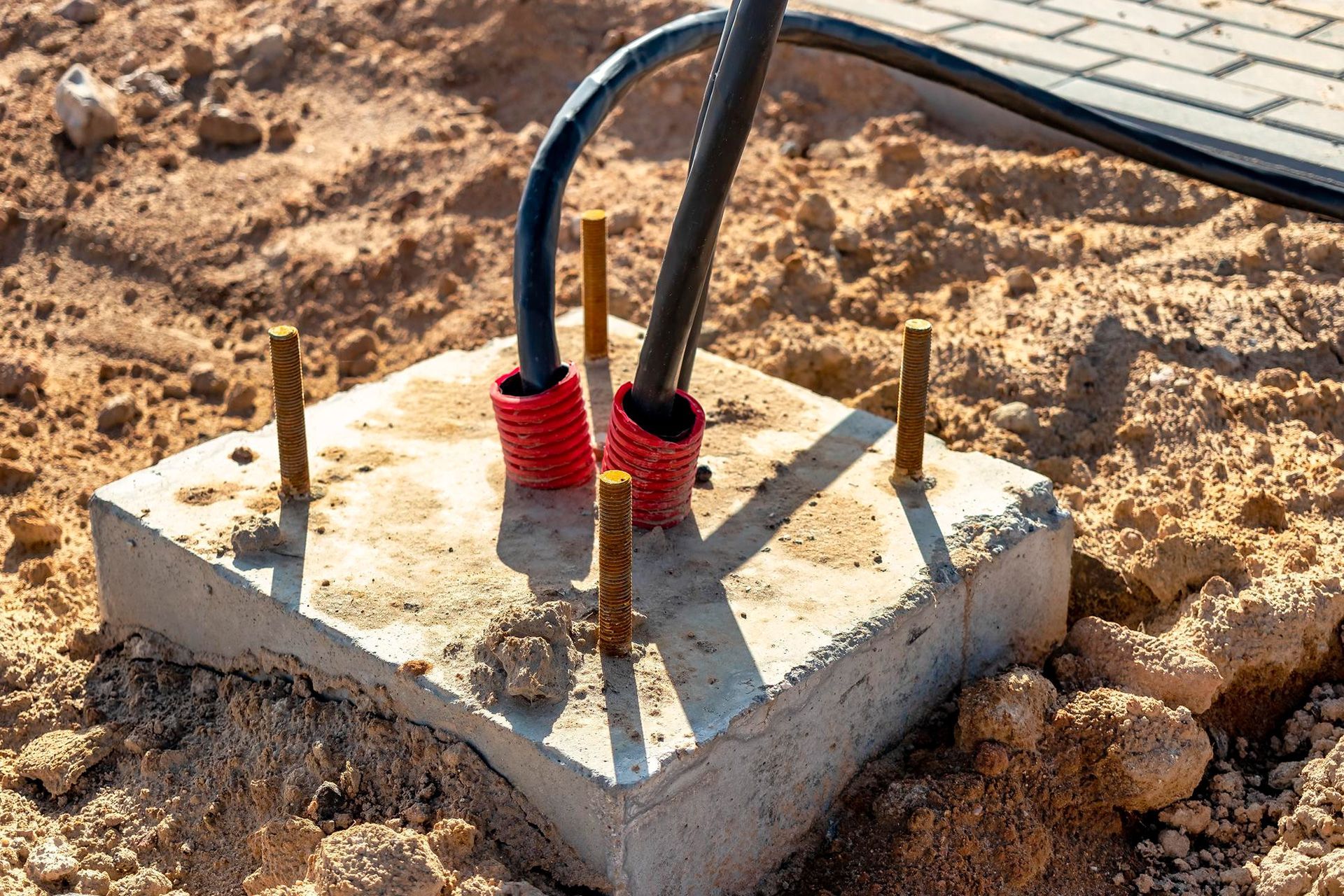
A Ufer ground is a type of grounding electrode built into a concrete foundation or footing. Instead of relying only on a metal rod driven into the soil, it uses qualifying reinforcing steel or copper conductor encased in concrete that is in direct contact with the earth.
For homeowners, the important thing to understand is that a Ufer is part of the electrical grounding system. It helps connect the home's electrical system to the earth and forms part of the overall grounding and bonding system.
Because most of the electrode is buried inside concrete, homeowners may never actually see it. During a finished-home inspection, the inspector usually evaluates visible grounding and bonding components rather than uncovering the foundation to verify the hidden electrode.
Here is how concrete-encased grounding works, why it matters, and what buyers and homeowners should know.
What Is a Ufer Ground?
The technical term for a Ufer ground is a concrete-encased electrode.
It generally consists of qualifying reinforcing steel or a bare copper conductor installed within a concrete footing or foundation that is in direct contact with the earth.
Under National Electrical Code provisions for concrete-encased electrodes, the electrode generally includes at least 20 feet of qualifying reinforcing steel or at least 20 feet of bare copper conductor no smaller than 4 AWG. The material must also be surrounded by at least 2 inches of concrete.
The concrete itself plays an important role because it provides a large contact area with the surrounding earth.
Why Is It Called a Ufer Ground?
The name comes from Herbert G. Ufer, who developed the concrete-encased grounding method while working on electrical grounding systems for military facilities in dry desert conditions.
The method became widely recognized because concrete foundations can provide an effective connection to earth even in areas where soil conditions make traditional grounding methods more challenging.
Today, electricians often use the informal term "Ufer," while electrical codes generally refer to the system as a concrete-encased electrode.
How Does a Ufer Ground Work?
A grounding electrode connects the electrical grounding system to the earth.
In a concrete-encased system, conductive steel or copper is surrounded by concrete within the foundation.
The concrete maintains contact with the soil across a relatively large surface area. This allows the electrode to become part of the home's grounding electrode system.
The grounding system serves several important electrical purposes, including helping stabilize the electrical system in relation to earth and providing a path for certain types of electrical overvoltage, including lightning-related or utility-related events.
However, a grounding electrode is only one part of electrical safety.
Circuit breakers, equipment grounding conductors, bonding, GFCI protection, and other electrical components all serve different purposes.
What Is Inside a Concrete-Encased Ground?
The electrode may use reinforcing steel already installed within the concrete foundation.
A typical qualifying installation may involve:
- Reinforcing steel within the footing
- Properly connected sections of reinforcing steel
- A grounding electrode conductor connected to the electrode
- Concrete surrounding the electrode
- Direct contact between the concrete foundation and earth
A bare copper conductor may also be used instead of qualifying reinforcing steel.
The exact installation depends on the electrical design, construction method, code requirements, and local authority.
Why Does Direct Contact With the Earth Matter?
A concrete-encased electrode works because the concrete foundation interacts electrically with the surrounding earth.
If insulation, a vapor barrier, or another material completely separates the concrete from the soil, that concrete may not qualify as being in direct contact with the earth for this purpose.
Electrical code guidance has specifically recognized this distinction.
This is one reason grounding requirements should be addressed during construction rather than assumed after the concrete has already been poured.
Is a Ufer Ground the Same as a Ground Rod?
No.
Both can be parts of a grounding electrode system, but they are different types of electrodes.
Ufer Ground
A Ufer ground uses qualifying steel reinforcement or copper conductor encased within concrete.
Ground Rod
A ground rod is usually a metal electrode driven vertically into the earth.
A home may have more than one type of grounding electrode.
Electrical rules generally require qualifying grounding electrodes that are present at a building to be bonded together into the grounding electrode system.
Therefore, seeing a ground rod outside the house does not automatically mean the property does not also have a concrete-encased electrode.
Why Is Grounding Important in a Home?
Grounding and bonding are important parts of electrical safety, but the terms are often misunderstood.
Grounding
Grounding connects the electrical system to earth through grounding electrodes.
Bonding
Bonding connects conductive components together so they remain at substantially the same electrical potential and provide an effective path for fault current.
These systems work together but do not perform exactly the same job.
An improperly installed or damaged grounding and bonding system can deserve evaluation by a qualified electrician.
Are Ufer Grounds Used in New Homes?
Concrete-encased electrodes are common in modern construction because reinforcing steel is often already present within concrete footings.
When a qualifying concrete-encased electrode is present, electrical codes generally require it to become part of the grounding electrode system.
California's current 2025 Electrical Code became effective January 1, 2026 and adopts the 2023 National Electrical Code with California amendments.
Exact requirements can depend on:
- Construction date
- Foundation design
- Local amendments
- Type of building
- Available electrodes
- Permit requirements
Homeowners should avoid assuming that every property must have exactly the same grounding configuration.
Can Older Homes Have Ufer Grounds?
Yes, but many older homes use other grounding methods.
Depending on when the property was constructed or upgraded, the grounding system may include:
- Ground rods
- Metal underground water piping
- Concrete-encased electrodes
- Other qualifying grounding electrodes
- A combination of several electrodes
Older homes may also have electrical systems that were modified over time.
For buyers, the more important question is not simply whether the house has a Ufer. It is whether the visible grounding and bonding system appears properly configured and whether any concerns deserve evaluation by an electrician.
Can You See a Ufer Ground?
Usually not completely.
The primary electrode is inside the concrete foundation.
Once construction is complete, directly inspecting the buried reinforcing steel or copper conductor would require disturbing the concrete, which is not part of a normal home inspection.
However, certain accessible parts of the system may be visible.
These can include:
- Grounding electrode conductors
- Connections near electrical service equipment
- Visible bonding connections
- Ground rods
- Connections to other grounding electrodes
An inspector evaluates what is visible and accessible.
What Can a Home Inspector Check?
A home inspector evaluates the accessible electrical system rather than performing destructive testing.
Green Valley Inspections' stated electrical inspection scope includes:
- Main service panel
- Subpanels
- Wiring methods
- Outlets
- Switches
- Fixtures
- Grounding
- Bonding
The inspector may look for visible concerns such as:
- Missing grounding connections
- Loose or damaged visible conductors
- Questionable bonding
- Improper panel conditions
- Visible electrical modifications
- Corrosion
- Other safety concerns
If a condition requires detailed electrical testing or code analysis, further evaluation by a qualified electrician may be recommended.
Can an Inspector Confirm a Hidden Ufer Ground?
Not always.
This is an important limitation for home buyers.
A finished foundation hides most of the concrete-encased electrode.
An inspector normally cannot confirm:
- The exact length of buried reinforcing steel
- How every concealed rebar connection was made
- Whether the electrode has adequate concrete coverage
- Conditions beneath the foundation
- Hidden damage to the electrode
Construction photographs, permits, electrical plans, or other records may provide additional information on newer homes.
For new construction, the electrode is much easier for the appropriate professionals to verify before the concrete is poured.
What Problems Can Occur With Grounding Systems?
The buried concrete electrode itself is not the only area that can develop problems.
Visible grounding and bonding concerns may include:
- Disconnected grounding conductors
- Damaged conductors
- Corroded connections
- Improper bonding
- Electrical modifications
- Loose connections
- Missing components
- Work performed during remodeling
These conditions may appear after years of electrical changes even if the original grounding system was properly installed.
That is another reason the entire electrical system should be considered rather than focusing only on whether a Ufer ground exists.
Ufer Ground in New Construction Inspections
New construction provides a unique opportunity to evaluate building components before they become concealed.
A pre-pour or foundation-stage inspection may allow certain construction details to be observed before concrete covers them.
However, a home inspector should not be confused with the electrical contractor or municipal electrical inspector responsible for approving electrical-code compliance.
For buyers building a new Southern California home, it can still be helpful to maintain:
- Construction photographs
- Permit documents
- Electrical inspection records
- Builder documentation
- Plans and specifications
These records can become useful years later when future homeowners or electricians need information about concealed systems.
Should Homeowners Add a Ufer Ground to an Existing House?
This is not normally a simple homeowner project.
If an existing home does not have a concrete-encased electrode, installing one would generally involve major foundation-related work.
More importantly, the home may already have another approved grounding electrode system.
Do not assume that adding a Ufer is necessary simply because you cannot see one.
If there are concerns about the home's grounding system, have a qualified electrician evaluate the existing electrical installation and determine what is appropriate.
Warning Signs That Need Electrical Evaluation
You generally cannot identify a defective concrete-encased electrode from ordinary household symptoms.
However, other electrical concerns should prompt professional evaluation.
These may include:
- Repeated breaker trips
- Burning odors
- Damaged electrical panels
- Corrosion
- Visible loose wiring
- Improper grounding connections
- Electrical shocks or tingling
- Questionable homeowner modifications
These signs can have many possible causes.
They should not automatically be blamed on the home's grounding electrode.
Ufer Grounds in Southern California Homes
Concrete-encased grounding can be especially relevant in Southern California because many homes are built on concrete slab or footing foundations.
However, properties throughout Riverside, San Bernardino, Los Angeles, Orange, and San Diego counties vary greatly in:
- Age
- Foundation type
- Electrical upgrades
- Construction standards
- Remodeling history
A newer home may have a very different grounding system from a property built several decades ago.
The inspector should evaluate the actual visible electrical conditions rather than assume the system based only on the home's age.
Understanding Your Home's Grounding System
A Ufer ground is a concrete-encased grounding electrode that uses reinforcing steel or copper conductor within a qualifying concrete foundation or footing to connect the electrical grounding system to earth.
It is an important part of many modern grounding systems, but homeowners rarely see the electrode itself after construction.
During a home inspection, the inspector can evaluate accessible grounding and bonding components, electrical panels, wiring methods, outlets, switches, and other visible electrical conditions. The concrete-encased portion usually remains concealed.
If you are buying a home in Southern California, Green Valley Inspections provides professional home inspections that include an evaluation of accessible electrical grounding and bonding components along with the property's other major systems. Contact Green Valley Inspections to schedule your inspection and better understand the visible electrical condition of the home. If a specialized grounding concern is identified, further evaluation by a qualified electrician may be recommended.
Frequently Asked Questions
What is a Ufer ground?
A Ufer ground is a concrete-encased grounding electrode. It generally uses qualifying reinforcing steel or bare copper conductor inside a concrete footing or foundation that is in contact with the earth.
Is a Ufer ground the same as a ground rod?
No. A Ufer uses conductive material encased in concrete, while a ground rod is a metal electrode driven into the earth. A building may use several types of grounding electrodes together.
Can a home inspector see the Ufer ground?
Usually only portions of the grounding system are visible. The main concrete-encased electrode is normally hidden inside the foundation once construction is complete.
Why is concrete used for grounding?
Concrete in direct contact with soil creates a large conductive connection with the earth. Qualifying steel or copper embedded within it can therefore serve as part of the grounding electrode system.
Does every house have a Ufer ground?
No. Grounding systems vary depending on the home's age, construction, available electrodes, and applicable electrical requirements.
Can a Ufer ground be added to an existing home?
Adding a true concrete-encased electrode to an existing finished foundation is usually not straightforward. A qualified electrician should evaluate the existing grounding electrode system before recommending changes.
Does Green Valley Inspections check electrical grounding?
Yes. Green Valley Inspections includes visible grounding and bonding components as part of its electrical system inspection. Concealed components inside concrete cannot normally be directly inspected.
Disclaimer: The information on this website and blog is for general informational purposes only and is not professional advice. We make no guarantees of accuracy or completeness. We disclaim all liability for errors, omissions, or reliance on this content. Always consult a qualified professional for specific guidance.
Search
Certification
Green Valley Inspections is InterNACHI Certified, a Certified Master Inspector, and CCPIA-certified, demonstrating advanced training, extensive experience, professional ethics, and expertise in residential and commercial property inspections across Southern California.



Social Media
Google Reviews

5-star ratings from 440+ clients across Southern California.
Contact Us
Recent Post



Service Areas
We offer home inspection services throughout the following counties: