
Toxic Black Mold vs. Black Mold: Is All Black Mold Toxic?
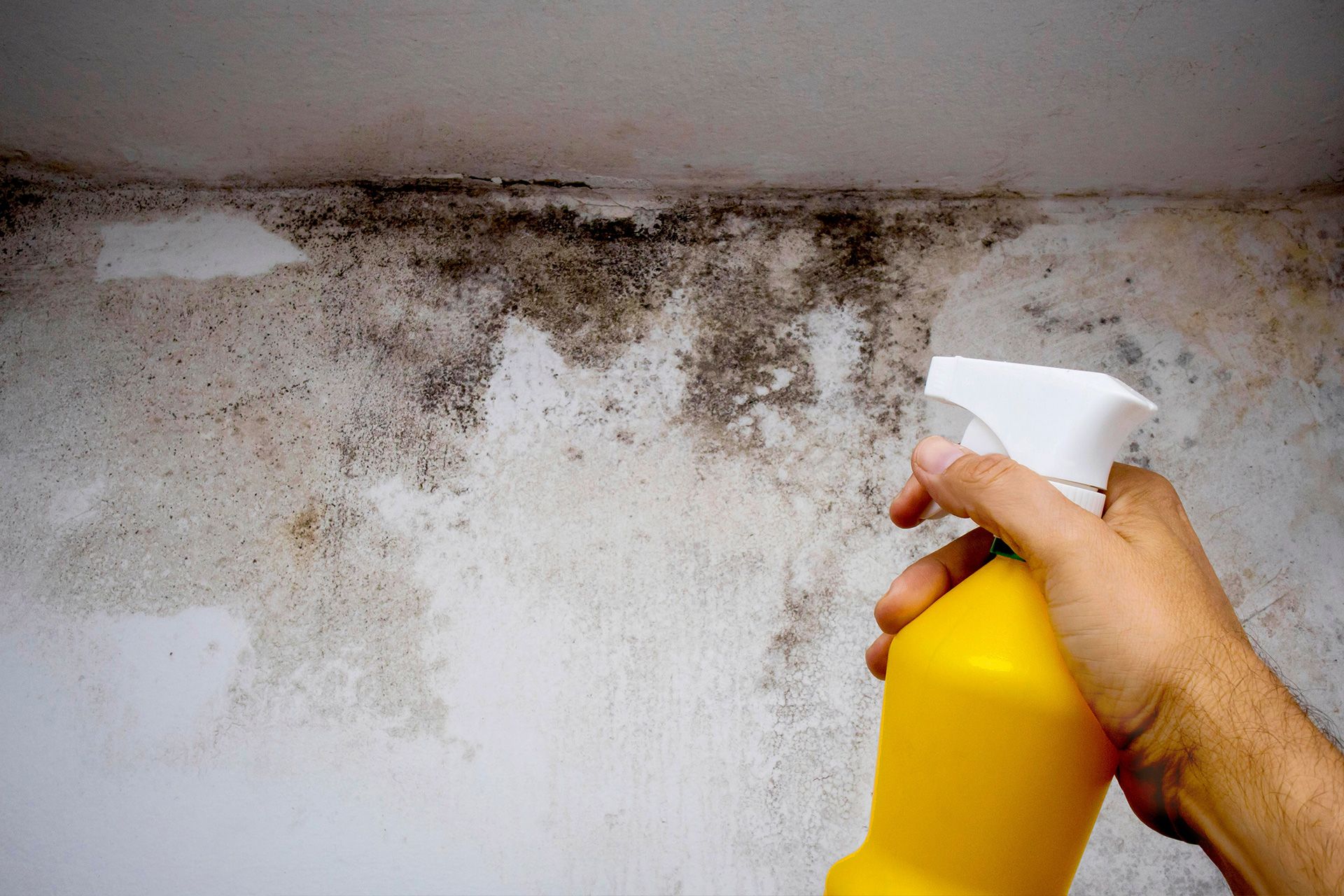
No, not all black mold is toxic. Mold can appear black, green, gray, brown, white, or other colors, and color alone cannot tell you whether a specific mold produces potentially harmful substances.
The term "black mold" is often used loosely to describe any dark-colored mold. It is not the name of one specific species. Some people use "toxic black mold" to refer to Stachybotrys chartarum, a greenish-black mold that can grow on damp materials such as drywall and paper products. However, other molds can also appear black.
The more important issue for homeowners is not simply the color. Any indoor mold growth means moisture is present where it should not be. The moisture source should be identified and corrected.
This guide explains what black mold really means, possible health concerns, mold in showers, the difference between mold and mildew, and when a professional mold inspection may be useful.
Is All Black Mold Toxic?
No. Is all black mold toxic? The short answer is no.
A dark color does not prove that a mold is producing toxins. "Black mold" is not a scientific category, and many different types of mold can look black or dark green. Some mold species can produce substances called mycotoxins under certain environmental conditions, but you cannot determine whether that is happening simply by looking at the mold.
This distinction is important because homeowners sometimes see a dark spot and immediately assume they have a highly dangerous type of mold.
Instead of trying to identify mold based on color, focus on:
- Where it is growing
- How much is present
- Whether moisture is active
- Whether the growth keeps returning
- Whether building materials are damaged
- Whether professional evaluation is appropriate
Visible indoor mold should be addressed regardless of its color.
What Does "Toxic Black Mold" Mean?
The phrase "toxic black mold" is often associated with Stachybotrys chartarum.
This mold is generally greenish-black and can grow on materials that contain cellulose, including:
- Drywall
- Paper
- Fiberboard
- Ceiling materials
- Other water-damaged building products
It requires moisture to grow and is often associated with ongoing leaks, flooding, condensation, or other persistent water problems.
However, describing the mold itself as "toxic" can be misleading.
Certain molds are considered toxigenic because they have the ability to produce mycotoxins under some conditions. That does not mean every dark-colored mold is producing toxins or that its appearance tells you its exact species.
For homeowners, the practical lesson is simple:
Do not try to judge indoor mold risk based only on whether it looks black.
Can You Identify Toxic Mold by Looking at It?
No.
Several mold species can have similar colors and textures. Mold may appear:
- Black
- Dark green
- Brown
- White
- Orange
- Gray
- Yellow
Appearance alone does not reliably identify the species or tell you whether mycotoxins are being produced.
This is one reason photographs from the internet are not a reliable way to identify mold in your home.
When identifying the type of mold is important, appropriate sampling and laboratory analysis may provide additional information.
Why Is Mold Growing in the Home?
Mold needs moisture.
If mold appears indoors, there is usually a moisture source or condition supporting its growth.
Common causes include:
- Roof leaks
- Plumbing leaks
- High humidity
- Condensation
- Flooding
- Poor ventilation
- Water intrusion around windows
- Damp crawl spaces
- Drainage problems
Mold spores naturally exist in indoor and outdoor environments. The goal is not to eliminate every mold spore from a house. The goal is to prevent those spores from finding enough moisture to grow indoors.
That is why simply cleaning the visible mold without correcting the water problem may result in the growth returning.
Is Black Mold in the Shower Dangerous?
Homeowners frequently ask, is black mold in shower dangerous?
Dark growth in a shower does not automatically mean Stachybotrys or another specific mold species is present.
Bathrooms provide many conditions that mold likes:
- Frequent moisture
- Warm temperatures
- Condensation
- Wet grout
- Damp caulk
- Limited airflow
Mold exposure may cause allergic or irritation-type reactions in some people. Possible effects can include a stuffy nose, coughing, wheezing, irritated eyes, or skin irritation. People with asthma or mold allergies may experience stronger reactions.
The presence of recurring shower mold should therefore not simply be ignored.
Look at why the area remains damp.
Possible causes include:
- Poor bathroom ventilation
- An exhaust fan that is not working effectively
- Water remaining on surfaces
- Plumbing leakage
- Failed caulking
- Persistent high humidity
If mold keeps returning despite routine cleaning and moisture control, further investigation may be worthwhile.
Long-Term Exposure to Black Mold Symptoms
Searches for long-term exposure to black mold symptoms often produce alarming lists of health problems.
Homeowners should be careful with those claims.
Mold exposure can affect different people differently. Some individuals may experience no noticeable effects, while others may develop allergic or irritation-type symptoms.
Possible symptoms associated with damp or moldy environments can include:
- Stuffy nose
- Sore throat
- Coughing
- Wheezing
- Red or irritated eyes
- Skin irritation
People with asthma or mold allergies may experience more significant respiratory reactions, while individuals with weakened immune systems or certain chronic lung conditions may face additional risks.
However, these symptoms are not specific to black mold.
A headache, cough, congestion, or fatigue does not prove that a particular mold species is responsible.
If you have persistent or concerning symptoms, speak with a qualified medical professional. A home inspector can evaluate property conditions but cannot diagnose whether mold caused someone's illness.
What's the Difference Between Mold and Mildew?
Another common question is: what's the difference between mold and mildew?
"Mildew" is a term often used for certain types of mold or fungal growth, particularly growth that appears relatively flat on surfaces.
In everyday household use, people often describe light, powdery, or surface-level bathroom growth as mildew and darker or heavier growth as mold.
Scientifically, however, mildew is still related to fungal growth rather than being an entirely separate category.
Both are encouraged by moisture.
Whether homeowners call a dark bathroom stain mold or mildew, the important questions remain:
- Why is the area staying wet?
- Is the growth recurring?
- Has water entered hidden materials?
- Does the affected material need further evaluation?
Controlling moisture remains the key step.
Where Can Black-Colored Mold Grow?
Dark-colored mold can develop anywhere sufficient moisture and suitable materials are present.
Common locations include:
Bathrooms
Showers, tubs, grout, ceilings, walls, and areas around plumbing can remain damp enough for mold growth.
Kitchens
Leaks below sinks, dishwashers, refrigerators, or supply lines can create hidden moisture.
Attics
Roof leaks, condensation, and ventilation problems can affect roof sheathing and framing.
Crawl Spaces
Ground moisture, plumbing leaks, drainage issues, and high humidity may create favorable conditions beneath the home.
Around Windows
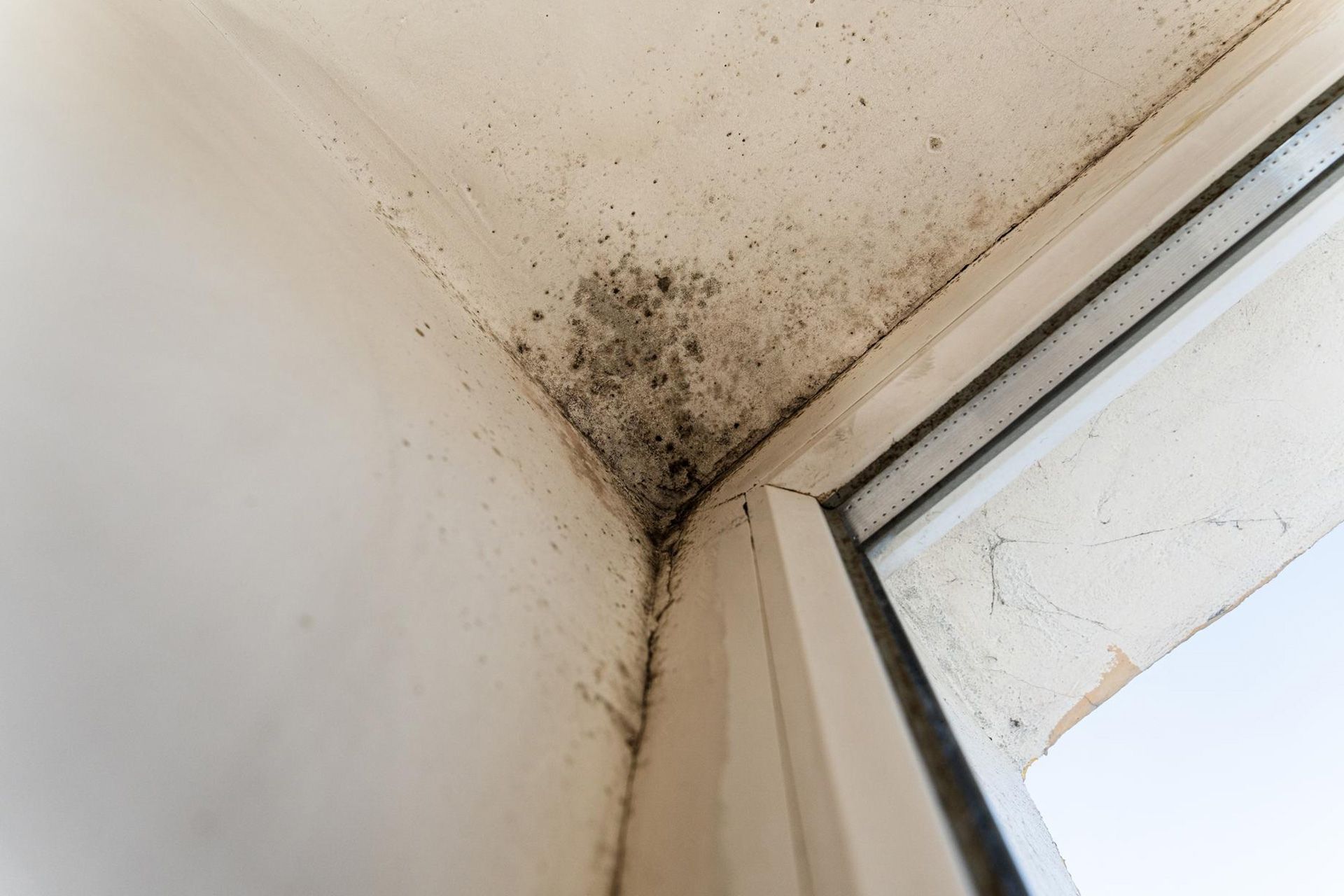
Condensation or exterior water intrusion may allow mold to develop around frames and surrounding finishes.
Behind Walls
A hidden plumbing or roof leak can wet drywall, insulation, or framing without creating an obvious surface problem right away.
That is why visible mold is sometimes only part of the issue.
Warning Signs of a Larger Mold Problem
A small isolated surface spot is different from widespread or recurring mold growth.
Consider further evaluation when you notice:
- Mold returning after cleaning
- Large areas of visible growth
- Persistent musty odors
- Water stains
- Recent flooding
- Repeated plumbing leaks
- Roof leakage
- Damp drywall
- Soft or deteriorated building materials
- High indoor humidity
- Mold-like growth in multiple rooms
A musty odor with no obvious visible source can also deserve investigation because hidden moisture may be present.
Do You Always Need Mold Testing?
No.
Mold testing is not automatically necessary every time visible mold is found.
When mold is clearly visible and the moisture source is obvious, identifying the exact species may not change the basic need to address the moisture and remove affected materials appropriately.
Routine air sampling also has limitations because mold spores naturally exist in indoor and outdoor environments, and there are no health-based indoor-air standards that provide a simple "safe" versus "unsafe" mold number.
Testing may be more useful when:
- The source is unclear
- Mold is suspected but not visible
- Documentation is needed
- Different areas need comparison
- A professional determines sampling would provide useful information
Green Valley Inspections offers air and surface sampling when applicable as part of its mold inspection services.
What Happens During a Professional Mold Inspection?
A professional mold inspection should look beyond the color of visible growth.
Green Valley Inspections' mold evaluation includes accessible areas such as:
- Walls
- Ceilings
- Floors
- Bathrooms
- Kitchens
- Crawl spaces
- Attics
- HVAC components
The inspection also focuses on moisture because finding the source is critical to understanding why mold developed.
Depending on the situation, the process may include:
Visual Evaluation
The inspector looks for visible mold-like growth, moisture staining, and water damage.
Moisture Assessment
Specialized tools may be used to identify elevated moisture levels, leaks, condensation, or areas with poor ventilation.
Sampling When Appropriate
Air or surface samples may be collected when they can provide useful additional information.
Reporting
The inspection report documents findings, photographs, moisture observations, and recommendations for appropriate next steps.
The inspection does not perform mold remediation or replace medical advice.
Should You Clean Black Mold Yourself?
The answer depends on the size of the affected area, the material involved, the source of the moisture, and the condition of the property.
A small amount of surface mold resulting from normal bathroom moisture may be very different from growth caused by a hidden plumbing leak or major water event.
Avoid treating a large or recurring mold problem as a simple cleaning issue.
Professional help may be appropriate when:
- Mold covers a significant area
- Porous building materials are affected
- Water damage is extensive
- Sewage or contaminated water was involved
- Mold repeatedly returns
- The moisture source is unknown
- Hidden growth is suspected
- Occupants have specific health concerns
Whatever the situation, correcting the moisture source is essential. Indoor mold is likely to return if the area remains damp.
Why Painting Over Mold Is Not a Solution
Painting over visible mold may temporarily hide discoloration, but it does not correct the cause.
If drywall remains damp because of a plumbing leak, applying paint will not stop moisture from entering the material.
The better sequence is:
- Identify the moisture source.
- Correct the water or humidity problem.
- Address affected materials appropriately.
- Allow materials to dry properly.
- Complete repairs and finishes afterward.
The same principle applies to caulk, sealants, and cosmetic repairs.
Fix the cause before hiding the symptom.
Black Mold Concerns in Southern California Homes
Southern California has a generally dry reputation, but homes can still develop mold problems.
Conditions may include:
- Plumbing leaks
- Roof leaks during seasonal rain
- Coastal humidity
- Bathroom moisture
- HVAC condensation
- Irrigation near buildings
- Crawl-space moisture
- Water intrusion around windows
Properties throughout San Bernardino, Riverside, Los Angeles, Orange, and San Diego counties can experience very different moisture conditions.
A mold concern should therefore be evaluated based on the specific property, not simply the region's general climate.
Focus on Moisture, Not Just Mold Color
So, is all black mold toxic? No.
Black is simply a color. Different mold species can appear dark, and you cannot determine whether a mold is producing mycotoxins simply by looking at it.
What matters most for homeowners is finding out why mold is growing indoors.
Visible mold, recurring musty odors, leaks, condensation, or unexplained moisture should be investigated rather than ignored. Correcting the moisture source is essential because mold can continue returning as long as damp conditions remain.
If you are concerned about mold in your Southern California property, Green Valley Inspections provides professional mold inspections that evaluate visible mold growth, moisture sources, water damage, ventilation concerns, and other conditions that can support mold development.
Air or surface sampling may also be recommended when appropriate. Contact Green Valley Inspections to schedule a mold inspection and get clearer information about the conditions affecting your home.
Frequently Asked Questions
Is all black mold toxic?
No. Many molds can appear black or dark-colored. Color does not tell you whether a mold produces mycotoxins or identify its species. Any indoor mold growth should still be addressed by finding and correcting the moisture source.
Is black mold in a shower dangerous?
Dark shower mold may cause irritation or allergic reactions in some people, but its color does not prove that it is a specific "toxic" mold. Recurring shower growth should prompt homeowners to improve moisture control and investigate ventilation or leakage problems.
Can you tell toxic black mold by looking at it?
No. Mold cannot reliably be identified as toxigenic based on appearance alone. When identification is necessary, appropriate sampling and laboratory analysis may provide more information.
What are possible long-term exposures to black mold symptoms?
People exposed to damp and moldy environments may experience symptoms such as coughing, wheezing, congestion, eye irritation, or skin irritation. These symptoms are not specific to black mold. Anyone with persistent health concerns should speak with a medical professional.
What's the difference between mold and mildew?
"Mildew" is a term commonly used for certain types of mold or fungal growth, often describing flatter surface growth. Both are associated with moisture, so controlling damp conditions is important regardless of which term is used.
Should I test black mold before removing it?
Testing is not always necessary when mold is clearly visible and the moisture source is known. Sampling may be useful in certain situations when additional information is needed. A professional mold inspector can help determine whether testing is appropriate.
Why does black mold keep coming back?
Recurring mold usually means moisture is still present. Possible causes include plumbing leaks, condensation, poor ventilation, roof leakage, high humidity, or water intrusion. Until the moisture problem is corrected, mold may continue to return.
Disclaimer: The information on this website and blog is for general informational purposes only and is not professional advice. We make no guarantees of accuracy or completeness. We disclaim all liability for errors, omissions, or reliance on this content. Always consult a qualified professional for specific guidance.
Search
Certification
Green Valley Inspections is InterNACHI Certified, a Certified Master Inspector, and CCPIA-certified, demonstrating advanced training, extensive experience, professional ethics, and expertise in residential and commercial property inspections across Southern California.

Social Media
Google Reviews

5-star ratings from 440+ clients across Southern California.
Contact Us
Recent Post




Service Areas
We offer home inspection services throughout the following counties: