
Why You Need Home Inspection for New Construction
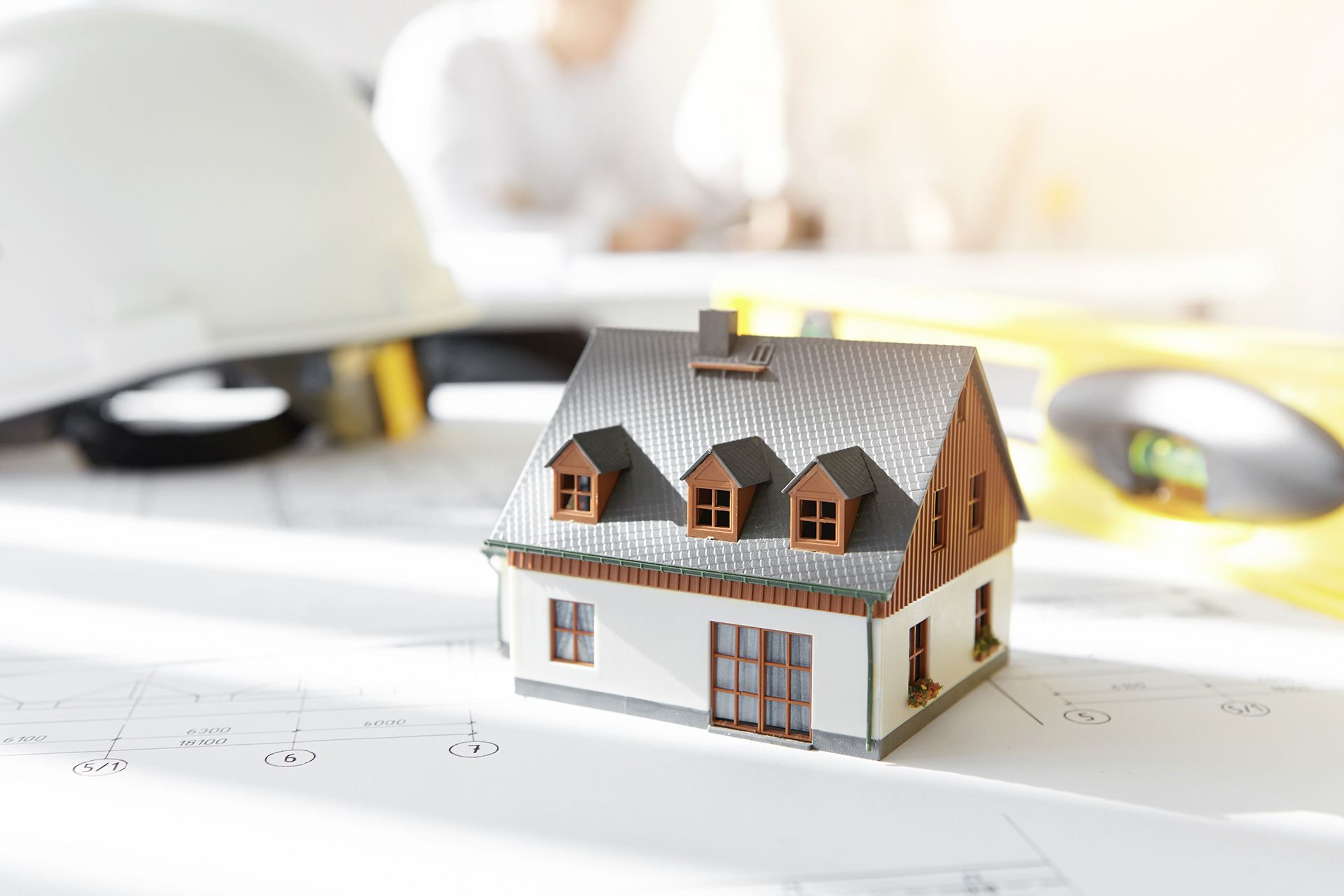
Many buyers assume a newly built home is perfect because everything is brand new. While new homes may look clean and modern, construction mistakes can still happen during the building process. Even experienced builders and contractors can overlook important details.
This is why a new construction home inspection is so important. A professional inspection helps identify issues before you move into the property. It also gives buyers peace of mind by confirming the home was built safely and correctly.
Whether you are purchasing your first house or upgrading to a custom home, new build inspections can help protect your investment and prevent future problems.
What Is a New Construction Home Inspection?
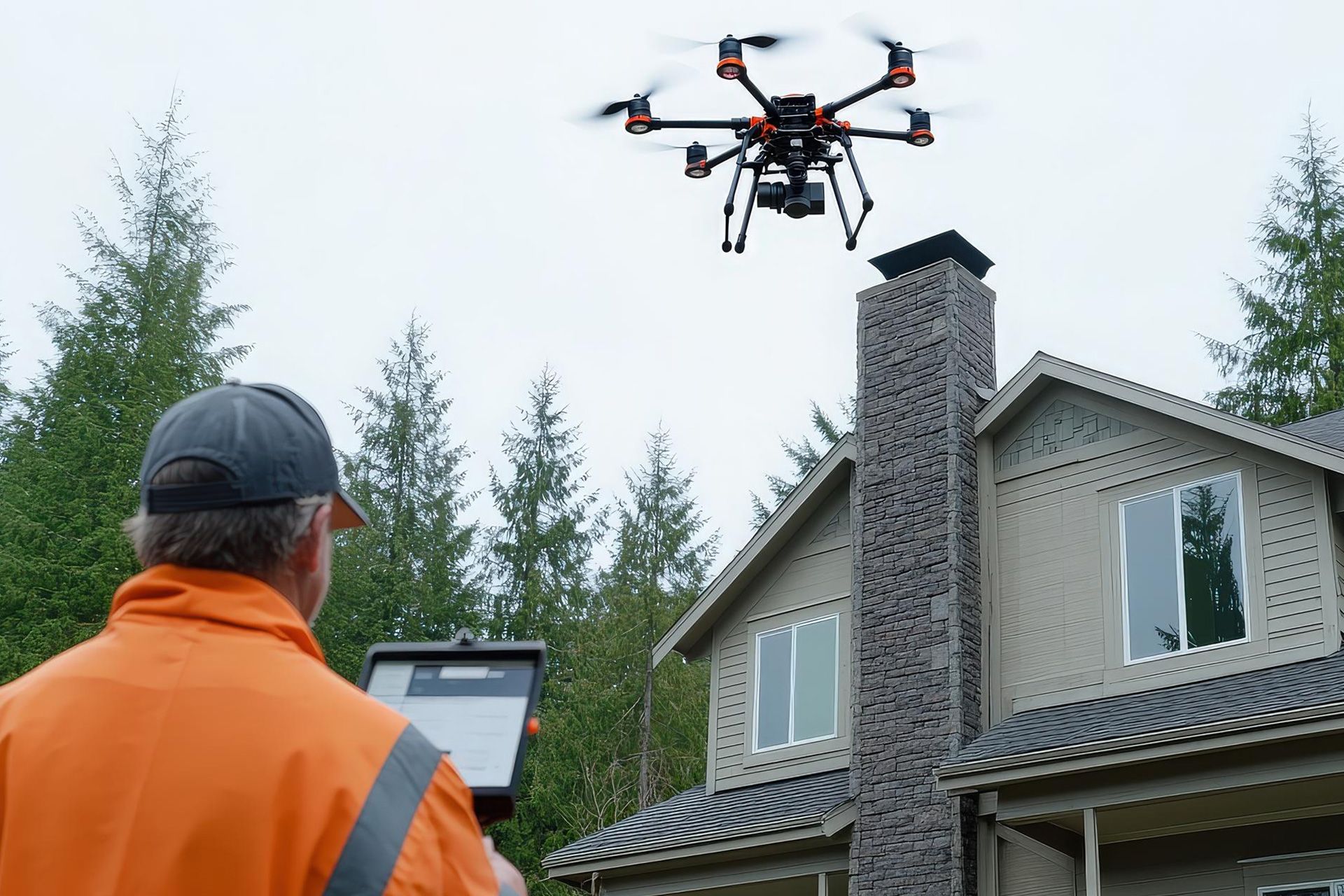
A new construction inspection is a professional evaluation of a newly built home before the buyer takes ownership. The inspector checks major systems, structure, and visible components to identify defects or incomplete work.
Unlike municipal building inspections, which primarily verify compliance with minimum code requirements, a private home inspection focuses on the property's overall quality and condition.
The goal is to make sure the home is safe, functional, and ready for occupancy.
Why New Homes Still Have Problems
Many people believe new homes do not need inspections because they are recently built. Unfortunately, that is not always true.
Construction projects involve many workers, tight deadlines, and multiple work stages. Small mistakes can happen during framing, plumbing, electrical installation, roofing, or finishing.
Common causes of issues include:
- Rushed construction schedules
- Miscommunication between contractors
- Incomplete work
- Material defects
- Missed details during installation
Even minor problems can become expensive if they are not discovered early.
Common Problems Found During New Build Inspections
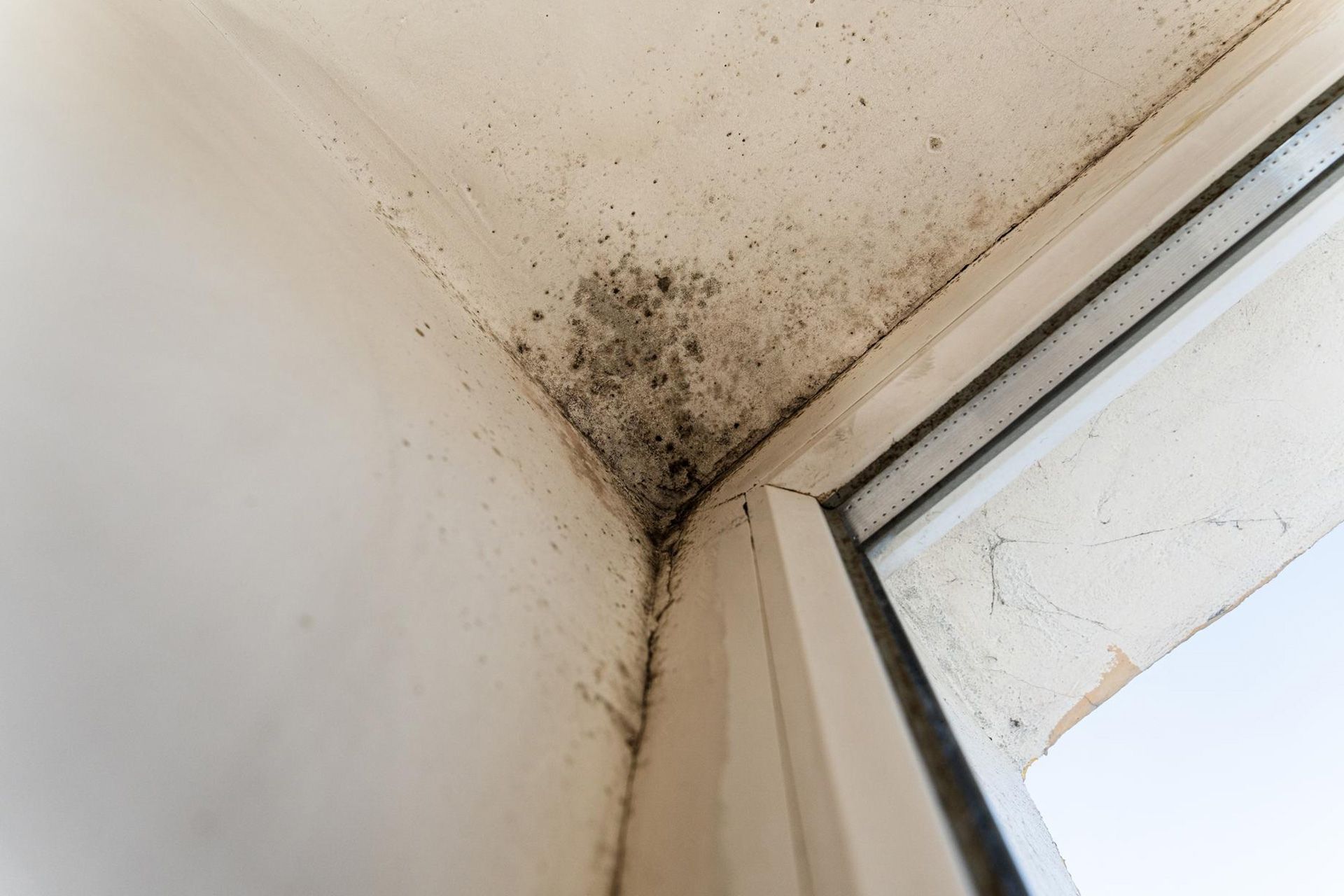
A professional inspector may find Common Home Inspection Problems that are difficult for buyers to notice during a walkthrough.
Some of the most common findings include:
- Improper electrical wiring
- Plumbing leaks
- Roof installation problems
- Poor attic ventilation
- Uneven flooring
- Cracks in the drywall or foundation
- Missing insulation
- Doors or windows that do not seal properly
These issues may seem small at first, but they can affect comfort, safety, and long-term performance.
Benefits of a New Construction Home Inspection
Helps Catch Problems Before Closing
One of the biggest advantages of a new construction home inspection is that problems can often be corrected before the sale is finalized.
This allows buyers to ask the builder to repair issues before moving into the home.
Protects Your Investment
Buying a new home is a major financial commitment. An inspection helps ensure the property meets quality expectations and reduces the risk of unexpected repairs later.
Provides Peace of Mind
A professional inspection gives buyers confidence that an experienced expert has carefully reviewed the home.
Instead of wondering whether hidden issues exist, you receive a detailed report explaining the condition of the property.
Identifies Safety Concerns
Some construction defects may affect safety. Electrical issues, loose railings, roof problems, or poor ventilation can create risks if not addressed early.
An inspection helps identify these concerns before they become serious problems.
Stages of New Build Inspections
Some buyers choose to schedule inspections at different stages of construction instead of waiting until the home is complete.
Pre Drywall Inspection
This inspection takes place before insulation and drywall are installed. It allows the inspector to examine framing, plumbing lines, wiring, and structural components while they are still visible.
Final Inspection
The final inspection happens when construction is complete and before closing. The inspector checks all accessible systems and finishes throughout the home.
Warranty Inspection
Many builders provide a one-year warranty. A warranty inspection is usually scheduled before the warranty period ends to identify issues that may need repair.
What Inspectors Check During a New Construction Home Inspection
Professional inspectors review many parts of the property during new build inspections.
Areas commonly inspected include:
- Roof and attic
- Foundation and structure
- Plumbing systems
- Electrical systems
- Heating and cooling systems
- Windows and doors
- Insulation and ventilation
- Walls, ceilings, and flooring
- Exterior grading and drainage
The inspector documents visible issues and provides recommendations for repair or further evaluation if needed.
Why Municipal Inspections Are Not Enough
Many buyers assume city or county inspections are enough to guarantee quality construction. While these inspections are important, they are limited in scope.
Municipal inspectors primarily focus on whether the home complies with local building codes. They may not inspect every detail or spend enough time reviewing cosmetic and performance issues.
A private new construction home inspection offers a more detailed evaluation focused on the buyer’s interests.
How Inspections Help Builders Too
Home inspections are not only beneficial for buyers. Builders can also benefit from the process.
An inspection helps identify problems before homeowners move in, reducing the chance of future complaints or warranty claims. It also helps maintain quality standards and customer satisfaction.
Builders who support inspections often show confidence in their work and commitment to delivering a quality home.
Signs You Should Never Skip an Inspection
Some buyers feel comfortable skipping inspections because the home looks beautiful during the walkthrough. However, appearance alone does not guarantee quality.
You should never skip an inspection if:
- The builder completed construction quickly
- Multiple contractors worked on the project
- The home has custom features or upgrades
- You notice cracks, uneven surfaces, or unfinished areas
- The property is part of a large development with many homes under construction
Even small warning signs can point to larger hidden problems.
Long-Term Value of New Build Inspections
A home inspection does more than identify immediate concerns. It also helps protect the long-term value of the property.
Finding issues early may help:
- Prevent future water damage
- Improve energy efficiency
- Extend system lifespan
- Reduce maintenance problems
A well-inspected home often performs better over time and gives owners greater confidence in their purchase.
Choosing the Right Home Inspector
The quality of the inspection depends on the inspector's experience. Choosing the right professional is important.
Look for an inspector who:
- Has experience with new construction homes
- Provides detailed reports
- Understands local building practices
- Has strong reviews and credentials
An experienced inspector knows where common construction issues occur and how to identify them before they become larger concerns.
Conclusion
A new construction home inspection is one of the smartest steps you can take before moving into a newly built home. Even brand-new properties can have hidden defects that may affect safety, comfort, and long-term value.
Professional new build inspections help identify problems early, protect your investment, and give you confidence in your purchase.
At Green Valley Home Inspections, we provide detailed inspections for newly built homes to help buyers make informed decisions and move forward with peace of mind. Schedule your new-construction home inspection today to ensure your new home is truly ready for move-in.
FAQs
Do new homes really need inspections?
Yes. Even newly built homes can have construction defects, incomplete work, or safety concerns that should be identified before closing.
What is included in a new construction home inspection?
Inspectors review the roof, structure, plumbing, electrical systems, HVAC, insulation, windows, doors, and other visible components.
When should a new build inspection be scheduled?
Inspections can be scheduled during different stages of construction, including pre-drywall, final walkthrough, and before the builder's warranty expires.
Can builders refuse a home inspection?
Most builders allow inspections, although policies may vary. Buyers should discuss inspection rights before signing contracts.
Why are private inspections important for homeowners?
Municipal inspections mainly focus on code compliance only. On the other hand, private inspections provide a more detailed review of quality and condition.
Disclaimer: The information on this website and blog is for general informational purposes only and is not professional advice. We make no guarantees of accuracy or completeness. We disclaim all liability for errors, omissions, or reliance on this content. Always consult a qualified professional for specific guidance.
Search
Certification
Green Valley Inspections is InterNACHI Certified, a Certified Master Inspector, and CCPIA-certified, demonstrating advanced training, extensive experience, professional ethics, and expertise in residential and commercial property inspections across Southern California.
Social Media
Google Reviews

5-star ratings from 440+ clients across Southern California.
Contact Us
Recent Post


Service Areas
We offer home inspection services throughout the following counties: