
How To Remove Mold From a Shower: Expert Tips
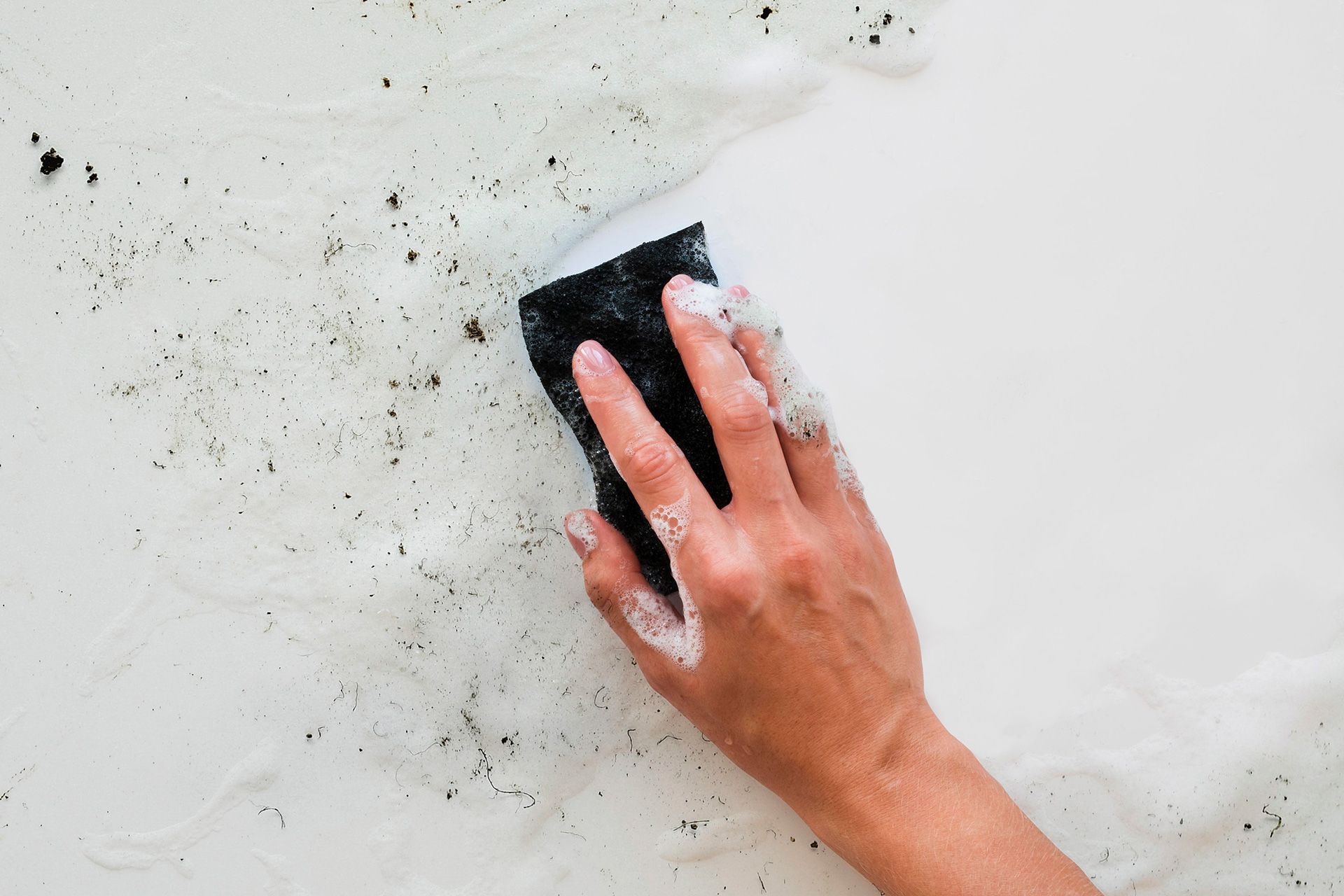
Mold in the shower is a common problem in many homes. Bathrooms create the perfect environment for mold because they stay warm and damp for long periods. Steam, standing water, and poor ventilation can all lead to mold growth around tiles, grout, ceilings, and shower doors.
Many homeowners search for ways to remove mold from shower areas once they notice dark spots or musty odors. While small mold problems may seem harmless at first, ignoring them can lead to bigger issues over time.
The good news is that regular cleaning and proper moisture control can help prevent mold from spreading. In this guide, you will learn expert tips for safely removing shower mold, preventing future growth, and recognizing when professional help may be needed.
Why Mold Grows in Showers
Bathrooms naturally collect moisture every day. After hot showers, steam settles on walls, ceilings, and corners. If the moisture does not dry properly, mold can begin to grow.
Mold often appears in:
- Tile grout
- Shower curtains
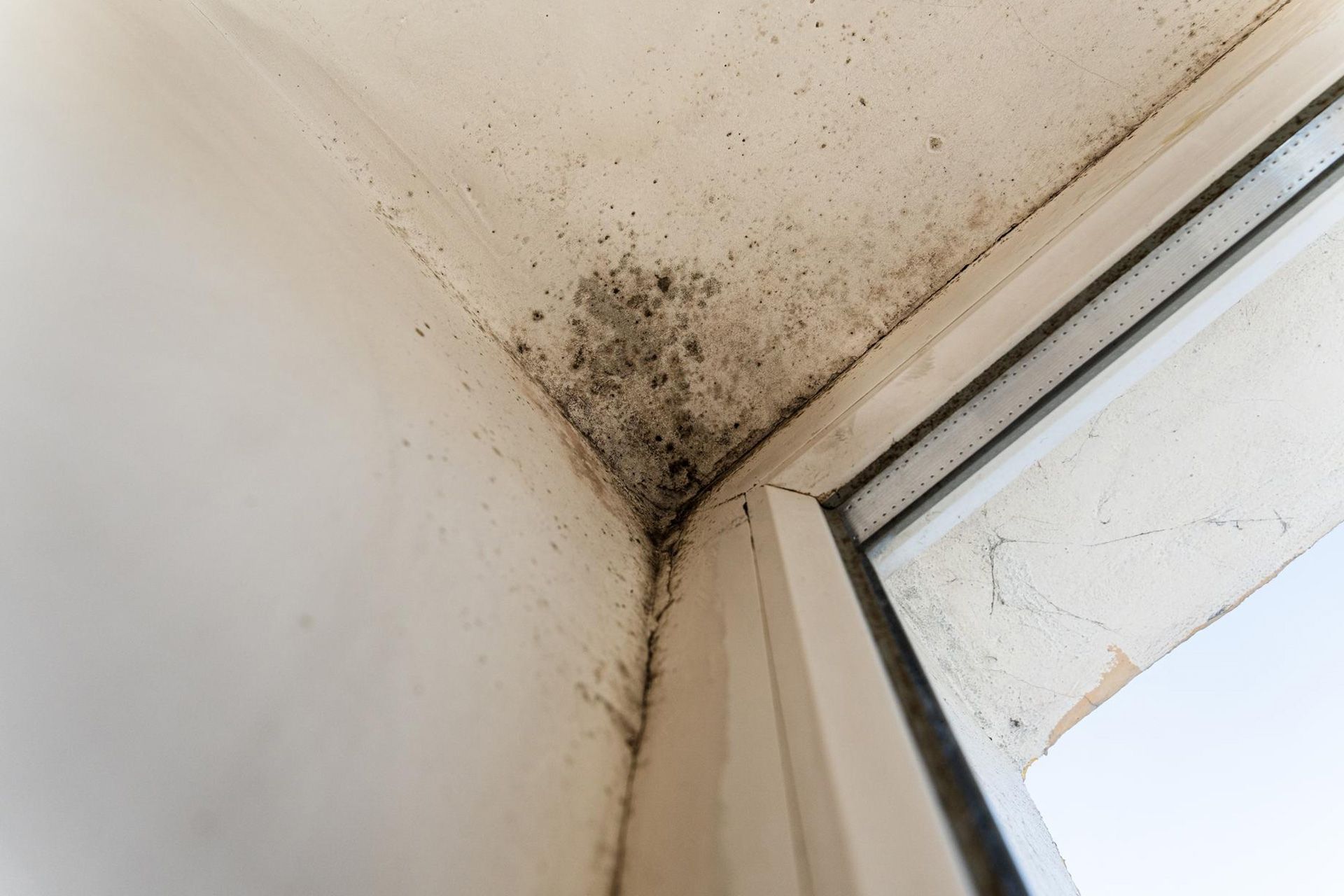
- Ceiling corners
- Around drains
- Caulking and seals
Poor airflow makes the problem worse because moisture remains trapped inside the bathroom.
Signs You May Have Shower Mold
Some mold problems are easy to spot, while others remain hidden behind walls or under surfaces.
Common warning signs include:
- Black or green spots on grout or tile
- Peeling caulk around the shower
- Musty smells in the bathroom
- Water stains on ceilings or walls
- Persistent moisture after showers
If mold keeps returning after cleaning, the problem may be deeper than the visible surface.
This is where careful mold inspection becomes important. Identifying the moisture source helps prevent the issue from recurring.
Why You Should Remove Mold Quickly
Mold spreads faster than many people realize. Once moisture is present, spores can grow and move into nearby surfaces.
Leaving mold untreated may lead to:
- Damage to grout and drywall
- Staining on tile and ceilings
- Strong odors in the bathroom
- Increased moisture problems
Early cleaning also reduces the chance of needing larger cleanup efforts later.
Supplies You May Need
Before cleaning the shower mold, gather the proper supplies.
Helpful items include:
- Rubber gloves
- Protective mask
- Spray bottle
- Soft scrub brush
- Baking soda
- White vinegar
- Mild cleaning solution
- Microfiber cloths
Using the right tools helps clean mold safely and effectively.
How To Clean Mold in the Shower Safely
Start with Ventilation
Open windows or turn on the bathroom exhaust fan before cleaning. Proper airflow helps reduce moisture and limits exposure to mold spores.
Good ventilation is also important after the cleaning process is complete.
Apply a Cleaning Solution
Spray the affected areas with a safe cleaning solution. Many homeowners use a mixture of white vinegar and water to break down mold buildup naturally.
Allow the solution to sit for several minutes before scrubbing.
Scrub the Mold Carefully
Use a soft brush to scrub grout lines, corners, and shower surfaces. Avoid using rough tools that may damage tile or caulking.
When learning how to clean mold in shower spaces, gentle but consistent scrubbing usually works best for surface growth.
Rinse and Dry the Area
After cleaning, rinse the shower thoroughly and dry the surfaces with a clean cloth. Removing leftover moisture is important because damp conditions encourage mold to return.
Areas That Need Extra Attention
Some shower areas collect more moisture than others and should be cleaned regularly.
Focus on:
- Grout lines between tiles
- Shower door tracks
- Ceiling corners
- Around faucets and fixtures
- Caulking near tubs and walls
Regular cleaning in these areas can reduce future mold growth.
Preventing Mold from Returning
Removing mold is only part of the solution. Preventing moisture buildup is the key to keeping showers cleaner over time.
Helpful prevention tips include:
- Run the bathroom fan after showers
- Wipe down wet surfaces regularly
- Repair leaks quickly
- Keep shower curtains clean and dry
- Reduce humidity levels in the bathroom
Many homeowners repeatedly search for how to clean mold in shower areas because the underlying moisture problem was never addressed.
When Mold May Be a Bigger Problem
Sometimes mold in the shower is only a sign of a larger issue hidden behind walls or ceilings.
You may need professional help if:
- Mold returns quickly after cleaning
- The bathroom has a strong musty smell
- Paint or drywall becomes soft
- Water damage is visible nearby
- Mold spreads outside the shower area
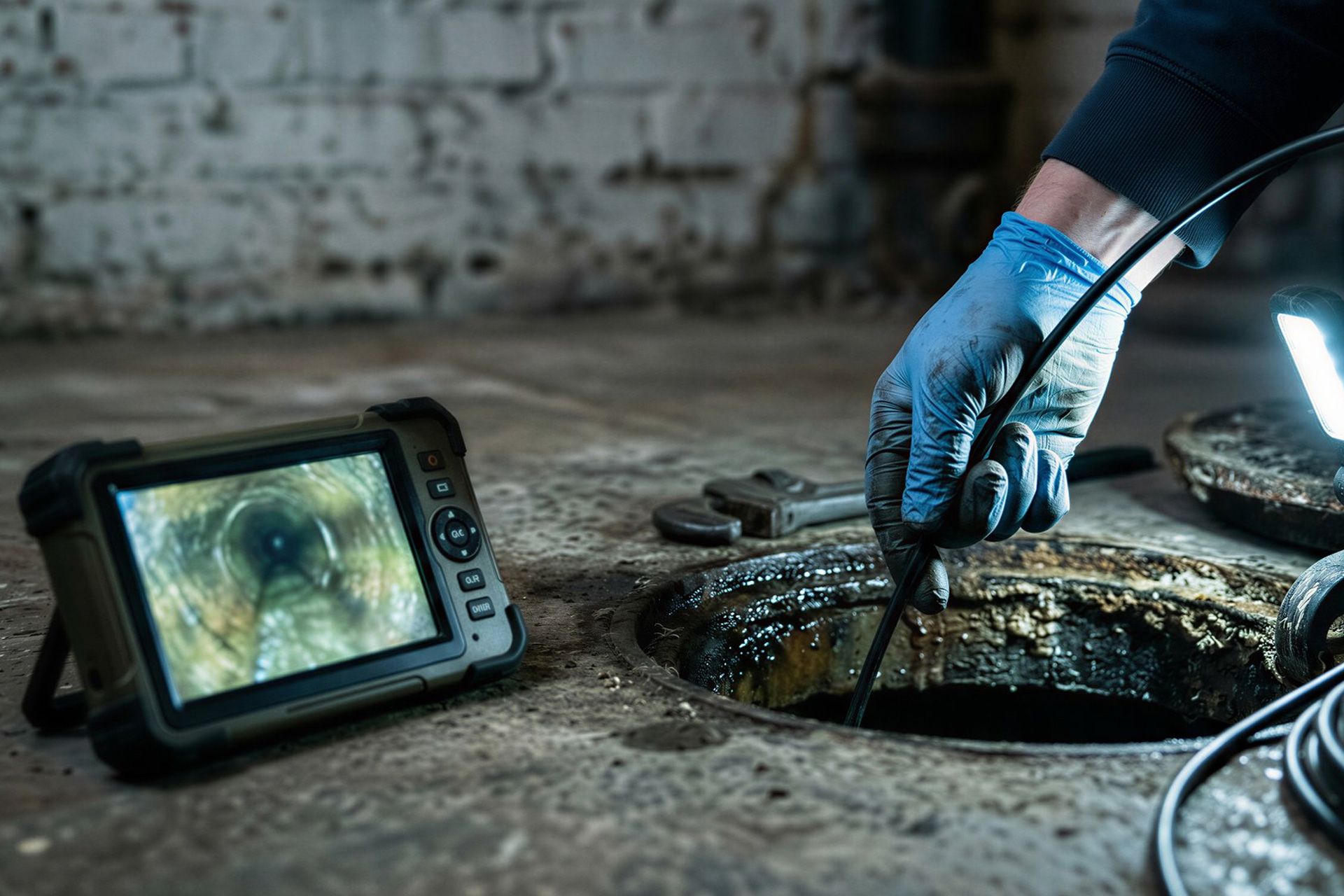
In these situations, professional mold inspection services can help identify hidden moisture and determine the full extent of the problem.
The Importance of Inspecting Mold Early
Many homeowners only clean visible mold without checking what caused it in the first place. However, inspecting for mold early helps prevent hidden problems from worsening.
Professionals know where mold commonly spreads and can identify moisture sources that may not be obvious during a basic cleaning.
Careful inspection of mold conditions around the shower can also help detect:
- Hidden leaks
- Ventilation issues
- Moisture trapped behind the tile
- Water damage inside the walls
Finding these issues early can prevent costly repairs later.
Why Mold Inspection Matters
A professional mold inspection provides a more complete evaluation of the bathroom and surrounding areas. Inspectors look beyond surface stains to determine whether mold has spread deeper into the structure.
A detailed inspection may include:
- Moisture readings
- Visual evaluation
- Air quality testing
- Checking nearby walls and ceilings
Scheduling a mold inspection can provide peace of mind if you are concerned about recurring bathroom mold.
Mistakes to Avoid When Cleaning Shower Mold
Many homeowners accidentally make mold problems worse by using the wrong cleaning methods.
Avoid these common mistakes:
- Painting over mold without cleaning it
- Ignoring moisture problems
- Using overly harsh tools that damage surfaces
- Failing to dry the bathroom properly afterward
Long-Term Benefits of Regular Mold Checks
Routine bathroom cleaning and periodic mold inspections can help protect your home over time.
Benefits include:
- Cleaner bathroom surfaces
- Better indoor air quality
- Less moisture damage
- Reduced risk of hidden mold growth
- Improved bathroom maintenance
Staying proactive is one of the best ways to keep mold under control.
Conclusion
Routine bathroom cleaning and moisture control may help reduce surface mold growth, but recurring mold issues should be professionally evaluated. Regular cleaning, proper ventilation, and quick action are important for keeping mold from spreading.
However, surface cleaning alone may not solve deeper moisture issues. This is why early detection and proper mold inspections are so valuable for homeowners dealing with recurring mold concerns.
At Green Valley Home Inspections, we help homeowners identify hidden moisture problems and provide detailed inspections to support a cleaner, healthier home environment.
Schedule your inspection today and take the next step toward protecting your home from hidden mold damage.
FAQs
What causes mold to grow in showers?
Mold grows in showers because bathrooms often stay warm and damp. Poor ventilation and excess moisture create ideal conditions for growth.
How often should I clean shower mold?
Regular bathroom cleaning is recommended weekly, especially in areas where moisture collects frequently.
Can mold return after cleaning?
Yes. Mold may return if the moisture source is not fixed or if ventilation problems continue.
When should I schedule an inspection?
You should consider a professional inspection if mold keeps returning, spreads beyond the shower area, or if you notice strong odors and water damage.
Why is inspecting mold important?
Inspecting for mold helps identify hidden moisture problems and prevent them from spreading into walls, ceilings, and nearby areas.
Disclaimer: The information on this website and blog is for general informational purposes only and is not professional advice. We make no guarantees of accuracy or completeness. We disclaim all liability for errors, omissions, or reliance on this content. Always consult a qualified professional for specific guidance.
Search
Certification
Green Valley Inspections is InterNACHI Certified, a Certified Master Inspector, and CCPIA-certified, demonstrating advanced training, extensive experience, professional ethics, and expertise in residential and commercial property inspections across Southern California.
Social Media
Google Reviews

5-star ratings from 440+ clients across Southern California.
Contact Us
Recent Post



Service Areas
We offer home inspection services throughout the following counties: