The Importance of a Sewer Scope Inspection When Buying a Home
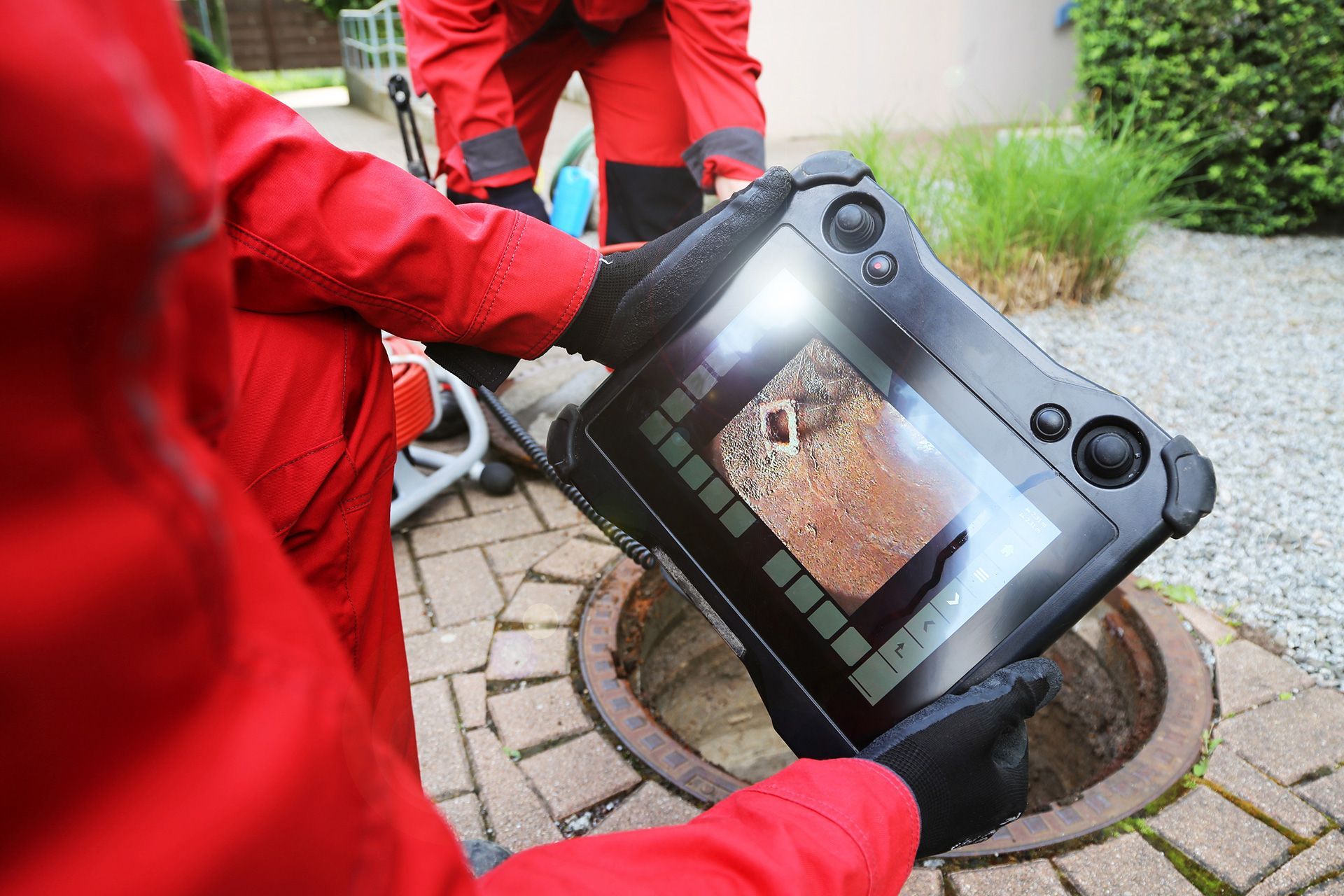
A sewer scope inspection uses a specialized camera to look inside the main sewer line serving a property. For home buyers, it can reveal problems that a standard visual home inspection cannot see, including root intrusion, cracks, blockages, pipe deterioration, offsets, or sections of damaged pipe.
This matters because much of the sewer line is underground. The toilets may flush and the sinks may drain normally during a home tour while problems are developing farther down the line.
A sewer camera inspection gives buyers a better look at the condition of this hidden part of the property before closing.
For Southern California buyers, it can be especially useful when purchasing an older home, a property with mature trees, or a house with a history of drainage problems.
What Is a Sewer Scope Inspection?
A sewer scope is a video inspection of the property's main lateral sewer line.
The lateral is the pipe that carries wastewater away from the home toward the municipal sewer connection, HOA connection, or septic system.
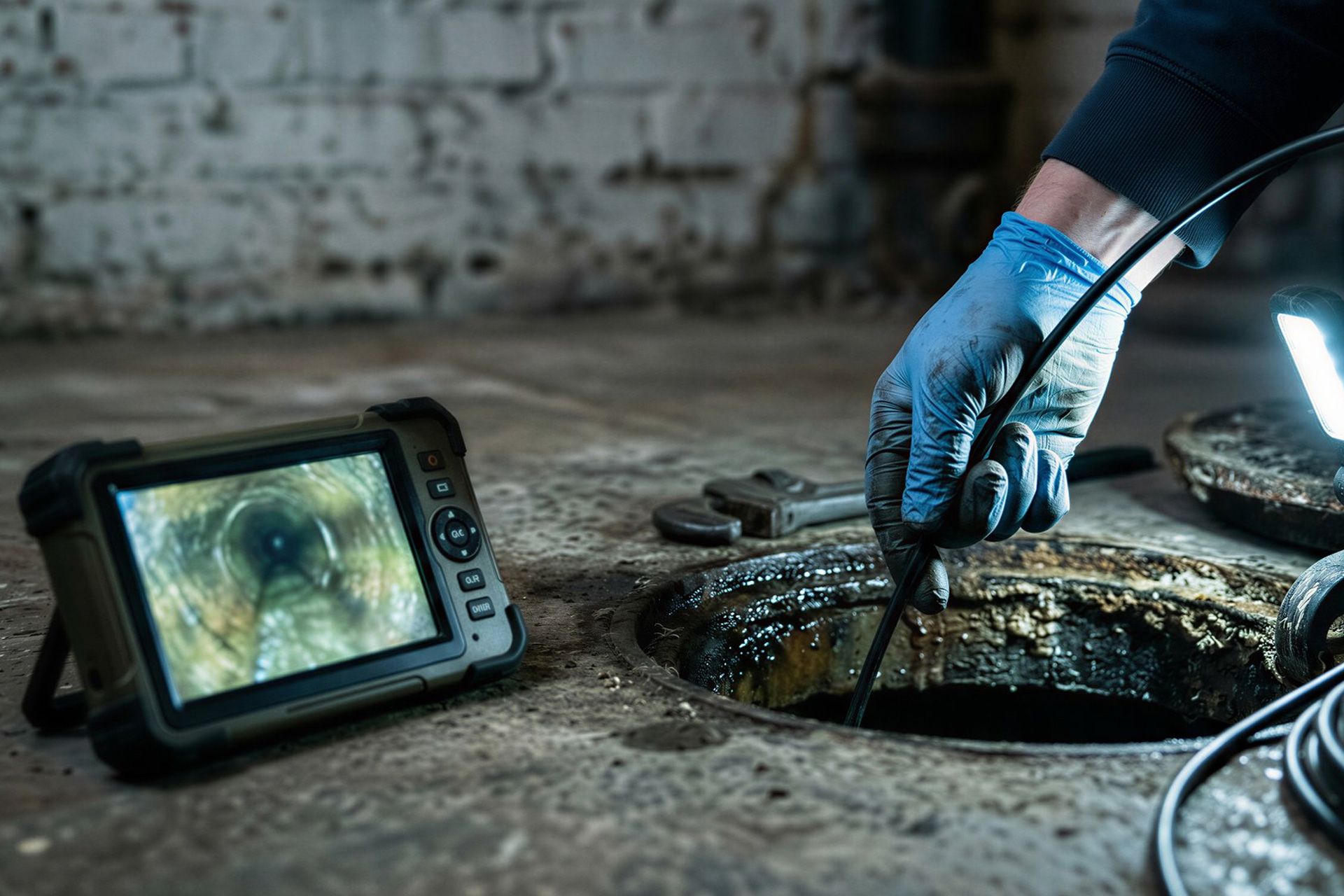
During the inspection, a camera is inserted into an accessible cleanout or other suitable access point and moved through the line. The inspector watches the video for visible defects and documents important findings.
A professional sewer camera inspection may identify conditions such as:
- Tree root intrusion
- Cracked pipes
- Broken sections
- Blockages
- Pipe deterioration
- Corrosion or scale buildup
- Offset pipe joints
- Standing water
- Collapsed sections
- Separated connections
These are conditions that normally cannot be evaluated during a standard visual inspection because the sewer pipe is underground.
Why a Standard Home Inspection May Not Be Enough
A standard home inspection evaluates visible and accessible plumbing components.
That commonly includes:
- Faucets
- Toilets
- Sinks
- Water supply lines
- Visible drain lines
- Water heaters
- Accessible plumbing connections
Green Valley Inspections includes visible supply lines, drain, waste and vent systems, fixtures, and related plumbing components in its standard home inspection. However, specialized testing such as a sewer camera inspection is offered separately.
The difference is visibility.
An inspector can observe a drainpipe beneath a sink, but they cannot see the condition of an underground sewer lateral without specialized equipment.
That is why buyers should not assume that normal drainage during the home inspection proves the entire sewer line is in good condition.
Why Sewer Scope Inspections Matter Before Buying
Buying a home means accepting responsibility for many property systems after closing.
The sewer lateral is easy to overlook because most of it is hidden.
A sewer scope inspection can provide useful information before the buyer becomes responsible for the property.
For example, a camera inspection may reveal tree roots entering through pipe joints even though the drains still appear to work normally.
It could also show deterioration in an older pipe that has not yet caused a complete blockage.
Knowing about these conditions before closing gives the buyer more information for making decisions and planning future maintenance.
What Problems Can a Sewer Camera Find?
Several types of sewer problems can appear during an inspection.
Tree Root Intrusion
Tree roots naturally seek moisture.
If there is an opening or weak joint in a sewer pipe, roots may enter and grow inside the line.
Over time, roots can restrict wastewater flow and collect debris.
Properties with mature landscaping may deserve extra attention, especially when large trees are located near the likely sewer route.
Cracked or Broken Pipes
A sewer camera may reveal visible cracks, breaks, or damaged sections.
Pipe damage can develop for several reasons, including:
- Aging materials
- Ground movement
- Root pressure
- Settlement
- Previous construction work
The severity of the condition depends on the location and amount of damage.
Offset Pipe Joints
Pipe sections should connect in a way that allows wastewater to move through the system.
If one section shifts out of alignment, the joint may become offset.
An offset can interfere with flow or create an opening where roots and soil can enter.
Blockages and Restrictions
An inspection may reveal material restricting the pipe.
Possible causes include:
- Grease buildup
- Debris
- Roots
- Scale
- Damaged pipe sections
- Foreign material
A restriction may not create an immediate backup if water can still pass through it, but it can still deserve further evaluation.
Standing Water or Pipe Bellies
A section of sewer pipe may settle and create a low area where water collects.
Inspectors may describe this as a belly or sag.
Some standing water can indicate that the pipe is not maintaining proper flow through that section.
The camera footage helps document what was visible during the inspection.
Corrosion and Deterioration
Older pipe materials can deteriorate over time.
A camera may reveal rough interior surfaces, corrosion, scaling, or other visible signs of aging.
The inspector may recommend further evaluation when deterioration appears significant.
Collapsed or Separated Pipe
More serious findings can include a pipe that has partially or completely collapsed or separated.
In these cases, the camera may be unable to continue through the line.
A qualified sewer or plumbing professional may then be needed to determine the next step.
Which Homes Should Get a Sewer Scope Inspection?
A sewer inspection can be useful for many buyers, but some properties deserve extra consideration.
Older Homes
Older homes may have older sewer materials and decades of use.
Age alone does not prove the sewer line has a problem, but it can increase the importance of understanding the line's present condition.
Homes With Mature Trees
Large trees near the home or sewer route may increase concern about root intrusion.
Roots can take advantage of existing cracks or openings in a pipe.
Homes With Slow Drains
Pay attention when several fixtures drain slowly.
One slow sink may have a local plumbing issue.
Multiple slow drains may indicate a problem farther downstream.
Homes With Previous Sewer Backups
If the seller reports previous backups or sewer repairs, ask for available documentation.
A new camera inspection can help show the visible condition of the line at the time of purchase.
Homes With Unexplained Yard Conditions
Unusual wet areas, depressions, or persistent odors outside may deserve further evaluation.
These signs do not automatically mean the sewer line is damaged, but they can provide another reason to investigate.
What Happens During a Sewer Scope Inspection?
The process is usually straightforward.
First, the inspector identifies an appropriate access point, commonly a sewer cleanout.
A specialized camera is then inserted into the line.
As the camera moves through the pipe, the inspector watches for:
- Cracks
- Roots
- Restrictions
- Broken pipe
- Standing water
- Deterioration
- Separated joints
- Other visible defects
The inspection is generally recorded so findings can be documented.
If the camera reaches an obstruction, the inspector should not force it through a condition that could damage the equipment or property. Some lines therefore cannot be fully inspected.
What Does the Sewer Inspection Report Tell You?
A useful report should explain the condition observed during the camera inspection.
Depending on the service, it may include:
- Video footage
- Images
- Description of visible defects
- Approximate location within the inspected line
- Pipe material when identifiable
- Recommendations for additional evaluation
The goal is to help the buyer understand what was found.
For example, the report may document visible root intrusion and recommend evaluation by a qualified plumbing or sewer professional.
That recommendation does not automatically mean the entire sewer line needs replacement.
Further investigation may be needed to determine the appropriate repair.
Can a Sewer Scope Find Every Problem?
No inspection can reveal every possible sewer issue.
Important limitations can include:
- No accessible cleanout
- Heavy blockage
- Standing water
- Sharp bends
- Camera access limitations
- Sections beyond the inspection scope
- Conditions that develop after the inspection
The camera can only document conditions visible inside the line at the time it is inspected.
A clear-looking sewer line also does not guarantee that a future blockage will never occur.
A professional inspector should clearly explain these limitations.
When Should Buyers Schedule the Inspection?
Ideally, the inspection should happen while the buyer still has time to review the findings during the transaction.
Many buyers schedule it together with their general home inspection.
This can make the process easier because the property is already being evaluated and the buyer receives information about both visible building systems and the underground sewer line.
Green Valley Inspections currently allows clients to add sewer line inspections to another inspection or order the service separately.
What Affects Sewer Scope Inspection Cost?
The sewer scope inspection cost can vary from one property to another.
Instead of relying on one general price, buyers should request a quote based on the actual property.
Factors that may affect the service include:
- Property location
- Sewer access
- Length of the line
- Inspection complexity
- Type of property
- Whether the sewer service is added to a home inspection
- Whether a stand-alone inspection is requested
- Accessibility of the cleanout
- Conditions that limit camera travel
When comparing services, ask what the inspection includes instead of looking only at the final quote.
The same principle applies when comparing plumbing inspection cost. A standard plumbing inspection and a sewer camera inspection are different services with different scopes.
What to Ask When Searching for a Sewer Line Inspection Near Me
If you search sewer line inspection near me, compare the actual inspection scope before scheduling.
Useful questions include:
- Do you use a sewer camera?
- What part of the line do you inspect?
- Will I receive video footage?
- Are visible defects documented?
- What happens if the camera cannot pass an obstruction?
- Is the inspection available with a home inspection?
- Can it be scheduled as a stand-alone service?
- What access point is needed?
- Will further evaluation be recommended if a major issue appears?
Clear answers help buyers understand exactly what they are ordering.
Why Sewer Inspections Are Useful in Southern California
Southern California has a wide range of housing ages and property conditions.
Homes throughout San Bernardino, Riverside, Los Angeles, Orange, and San Diego counties may have different sewer materials, landscaping, soil conditions, and repair histories.
Older neighborhoods may contain aging lines.
Established landscaping may create root concerns.
Properties that have been remodeled may also have portions of the sewer system from different periods.
This does not mean every Southern California home has a sewer problem.
It means buyers should evaluate the actual property rather than assuming underground systems are fine simply because the home looks well maintained.
Add Sewer Evaluation to Your Home Buying Due Diligence
A sewer scope inspection gives buyers a view of a major property component that normally remains hidden underground.
Using a specialized camera, an inspector may identify root intrusion, cracks, blockages, deterioration, standing water, offsets, broken sections, or other visible concerns before closing.
It does not guarantee that the sewer line will never develop a future problem, but it can provide valuable information about the line's condition on inspection day.
If you are buying a home in Southern California, Green Valley Inspections offers sewer line inspections using camera technology to help identify hidden issues in the main sewer line. The service can be added to a home inspection or scheduled separately. Contact Green Valley Inspections to schedule your inspection and get a clearer picture of the property before you buy.
Frequently Asked Questions
What is a sewer scope inspection?
A sewer scope inspection uses a camera to examine the inside of the property's main sewer lateral and document visible problems such as roots, cracks, blockages, damaged pipe, or deterioration.
Is a sewer scope included with a normal home inspection?
Not usually. A standard inspection evaluates accessible plumbing components, while underground sewer lines require specialized camera equipment. Green Valley Inspections offers sewer line inspections as an additional or stand-alone service.
Should I get a sewer inspection when buying an older home?
It can be especially useful for older properties because the sewer line may have aging materials, previous repairs, root intrusion, or deterioration that cannot be seen during a normal walkthrough.
Can a sewer scope find tree roots?
Yes. A camera inspection can identify visible root intrusion inside accessible portions of the sewer line.
What affects sewer scope inspection cost?
The quote may depend on property location, line accessibility, inspection complexity, the available cleanout, and whether the service is combined with a general home inspection.
Can a sewer scope detect every underground plumbing problem?
No. Access limitations, blockages, bends, standing water, or other conditions may prevent a full evaluation. The inspection documents what can be seen in the accessible portion of the line.
What should I do if the inspection finds sewer damage?
Review the findings and consider further evaluation by an appropriate sewer or plumbing professional. They can help determine the extent of the problem and available repair options.
Disclaimer: The information on this website and blog is for general informational purposes only and is not professional advice. We make no guarantees of accuracy or completeness. We disclaim all liability for errors, omissions, or reliance on this content. Always consult a qualified professional for specific guidance.
Search
Certification
Green Valley Inspections is InterNACHI Certified, a Certified Master Inspector, and CCPIA-certified, demonstrating advanced training, extensive experience, professional ethics, and expertise in residential and commercial property inspections across Southern California.
Social Media
Google Reviews

5-star ratings from 440+ clients across Southern California.
Contact Us
Recent Post


Service Areas
We offer home inspection services throughout the following counties: