
What You Need to Know About Phase 1 Environmental Site Assessment
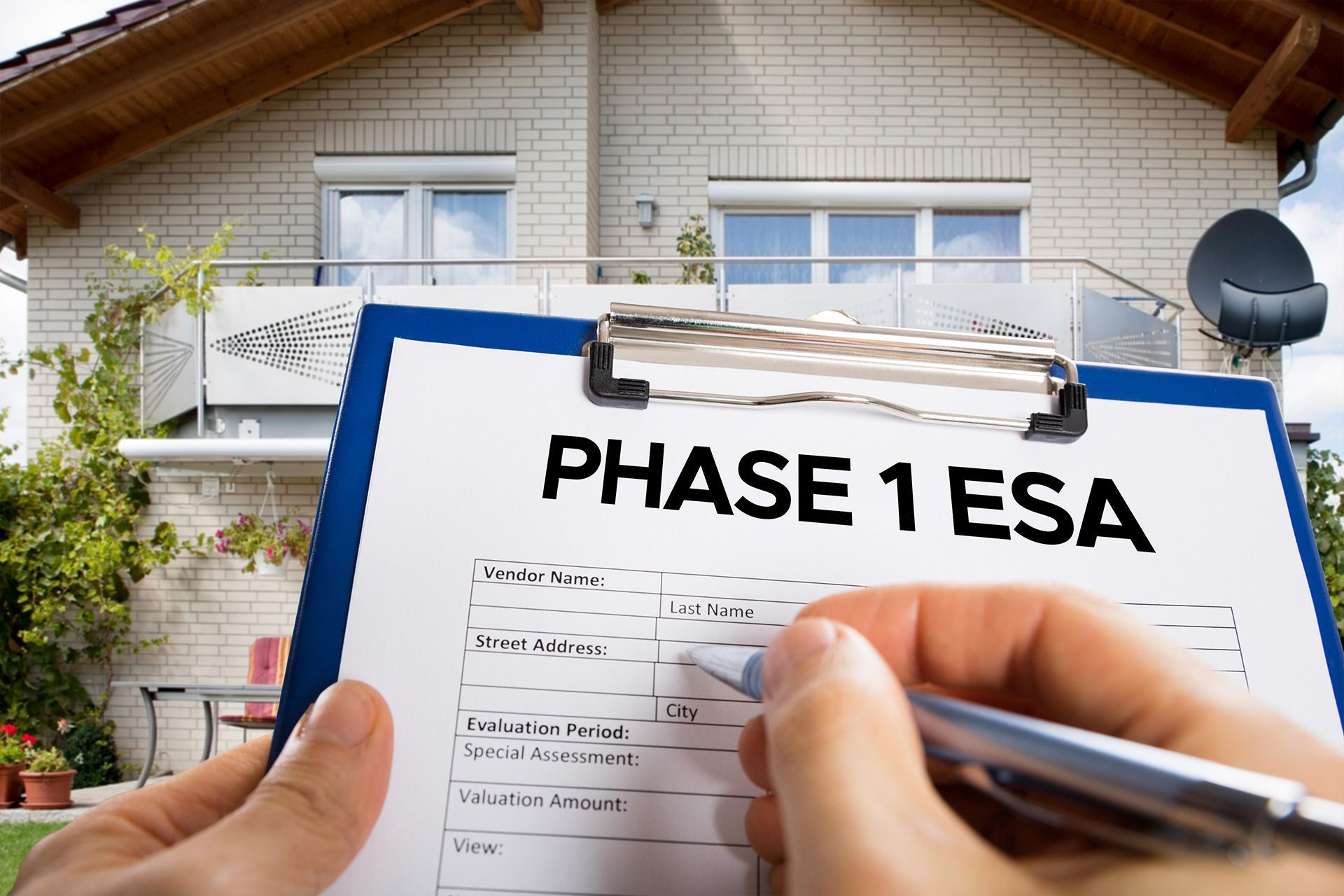
When purchasing or developing commercial property, due diligence goes far beyond location and price. Environmental risks, such as soil contamination, hazardous materials, or historical industrial use, can create serious financial and legal liabilities. That’s where Phase 1 Environmental Site Assessments come in.
A Phase 1 assessment is one of the most important steps in real estate transactions, helping buyers, lenders, and property owners understand potential environmental risks before closing. In this guide, we’ll break down everything you need to know about Phase 1 Environmental Assessments, including what they involve, why they matter, and how they apply.
What Is a Phase 1 Environmental Site Assessment?
A Phase 1 Environmental Site Assessment is a preliminary investigation that identifies potential environmental contamination risks on a property. It focuses on uncovering what are known as Recognized Environmental Conditions (RECs), situations where hazardous substances may be present due to past or current activities.
Unlike more invasive testing, a Phase 1 does not involve soil or groundwater sampling. Instead, it relies on:
- Historical research
- Visual site inspections
- Regulatory database reviews
- Interviews with property owners or occupants
The goal is simple: determine whether further investigation (such as a Phase 2 ESA) is necessary.
The Importance of Early Environmental Due Diligence
Southern California presents unique environmental challenges that make these assessments especially important:
1. Industrial and Urban History
Cities like Los Angeles, Riverside, and San Bernardino have long histories of manufacturing, oil production, and industrial use. These activities may leave behind contamination risks.
2. Strict Environmental Regulations
California enforces some of the strictest environmental laws in the U.S. Identifying contamination early helps property buyers comply with state and federal regulations.
3. High Property Values
Real estate in Southern California is expensive. Overlooking environmental issues can result in costly remediation, legal disputes, or reduced property value.
4. Liability Protection
A properly conducted assessment helps buyers qualify for legal protections under federal laws by demonstrating “all appropriate inquiry.”
When Should You Schedule an Environmental Property Review
A Phase 1 ESA is typically required in the following situations:
- Purchasing commercial or industrial property
- Refinancing or securing a loan
- Redeveloping land or buildings
- Leasing property for business use
- Suspecting contamination from past use
In many cases, lenders require environmental property review before approving financing, especially for commercial properties.
Key Components of a Phase 1 Environmental Site Assessment
A standard environmental assessment follows industry guidelines (such as ASTM standards) and includes four main components:
1. Records Review
Environmental professionals examine historical documents, including:
- Aerial photographs
- Fire insurance maps
- Property ownership records
- Government environmental databases
This helps identify past uses that may have caused contamination.
2. Site Reconnaissance (Visual Inspection)
Inspectors physically visit the property to look for signs of environmental concerns, such as:
- Stained soil
- Chemical storage containers
- Distressed vegetation
- Evidence of spills or leaks
3. Interviews
Conversations with owners, occupants, and local officials provide additional insights into the property’s history and potential risks.
4. Report Preparation
All findings are compiled into a detailed report that includes:
- Identified RECs
- Risk analysis
- Recommendations for further action
Together, these steps provide a comprehensive overview of the property’s environmental condition.
Understanding Recognized Environmental Conditions (RECs)
Recognized Environmental Conditions (RECs) identify current, past, or potential hazardous substance or petroleum releases linked to a property. Understanding RECs helps buyers and lenders evaluate environmental risks and decide whether further investigation is necessary.
Types of RECs:
- REC (Recognized Environmental Condition): Evidence of current or potential contamination
- HREC (Historical REC): Past contamination that has been resolved
- CREC (Controlled REC): Contamination managed under regulatory controls
If a REC is identified, further investigation, typically a Phase 2 ESA, may be recommended.
Step-by-Step Process
Here’s what you can expect during a typical Phase 1 Environmental Site Assessment:
- Project Review: Confirm the property details, assessment scope, timeline, and specific requirements.
- Records Research: Review historical property records, regulatory databases, maps, and other available documents.
- Property Inspection: Visually examine the site and surrounding areas for signs of possible environmental concerns.
- Findings Evaluation: Analyze the collected information and identify potential Recognized Environmental Conditions.
- Final Report:
Deliver a detailed report outlining the findings, conclusions, and recommended next steps.
The entire process typically takes 5 to 10 days for standard properties, though complex property conditions may take longer.
What Happens After Assessment?
The outcome of a Phase 1 inspection determines the next steps:
No Environmental Concerns Found
- Transaction proceeds smoothly
- No additional testing required
Potential Concerns Identified
- A Phase 2 ESA may be recommended
- Soil, water, or material testing is conducted
Significant Issues Found
- Remediation plans may be required
- Buyers may renegotiate or withdraw from the deal
Key Benefits:
Investing in a Phase 1 Assessment offers several key advantages:
1. Risk Mitigation
Identify potential contamination before it becomes a costly problem.
2. Legal Protection
Helps protect buyers from liability under environmental laws.
3. Informed Decision-Making
Provides critical insights into property history and condition.
4. Financial Security
Avoid unexpected cleanup costs that can run into thousands, or even millions, of dollars.
5. Regulatory Compliance
Ensures adherence to environmental regulations.
Limitations:
While valuable, Phase 1 ESAs do have limitations:
- No laboratory testing or sampling
- Relies on available records and visible conditions
- Cannot guarantee a property is contamination-free
This reduces risk, but does not eliminate it entirely.
Why Choose an Experienced Professional
Environmental regulations and property conditions vary widely. Working with experienced professionals ensures:
- Compliance with ASTM standards
- Accurate identification of risks
- Reliable recommendations for next steps
Local expertise is especially valuable when dealing with regional environmental concerns such as groundwater contamination, industrial zoning, or seismic-related risks.
Final Thoughts
A Phase 1 Environmental Site Assessment is more than just a checkbox in a real estate transaction; it’s a critical safeguard for your investment. Whether you're buying, selling, or developing property, understanding environmental risks can save you from significant financial and legal consequences.
Identifying potential issues early empowers you to make informed decisions, negotiate effectively, and move forward with confidence.
Get Expert Help Today
Protect your investment with a professional Phase 1 Environmental Site Assessment. Schedule your inspection with Green Valley Inspections today.
Frequently Asked Questions
How long is a Phase 1 ESA valid?
Most reports are considered valid for 180 days, though updates may be required after that period.
Is a Phase 1 ESA required for residential properties?
Not always, but it may be recommended for multi-family or properties with potential contamination risks.
What triggers a Phase 2 ESA?
If a Phase 1 ESA identifies Recognized Environmental Conditions (RECs), further testing through a Phase 2 ESA is usually recommended.
Who performs a Phase 1 ESA?
Qualified environmental professionals or consultants with experience in environmental assessments conduct these studies.
Can I skip a Phase 1 ESA?
Skipping it can expose you to significant financial and legal risks, especially in commercial real estate transactions.
Disclaimer: The information on this website and blog is for general informational purposes only and is not professional advice. We make no guarantees of accuracy or completeness. We disclaim all liability for errors, omissions, or reliance on this content. Always consult a qualified professional for specific guidance.
Search
Certification
Green Valley Inspections is InterNACHI Certified, a Certified Master Inspector, and CCPIA-certified, demonstrating advanced training, extensive experience, professional ethics, and expertise in residential and commercial property inspections across Southern California.
Social Media
Google Reviews

5-star ratings from 440+ clients across Southern California.
Contact Us
Recent Post


Service Areas
We offer home inspection services throughout the following counties: