Common Sewer Line Clogs and Quick Fixes
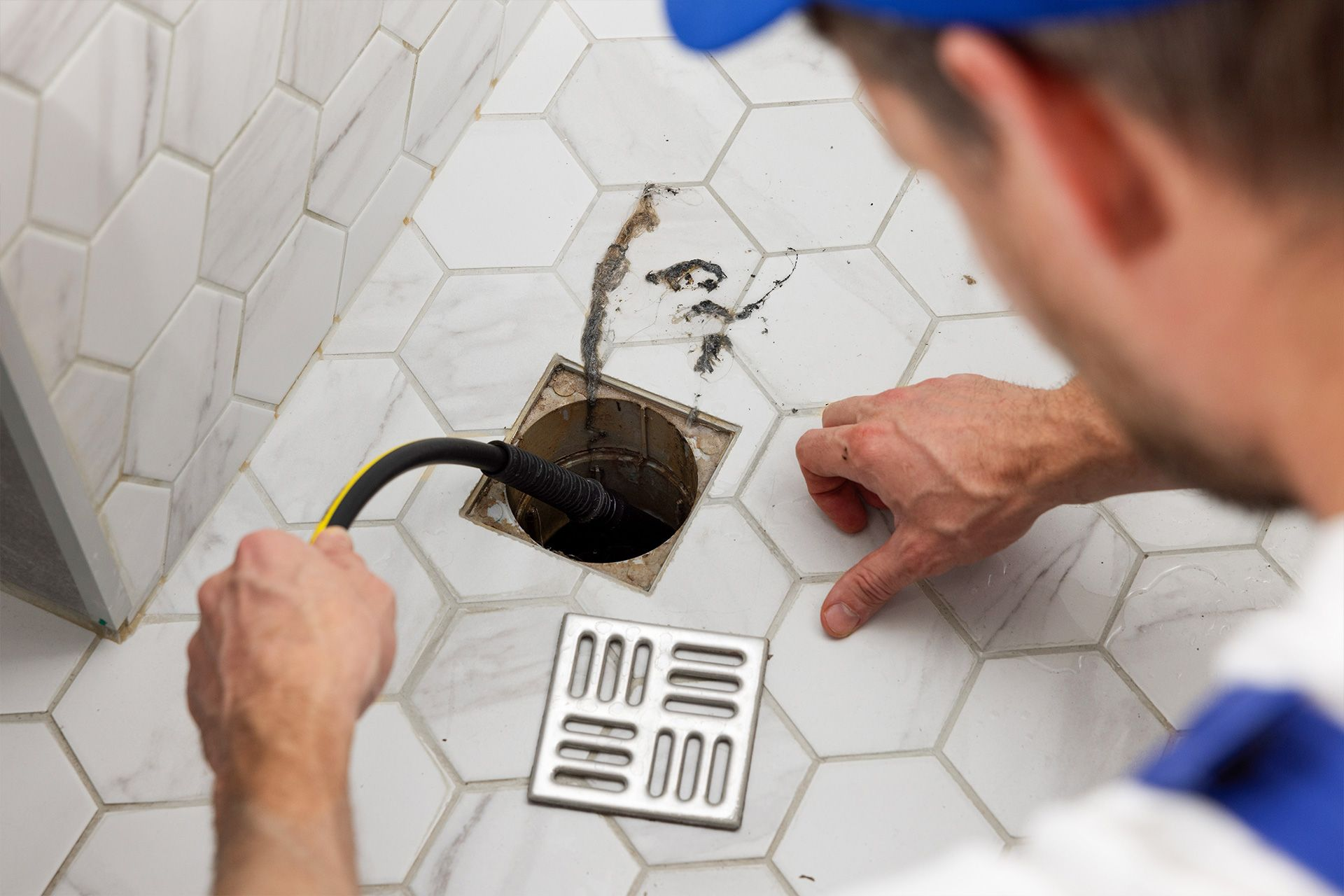
A sewer line problem can quickly turn into a stressful situation for any homeowner. Slow drains, unpleasant odors, and water backups are often warning signs that something is blocking the system. In many cases, these issues start with a clogged sewer line that becomes worse over time if ignored.
Sewer line clogs can happen for many reasons, including grease buildup, tree roots, paper products, or damaged pipes. While some small blockages can be managed early, serious clogs may require professional clogged sewer line repair to prevent further damage.
Understanding the common causes of sewer line clogs and knowing what steps to take can help protect your plumbing system and reduce the risk of expensive repairs later.
What Is a Clogged Sewer Line?
A clogged sewer line happens when waste and wastewater cannot move properly through the main drain pipe connected to your home. Instead of flowing away from the property, water may begin backing up into sinks, tubs, or toilets.
Unlike a simple drain clog that affects one fixture, a sewer line blockage can impact multiple areas of the home at the same time.
Because the sewer line handles wastewater from the entire property, even a partial blockage should be taken seriously.
Signs of a Sewer Line Clog
Many sewer line problems begin with small warning signs that homeowners may overlook.
Common symptoms include:
- Multiple drains are moving slowly
- Gurgling sounds from toilets or drains
- Water backing up into tubs or sinks
- Strong sewage odors inside or outside the home
- Wet patches near the yard or foundation
If several plumbing fixtures are affected at once, there is a good chance a blocked sewer line is causing the problem.
Common Causes of Sewer Line Clogs
Understanding what causes sewer line blockages can help homeowners prevent future problems.
Grease and Food Buildup
Grease, oils, and food waste often collect inside pipes over time. Even when grease is poured down the drain in liquid form, it can harden inside the sewer line and trap other debris.
This buildup gradually narrows the pipe and slows wastewater flow.
Tree Root Intrusion
Tree roots are one of the most common causes of sewer line damage. Roots naturally search for moisture and may grow into small cracks or joints in underground pipes.
Once inside, roots continue to expand and can completely block the flow of wastewater.
Flushing Improper Materials
Items such as paper towels, wipes, hygiene products, and excessive amounts of toilet paper can cause major clogs.
Even products labeled as flushable may not break down properly inside the sewer system.
Pipe Damage or Aging
Older sewer lines may crack, collapse, or shift over time. Damaged pipes can more easily trap debris, increasing the risk of blockage.
Ground movement and corrosion may also affect pipe performance.
Why Sewer Line Clogs Should Not Be Ignored
Ignoring a sewer line problem can lead to more serious plumbing issues throughout the home.
A severe blockage may cause:
- Wastewater backups
- Water damage
- Foul odors
- Pipe damage
- Unsanitary conditions
The longer a blockage remains, the more difficult the clogged sewer line repair process may become.
Addressing problems early helps reduce stress and protects your property from larger plumbing failures.
Quick Fixes for Minor Sewer Line Clogs
Some small blockages may improve with simple maintenance steps. However, homeowners should avoid aggressive methods that could damage pipes.
Use Hot Water Carefully
In some cases, warm water may help improve drainage caused by minor grease buildup, but it is unlikely to resolve significant sewer line blockages. Running hot water slowly through the system can sometimes improve flow in small clogs.
However, this method is not effective for severe blockages or root intrusion.
Try a Drain Snake
A drain snake can help remove debris near accessible drain openings. This tool may help clear smaller obstructions before they move deeper into the sewer line.
Always use plumbing tools carefully to avoid damaging older pipes.
Reduce Water Usage
If multiple drains are backing up, reduce water use until the problem is resolved. Running additional water through a blocked line may worsen backups inside the home.
Check Outdoor Cleanouts
Some homes have outdoor sewer cleanout access points. If safe to access, homeowners may notice standing water or signs of blockage near the cleanout.
This may help confirm that a blocked sewer line is affecting the system.
When Professional Sewer Line Repair Is Needed
Quick fixes may help with minor issues, but serious blockages often require professional sewer line inspection services.
You should contact a professional if:
- Multiple drains back up repeatedly
- Sewage odors continue indoors
- Water backs up into tubs or toilets
- Yard areas become soggy near sewer lines
- DIY efforts do not solve the problem
Professional sewer inspections can identify the source of a blockage and help homeowners determine the appropriate repair solution.
How Professionals Diagnose Sewer Line Problems
Experienced plumbing and sewer line inspection professionals use advanced tools to identify the exact cause of the blockage.
Common inspection methods include:
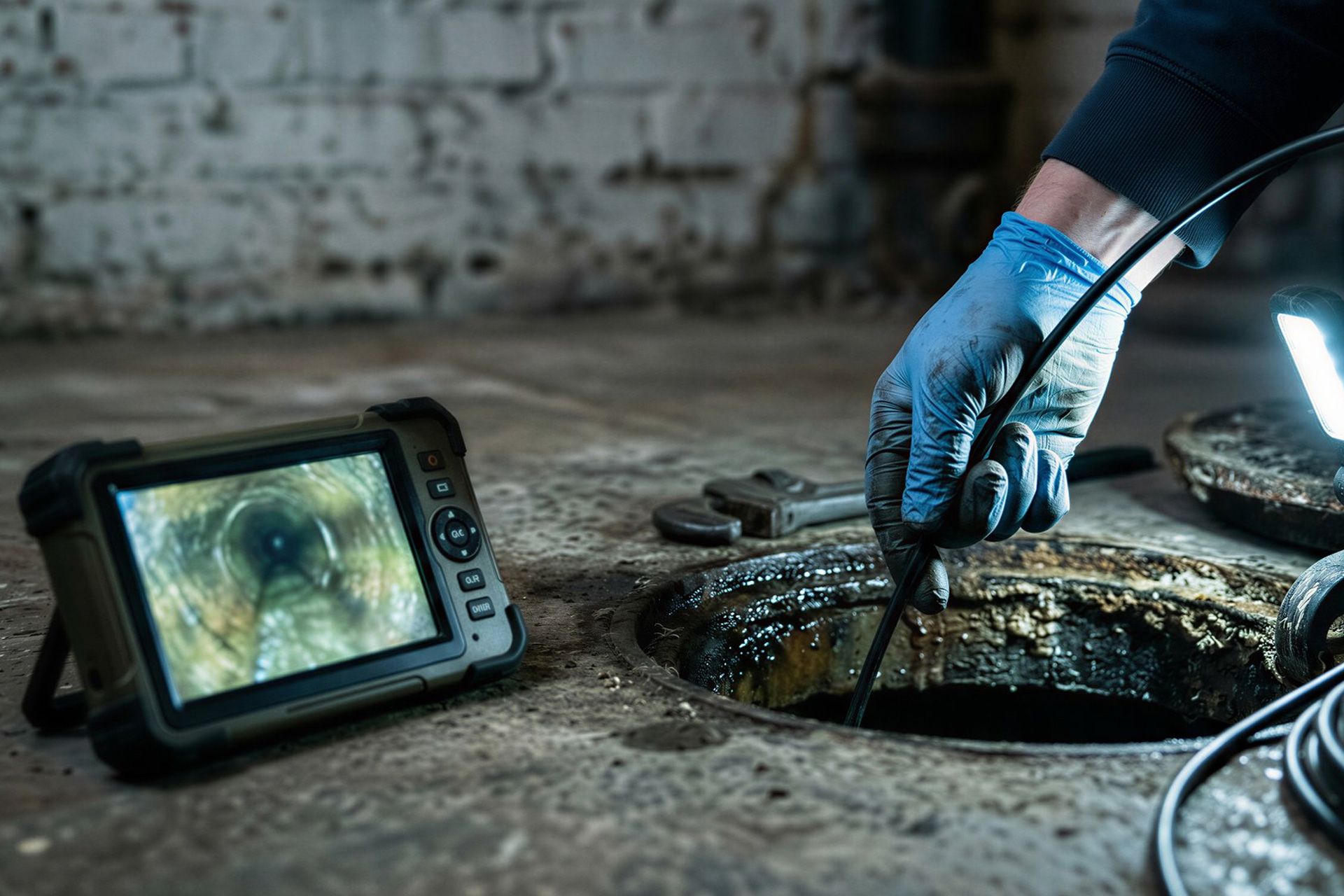
- Sewer camera inspections
- Moisture detection tools
- Pipe locating equipment
- Drain flow testing
Camera inspections are especially helpful because they allow professionals to view the inside of the sewer line without major digging.
This helps identify:
- Root intrusion
- Cracks or breaks
- Pipe collapse
- Heavy buildup
Preventing Future Sewer Line Clogs
Preventive maintenance can reduce the risk of future plumbing problems.
Helpful prevention tips include:
- Avoid pouring grease down drains
- Dispose of food waste properly
- Flush only approved toilet paper
- Schedule regular plumbing inspections
- Monitor trees near underground pipes
Taking simple precautions now can help prevent costly sewer line repairs later.
Why Sewer Inspections Matter
A sewer inspection provides valuable information about the condition of underground plumbing lines. Many problems begin long before homeowners notice visible symptoms.
Professional inspections help detect:
- Early root growth
- Pipe deterioration
- Partial blockages
- Drainage problems
This allows repairs to happen before major sewer backups occur.
For homeowners buying an older property, sewer inspections are especially important because the condition of underground pipes is not always visible during a standard walkthrough.
Long-Term Benefits of Early Repairs
Fixing sewer line issues early helps protect both the plumbing system and the home itself.
Early repairs may help:
- Prevent water damage
- Reduce stress on plumbing fixtures
- Improve drainage performance
- Extend pipe lifespan
- Reduce the chance of emergency backups
Addressing small sewer issues before they become severe is one of the best ways to protect your property.
Conclusion
A clogged sewer line can create serious plumbing problems if left untreated. Understanding the common causes of sewer blockages and recognizing early warning signs can help homeowners respond before the issue becomes more severe.
While some minor clogs may improve with basic maintenance, recurring backups and drainage problems often require professional clogged sewer line inspection services to fully resolve the issue.
At Green Valley Home Inspections, we provide detailed sewer and plumbing inspections designed to help homeowners identify hidden issues early and better understand the condition of their systems.
Schedule your sewer inspection today and take the next step toward protecting your home from unexpected plumbing problems.
FAQs
What causes a clogged sewer line?
Common causes include grease buildup, tree roots, damaged pipes, and flushing improper materials down drains or toilets.
What are the signs of a sewer line clog?
Signs may include slow drains, sewage odors, water backups, and gurgling sounds from plumbing fixtures.
Can a clogged sewer line clear itself?
Minor blockages may improve temporarily, but most sewer line clogs require proper cleaning or repair to prevent recurring problems.
How do professionals inspect sewer lines?
Professionals often use sewer camera inspections to identify blockages, pipe damage, and root intrusion inside underground lines.
When should I call for clogged sewer line repair?
You should contact a professional if multiple drains back up, sewage odors continue, or water repeatedly returns into sinks or tubs.
Disclaimer: The information on this website and blog is for general informational purposes only and is not professional advice. We make no guarantees of accuracy or completeness. We disclaim all liability for errors, omissions, or reliance on this content. Always consult a qualified professional for specific guidance.
Search
Certification
Green Valley Inspections is InterNACHI Certified, a Certified Master Inspector, and CCPIA-certified, demonstrating advanced training, extensive experience, professional ethics, and expertise in residential and commercial property inspections across Southern California.
Social Media
Google Reviews

5-star ratings from 440+ clients across Southern California.
Contact Us
Recent Post



Service Areas
We offer home inspection services throughout the following counties: