Check Water for Bacteria Before Buying a Home: Buyer's Guide
Buying a home with a private well comes with an extra question: is the water suitable for your household?
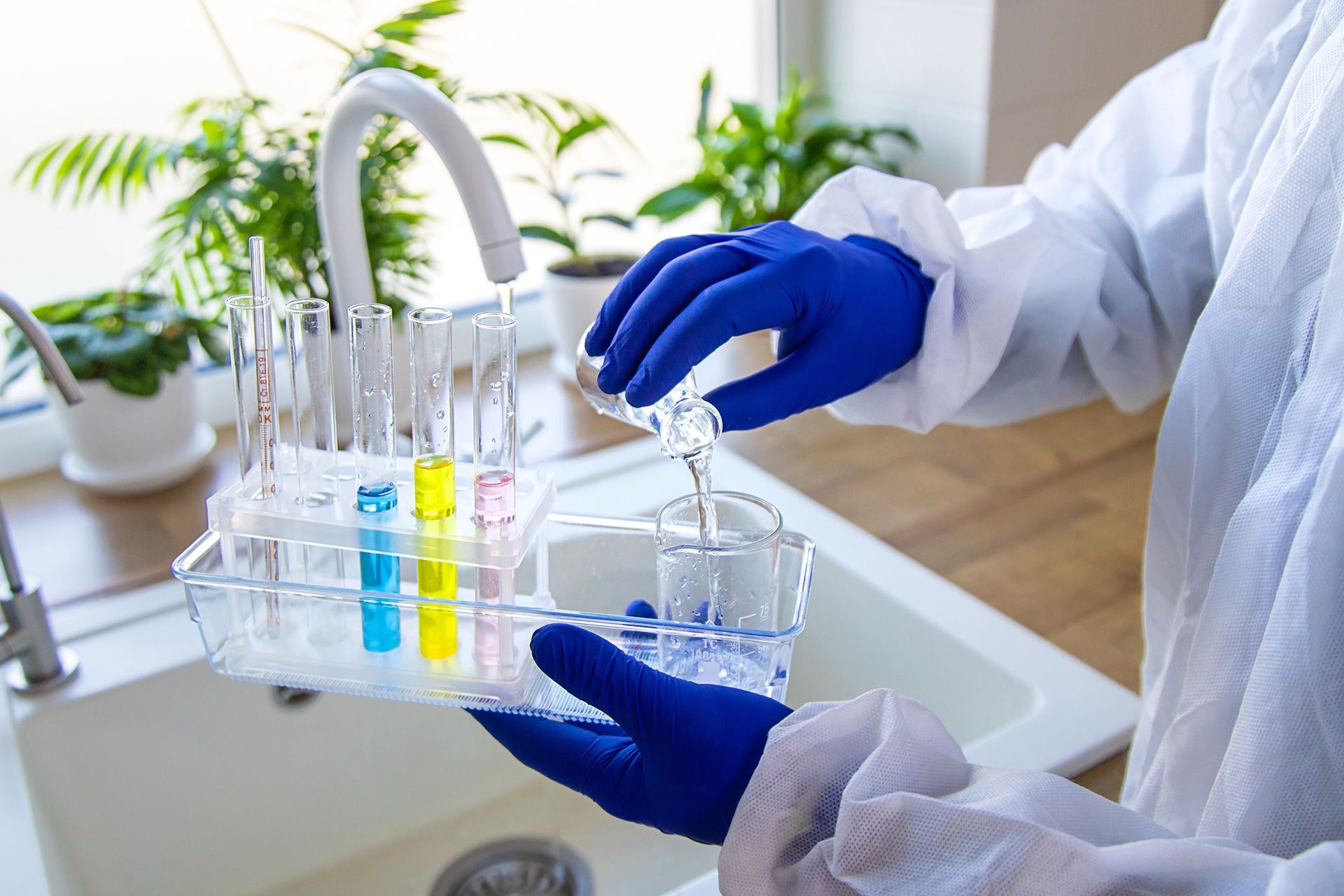
You cannot tell whether well water contains bacteria simply by looking at it, smelling it, or tasting it. For that reason, home buyers should check water for bacteria through proper laboratory testing rather than relying on appearance alone.
Private wells are different from public water systems. Federal drinking-water rules for public systems generally do not apply to privately owned wells, which makes regular testing especially important for well owners. The CDC recommends testing private well water at least once a year for total coliform bacteria, nitrates, total dissolved solids, and pH.
For a buyer, testing before completing a purchase can provide useful information about the home's water source while there is still time to investigate unexpected results.
This guide explains what bacteria testing looks for, how it differs from a water well inspection, when buyers should test, and what to do if results show a potential problem.
Why Home Buyers Should Check Well Water Before Purchase
A private well is part of the property, but the quality of the water it produces can change over time.
Groundwater can be affected by conditions around the property, the condition of the well itself, nearby septic systems, flooding, surface runoff, agricultural activity, or other sources of contamination. The CDC specifically recommends additional testing when flooding, land disturbance, waste disposal, well repairs, or noticeable changes in water quality occur.
For buyers, water testing helps answer a question that a standard visual home inspection cannot answer:
Are certain bacteria or other contaminants present in the water sample?
That information can be valuable when evaluating a rural or semi-rural property that depends on a private well.
Testing can also help buyers determine whether further investigation is appropriate before moving forward.
What Bacteria Are Tested in Well Water?
When homeowners check water for bacteria, laboratories commonly look for indicator organisms rather than trying to identify every possible microorganism.
Two of the most important terms to understand are total coliform bacteria and E. coli.
Total Coliform Bacteria
Coliform bacteria are found naturally in soil, vegetation, surface water, and the digestive systems of people and animals.
Most coliform bacteria are not harmful by themselves. However, their presence in well water can indicate that contaminants may have found a pathway into the water supply.
The CDC describes total coliform testing as an important water-quality indicator because these bacteria can enter water through pathways similar to disease-causing germs.
A positive result does not automatically identify the source of contamination. It does mean the well and surrounding conditions deserve further attention.
E. Coli
E. coli is part of the fecal coliform group.
Finding E. coli in a water sample can indicate that fecal contamination has entered the water. According to the positive E. coli or fecal coliform result is an important warning that contamination may have occurred.
If testing identifies E. coli or another concerning result, buyers should follow the laboratory's guidance and contact the appropriate local health or environmental authority about next steps.
Can Well Water Look Clean and Still Have Bacteria?
Yes.
Clear water is not proof that a private well is free of bacterial contamination.
Many water-quality problems cannot be identified through appearance alone. A well may produce water that looks normal while laboratory testing detects bacteria or other contaminants.
The reverse is also true. Discolored or unusual-smelling water does not automatically mean bacteria are the cause.
That is why testing is important.
Instead of guessing based on color, odor, or taste, a laboratory analyzes an actual water sample for the requested contaminants.
For home buyers, this is especially important because the goal is to make a decision based on evidence rather than assumptions.
Water Testing vs. a Water Well Inspection
These two services are related, but they answer different questions.
A water well inspection evaluates the physical well system and its visible or testable components, depending on the scope of the service.
Water-quality testing analyzes a sample of the water.
In simple terms:
Well inspection: What condition is the well system in?
Water testing: What is present in the water?
A buyer may benefit from both because a well can appear to function while the water still requires laboratory testing.
Likewise, a water sample may meet the tested parameters while the well equipment has maintenance or performance concerns.
What May Be Evaluated During a Water Well Inspection?
The exact scope depends on the inspector or well-professional performing the service.
A well evaluation may include accessible components such as:
- Well location
- Visible well casing
- Well cap or cover
- Accessible electrical components
- Pressure tank
- Pressure controls
- Visible plumbing connections
- Pump operation
- Water pressure
- Signs of leakage
- Visible damage around the well
- General condition of accessible equipment
A specialist may also perform additional testing based on the type of well and the requested inspection scope.
The physical condition of the well matters because damage can sometimes create routes for contamination. California Water Boards notes that damaged well casing may allow contaminated surface water to enter a well.
This is one reason buyers should avoid treating bacterial testing and the physical well evaluation as interchangeable.
When Should a Buyer Check Water for Bacteria?
For a home purchase involving a private well, testing during the buyer's inspection or due-diligence period can provide important information before the transaction is completed.
Testing becomes particularly important when there is little or no recent documentation about water quality.
Buyers should also consider testing when:
- The most recent water test is old or unavailable
- The property has experienced flooding
- The well has recently been repaired
- The water changes in color, taste, or smell
- There has been nearby land disturbance
- There is a septic system near the well
- The well casing appears damaged
- Surface water collects around the well area
- The property has been vacant for a long period
- Local health officials identify groundwater concerns in the area
The CDC recommends testing after well-system repairs, flooding, nearby land disturbance, changes in water characteristics, or notice of local well-water problems.
Even without obvious warning signs, annual testing remains recommended for private wells.
How Is Well Water Tested for Bacteria?
Testing should follow the sampling instructions provided by the laboratory.
This matters because careless sampling can contaminate the bottle and produce results that do not accurately represent the well water.
The process generally involves several steps.
1. Choose the Appropriate Laboratory
CDC guidance recommends using a state-certified laboratory for well-water testing.
In California, homeowners can also locate laboratories accredited through the state's Environmental Laboratory Accreditation Program when appropriate for their testing needs.
Buyers should ask the laboratory which tests are recommended for a private well in that area.
2. Obtain the Correct Sampling Container
Bacteria samples usually require specific sterile containers supplied or approved by the laboratory.
Do not substitute a household bottle.
The laboratory should also provide instructions explaining where to collect the sample and how to handle it.
3. Follow Sampling Instructions Carefully
Instructions may address issues such as:
- Which faucet to use
- Whether aerators should be removed
- How long the water should run
- How to handle the container
- How much water to collect
- How the sample should be stored
- When it must reach the laboratory
Following those instructions helps reduce the chance of contaminating the sample during collection.
4. Deliver the Sample as Directed
Bacterial samples can have specific handling and timing requirements.
Follow the laboratory's directions for storage and delivery rather than collecting water and leaving the sample unattended for an extended period.
5. Review the Laboratory Results
Do not judge the results only by whether a line says "positive" or "negative."
Review what was tested, what was detected, and any recommendations provided.
The local health department or environmental health agency can also help explain results and appropriate next steps.
What Else Should Home Buyers Test for?
Bacteria are important, but they are not the only concern associated with private wells.
CDC recommends annual testing for:
- Total coliform bacteria
- Nitrates
- Total dissolved solids
- pH
Depending on the location and surrounding land use, additional testing may be appropriate for substances such as arsenic, lead, pesticides, volatile organic compounds, or other contaminants.
California Water Boards also identifies potential well-water testing categories that include bacteria, inorganic substances, agricultural chemicals, and industrial compounds.
The correct test panel depends on the property.
A well near agricultural land may have different concerns from one near industrial activity. Local geology can also influence which naturally occurring substances may be present.
Buyers should ask the local health or environmental department which contaminants are important in the specific area rather than ordering tests at random.
What Can Cause Bacteria to Enter a Private Well?
A positive bacteria result should lead to an investigation of possible contamination pathways.
Potential contributors may include:
Damaged Well Components
A damaged cap, casing, or other component can leave the well more vulnerable to surface contamination.
Flooding
Floodwater can carry bacteria and other contaminants.
A well affected by flooding should be treated differently from one that has remained protected from surface water.
Poor Surface Drainage
Water collecting around the well can be a concern, particularly when drainage allows contaminated surface water to move toward the well.
Septic System Problems
Private wells and septic systems are common on the same property.
Problems with a septic system may create a potential source of groundwater contamination depending on site conditions and the location of the systems.
Animal Waste
Animal waste is another potential source of bacteria and nitrates in groundwater.
Well Repairs or Maintenance
Opening or repairing the well can create an opportunity for contamination if proper procedures are not followed.
These possibilities are why laboratory testing should be considered alongside the physical condition and surroundings of the well.
What If a Well-Water Test Comes Back Positive?
Do not panic, but do not ignore the result.
The appropriate response depends on what the laboratory found.
CDC guidance says that when tests show harmful germs or chemicals, people should consider using another safe source of drinking water and contact their local health or environmental department for guidance.
California Water Boards similarly recommend contacting local Environmental Health authorities when test results indicate a concern that may affect safe consumption.
For a buyer, next steps may include:
- Confirming the laboratory result
- Obtaining guidance from local health officials
- Having the well system professionally evaluated
- Looking for possible contamination sources
- Reviewing the septic system and surrounding drainage
- Determining whether repairs are needed
- Retesting after corrective action
Do not assume that installing a basic household filter automatically solves every bacterial or chemical issue.
Treatment must match the specific contaminant and its source.
Should Home Buyers Rely on the Seller's Old Water Test?
A previous test can provide useful history, but buyers should consider how old the report is and whether conditions have changed.
A water sample represents conditions at the time it was collected.
Since CDC and California guidance recommend annual testing for private wells, a report from several years ago should not be treated as proof of current water quality.
It is also useful to verify:
- Who collected the sample
- Which laboratory analyzed it
- What contaminants were tested
- When testing occurred
- Whether repairs happened afterward
- Whether flooding or other site changes occurred
Current information is generally more useful when making a current purchase decision.
Southern California Buyers Should Consider Local Conditions
Private wells are found in parts of Southern California where homes are located outside dense municipal service areas.
Conditions can vary widely across San Bernardino, Riverside, Los Angeles, Orange, and San Diego counties.
Some properties may be near septic systems, agricultural areas, open land, older well equipment, or changing development.
That does not mean the water is contaminated.
It means buyers should evaluate each property individually.
The local environmental health department can help identify contaminants or testing requirements that may be relevant to the property's specific location. Both CDC and California Water Boards recommend considering local conditions when deciding what to test.
Don't Skip the Rest of the Property Inspection
Water testing answers an important question, but it should not replace a full home inspection.
A home inspection evaluates many accessible components of the property, including structural elements, roofing, electrical systems, plumbing, HVAC equipment, interiors, exteriors, and other visible conditions within the inspection scope. Green Valley Inspections provides residential property inspections throughout Southern California.
For a property supplied by a private well, buyers can combine the information from the home inspection, appropriate well evaluation, and laboratory water testing to build a more complete picture before closing.
Know What's Coming From the Tap Before You Buy
When a home relies on a private well, taking time to check water for bacteria is an important part of buyer due diligence.
Clear water does not automatically mean the water has been tested. Laboratory analysis can identify total coliform bacteria, E. coli, and other requested contaminants that cannot be reliably evaluated through sight, smell, or taste alone.
A water well inspection can provide information about the physical system, while water testing provides information about the sample itself. Together with a complete home inspection, these evaluations can help buyers identify questions that deserve attention before making a final property decision.
If you are buying a home in Southern California, Green Valley Inspections can help you better understand the condition of the property's accessible systems and components through a detailed professional home inspection. Contact Green Valley Inspections to schedule your inspection and enter your purchase with clearer information about the home.
Frequently Asked Questions
How do you check water for bacteria before buying a home?
Have a water sample analyzed by an appropriate laboratory, following the laboratory's collection and handling instructions. CDC recommends using a state-certified laboratory for private well testing.
What bacteria should private well water be tested for?
Total coliform bacteria are an important routine indicator. Testing may also include fecal coliforms or E. coli. Local health authorities can recommend additional tests based on conditions in the area.
Is a water well inspection the same as a water test?
No. A well inspection evaluates the physical well system according to the scope of the service. Water testing analyzes a sample for bacteria, chemicals, or other requested contaminants. Buyers may benefit from both.
How often should private well water be tested?
CDC recommends testing private well water at least once each year for total coliform bacteria, nitrates, total dissolved solids, and pH. Additional testing may be needed after flooding, repairs, changes in water quality, or other contamination concerns.
Can you tell if well water has bacteria by smell or taste?
No. Water may look, smell, and taste normal even when laboratory testing detects contamination. Testing is the reliable way to determine whether the requested bacteria are present in the sample.
What should a buyer do if bacteria are found in well water?
Follow the laboratory's recommendations and contact the local health or environmental department. Further testing, well evaluation, corrective work, or treatment may be necessary depending on the result and its cause.
Should I test well water even if the seller already tested it?
Review how recent the seller's test is, which contaminants were included, and whether conditions have changed since sampling. Because annual testing is recommended for private wells, buyers may want current results rather than relying only on an older report.
Disclaimer: The information on this website and blog is for general informational purposes only and is not professional advice. We make no guarantees of accuracy or completeness. We disclaim all liability for errors, omissions, or reliance on this content. Always consult a qualified professional for specific guidance.
Search
Certification
Green Valley Inspections is InterNACHI Certified, a Certified Master Inspector, and CCPIA-certified, demonstrating advanced training, extensive experience, professional ethics, and expertise in residential and commercial property inspections across Southern California.
Social Media
Google Reviews

5-star ratings from 440+ clients across Southern California.
Contact Us
Recent Post


Service Areas
We offer home inspection services throughout the following counties: