
Buying a House With Galvanized Pipes: What Should You Check?
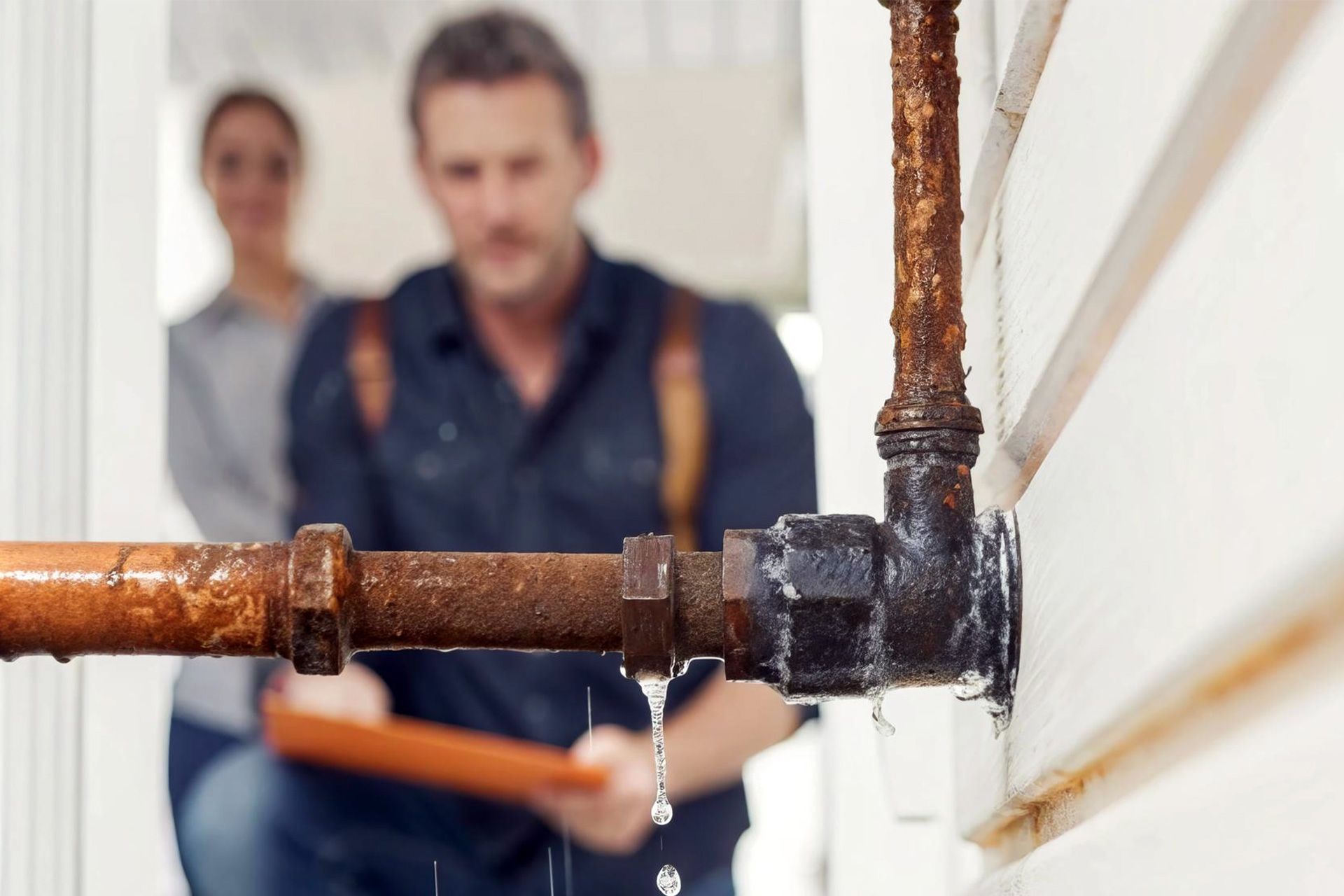
Older homes can offer character and solid construction, but they may also contain plumbing materials no longer common in newer homes. Galvanized pipes are one example. They may still serve a home, but age, internal rust, mineral buildup, and past repairs can affect performance.
The presence of this piping does not automatically mean you should walk away from a purchase. What matters is how much remains, its visible condition, how water flows, and what repair records show.
What Is Galvanized Steel Plumbing?
A galvanized steel pipe is steel coated with zinc to slow corrosion. People used it widely for residential water supply lines before copper and modern plastic piping became more common.
As the protective coating wears away, the steel can rust, and mineral deposits can build inside. This may narrow the opening available for water even when the outside still looks fairly solid.
That gap between the outside appearance and the inside condition is one reason older steel plumbing deserves a careful review.
Start With Visible Corrosion
Inspect accessible water lines in basements, crawlspaces, garages, utility rooms, and under sinks. Pay attention to threaded joints, elbows, shutoff valves, and transitions between materials.
A corroded galvanized pipe may show rust staining, rough surfaces, flaking metal, mineral buildup, or dampness around a fitting. Also inspect fresh paint over older piping carefully, because coating the exterior does not correct internal deterioration.
Corrosion in galvanized pipe often develops inside the line, where a normal visual inspection cannot see it. Therefore, consider visible conditions alongside water flow, discoloration, age, and repair history.
Check Water Flow at More Than One Fixture
Water performance is another important clue. A single faucet may appear normal while the system struggles when several fixtures operate at once.
Internal rust and mineral deposits can reduce the usable diameter of older piping. A shower may lose noticeable flow when a sink or washing machine is running at the same time.
Low water pressure in older homes can have several causes. Regulators, valves, fixture aerators, municipal supply conditions, and pipe sizing can also affect performance.
Pay Attention to Water Color
Rust inside older plumbing may produce brown, orange, yellow, or reddish water at one or more fixtures.
Rusty tap water does not automatically prove that the entire supply system needs replacement. The source could be the home plumbing, a water heater, or the public supply.
Notice whether discoloration occurs only with hot water, only at one fixture, or throughout the house. Also note whether the water clears after running briefly. These details can help a plumber narrow down the likely source.
Look for Evidence of Past Leaks
Sometimes the area around the pipe tells more than the pipe itself. Water stains, mineral deposits, patched drywall, and mixed plumbing materials may show that repairs happened before.
Look for:
- Staining near supply lines: Marks on ceilings, walls, cabinets, or flooring may suggest a current or previous leak. Ask what caused the staining and whether the source was repaired.
- Deposits around fittings: White, green, brown, or crusty buildup can indicate repeated moisture at a connection, even if the area is dry on inspection day.
- Patchwork replacement: A short section of copper or plastic connected to older steel may mean one failed area was repaired while original piping remains elsewhere.
Find Out Whether the Home Was Fully or Partially Re-Piped
A remodeled kitchen or bathroom may have newer plumbing while original lines remain behind walls or ceilings.
Ask the seller what was replaced, when the work was completed, and whether it involved the entire house or selected areas. Review permits, invoices, and contractor records if available.
A galvanized steel pipe can remain hidden behind a finished surface even when visible plumbing looks newer. Inspectors can report accessible materials, but they don't open walls just to trace every supply line.
Review Repair Records Before Closing
Repair history can turn a vague concern into useful information.
Ask for records related to leaks, repiping, water heater work, pressure problems, or plumbing repairs. Repeated failures in different locations may show a larger pattern.
Useful documents include:
- Plumber invoices: These may identify which rooms or pipe sections were repaired and whether the plumber recommended more work.
- Permits: Permit records may help confirm the scope of a larger repipe or alteration.
- Seller disclosures: Compare the disclosure with visible findings. If the information does not match, ask follow-up questions.
Understand Common Galvanized Plumbing Problems
Typical galvanized plumbing problems include internal rust, reduced flow, leaks, and aging threaded connections.
A corroded galvanized pipe may become increasingly restricted as rust and mineral scale build up inside. The line can still carry water while delivering less flow than it once did.
Galvanized pipe corrosion can also weaken the pipe wall over time. A fitting may eventually seep or leak even when the exterior looked acceptable earlier.
The better question for a buyer is not simply whether old steel piping exists. Ask how much remains, whether it is performing normally, and what evidence suggests further plumbing evaluation may be needed.
What Can an Inspector Check?
A professional home inspection can provide useful information about accessible plumbing. The inspector may identify visible pipe materials, operate fixtures, observe water flow, look for leaks and corrosion, and document concerns.
However, the inspection is visual and noninvasive. Inspectors do not cut open pipes or walls to evaluate concealed interiors.
If the inspection reveals rusty tap water, widespread corrosion, active leaks, or significant flow problems, inspectors may recommend a licensed plumber. The plumber can evaluate the concern more closely and discuss repair or replacement options.
What About an Insurance-Focused Inspection?
A 4-point inspection may document plumbing as one of four major systems, along with the roof, electrical system, and HVAC. It can be useful when an insurance company requests focused information.
It should not be treated as a full plumbing investigation. Buyers concerned about older supply piping should still consider the broader findings from a professional home inspection and any recommended specialist follow-up.
Questions to Ask Before You Close
Before the inspection contingency ends, ask questions that reduce uncertainty:
- Was the property ever re-piped? Confirm whether the work covered the whole home or only certain rooms.
- Have there been recurring leaks? Multiple past repairs can provide important context even if no active leak is visible today.
- Are permits or invoices available? Written records can help confirm what work was actually completed.
- Has anyone reported weak flow? Low water pressure in older homes deserves more attention when several fixtures or floors are affected.
- Did a plumber recommend additional work? A prior recommendation can show whether known concerns remain unresolved.
Should Galvanized Plumbing Stop You From Buying?
Not necessarily. Consider the plumbing material as one part of the property’s overall condition.
A home with reasonable flow, limited visible corrosion, documented upgrades, and a small amount of remaining steel is different from one with widespread original piping, repeated leaks, and poor fixture performance.
Conclusion
Older steel plumbing deserves attention, but buyers should evaluate evidence rather than assume the worst. Look at visible corrosion, water flow, discoloration, leak history, material transitions, and repair documentation.
Galvanized pipes can deteriorate internally, which means accessible surfaces tell only part of the story. A careful inspection can identify warning signs and help determine when a plumbing specialist should evaluate the system further.
Green Valley Inspections helps buyers understand accessible plumbing conditions as part of a detailed property inspection. Our team documents visible concerns clearly so you can make a more informed decision before closing.
Contact us to schedule an inspection before you buy a Southern California home.
Frequently Asked Questions
Does galvanized plumbing always need replacement?
No. The next step depends on condition, water flow, leakage, visible corrosion, how much older material remains, and any specialist findings.
Can an inspector see corrosion inside the pipe?
Not during a standard visual inspection. Internal deterioration may be hidden even when accessible exterior surfaces look acceptable.
Is weak water flow always caused by old steel piping?
No. Valves, regulators, fixture aerators, pipe sizing, and supply conditions can also affect flow. The full plumbing context matters.
What if only part of the plumbing was replaced?
Ask which areas were updated and which original lines remain. Review available invoices or permits, and consider a plumber follow-up if the remaining system is uncertain.
Can a 4-point inspection identify galvanized plumbing?
It may document visible plumbing materials and conditions when required by an insurer. It does not expose concealed lines or provide the same depth as a plumbing specialist’s evaluation.
Disclaimer: The information on this website and blog is for general informational purposes only and is not professional advice. We make no guarantees of accuracy or completeness. We disclaim all liability for errors, omissions, or reliance on this content. Always consult a qualified professional for specific guidance.
Search
Certification
Green Valley Inspections is InterNACHI Certified, a Certified Master Inspector, and CCPIA-certified, demonstrating advanced training, extensive experience, professional ethics, and expertise in residential and commercial property inspections across Southern California.



Social Media
Google Reviews

5-star ratings from 440+ clients across Southern California.
Contact Us
Recent Post





Service Areas
We offer home inspection services throughout the following counties: