
Symptoms of Radon Poisoning: What Homeowners Should Know
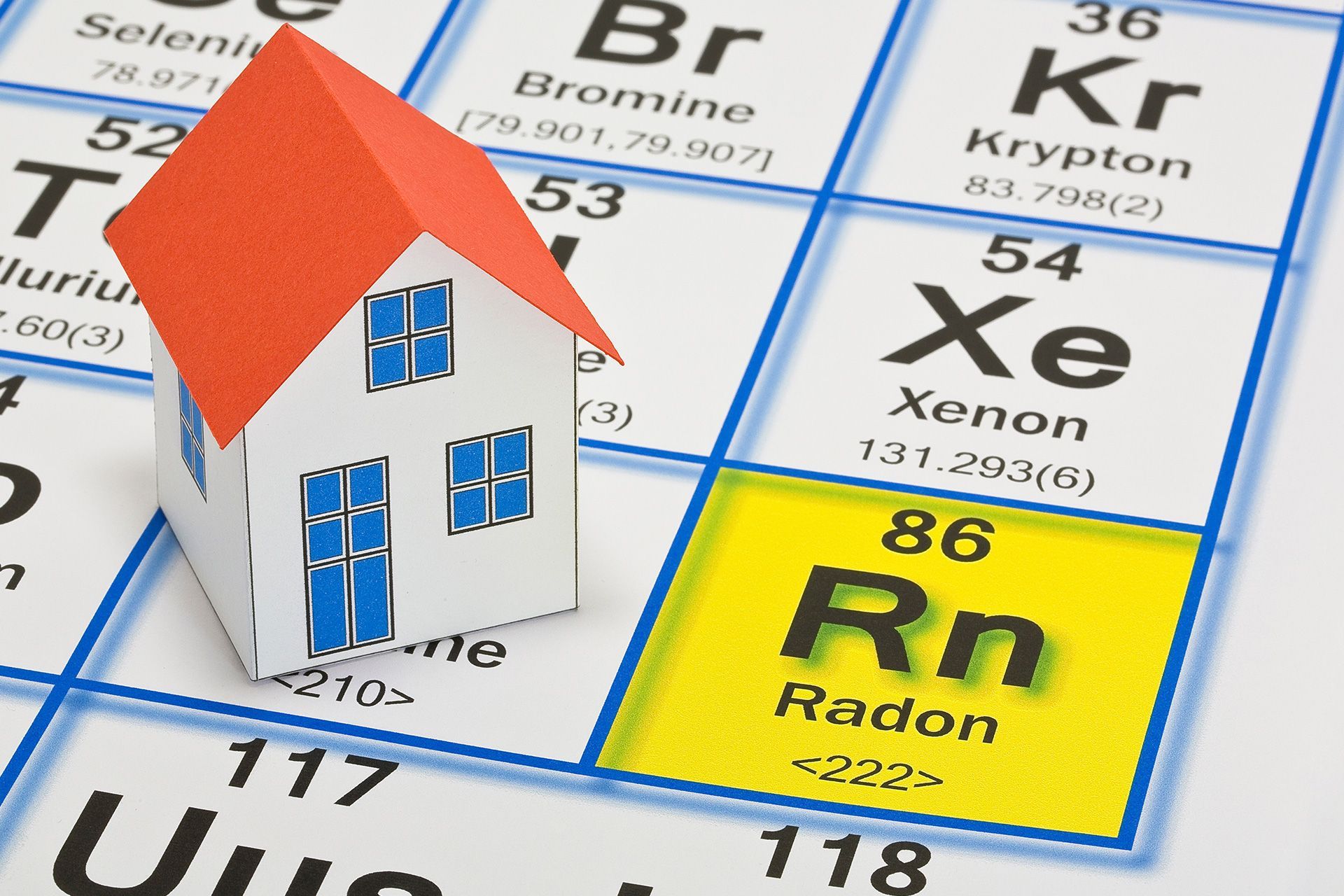
Radon is a naturally occurring radioactive gas that can enter homes from the soil beneath them. You cannot see, smell, or taste it. More importantly, symptoms of radon poisoning do not usually appear during early exposure.
That makes radon different from hazards such as natural gas or carbon monoxide. You cannot depend on physical symptoms to warn you that radon levels are high.
Long-term exposure to elevated radon can increase the risk of lung cancer. Testing the indoor air is the only reliable way to know whether a home has elevated radon levels.
For homeowners and buyers in Southern California, understanding how radon enters a house, what health concerns are associated with exposure, and when to test can help you make better decisions about indoor safety.
What Is Radon Gas?
Radon is a radioactive gas created naturally as uranium in soil and rock breaks down.
The gas can move through the ground and enter a home through small openings around the foundation.
Possible entry points include:
- Foundation cracks
- Gaps around pipes
- Construction joints
- Crawl spaces
- Floor openings
- Sump areas
- Other gaps where the building contacts the soil
Once radon enters a house, it can become trapped and build up indoors.
Radon can occur in old homes, new homes, houses with basements, slab-on-grade homes, and properties with crawl spaces. Even neighboring homes can have very different radon levels.
What Are the Symptoms of Radon Poisoning?
The phrase symptoms of radon poisoning can be misleading because radon does not normally cause an immediate illness that alerts you to exposure.
There are no reliable early symptoms that tell a homeowner radon is present.
You generally will not experience a sudden:
- Headache
- Unusual smell
- Burning sensation
- Dizziness
- Nausea
- Eye irritation
simply because indoor radon is elevated.
The established health concern is the increased risk of lung cancer from long-term exposure.
Lung cancer related to radon exposure typically develops years after the exposure occurs.
This is why homeowners should not wait for physical warning signs before considering testing.
What Are the First Signs of Radon Poisoning?
If you are wondering what are the first signs of radon poisoning, the most important answer is that there usually are no early warning signs of radon exposure itself.
A person can live in a home with elevated radon for years without knowing it.
If lung cancer eventually develops, symptoms can include conditions such as:
- Persistent coughing
- Chest discomfort or pain
- Shortness of breath
- Coughing up blood
- Unexplained weight loss
- Ongoing fatigue
However, these symptoms can have many causes and should never be used to determine whether radon is present in a home.
Anyone experiencing concerning or persistent health symptoms should speak with a medical professional. A home inspection or radon test cannot diagnose a medical condition.
Why Is Radon Dangerous?
The concern with radon comes from long-term exposure.
When radon breaks down, it forms tiny radioactive particles. These particles can be inhaled into the lungs, where radiation can damage lung tissue over time.
Radon is recognized as a major cause of lung cancer, and the risk becomes greater when exposure is higher or continues for many years. Smoking combined with radon exposure creates an even greater lung cancer risk.
The important point for homeowners is simple:
You cannot judge radon risk by how healthy you feel today.
You need an indoor radon measurement.
Can You See or Smell Radon?
No.
Radon has:
- No visible color
- No noticeable smell
- No recognizable taste
You cannot walk into a room and tell whether radon is present.
Opening windows for a few minutes or smelling the basement will not tell you the home's normal radon concentration.
Specialized testing equipment is needed to measure radon in indoor air.
Can Any Home Have Radon?
Yes.
Radon is sometimes associated only with older homes or houses with basements, but that is not accurate.
Elevated radon can occur in:
- New construction
- Older houses
- Slab foundations
- Crawl-space homes
- Basement homes
- Well-sealed houses
- Drafty properties
The amount of radon depends heavily on soil conditions, building characteristics, air pressure, foundation openings, and other factors.
Two homes next to each other can even have different test results.
Is Radon a Concern in California?
Yes. Radon has been detected throughout California.
State information indicates that radon has been found in every California county. Maps can help identify areas with greater radon potential, but they cannot predict the radon level inside an individual house.
This is important for Southern California homeowners.
A home should not be assumed radon-free simply because it is located in:
- San Bernardino County
- Riverside County
- Los Angeles County
- Orange County
- San Diego County
Local geology can vary significantly, and the only reliable way to determine the concentration inside a specific property is testing.
How Do You Test a Home for Radon?
Radon testing measures the amount of radon in indoor air.
Results are commonly expressed in picocuries per liter, written as pCi/L.
There are two main types of residential testing.
Short-Term Radon Testing
Short-term tests measure radon for a relatively short period.
Depending on the device used, testing can range from a few days to several weeks.
Short-term testing is commonly used when homeowners want quicker information or during real estate transactions.
Long-Term Radon Testing
Long-term testing measures indoor radon for more than 90 days and can continue for up to a year.
Because radon levels naturally change with weather, seasons, and household conditions, a longer test can provide a better picture of the home's average exposure over time.
What Radon Level Should Concern Homeowners?
Radon measurements are interpreted using established action guidance.
Homes measuring 4 pCi/L or higher should be addressed through appropriate radon reduction measures. Homeowners may also consider taking action when levels are between 2 and 4 pCi/L because no level of radon exposure is considered completely risk-free.
A single number should also be interpreted in the context of the type of test performed.
Depending on the initial result, follow-up testing may be recommended before deciding on mitigation.
When Should You Test for Radon?
Radon testing can be useful in several situations.
When Buying a Home
Home buyers may want to know the home's radon level before completing the purchase.
When testing is part of a California real estate transaction, state guidance recommends using a certified radon tester.
Ask the seller whether previous radon testing has been performed and request copies of any available results.
If the Home Has Never Been Tested
You cannot determine radon levels from the home's appearance.
If you have never tested your home, testing can establish a baseline.
After Major Renovations
Construction can change:
- Air movement
- Foundation openings
- Ventilation
- Pressure conditions inside the home
Testing before and after certain renovations can help homeowners understand whether indoor radon conditions changed.
After Foundation Changes
New cracks, settlement, or other foundation changes can create additional pathways for soil gases to enter a home.
Consider retesting after significant foundation movement or repair.
After Earthquakes or Ground Movement
Ground movement can change pathways through the soil and foundation.
California guidance recommends considering additional testing after earthquakes, subsidence, or similar ground shifts.
After Installing a Radon Reduction System
A mitigation system should be tested after installation to confirm that radon levels have been reduced.
Periodic retesting also helps determine whether the system continues to operate effectively.
Can a Regular Home Inspection Detect Radon?
No. A standard visual home inspection cannot determine indoor radon concentration.
Green Valley Inspections evaluates major accessible systems and components such as:
- Foundation
- Structure
- Roofing
- Plumbing
- Electrical system
- HVAC
- Attic
- Insulation
- Interior
- Exterior
A home inspector may observe foundation cracks or other conditions that deserve attention, but those observations cannot tell you how much radon is in the air.
Radon requires a separate measurement using appropriate testing equipment.
For a California real estate transaction, use a properly certified radon testing professional.
Can You Test for Radon Yourself?
Homeowners can purchase radon test kits for their own homes.
The accuracy of the result depends on following the testing instructions carefully, including placement and test conditions.
However, a real estate transaction is different.
California recommends using a certified tester when radon testing is being conducted as part of a home purchase or sale.
Professional testing can also be useful when:
- Faster results are needed
- Previous tests produced unusual results
- The property is large or complex
- Independent documentation is important
What Happens If a Home Has Elevated Radon?
An elevated result does not automatically mean the home is unsafe forever or that you should abandon the property.
Radon levels can often be reduced.
A qualified radon professional may recommend a mitigation system that reduces the amount of radon entering the house.
The appropriate method depends on:
- Foundation type
- Home construction
- Existing radon level
- Crawl-space conditions
- Soil conditions
After mitigation, the home should be tested again to confirm that the system is working.
How Can Homeowners Reduce Radon Risk?
The first step is always knowing the home's radon level.
If testing shows an elevated concentration, homeowners should work with an appropriately qualified radon professional rather than relying on general DIY fixes.
Simply:
- Opening windows
- Sealing one visible crack
- Running fans
- Installing an air purifier
should not be assumed to solve an elevated radon problem.
A proper mitigation system is designed around how radon enters and moves beneath the specific property.
Radon and Southern California Home Buyers
Radon may receive less attention in Southern California than some other home hazards, but that does not mean it should automatically be ignored.
Radon has been detected throughout California, and regional maps cannot determine the concentration inside an individual property.
If you are purchasing a home, consider the entire property evaluation process.
A professional home inspection can identify visible concerns involving the foundation, structure, roof, electrical system, plumbing, HVAC equipment, and other major components. Radon testing can then provide separate information about an invisible indoor environmental risk.
Together, these evaluations can help buyers understand more about the property before closing.
Do Not Wait for Symptoms to Test for Radon
The most important fact about symptoms of radon poisoning is that early exposure generally does not produce clear physical warning signs.
You cannot see radon, smell it, or determine its concentration based on how you feel. Long-term exposure can increase lung cancer risk, which is why testing is more useful than looking for symptoms.
If you are buying or maintaining a Southern California home, Green Valley Inspections can provide a professional evaluation of the property's accessible structure, foundation, roofing, plumbing, electrical, HVAC, and other major systems. Contact Green Valley Inspections to schedule your home inspection. If you also want to determine the property's radon level, arrange separate testing with an appropriately certified radon professional.
Frequently Asked Questions
What are the symptoms of radon poisoning?
Radon exposure does not usually cause immediate symptoms. The established long-term health concern is an increased risk of lung cancer. Testing, rather than symptoms, is the only reliable way to determine whether a home has elevated radon.
What are the first signs of radon poisoning?
There typically are no early signs that tell you radon is present. If lung cancer develops years later, symptoms may include persistent coughing, breathing problems, chest pain, fatigue, or coughing up blood, but these symptoms are not specific to radon exposure.
Can you smell radon in your home?
No. Radon has no smell, color, or taste. A homeowner cannot detect it without appropriate radon testing.
Can radon be found in California homes?
Yes. Radon has been detected in every California county. Levels can vary greatly between properties, so geographic location alone cannot determine whether a specific home has elevated radon.
Does a normal home inspection include radon testing?
Not automatically. A standard home inspection is primarily a visual evaluation of accessible building systems. Radon requires separate testing with equipment designed to measure the gas in indoor air.
When should homeowners test for radon?
Consider testing if the property has never been tested, when buying a home, after major renovations or foundation changes, and after installing a radon mitigation system.
Can elevated radon levels be fixed?
Yes. Radon mitigation systems can reduce indoor radon levels. The appropriate method depends on the home's construction and test results, and follow-up testing should confirm that the system is working.
Disclaimer: The information on this website and blog is for general informational purposes only and is not professional advice. We make no guarantees of accuracy or completeness. We disclaim all liability for errors, omissions, or reliance on this content. Always consult a qualified professional for specific guidance.
Search
Certification
Green Valley Inspections is InterNACHI Certified, a Certified Master Inspector, and CCPIA-certified, demonstrating advanced training, extensive experience, professional ethics, and expertise in residential and commercial property inspections across Southern California.
Social Media
Google Reviews

5-star ratings from 440+ clients across Southern California.
Contact Us
Recent Post



Service Areas
We offer home inspection services throughout the following counties: