
Next Steps: What Happens After A Home Inspection?
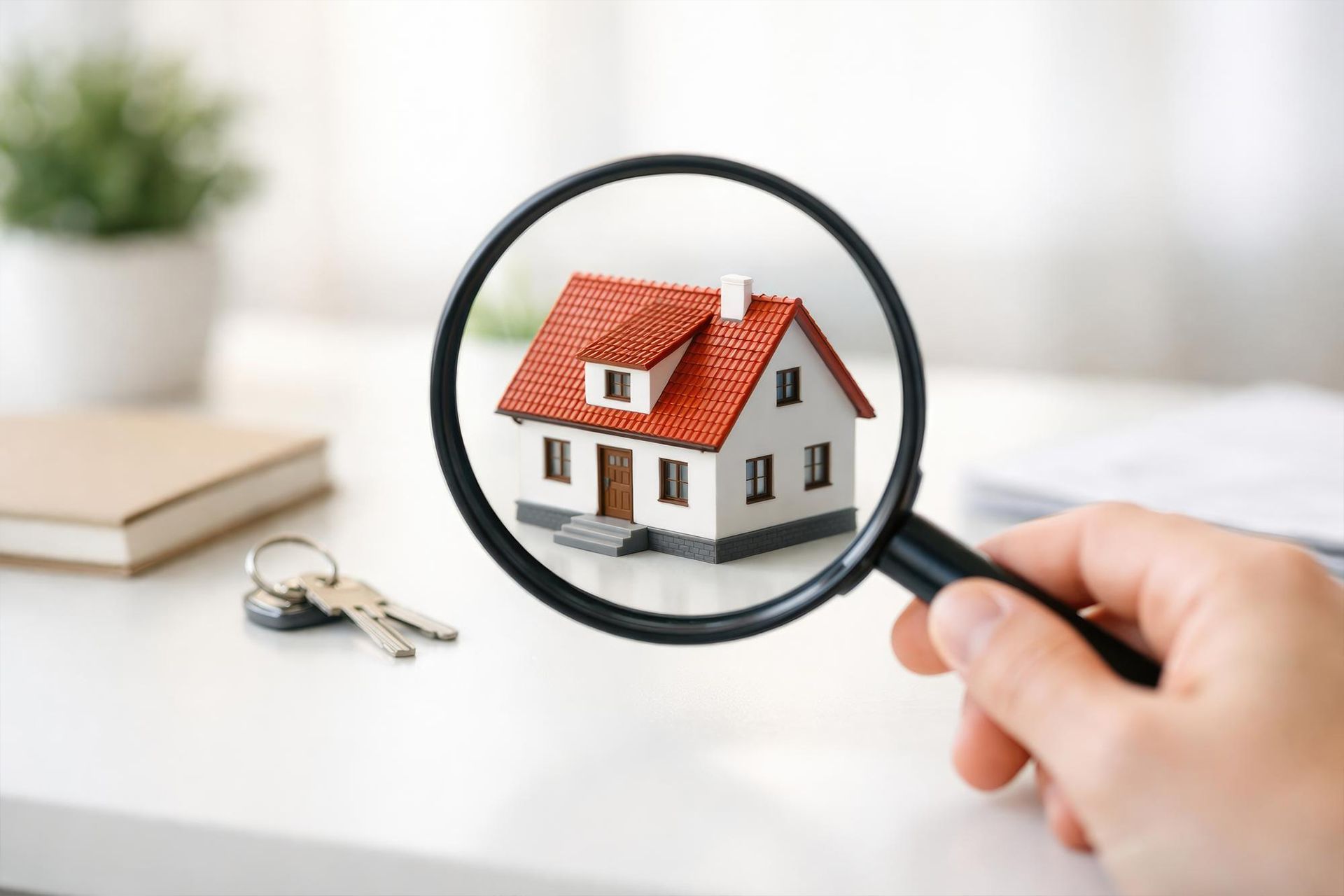
A property inspection is an important part of the buying or selling process. It gives you a clearer picture of the home's condition before you make major decisions. But once the inspector leaves and the report arrives, many people are not sure what to do next.
The real value comes from knowing how to read the findings, decide what matters most, and respond in practical ways. Some items may be simple maintenance notes, while others may need repairs, specialist review, or discussion with your real estate agent.
This guide explains the next steps so both sides can move forward confidently.
1. Review The Report Carefully
The first step is to read the home inspection report, not just the summary page. The summary often highlights major concerns, but the full report provides more detail on each system, including photos, notes, and recommendations.
Take your time with this part. Look at the roof, plumbing, electrical, HVAC, attic, foundation, interior, and exterior sections. Pay attention to photos because they help show where the issue is located and why the inspector included it.
If you do not understand a finding, ask the inspector for clarification. A good inspector should be able to explain the concern in simple language and help you understand whether it is a safety issue, a repair item, a maintenance note, or something that needs further evaluation.
2. Separate Major Issues From Minor Notes
Not every item in the report carries the same level of concern. Most homes have findings, even newer or well-maintained properties. The key is learning how to sort them properly.
Major issues may include active leaks, electrical hazards, roof damage, structural movement, unsafe stairs or railings, plumbing problems, or HVAC concerns. These items can affect safety, function, or future maintenance needs.
Minor notes may include loose hardware, worn caulking, dirty filters, small cracks, or cosmetic wear. These items still matter, but they may not carry the same urgency as a damaged roof, unsafe wiring, or moisture concern.
A smart review focuses first on safety, major systems, moisture, and structural concerns. Once you understand those, you can move on to routine maintenance and smaller repairs.
3. Talk With Your Real Estate Agent
Your inspector explains the property's condition, but your real estate agent helps you understand how the findings fit into the transaction. After reviewing the report, share your questions and concerns with your agent.
Your agent can help you decide which items may be reasonable to discuss with the seller. They can also help explain timelines, contract terms, and the options available under your agreement.
For buyers, this step is important because emotions can run high after reading a long report. Some findings may sound serious at first but may be common for the home's age and condition. Other findings may deserve closer attention.
4. Decide If Specialist Evaluations Are Needed
Sometimes an inspector may recommend further evaluation by a qualified professional. This does not always mean there is a major problem. It simply means the issue may fall outside the scope of a visual inspection or may require a specialist's opinion.
For example, a licensed electrician may be needed for panel issues, unsafe wiring, or recurring breaker problems. A plumber may be needed for active leaks, drainage problems, or water heater concerns. A roofing contractor may be needed when roof damage appears significant, or the roof is difficult to fully evaluate.
Specialist reviews can help buyers and sellers better understand the extent of an issue before deciding on repairs or negotiations.
5. Consider Common Post-Inspection Options
After reviewing the report, buyers and sellers usually move into the response stage. The exact options depend on the purchase contract, local market, and the condition of the property.
Common options may include:
- Requesting repairs: Buyers may ask the seller to repair certain concerns before closing. This is more common for safety issues, active leaks, or major system problems.
- Asking for documentation: If the seller agrees to complete repairs, buyers may request receipts, contractor invoices, or photos. Proper documentation helps confirm that agreed work was handled.
- Accepting the property as is: In some cases, buyers may decide the findings are manageable and continue without requesting changes. This often depends on the buyer's comfort level and the type of issues found.
- Requesting further review: If a finding is unclear, a buyer may request additional information from a specialist before deciding. This can help avoid guessing about major systems.
The goal is not to create conflict. The goal is to use the report as a tool for informed decision-making.
6. Avoid Overreacting To The Report
Inspection reports can feel overwhelming because they list many details in one place. Even a solid home may have several pages of findings, but that doesn't automatically mean the property is a bad choice.
Read the report with context. Consider the home's age, how well it has been maintained, and whether the issues are normal wear or signs of deeper concerns. Group items into safety concerns, repairs, and maintenance so you can respond calmly and clearly.
7. Confirm Repairs Before Closing
If the seller agrees to complete certain repairs, buyers should confirm the work before closing. Do not assume everything has been handled just because it was discussed.
Ask for documentation when appropriate. This may include receipts, service records, or contractor notes. During the final walkthrough, check that agreed repairs appear complete and that no new visible problems have developed.
A final walkthrough is not the same as another full inspection. It is an opportunity to confirm that the property is in the expected condition before closing. If something important appears different, bring it up with your agent right away.
8. Use The Inspection As a Maintenance Plan
Don't forget the report after closing. For new homeowners, it can become a helpful guide for future care.
Create a simple priority list. Start with safety items, active leaks, and major system concerns. Next, plan for routine repairs and maintenance. Finally, monitor items the inspector recommended watching over time.
For example, if the report notes clogged gutters, minor grading concerns, or worn sealant around exterior openings, those items may not feel urgent at first. However, addressing them can help reduce moisture problems later.
Keeping the report saved also gives you a useful reference when hiring contractors or planning updates.
Questions To Ask After The Inspection
Once the report is ready, asking the right questions can clarify the next steps.
Helpful questions include:
- Which findings are the most urgent? This helps you focus on safety concerns, active leaks, major defects, and items that may need quick attention.
- Which items need a specialist? Some issues require a licensed contractor, electrician, plumber, roofer, or other expert to review the concern more deeply.
- Which items are routine maintenance? Not every finding requires immediate action. Some notes may simply help you care for the home after move-in.
- Were any areas limited or inaccessible? If the inspector could not access certain spaces, you may need to understand what was not fully reviewed.
These questions help turn the report into a practical action plan.
Conclusion
After an inspection, the most important step is to stay organized. Read the full report, ask questions, separate major concerns from minor notes, and work with your real estate agent to decide what comes next.
For buyers, the report can help you understand the property before closing. For sellers, it can help you respond clearly and prepare for a smoother transaction. In both cases, the inspection report provides useful information that supports smarter decisions.
At Green Valley Home Inspections, we provide clear, detailed home inspection services to help buyers, sellers, and homeowners understand a property's condition. Our team explains findings in a practical way so you know what deserves attention and what steps may come next.
Schedule your inspection today and move forward with clear information before your next property decision.
Frequently Asked Questions
Should I read the full inspection report?
Yes. The summary is helpful, but the full report includes photos, notes, maintenance items, and details that may not appear in the summary.
What should buyers do first after receiving the report?
Buyers should review the report, highlight major concerns, ask questions, and speak with their real estate agent before making repair requests.
Does every finding need to be repaired before closing?
No. Some findings are routine maintenance or minor wear. Safety issues, leaks, major system concerns, and structural items deserve closer attention.
Who decides what repairs are requested?
The buyer usually reviews the report with their agent and decides which requests to make based on the contract and property condition.
Is the final walkthrough the same as another inspection?
No. The final walkthrough confirms the property is in the expected condition before closing. It does not replace a full inspection.
Disclaimer: The information on this website and blog is for general informational purposes only and is not professional advice. We make no guarantees of accuracy or completeness. We disclaim all liability for errors, omissions, or reliance on this content. Always consult a qualified professional for specific guidance.
Search
Certification
Green Valley Inspections is InterNACHI Certified, a Certified Master Inspector, and CCPIA-certified, demonstrating advanced training, extensive experience, professional ethics, and expertise in residential and commercial property inspections across Southern California.
Social Media
Google Reviews

5-star ratings from 440+ clients across Southern California.
Contact Us
Recent Post




Service Areas
We offer home inspection services throughout the following counties: