
The Questions Smart Home Buyers Ask
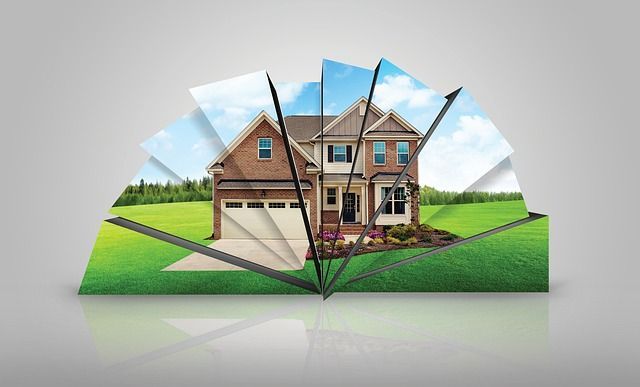
Buying a home is exciting, fast-paced, and often overwhelming. Between touring properties, reviewing disclosures, and negotiating terms, it’s easy to focus only on what you can see. However, some of the most important details are revealed by the questions buyers don’t usually ask. Asking the right questions early can help prevent costly surprises later and lead to a more confident purchase.
Here are several smart, often-overlooked questions every home buyer should consider.
How does water move around and away from this house?
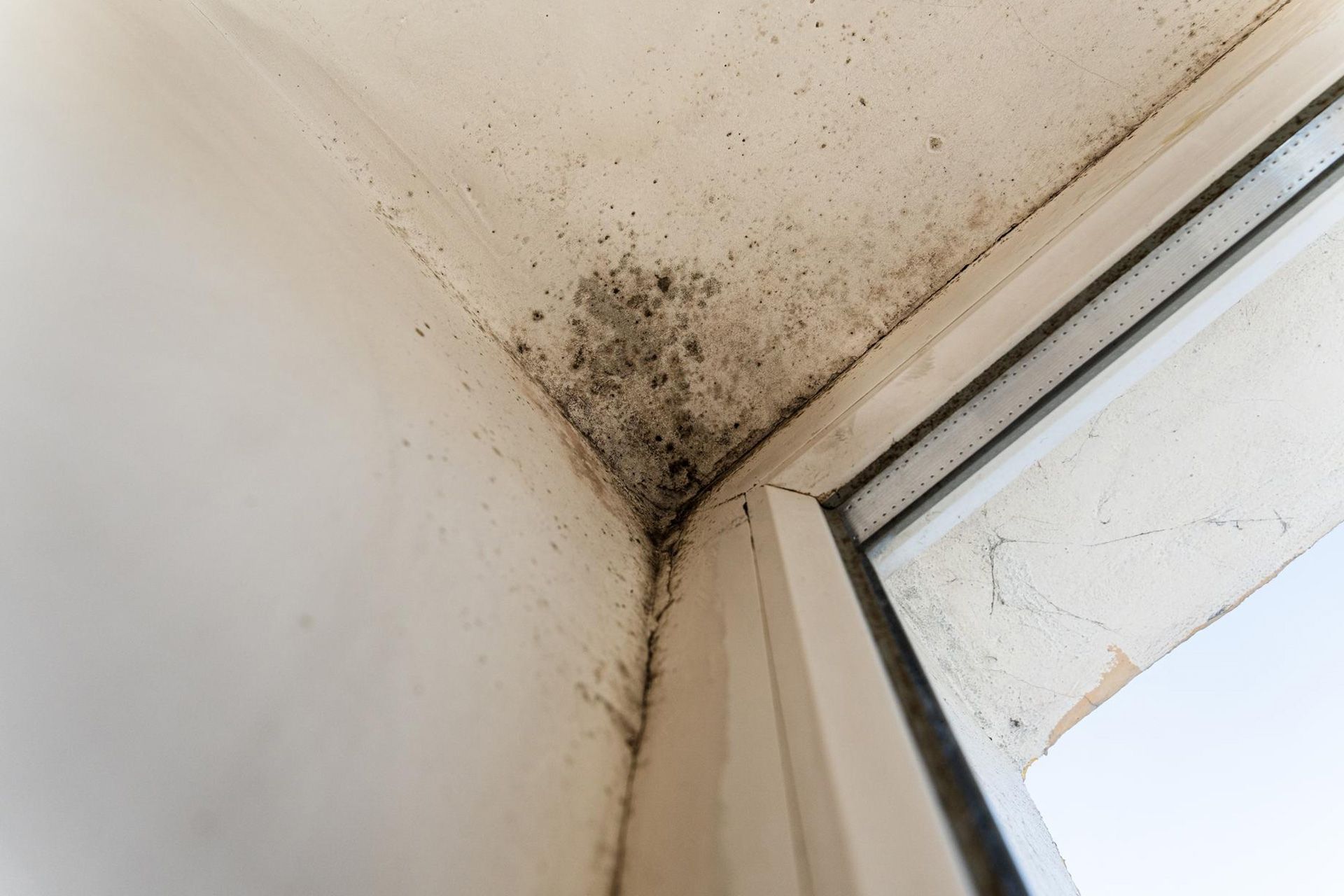
Water is one of the most common sources of long-term damage. Buyers often ask about roof age or visible leaks but forget to ask how drainage works overall. Are there proper slopes away from the foundation? Do downspouts discharge far enough from the structure? Are there signs of past moisture intrusion in crawl spaces, basements, or garages? Understanding water management is critical, especially in homes that experience seasonal rain.
What materials were used—and how do they typically perform over time?
Not all building materials age the same way. Some plumbing, wiring, roofing, and siding materials have known lifespans or performance issues. Asking what materials are present—and whether they’re original or updated—can provide insight into future maintenance or replacement costs.
Has the home been altered, and were permits involved?
Renovations can add value, but only if they were done correctly. It’s worth asking whether additions, remodels, or conversions were completed with permits and inspections. Unpermitted work isn’t always unsafe, but it can lead to complications with insurance, resale, or future repairs.
How does the house handle energy efficiency and comfort?
Instead of only asking about utility bills, consider questions about insulation, ventilation, window performance, and heating and cooling distribution. Comfort issues often reveal themselves only after moving in, so it’s helpful to understand how well the home manages temperature and airflow.
What maintenance items are approaching the end of their service life?
Every home has components that wear out over time. A smart question isn’t just “What’s wrong now?” but “What’s likely coming next?” Roof coverings, water heaters, HVAC systems, and exterior coatings all have predictable aging patterns.
Are there environmental or location-specific factors to consider?
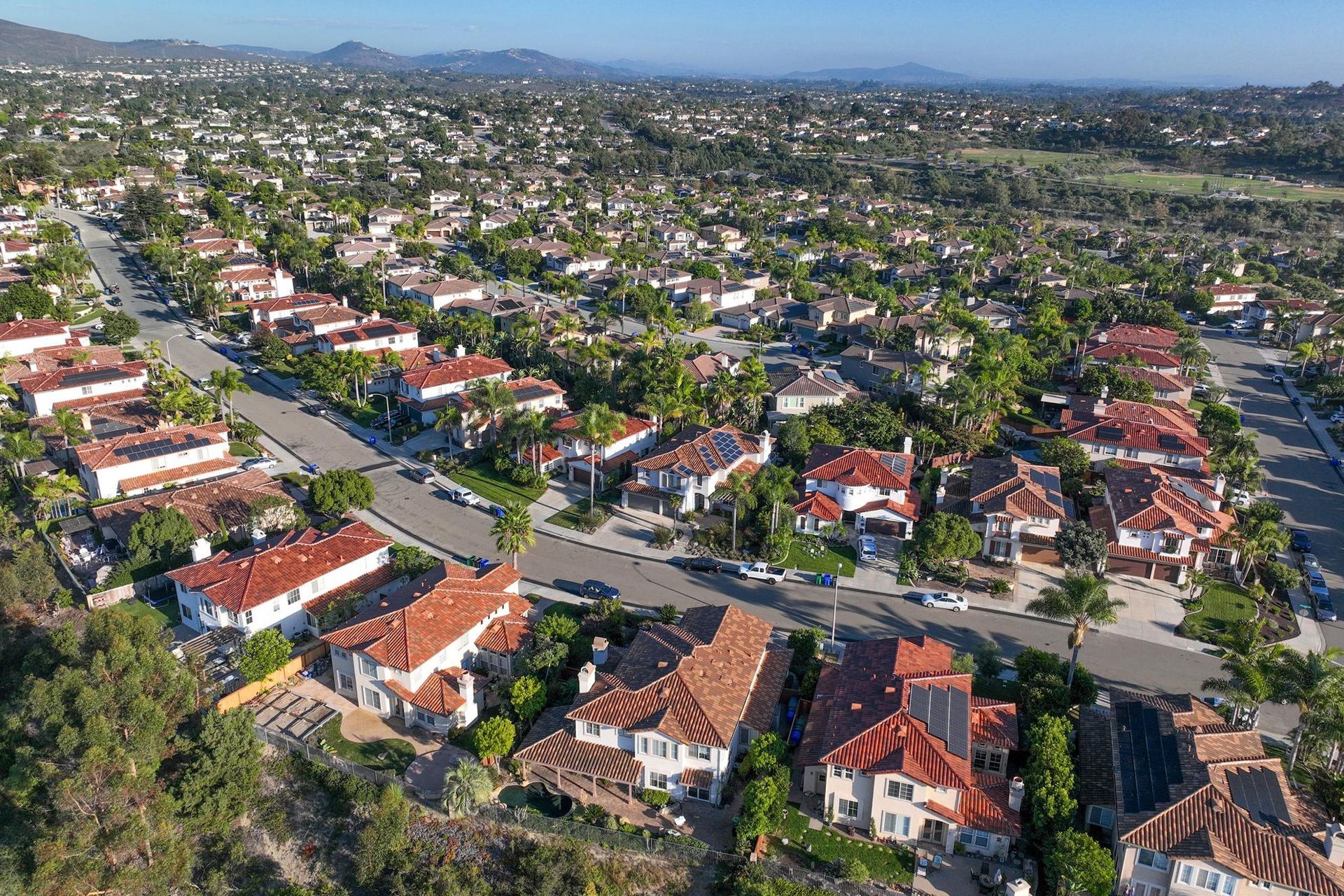
Certain regions come with unique considerations. For example, here we may face seismic influences, expansive soils, or wildfire-related risks. Even if a home looks pristine, asking how it’s designed to handle local conditions can reveal valuable information.
A home purchase isn’t just about falling in love with a space—it’s about understanding how that space functions, ages, and responds to its environment. Asking thoughtful questions that go beyond the surface can help buyers move forward with clarity, confidence, and fewer surprises after move-in day.
The post The Questions Smart Home Buyers Ask appeared first on Green Valley Inspections.
Search
Certification
Green Valley Inspections is InterNACHI Certified, a Certified Master Inspector, and CCPIA-certified, demonstrating advanced training, extensive experience, professional ethics, and expertise in residential and commercial property inspections across Southern California.
Social Media
Google Reviews

5-star ratings from 440+ clients across Southern California.
Contact Us
Recent Post


Service Areas
We offer home inspection services throughout the following counties: