
Mold Visual Inspection Services: What Homeowners Should Know
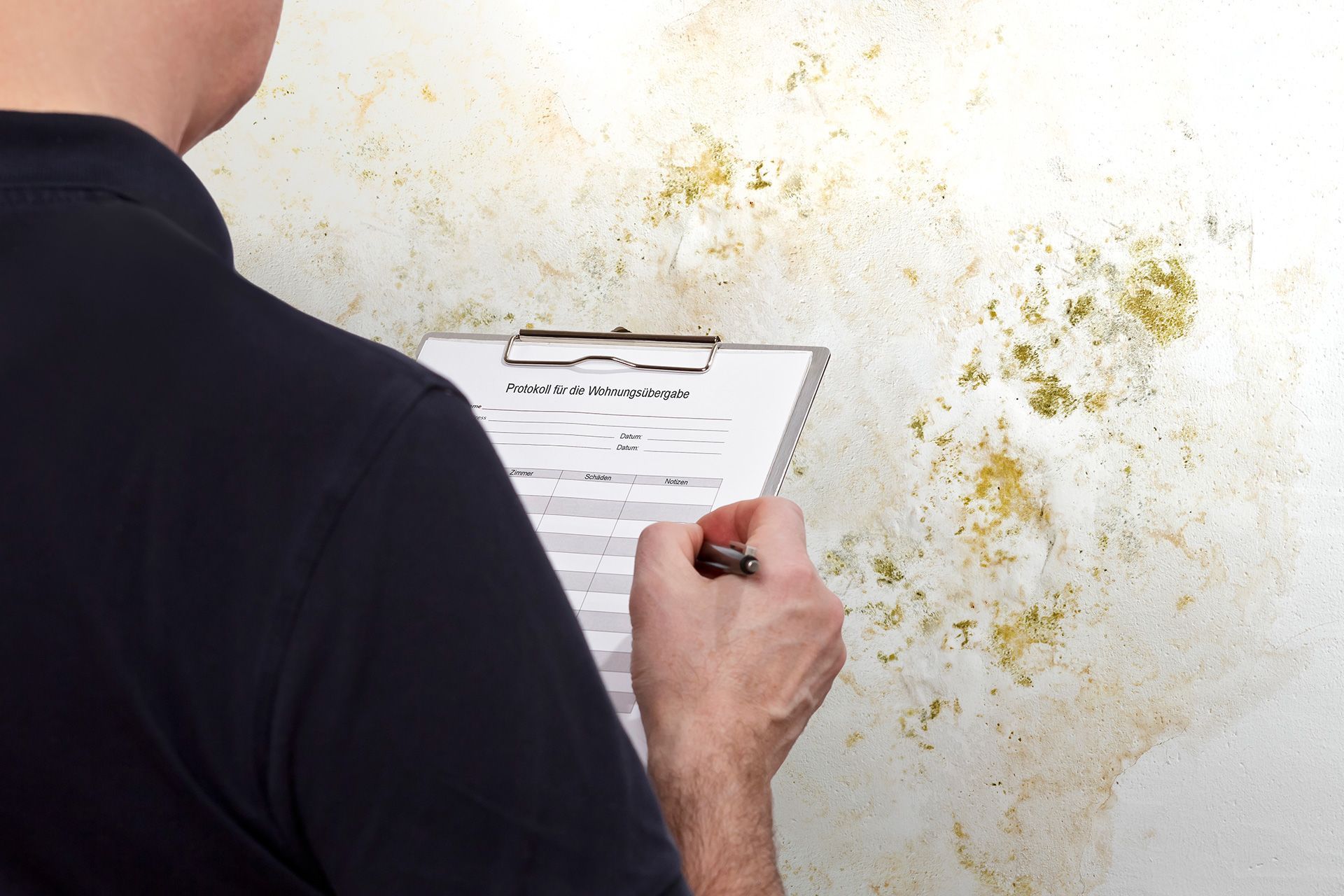
If you notice a musty odor, water stains, recurring mold-like growth, or signs of a previous leak, a professional mold inspection can help you understand what may be happening inside the property.
Homeowners searching for mold inspections near me often assume every mold service includes laboratory testing. That is not always the case. A visual mold inspection usually begins by looking for visible growth, moisture damage, leaks, condensation, poor ventilation, and other conditions that can support mold.
The goal is not simply to identify a dark spot on a wall. A useful inspection should help determine where moisture is coming from and whether other accessible areas may also be affected.
Green Valley Inspections provides mold inspection services throughout Southern California that include visual evaluation, moisture assessment, and air or surface sampling when appropriate.
This guide explains what mold visual inspection services include, when mold testing may be helpful, and what homeowners should expect when scheduling an inspection.
What Is a Mold Visual Inspection?
A mold visual inspection is a professional evaluation of accessible areas of a property for visible signs of mold, moisture, water damage, and conditions that may encourage mold growth.
The inspector may look at:
- Walls
- Ceilings
- Floors
- Bathrooms
- Kitchens
- Laundry areas
- Attics
- Crawl spaces
- HVAC areas
- Areas around plumbing
- Windows and exterior walls
- Locations with previous water damage
The inspection is generally non-invasive.
That means the inspector does not automatically open walls, remove flooring, or take apart building materials simply to look for mold.
Instead, visible conditions, moisture readings, property history, odors, and other clues are used to determine whether further evaluation may be appropriate.
Why Moisture Is So Important During Mold Inspections
Mold needs moisture to grow.
For that reason, a professional mold inspection should focus heavily on finding the water or humidity condition supporting the growth.
Common moisture sources include:
- Plumbing leaks
- Roof leaks
- Condensation
- High indoor humidity
- Poor ventilation
- Window leaks
- Flooding
- Crawl-space moisture
- HVAC condensation
- Exterior water intrusion
Removing visible mold without addressing the moisture source can allow the problem to return.
This is why Green Valley Inspections includes moisture assessment as part of its mold inspection process and uses specialized tools to help identify elevated moisture, active leaks, condensation, and ventilation concerns.
What Do Mold Visual Inspection Services Include?
The exact scope depends on the property and inspection company, but a professional evaluation commonly follows several steps.
Review of Your Concerns
The inspector may begin by asking questions such as:
- Where have you seen mold-like growth?
- When did you first notice it?
- Has the home had a plumbing leak?
- Has the roof leaked?
- Has the property experienced flooding?
- Are there recurring musty odors?
- Has previous mold remediation been performed?
- Does the problem return after cleaning?
This information can help identify areas that deserve closer attention.
Visual Evaluation
The inspector examines accessible areas for conditions such as:
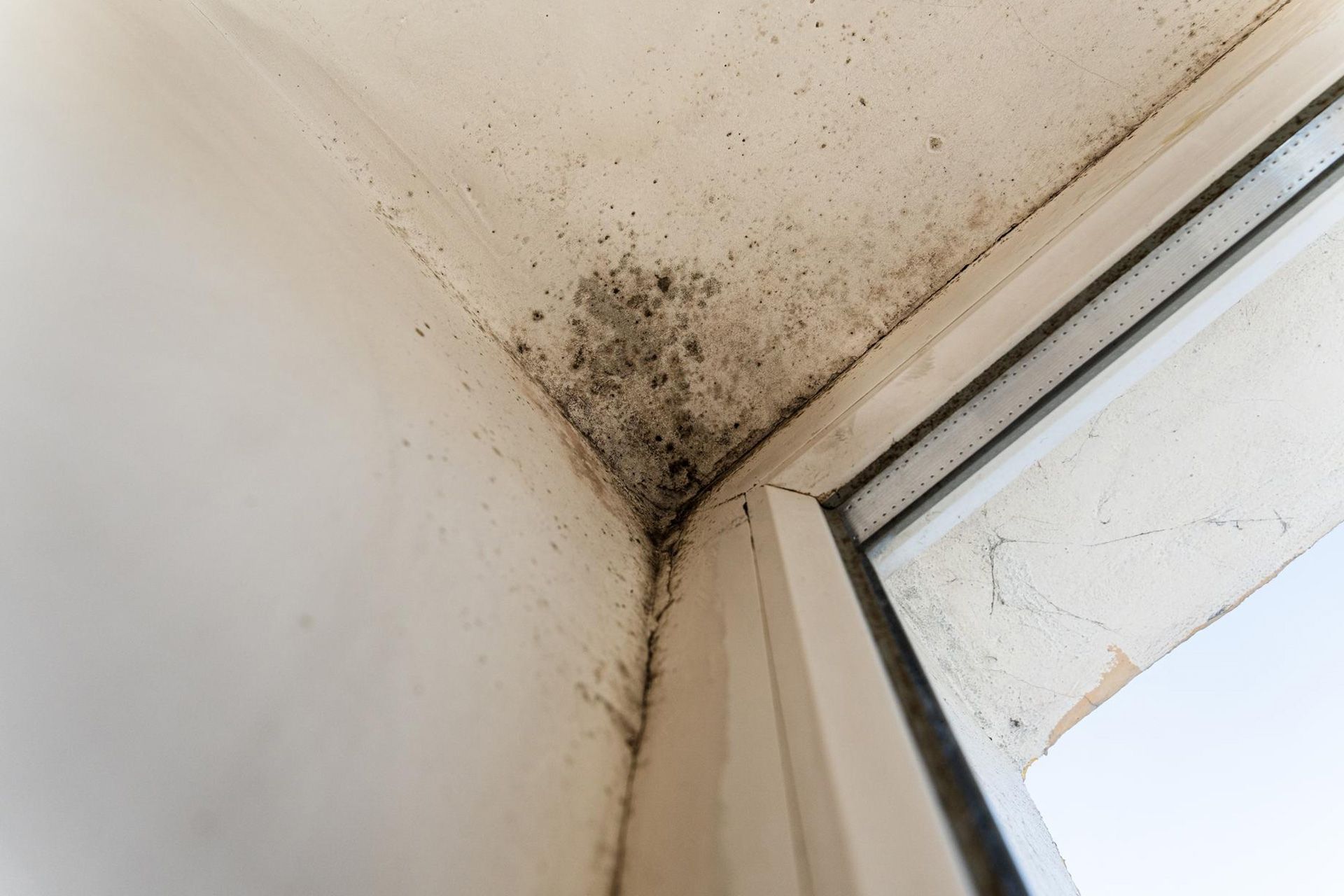
- Visible mold-like growth
- Water staining
- Damaged drywall
- Discoloration
- Damp building materials
- Peeling finishes
- Swollen cabinets
- Condensation
- Evidence of past leaks
The location of the growth can provide important clues.
For example, mold-like growth near a bathroom ceiling may have a different cause from growth inside a cabinet beneath a leaking sink.
Moisture Assessment
A visual inspection should not stop at what can be seen on the surface.
Moisture meters and other inspection tools may help identify areas where moisture levels are elevated.
This can be useful around:
- Bathrooms
- Kitchens
- Plumbing fixtures
- Windows
- Ceilings
- Exterior walls
- Crawl spaces
- Attics
Moisture readings do not identify mold species. Instead, they help the inspector understand whether conditions that support mold may be present.
Inspection of Moisture-Prone Areas
Certain parts of a home deserve extra attention because they are more likely to experience moisture.
These may include:
Bathrooms
Inspectors may look around showers, tubs, toilets, sinks, ceilings, exhaust ventilation, and areas where water can escape.
Kitchens
Sink plumbing, dishwashers, refrigerators, cabinets, and exterior walls may reveal leaks or water damage.
Attics
Roof leaks, ventilation problems, condensation, and damaged materials may create moisture concerns.
Crawl Spaces
Plumbing leaks, exposed soil, drainage problems, condensation, and limited airflow can contribute to damp conditions beneath a home.
HVAC Areas
Condensation, drainage problems, or moisture near HVAC components may also deserve attention.
Mold Visual Inspection vs. Mold Testing Services
One of the most important things homeowners should understand is that a visual inspection and mold testing are not the same.
Mold Visual Inspection
A visual inspection focuses on:
- Visible mold-like growth
- Water damage
- Moisture conditions
- Possible sources of leaks
- Ventilation issues
- Areas that may support mold
Mold Testing Services
Mold testing services may involve collecting air or surface samples and sending them to a laboratory for analysis.
Testing can sometimes provide additional information about the mold types found in a sample or about airborne spores collected at the time of testing.
However, testing is not automatically necessary whenever visible mold is present. When growth can already be seen, determining and correcting the moisture source may be more important than identifying the exact type.
Green Valley Inspections may recommend air or surface sampling when it is appropriate for the property and the concern being investigated.
When Might Mold Testing Be Helpful?
Testing may make more sense when:
- Mold is suspected but not clearly visible
- A musty odor has no obvious source
- Additional documentation is needed
- Several areas need further comparison
- Previous remediation has occurred
- The inspector determines sampling may answer a specific question
The important point is that testing should have a purpose.
Simply taking more samples does not necessarily provide a better understanding of the property.
Signs You May Need a Mold Inspection
You do not need to wait until a large patch of mold appears.
Consider scheduling an mold inspection when you notice any of the following.
Persistent Musty Odors
A musty or earthy smell can sometimes indicate moisture or microbial growth.
If the odor remains after routine cleaning, pay attention to where it is strongest.
It may be noticeable near:
- Closets
- Bathrooms
- Cabinets
- HVAC vents
- Crawl-space openings
- Exterior walls
The source may not always be visible.
Recurring Mold-Like Growth
Growth that repeatedly returns after cleaning deserves investigation.
The problem may be connected to:
- Poor ventilation
- Condensation
- Plumbing leakage
- High humidity
- Water intrusion
Cleaning the surface without correcting the moisture source may only provide a temporary improvement.
Water Stains
Staining on walls or ceilings can indicate a current or previous moisture problem.
Possible sources include:
- Roof leaks
- Plumbing
- HVAC condensation
- Windows
- Exterior water intrusion
Not every stain means mold is present, but it can identify an area worth investigating.
Recent Plumbing Leak
Water from a leaking sink, toilet, water heater, washing machine, or supply line can reach materials that remain damp after the visible water is cleaned up.
Drywall, cabinets, insulation, flooring, and framing may all be affected.
Roof Leakage
A roof leak may allow moisture to reach attic insulation, roof framing, ceilings, or walls.
The visible ceiling stain inside the home may not show the full extent of the affected area.
Previous Flooding
Floodwater can affect large areas of a property.
After significant water intrusion, materials may need to be evaluated for moisture damage and mold growth.
What Should You Expect When Searching for Mold Inspections Near Me?
When homeowners search online for mold inspections near me, they may find companies offering very different services.
Before scheduling, ask what the inspection actually includes.
Useful questions include:
- Is the inspection visual and non-invasive?
- Do you check for moisture?
- Are attics and crawl spaces included when accessible?
- Do you inspect bathrooms and kitchens?
- Is mold testing included or separate?
- When do you recommend sampling?
- Will samples be analyzed by a laboratory?
- Will I receive photographs?
- Will I receive a written report?
- Do you perform mold remediation?
These questions make it easier to compare services rather than choosing a company only because it appears first in search results.
Why Independent Inspection Matters
Some homeowners prefer an inspection company that does not also perform mold removal.
This can help keep the inspection focused on identifying and documenting conditions rather than selling remediation work.
Green Valley Inspections states that it provides independent mold inspections and does not perform mold removal. When remediation is needed, a qualified remediation specialist may be recommended.
The inspection and remediation processes serve different purposes.
Inspection: Finds and documents the concern.
Remediation: Addresses affected materials and mold contamination.
What Does a Mold Inspection Report Include?
A useful report should explain what the inspector observed and why it matters.
Green Valley's mold inspection reports may include:
- Findings and observations
- Photographs
- Moisture readings
- Recommendations
- Suggestions for remediation or further evaluation when appropriate
The report should help homeowners understand the location and context of the concern.
For example, instead of simply stating that discoloration was found, the report may document that visible growth was observed near an area with elevated moisture.
That information helps connect the symptom to a possible source.
Can a Mold Inspection Find Hidden Mold?
A visual inspection has limits.
An inspector cannot see through finished walls, floors, cabinets, or other concealed materials.
However, certain conditions may suggest that hidden moisture deserves additional investigation.
Possible clues include:
- Musty odors
- Elevated moisture readings
- Water stains
- Previous flooding
- Repeated leaks
- Swollen materials
- Peeling paint
- Mold returning after cleaning
The inspector may recommend further evaluation when conditions suggest a concern that cannot be fully evaluated visually.
A visual inspection should not be presented as a guarantee that no concealed mold exists.
How Should You Prepare for a Mold Inspection?
A little preparation can make the inspection more useful.
Do Not Clean the Main Concern Immediately Before the Inspection
If possible, avoid removing visible evidence before the inspector sees it.
Cleaning the area may make it harder to understand the original condition.
Provide Access
Make sure the inspector can reach areas such as:
- Bathrooms
- Utility rooms
- Attic access
- Crawl-space access
- HVAC equipment
- Cabinets beneath sinks
- Areas where leaks occurred
Explain Past Water Problems
Tell the inspector about:
- Roof leaks
- Plumbing failures
- Flooding
- Previous remediation
- Window leaks
- HVAC drainage problems
Even an old water event may provide useful context.
Point Out Odors
If a musty odor appears only in one room or under specific conditions, tell the inspector.
Mold Inspections for Home Buyers
Home buyers may consider mold inspection when a property has:
- Visible mold-like growth
- Musty odors
- Water stains
- Previous flooding
- Roof leakage
- Plumbing problems
- Damp crawl spaces
- Previous mold remediation
A mold inspection can provide additional information during the buyer's due diligence period.
It does not automatically mean the home has a major mold problem.
The purpose is to better understand the condition before completing the purchase.
Mold Inspections for Homeowners
Existing homeowners may also benefit from an inspection.
Consider one when:
- Mold keeps returning
- A leak went unnoticed
- A room smells musty
- Water stains appear
- A crawl space feels damp
- Moisture develops around windows
- You are unsure whether a previous water problem was fully addressed
Early investigation can help you understand what is happening before making repair decisions.
Mold Inspections in Southern California
Mold is not limited to places with year-round wet weather.
Southern California homes can experience moisture from:
- Plumbing leaks
- Seasonal rain
- Roof problems
- Coastal humidity
- Bathroom moisture
- Irrigation
- HVAC condensation
- Window leaks
- Crawl spaces
- Poor drainage
Conditions also vary significantly between San Bernardino, Riverside, Los Angeles, Orange, and San Diego counties.
That makes local property conditions more important than general assumptions about the regional climate.
When searching for mold inspections near me, look for a company familiar with Southern California homes and the moisture problems commonly found in the area's different property types.
Know What a Mold Visual Inspection Can Tell You
Professional mold visual inspection services can help homeowners identify visible mold concerns, moisture damage, leaks, condensation, ventilation issues, and other conditions that may allow mold to develop.
The most valuable inspection does not simply tell you that a dark spot exists. It helps investigate why the condition developed and whether additional evaluation or mold testing services may be appropriate.
If you notice visible growth, recurring musty odors, water stains, previous leaks, or unexplained moisture in a Southern California property, Green Valley Inspections provides professional mold inspections focused on visible conditions and moisture sources. When appropriate, air or surface sampling may also be recommended. Contact Green Valley Inspections to schedule a mold inspection and get clearer information about the conditions affecting your property.
Frequently Asked Questions
What are mold visual inspection services?
Mold visual inspection services evaluate accessible areas for visible mold-like growth, water damage, moisture concerns, leaks, condensation, and other conditions that may support mold development.
How do I choose mold inspections near me?
Look for an experienced inspector who clearly explains the inspection scope, evaluates moisture conditions, provides a written report, and explains when mold testing may or may not be useful.
Is mold testing included with every mold inspection?
Not necessarily. A visual mold inspection and laboratory testing are separate parts of the process. Sampling may be recommended when it can provide useful additional information.
Can a visual mold inspection find mold behind walls?
An inspector cannot directly see through finished building materials during a non-invasive inspection. However, moisture readings, staining, odors, or previous water damage may indicate areas that deserve further evaluation.
Do I need mold testing if mold is already visible?
Not always. When mold growth is visible, identifying and correcting the moisture source may be more important than determining the exact mold type. Testing may still be useful in certain situations.
When should home buyers get a mold inspection?
Buyers may consider one when a property has visible mold-like growth, musty odors, water stains, a history of flooding, plumbing leaks, roof problems, damp crawl spaces, or previous remediation.
Does Green Valley Inspections remove mold?
No. Green Valley Inspections provides independent mold inspections rather than mold removal. When remediation is appropriate, a qualified remediation professional can address the affected materials.
Disclaimer: The information on this website and blog is for general informational purposes only and is not professional advice. We make no guarantees of accuracy or completeness. We disclaim all liability for errors, omissions, or reliance on this content. Always consult a qualified professional for specific guidance.
Search
Certification
Green Valley Inspections is InterNACHI Certified, a Certified Master Inspector, and CCPIA-certified, demonstrating advanced training, extensive experience, professional ethics, and expertise in residential and commercial property inspections across Southern California.
Social Media
Google Reviews

5-star ratings from 440+ clients across Southern California.
Contact Us
Recent Post



Service Areas
We offer home inspection services throughout the following counties: