
Indoor Air Quality Inspection: How to Test Air in Your Home
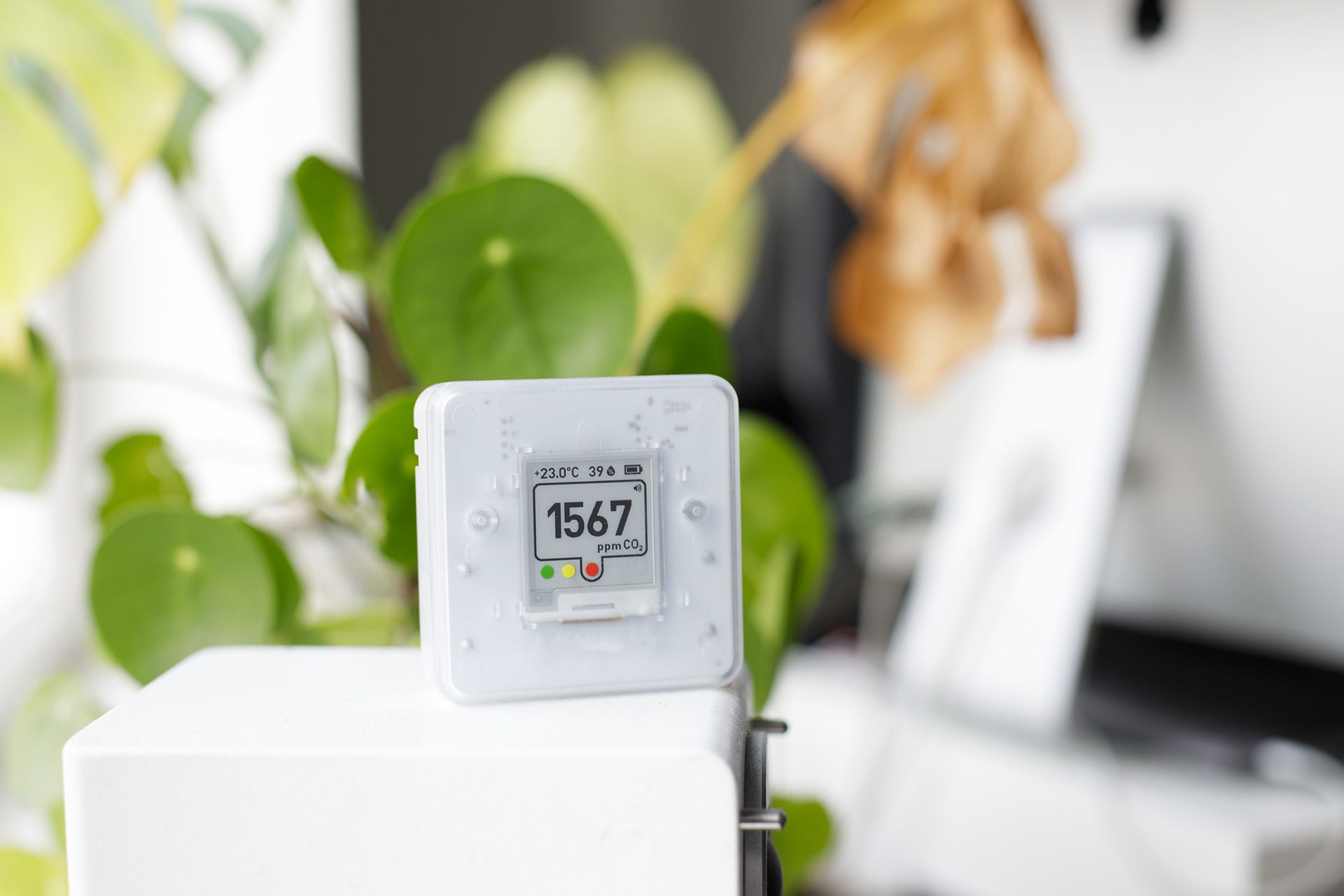
The air inside a home can contain particles, gases, moisture, allergens, and other contaminants that are not always easy to see. If rooms feel stuffy, odors keep returning, moisture is present, or you simply want to understand your indoor environment better, an indoor air quality inspection can help identify what deserves closer attention.
There is no single test that measures everything in your home's air.
Different tools are used for different concerns. A carbon monoxide alarm detects carbon monoxide. A radon test measures radon. Some home air monitors track particulate matter, carbon dioxide, volatile organic compounds, temperature, or humidity. Mold concerns may require inspection of moisture conditions and, when appropriate, specialized sampling.
That is why good indoor air quality testing starts by identifying what you are trying to find.
This guide explains how homeowners can monitor indoor air, when professional testing may make sense, and what an indoor air quality evaluation can and cannot tell you.
What Is an Indoor Air Quality Inspection?
An indoor air quality inspection is an evaluation focused on conditions that may affect the air inside a building.
Depending on the concern and the professional performing the service, an evaluation may involve:
- Reviewing possible pollutant sources
- Looking for moisture or water intrusion
- Evaluating ventilation
- Checking visible HVAC-related conditions
- Measuring humidity
- Monitoring particles or gases
- Testing for specific contaminants
- Collecting samples when appropriate
The exact scope matters.
A homeowner concerned about mold needs a different evaluation from someone concerned about radon, carbon monoxide, smoke particles, or chemical odors.
Some home inspection problems, such as moisture intrusion, poor ventilation, HVAC concerns, or visible mold-like growth, may also affect indoor air quality. However, a standard home inspection and an indoor air quality inspection have different purposes and scopes.
There is no single device that provides a complete picture of every possible indoor contaminant. Consumer air monitors measure only the pollutants or environmental factors their sensors are designed to detect.
What Can Affect Indoor Air Quality?
Indoor air quality can be influenced by both the building and the activities taking place inside it.
Common sources or contributing conditions may include:
- Cooking
- Fireplaces
- Fuel-burning appliances
- Tobacco or wildfire smoke
- Cleaning products
- Paints and solvents
- New furniture or building materials
- Dust
- Pet dander
- Mold and moisture
- Pesticides
- Poor ventilation
- Attached garages
- Outdoor pollution entering the home
Common pollutants of concern can include particulate matter, carbon monoxide, radon, mold-related particles, and volatile organic compounds, commonly called VOCs.
The first step is not buying every available test. It is determining which sources or conditions may be relevant to your property.
How Can You Test Indoor Air Quality at Home?
Homeowners have several options, ranging from simple observations to dedicated testing devices and professional evaluations.
Here is a practical way to begin.
1. Start With a Visual Home Review
Before buying an air monitor, walk through the property and look for conditions that could be affecting the indoor environment.
Check for:
- Water stains
- Plumbing leaks
- Condensation
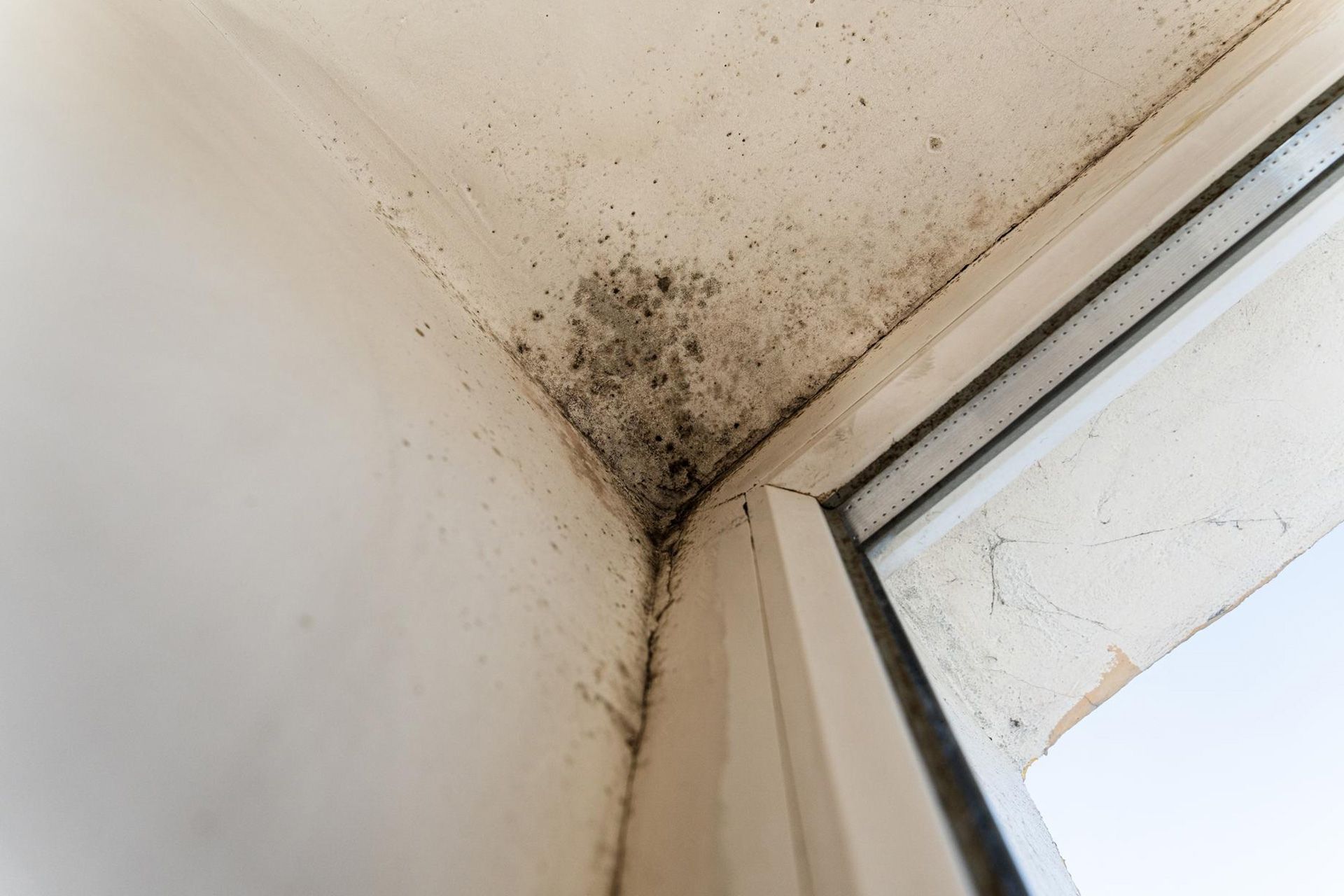
- Visible mold-like growth
- Musty odors
- Damaged HVAC ducts
- Dirty HVAC filters
- Blocked ventilation
- Damp crawl spaces
- Attic moisture
- Water intrusion around windows
- Garage odors entering living areas
Air-quality concerns sometimes begin with a building problem.
For example, repeatedly testing air for mold-related particles will not solve a roof leak that continues wetting building materials.
Identifying the source can be just as important as measuring the air.
2. Check Indoor Humidity
Humidity affects comfort and can also influence moisture conditions inside a home.
A basic hygrometer or indoor air monitor can measure relative humidity.
Watch for patterns rather than one isolated reading.
For example, consistently elevated humidity in a bathroom, crawl space, basement, or other area may indicate inadequate moisture control or ventilation.
High humidity can also create conditions that support mold growth when moisture remains on suitable materials.
If humidity stays unusually high, look for possible causes such as:
- Plumbing leaks
- Poor bathroom ventilation
- Damp crawl spaces
- Water intrusion
- HVAC problems
- Condensation
Fixing the source is generally more useful than simply watching the number on a monitor.
3. Use an Indoor Air Quality Monitor
Consumer air-quality monitors have become increasingly common.
Depending on the device, a monitor may measure:
- PM2.5 or other particulate matter
- Carbon dioxide
- VOCs
- Temperature
- Humidity
- Radon
- Carbon monoxide
Not every monitor measures all of these.
Before purchasing a device, check exactly what its sensors detect.
For example, if wildfire smoke is your main concern, particulate matter monitoring may be useful.
If you are concerned about radon, you need equipment specifically designed for radon measurement.
Home air sensors can provide useful information about patterns, but their accuracy and capabilities vary. Temperature, humidity, sensor age, calibration, and device design can affect readings.
Treat a consumer monitor as one source of information, not a complete indoor air quality inspection.
4. Test for Carbon Monoxide Properly
Carbon monoxide requires special attention.
It is colorless and odorless, so homeowners cannot reliably detect it with their senses.
Homes should have appropriate carbon monoxide alarms where required and recommended.
A general indoor air monitor should also not be confused with a certified carbon monoxide alarm. Consumer air monitors may provide informational readings, while CO alarms are specifically designed to warn occupants about potentially dangerous carbon monoxide buildup.
If a carbon monoxide alarm gives an emergency warning, treat it as a safety issue. Do not remain inside trying to perform additional air testing.
5. Test for Radon Separately
Radon is another pollutant that requires its own testing method.
A general home inspection cannot determine radon levels simply by looking at the property.
Radon testing requires equipment designed to measure the gas over an appropriate testing period.
A home's age does not tell you whether radon is present.
If radon is a concern, use an appropriate radon testing method rather than assuming a general air-quality monitor or visual inspection will detect it.
6. Look for Moisture Before Assuming Mold Is an Air Problem
Homeowners frequently connect indoor air quality with mold.
That makes sense because moisture problems can allow mold to develop on building materials.
However, an air sample alone may not explain why mold is growing.
A mold-focused inspection may also evaluate:
- Visible growth
- Plumbing leaks
- Roof leaks
- Moisture intrusion
- Damp building materials
- Attic conditions
- Crawl-space conditions
- Areas with previous water damage
Green Valley Inspections offers mold inspections designed to identify potential mold concerns, moisture sources, and conditions that may support mold development.
Finding and correcting the moisture source is an important part of addressing the overall problem.
7. Pay Attention to Ventilation
Poor ventilation can allow indoor pollutants to build up.
Your home may feel:
- Stuffy
- Humid
- Odorous
- Uncomfortable
- Poorly ventilated in certain rooms
Possible ventilation concerns can involve:
- Bathroom exhaust fans
- Kitchen ventilation
- HVAC airflow
- Closed or blocked vents
- Damaged ductwork
- Changes made during remodeling
Ventilation can help dilute or remove some indoor pollutants, but more outdoor air is not automatically better in every situation.
For example, outdoor smoke, high humidity, pollen, or other pollutants may make opening windows less helpful at certain times.
The correct approach depends on what is affecting the home's air.
When Should You Consider Professional Indoor Air Quality Testing?
DIY monitors are useful for basic awareness, but there are situations where professional indoor air quality testing may provide more useful information.
Consider professional evaluation when:
- A problem continues without an obvious source
- A monitor repeatedly shows unusual readings
- Strong or unexplained odors persist
- Water damage has occurred
- Mold is suspected
- Several areas have moisture concerns
- You are concerned about a specific pollutant
- You need documented testing rather than general monitoring
- Renovation or construction has changed indoor conditions
Professional testing should usually be targeted.
Instead of requesting a vague test for "everything," explain what you have observed and why you are concerned.
That helps determine which measurements or samples may actually provide useful information.
What Do Indoor Air Quality Testing Companies Check?
Different indoor air quality testing companies provide different services.
One company may specialize in mold and moisture. Another may perform environmental sampling. Others may focus on HVAC systems, radon, asbestos, lead, VOCs, or other specific concerns.
Before scheduling, ask:
- What pollutants do you test for?
- What equipment or sampling methods do you use?
- Is laboratory analysis included?
- What does the final report explain?
- Do you investigate possible sources?
- What are the limitations of the testing?
- Are you qualified for the specific contaminant I am concerned about?
Avoid assuming every company offering air testing provides the same service.
The right provider depends on the problem you are trying to investigate.
What Is Inside Air Quality Testing?
The phrase inside air quality testing generally refers to measuring or evaluating conditions in indoor air.
It may include testing or monitoring for specific factors such as:
- Fine particles
- VOCs
- Radon
- Carbon monoxide
- Humidity
- Certain biological contaminants
The important word is specific.
Testing is more useful when it is connected to a defined concern.
For example:
Concern: Musty smell after a roof leak.
Useful next step: Inspect moisture-damaged areas and determine whether mold evaluation is appropriate.
Concern: Smoke entering the home during wildfire conditions.
Useful next step: Monitor particulate matter and evaluate filtration and building air leakage.
Concern: Fuel-burning appliance concern.
Useful next step: Ensure working CO alarms and have the appliance or venting evaluated by the appropriate professional.
This approach provides more useful information than ordering unrelated tests without understanding what they measure.
Can a Home Inspection Test Indoor Air Quality?
A standard home inspection is different from specialized air testing.
A home inspection evaluates accessible building systems and components, including areas that can contribute to indoor environmental concerns.
For example, an inspector may identify:
- Plumbing leaks
- Roof leaks
- Moisture stains
- Crawl-space moisture
- Attic ventilation concerns
- HVAC conditions
- Visible mold-like growth
- Damaged exhaust systems
- Other conditions affecting the building
Green Valley Inspections' standard residential inspections include accessible roofing, plumbing, HVAC, ventilation, attic, insulation, crawl space, exterior, and other components that may help reveal moisture or building-condition concerns.
However, a standard home inspection should not automatically be described as comprehensive air-quality laboratory testing.
Specific pollutant testing may require a separate service or specialist.
What Can Homeowners Do After Testing?
Testing only becomes useful when the results lead to the correct next step.
Possible actions may include:
Control the Source
If a pollutant or moisture source can be identified, address it.
Examples include:
- Repairing plumbing leaks
- Correcting roof leaks
- Removing a source of chemical emissions
- Addressing combustion equipment problems
- Preventing garage exhaust from entering living areas
Improve Ventilation Where Appropriate
Bathrooms, kitchens, and other moisture- or pollutant-producing areas may benefit from proper exhaust ventilation.
HVAC and ventilation systems should operate as designed.
Improve Filtration
Appropriate air filtration may help reduce certain airborne particles.
The correct filter and system setup depend on the HVAC equipment and pollutant being addressed.
Control Moisture
If mold or dampness is the concern, find and correct the moisture source.
Cleaning a surface without correcting repeated water intrusion can allow the problem to return.
Bring in the Right Specialist
A reading or inspection finding may point to the need for:
- HVAC professional
- Mold specialist
- Plumber
- Roofer
- Radon professional
- Environmental testing professional
- Other qualified specialists
The solution should match the source.
Common Indoor Air Quality Testing Mistakes
Homeowners can get confusing results when testing is approached without a clear plan.
Avoid these common mistakes:
- Buying a monitor without checking what it measures
- Assuming one monitor detects every pollutant
- Treating a general air monitor like an emergency CO alarm
- Ignoring moisture while focusing only on air samples
- Relying on one unusual reading
- Placing sensors directly beside obvious pollutant sources
- Ignoring manufacturer calibration instructions
- Assuming an odor identifies a specific contaminant
- Ordering unnecessary tests without defining the concern
- Assuming a normal result means every possible pollutant is absent
Consumer air sensors can be helpful, but they do not provide a complete representation of every aspect of indoor air quality.
Indoor Air Quality Concerns in Southern California
Southern California homes can experience different indoor-air challenges depending on their location and construction.
Potential factors include:
- Wildfire smoke
- Outdoor particulate pollution
- Coastal humidity
- Inland heat
- Dust
- Attached garages
- Older HVAC systems
- Water intrusion
- Mold-related moisture problems
- Remodeling materials
A San Bernardino or Riverside County home may have different conditions from a coastal home in Orange, Los Angeles, or San Diego County.
That is why testing should focus on the actual property and concern rather than assuming every Southern California home needs the same tests.
Start With the Problem You Are Trying to Solve
An indoor air quality inspection should provide useful information, not simply more numbers.
Start by looking for moisture, leaks, ventilation problems, unusual odors, combustion sources, and other visible conditions. Use appropriate monitoring equipment for specific pollutants, and understand that consumer air sensors have limitations.
When the source is unclear or a specific contaminant requires specialized measurement, professional indoor air quality testing may be the better next step.
For Southern California homeowners concerned about property conditions that may affect indoor air, Green Valley Inspections provides detailed home inspections and professional mold inspections. A home inspection can identify visible moisture, ventilation, HVAC, plumbing, roofing, crawl space, attic, and other building concerns, while a mold inspection can focus more closely on mold-related moisture conditions. Contact Green Valley Inspections to schedule the appropriate inspection for your property and better understand the conditions inside your home.
Frequently Asked Questions
What does an indoor air quality inspection test for?
It depends on the inspection or testing service. Testing may focus on particulate matter, humidity, VOCs, radon, carbon monoxide, mold-related concerns, or other specific pollutants. There is no single test that detects every indoor contaminant.
Can I test indoor air quality myself?
Yes, consumer monitors can measure certain pollutants or environmental conditions such as particulate matter, carbon dioxide, VOCs, humidity, or radon, depending on the device. However, home monitors have limitations and do not replace every type of professional testing.
When should I consider professional indoor air quality testing?
Consider professional testing when a problem continues without an obvious source, you suspect a specific contaminant, water damage has occurred, unusual readings continue, or you need more detailed or documented testing.
Are indoor air quality testing companies all the same?
No. Companies may specialize in different areas, including mold, radon, HVAC conditions, environmental sampling, or specific pollutants. Ask exactly what the company tests and what its service includes before scheduling.
Can a home inspection find indoor air quality problems?
A home inspection can identify building conditions that may contribute to indoor-air concerns, such as leaks, moisture, damaged ventilation, crawl-space conditions, or HVAC issues. Specialized pollutant testing may require a separate service.
Does an air quality monitor detect mold?
A general consumer air monitor does not directly confirm that mold is growing in a home. Mold concerns should include an evaluation of moisture, visible conditions, water damage, and other factors. Specialized sampling may be appropriate in some situations.
What is the first thing I should do if I am worried about indoor air quality?
Start by identifying the concern. Look for leaks, moisture, odors, poor ventilation, fuel-burning appliances, smoke, or other possible sources. Then choose testing or professional evaluation that specifically addresses that issue.
Disclaimer: The information on this website and blog is for general informational purposes only and is not professional advice. We make no guarantees of accuracy or completeness. We disclaim all liability for errors, omissions, or reliance on this content. Always consult a qualified professional for specific guidance.
Search
Certification
Green Valley Inspections is InterNACHI Certified, a Certified Master Inspector, and CCPIA-certified, demonstrating advanced training, extensive experience, professional ethics, and expertise in residential and commercial property inspections across Southern California.
Social Media
Google Reviews

5-star ratings from 440+ clients across Southern California.
Contact Us
Recent Post


Service Areas
We offer home inspection services throughout the following counties: