
Brick Foundation Inspection: When You Need One and What to Expect

A brick foundation can remain durable for many years, but age, moisture, soil movement, drainage problems, and structural movement can eventually affect the brick or mortar. Cracks, loose mortar, bowing walls, or unexplained moisture should not simply be covered or ignored.
A brick foundation inspection helps identify visible signs of deterioration or movement and determines whether further evaluation may be needed. For homebuyers, it can also provide important information about the condition of one of the home's major structural components before closing.
Not every crack means the foundation is failing. Some cracks are minor and related to normal aging, while others may point to movement, moisture problems, or deteriorating masonry.
Knowing what to look for, when to schedule an inspection, and what an inspector can evaluate can help you make a more informed decision about your home.
What Is a Brick Foundation?
A brick foundation uses masonry as part of the system that supports a building. These foundations are more commonly associated with older homes, although brick may also appear around newer foundations as a veneer or exterior finish.
This distinction matters.
A home may look like it has a brick foundation wall when the visible brick is actually a nonstructural veneer installed over another foundation material, such as concrete or concrete masonry.
Brick veneer and load-bearing masonry do not perform the same structural job. Modern brick veneer is generally designed as an exterior wall system with drainage features that direct water back outside.
During an inspection, identifying how the visible masonry relates to the home's structure helps put cracks and other defects into context. This is also an important part of a
new construction inspection, where inspectors evaluate foundation materials, masonry work, drainage details, and other visible components to identify potential construction issues before the home is completed or occupied.
When Should You Have a Brick Foundation Inspected?
You do not have to wait for a major crack to appear before paying attention to foundation conditions.
An inspection may be especially useful when you notice changes around the home, are considering a property purchase, or know the masonry has experienced years of moisture exposure.
Here are some of the most common situations that deserve closer attention.
You Notice New or Growing Cracks
Cracks are one of the most recognizable signs homeowners associate with foundation problems.
However, the pattern matters as much as the crack itself.
Cracks may appear:
- Through mortar joints
- Through individual bricks
- In a stair-step pattern
- Horizontally across a wall
- Vertically through the masonry
- Around windows or doors
Small cracks in mortar are not automatically evidence of structural failure. The Brick Industry Association notes that minor hairline mortar cracks can be cosmetic, while wider cracking may deserve professional evaluation to determine the cause.
Cracks that are growing, displaced, repeated across several areas, or accompanied by other movement signs deserve particular attention.
The Foundation Wall Appears to Bow or Lean
A foundation wall should not appear noticeably bowed, tilted, or displaced.
Movement may develop for several reasons, including soil pressure, settlement, moisture-related conditions, or changes elsewhere in the structure.
Do not attempt to determine structural stability based only on appearance.
A home inspector can document visible conditions and recommend additional evaluation when necessary. More complex structural concerns may require a licensed structural engineer.
Doors and Windows Suddenly Stick
A difficult door does not automatically mean you have a foundation problem.
Doors can stick because of humidity, hardware problems, installation issues, or normal movement.
However, multiple doors or windows becoming difficult to operate at the same time may deserve investigation, especially when combined with wall cracking, floor changes, or visible masonry movement.
Home inspection standards recognize brick cracking, out-of-square door frames, and uneven floors as possible visible indications of foundation movement that inspectors should report when observed.
Floors Feel Uneven
Sloping or uneven floors can have many causes.
Problems may involve:
- Foundation settlement
- Floor framing
- Support posts
- Beams
- Previous alterations
- Moisture damage
- Long-term movement
An inspection looks at these conditions together rather than assuming that the foundation is automatically responsible.
You See Deteriorating Mortar
Mortar is the material that bonds masonry units together.
Over time, mortar joints can crack, erode, loosen, or deteriorate. This may leave sections of foundation brickwork more vulnerable to moisture and continued deterioration.
Older masonry deserves particular care because the mortar used historically may differ from modern mortar. Repairs made with an incompatible material can sometimes create additional problems.
The National Park Service notes that mortar plays an important role in managing moisture within historic masonry systems and that older masonry should be repaired using compatible materials and methods.
Moisture Is Appearing Around the Foundation
Water and masonry require careful attention.
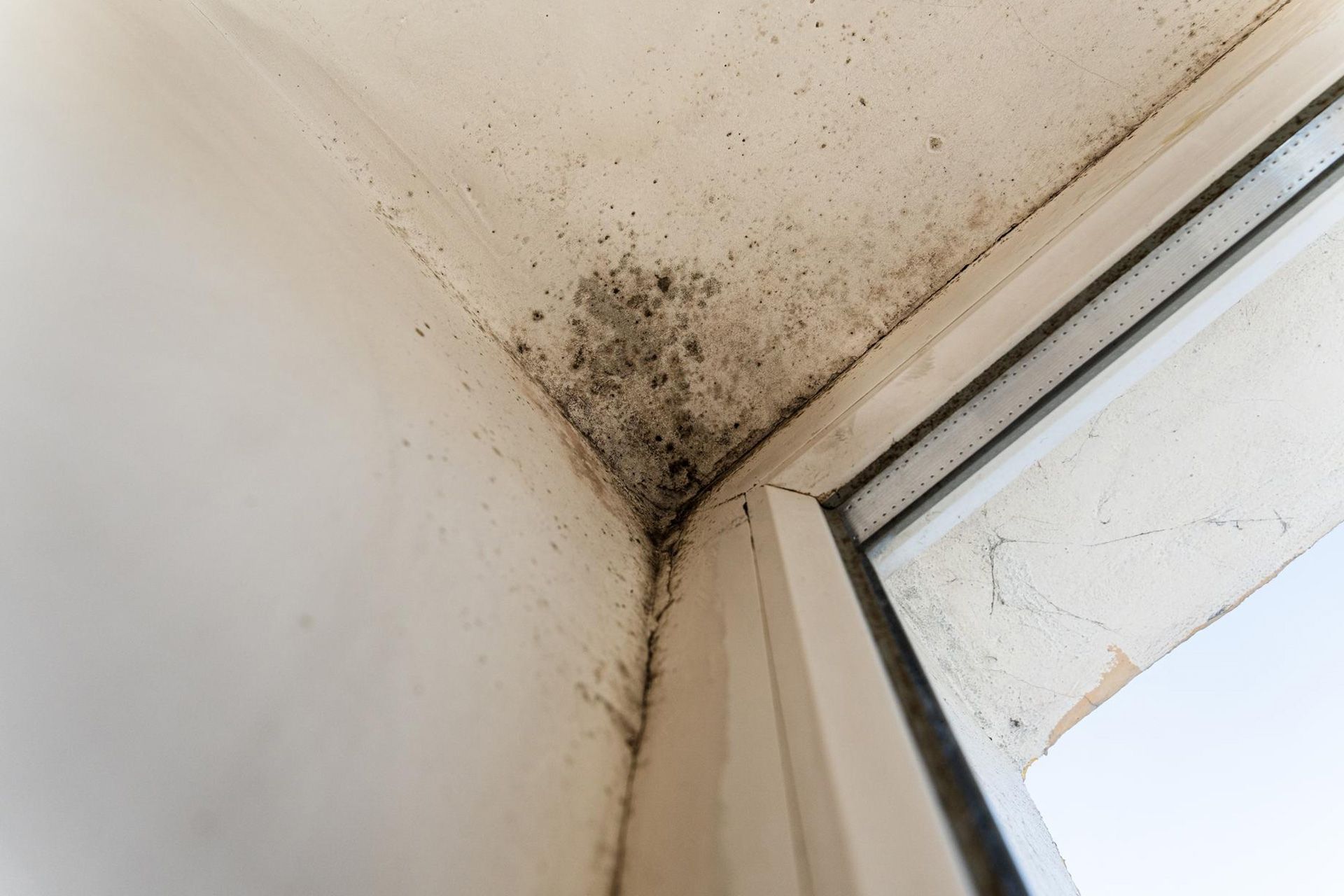
Brick and mortar can absorb and move moisture. Persistent dampness may contribute to deterioration and may also indicate problems with exterior drainage, grading, plumbing, or waterproofing.
Possible warning signs include:
- Damp masonry
- Water stains
- White mineral deposits
- Peeling finishes
- Musty odors
- Moisture near the base of walls
- Mold-like growth on nearby materials
Moisture should not automatically be blamed on the brick itself.
The source may be outside the wall. Poor grading, roof drainage, downspout discharge, irrigation, plumbing leaks, or groundwater can all contribute to moisture near a foundation.
Building science guidance emphasizes directing surface water away from foundation walls and controlling water before it reaches below-grade assemblies.
You Are Buying an Older Home
A home purchase is an important time to understand visible structural conditions.
Older homes may contain previous repairs, patched mortar, altered supports, aging masonry, or changes that are difficult for an untrained buyer to evaluate.
A professional home inspection can document accessible foundation conditions along with related components such as floors, walls, framing, drainage, and exterior areas.
If significant movement or deterioration is found, the inspector may recommend additional evaluation before the buyer's inspection period ends.
You Notice Changes After an Earthquake
Southern California homeowners should also pay attention to new masonry damage following noticeable seismic activity.
Brick and other masonry can be vulnerable to earthquake movement, particularly in older unreinforced construction. FEMA specifically recognizes brick or stone masonry as materials that may be present in older unreinforced masonry foundations.
If new cracks, separation, leaning masonry, chimney damage, or other structural changes appear after an earthquake, the condition should be evaluated rather than assumed to be cosmetic.
What Does a Brick Foundation Inspection Include?
A general home inspection is a visual, non-invasive evaluation. Inspectors evaluate accessible structural components and look for visible signs that may indicate movement, deterioration, water intrusion, or improper construction.
It is different from an engineering analysis.
Here are several areas an inspector may evaluate.
Visible Brick and Mortar Condition
The inspector looks at accessible masonry for signs such as:
- Cracked bricks
- Cracked mortar joints
- Missing mortar
- Loose masonry
- Deterioration
- Displacement
- Previous repairs
- Unusual gaps
- Moisture staining
The goal is not simply to count cracks. Their location, pattern, and relationship to other conditions around the home matter.
Wall Alignment and Movement
An inspector may look for visible bowing, leaning, separation, or displacement.
A single defect may not reveal the full story.
For example, masonry cracking combined with sticking doors, uneven floors, and interior wall cracks may deserve more attention than an isolated small mortar crack.
Interior Signs of Structural Movement
Foundation problems can sometimes create symptoms away from the actual foundation wall.
An inspector may observe:
- Cracks around doors and windows
- Ceiling or wall cracks
- Floor movement
- Separation between finishes
- Doors that do not close correctly
- Gaps between building components
These observations help provide a broader picture of how the structure appears to be performing.
Drainage and Grading
Water management is an important part of assessing foundation conditions.
The inspector may look at accessible exterior conditions such as:
- Ground slope near the home
- Downspout discharge
- Gutters
- Areas where water may collect
- Irrigation near the foundation
- Visible moisture staining
A masonry repair may not solve the problem if poor drainage continues directing water toward the same area.
Crawl Space or Basement Conditions
When safely accessible, these areas may provide additional information about the foundation and supporting structure.
- Foundation walls
- Piers or supports
- Floor framing
- Moisture
- Visible movement
- Damaged materials
- Previous repairs
Accessibility matters. Finished walls, stored belongings, insulation, limited crawl space clearance, and other obstructions can prevent certain areas from being inspected.
What a Home Inspector Does Not Do
Understanding the limits of a home inspection is important.
A home inspector generally does not:
- Perform structural engineering calculations
- Determine soil-bearing capacity
- Excavate around the foundation
- Open finished walls
- Guarantee that movement will never occur
- Design structural repairs
- Predict the exact future performance of the foundation
If visible conditions suggest a potentially significant structural concern, further evaluation by a qualified structural engineer or other appropriate specialist may be recommended.
This distinction protects homeowners from receiving a diagnosis that goes beyond the scope of a visual home inspection.
Common Brick Foundation Problems Inspectors Look For
Several conditions frequently deserve attention when evaluating masonry foundations.
Stair-Step Cracking
A stair-step crack follows mortar joints in a stepped pattern.
This type of cracking may be associated with masonry movement, but the cause should not be assumed based on appearance alone.
The inspector considers the surrounding structure and whether there are other signs of movement.
Horizontal Cracking
Horizontal cracks can be more concerning when they appear along a below-grade masonry wall, especially if the wall also appears bowed or displaced.
Such conditions may require additional structural evaluation.
Cracked or Spalled Brick
Spalling occurs when the face of masonry breaks, flakes, or deteriorates.
Moisture exposure, incompatible repairs, physical damage, and other conditions may contribute.
The inspector will document the visible condition rather than simply covering damaged areas with sealant or paint.
Deteriorated Mortar Joints
Mortar joints may gradually wear away.
Localized deterioration does not always mean the wall is structurally unstable, but widespread or deep mortar loss may require repair.
Proper repointing involves removing deteriorated mortar and replacing it with material appropriate for the masonry.
Moisture and Mineral Deposits
White deposits on brick or masonry are commonly called efflorescence.
They can indicate that moisture has been moving through the masonry and carrying dissolved salts to the surface.
The deposits themselves are not necessarily the primary problem. The more important question is why moisture is present.
Previous Foundation Repairs
Repairs deserve careful observation.
An inspector may note patched cracks, replaced bricks, new mortar, reinforcement, coatings, or other signs that work has been performed.
A previous repair is not automatically a negative condition. However, buyers may want to understand why the repair was needed and whether documentation is available.
Is Every Crack in a Brick Foundation Serious?
No.
Some cracking can result from normal aging, minor shrinkage, or deterioration of mortar.
The concern increases when cracks:
- Continue growing
- Reappear after repair
- Pass through bricks and mortar
- Have visible displacement
- Occur with bowing or leaning
- Appear in several parts of the home
- Develop alongside uneven floors
- Follow a significant event
- Allow moisture into the building
Instead of judging a crack by width or appearance alone, consider the entire pattern of conditions.
A professional inspection provides more context than a photograph or online crack chart.
Home Inspection vs. Structural Engineer Evaluation
This is one of the most important distinctions for homeowners.
A professional home inspector evaluates visible and accessible structural components as part of the overall property inspection. Green Valley Inspections includes the foundation, framing, walls, ceilings, floors, stairs, and other structural elements within its home inspection scope.
A structural engineer provides a more specialized evaluation when engineering judgment, calculations, diagnosis, or repair design is needed.
You may be referred to an engineer if an inspection reveals:
- Significant foundation movement
- Major masonry displacement
- Bowing walls
- Serious structural cracking
- Unusual settlement
- Questions about structural modifications
- Conditions requiring engineered repairs
The home inspection can therefore serve as an important first step in identifying visible concerns and deciding whether specialized evaluation is warranted.
What Happens After the Inspection?
Your inspection report should explain observed conditions and identify areas that may require repair, monitoring, maintenance, or further evaluation.
Possible outcomes may include:
No significant visible concern: The masonry may show normal aging without evidence that requires immediate specialist evaluation.
Maintenance recommended: Deteriorated mortar, drainage issues, or minor defects may need attention.
Monitoring recommended: A crack or other condition may need to be watched for change.
Specialist evaluation recommended: More concerning movement or deterioration may justify review by a structural engineer or qualified masonry professional.
Do not focus only on whether a foundation "passes" or "fails."
Home inspections are intended to help you understand current visible conditions so you can make informed decisions about the property.
How Homeowners Can Help Protect Foundation Brickwork
Routine observation and moisture management can help homeowners catch problems earlier.
Consider these practical steps:
- Keep gutters clear.
- Direct downspouts away from the foundation.
- Watch for water collecting next to the home.
- Avoid hiding cracks before determining their cause.
- Check mortar joints periodically.
- Look for new cracks after significant movement or seismic events.
- Address plumbing leaks promptly.
- Keep vegetation from damaging masonry.
- Save documentation for past structural or masonry repairs.
- Have significant changes professionally evaluated.
Most importantly, do not assume every masonry problem can be solved with caulk, paint, or fresh mortar.
Repairs should address the cause of the problem, not simply make the wall look better.
Understand Your Brick Foundation Before Problems Grow
A brick foundation can provide long-lasting support, but visible cracks, deteriorated mortar, moisture, wall movement, or changes elsewhere in the home should be evaluated carefully.
A professional inspection can help distinguish routine masonry wear from conditions that deserve additional attention. It can also identify related concerns involving drainage, floors, framing, walls, and other accessible structural components.
If you are buying a home or have concerns about visible foundation conditions in Southern California, Green Valley Inspections can provide a detailed evaluation of the property's accessible structural components as part of a professional home inspection. Contact Green Valley Inspections to schedule your inspection and gain a clearer understanding of the home's condition before making your next decision.
Frequently Asked Questions
How do I know if my brick foundation needs an inspection?
Consider an inspection if you notice new or expanding cracks, bowing masonry, deteriorated mortar, moisture, uneven floors, sticking doors, or other changes around the structure. Buyers should also pay close attention to foundation conditions when purchasing an older property.
Are cracks in a brick foundation always structural?
No. Some small mortar cracks may be related to normal aging or minor movement. Cracks become more concerning when they grow, show displacement, pass through bricks, or appear with other signs such as uneven floors or wall movement.
What does an inspector look for in a brick foundation wall?
An inspector generally looks for visible cracking, mortar deterioration, displacement, bowing, moisture, previous repairs, drainage concerns, and related signs of structural movement elsewhere in the home.
Can a home inspector tell me how to repair a damaged brick foundation?
A home inspector can document visible defects and recommend appropriate next steps. When significant structural concerns are present, a structural engineer may be needed to diagnose the problem and develop an engineered repair plan.
Should I have a brick foundation inspected before buying a home?
Yes, the accessible foundation should be evaluated as part of a professional home inspection. This is especially important when buying an older home or when visible cracks, moisture, previous repairs, or structural movement are present.
Can water damage a brick foundation?
Persistent moisture can contribute to deterioration of brick and mortar and may reveal drainage or water intrusion problems around the foundation. The source of the moisture should be identified rather than treated only for the visible symptoms.
Who should inspect serious foundation movement?
A professional home inspector can identify and document visible signs of possible movement. When conditions appear significant or require engineering analysis, a licensed structural engineer or other qualified specialist may be recommended.
Disclaimer: The information on this website and blog is for general informational purposes only and is not professional advice. We make no guarantees of accuracy or completeness. We disclaim all liability for errors, omissions, or reliance on this content. Always consult a qualified professional for specific guidance.
Search
Certification
Green Valley Inspections is InterNACHI Certified, a Certified Master Inspector, and CCPIA-certified, demonstrating advanced training, extensive experience, professional ethics, and expertise in residential and commercial property inspections across Southern California.



Social Media
Google Reviews

5-star ratings from 440+ clients across Southern California.
Contact Us
Recent Post




Service Areas
We offer home inspection services throughout the following counties: