
What Homeowners Need to Know About SB-721 Balcony Inspections
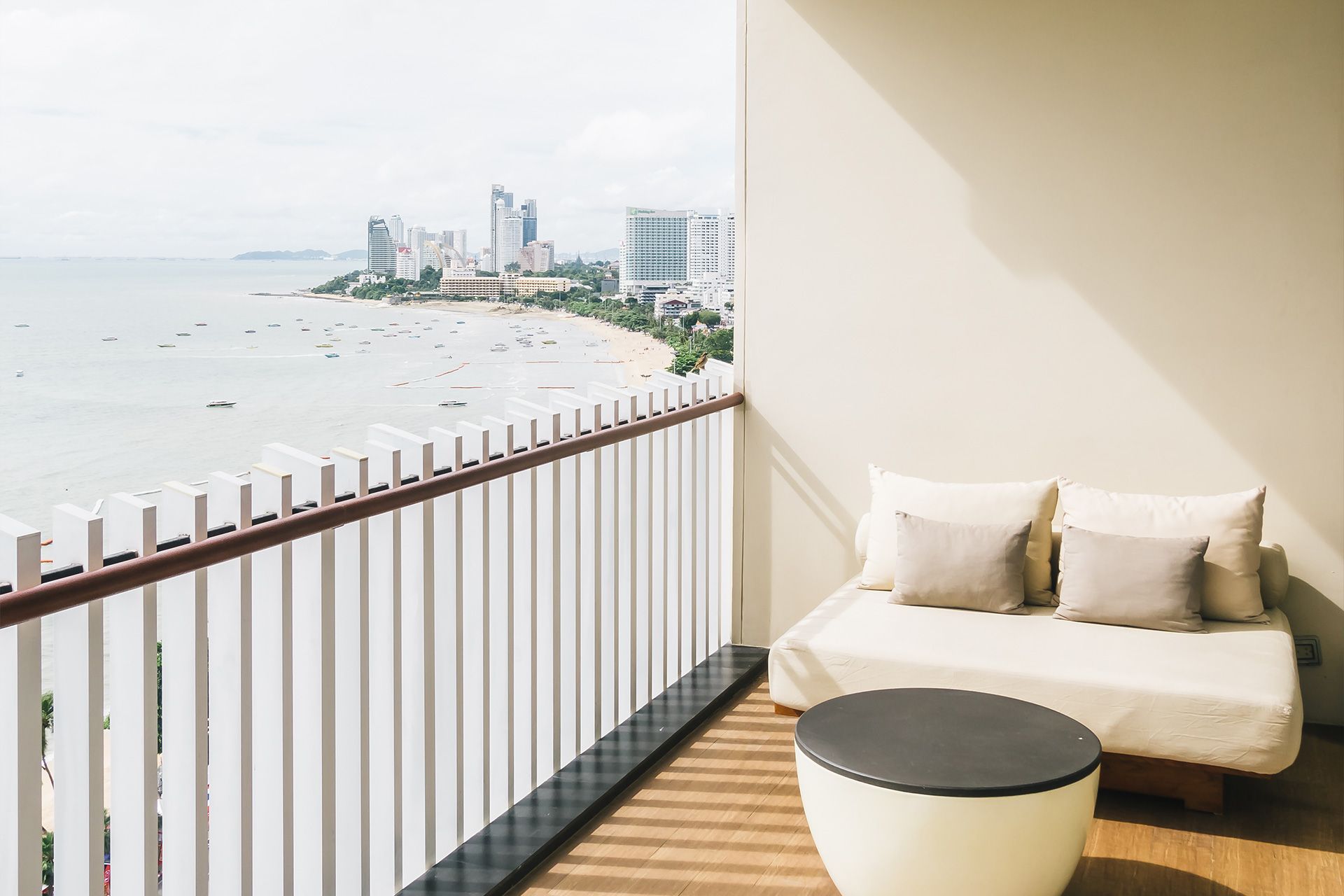
If you own a multifamily property in Southern California, understanding SB-721 balcony inspections is no longer optional, it’s essential. This California law directly impacts property safety, legal compliance, and long-term maintenance planning.
Whether you’re a landlord, investor, or property manager, staying informed about SB-721 compliance can help you avoid costly penalties and, more importantly, protect lives.
What Is SB-721?
Senate Bill 721 (SB-721) is a California law enacted in 2018 that mandates inspections of exterior elevated elements (EEEs) including balconies, decks, stairways, and walkways, in multifamily residential buildings.
The law was introduced following a tragic balcony collapse in Berkeley in 2015, which highlighted the dangers of structural deterioration in elevated wood-framed structures.
The primary goal of SB-721 is simple:
Prevent structural failures and improve resident safety.
Which Properties Must Comply?
Not every property falls under SB-721. The law specifically applies to:
- Multifamily residential buildings with 3 or more units
- Structures with exterior elevated elements
- Elements that are:
- More than 6 feet above ground
- Exposed to weather
- Built with wood or wood-based structural components
Covered structures include:
- Balconies
- Decks
- Exterior stairways
- Walkways and landings
- Guardrails and railings
Exempt properties:
- Single-family homes
- Duplexes
- Condo associations (these fall under SB-326 instead)
What Are SB-721 Balcony Inspections?
SB-721 balcony inspections involve a detailed evaluation of a building’s exterior elevated elements to determine their safety and structural integrity.
These inspections assess:
- Load-bearing components
- Waterproofing systems
- Signs of wood rot, corrosion, or deterioration
- Structural stability
Inspectors must evaluate at least 15% of each type of exterior elevated element as a representative sample.
Who Can Perform SB-721 Inspections?
To ensure accuracy and safety, only qualified professionals can perform inspections. These include:
- Licensed architects
- Structural or civil engineers
- Licensed contractors (with relevant experience)
- Certified building inspectors
Hiring an experienced and certified inspection company is critical for accurate reporting and full SB-721 compliance.
Key Deadlines and Inspection Frequency
One of the most important aspects of SB-721 compliance is timing.
Initial Deadline
- The first inspection deadline was extended to January 1, 2026
Ongoing Inspections
- Inspections must be conducted every 6 years thereafter
If you missed the deadline, your property may already be considered non-compliant.
What Happens During the Inspection?
A typical SB-721 inspection involves:
- Visual Examination
Inspectors assess visible structural components for damage or deterioration. - Moisture and Waterproofing Checks
Identifying water intrusion or failed waterproofing systems. - Structural Assessment
Ensuring the load-bearing elements are safe and functional. - Invasive Testing (if needed)
In some cases, inspectors may need to open up parts of the structure for a closer look.
The result is a detailed report outlining:
- Current condition
- Safety risks
- Recommended repairs
- Remaining useful life
What Happens If Issues Are Found?
If your inspection reveals problems, SB-721 outlines strict timelines:
- Immediate hazards must be reported within 15 days and repaired quickly
- Non-emergency repairs must typically be completed within 120 days
In some cases, permits and follow-up inspections may also be required.
Penalties for Non-Compliance
Failing to meet SB-721 requirements can have serious consequences.
Potential penalties include:
- Daily fines ranging from $100 to $500
- Legal liability in case of accidents
- Property liens or enforcement actions
- Increased insurance risks or denied claims
In Southern California’s competitive real estate market, non-compliance can also impact property value and tenant trust.
Why SB-721 Compliance Matters
Beyond avoiding fines, SB-721 compliance plays a crucial role in:
1. Protecting Lives
Structural failures can lead to severe injuries or fatalities. Regular inspections help identify risks before they become disasters.
2. Preserving Property Value
Well-maintained balconies and decks enhance property longevity and resale value.
3. Reducing Long-Term Costs
Early detection of issues prevents expensive repairs or full structural replacements.
4. Legal Protection
Compliance reduces liability exposure and demonstrates responsible property management.
SB-721 vs SB-326: What’s the Difference?
Many property owners confuse SB-721 with SB-326.
Here’s a quick breakdown:
| Law | Applies To | Inspection Frequency |
|---|---|---|
| SB-721 | Multifamily rental properties | Every 6 years |
| SB-326 | Condominiums/HOAs | Every 9 years |
Understanding which law applies to your property is critical for compliance.
How to Prepare for SB-721 Balcony Inspections
If you own a qualifying property in Southern California, here’s how to get started:
1. Determine Applicability
Confirm whether your property falls under SB-721.
2. Hire a Qualified Inspector
Work with a licensed and experienced inspection company.
3. Schedule Early
Avoid last-minute rushes and potential delays.
4. Budget for Repairs
Set aside funds for possible repairs identified during inspection.
5. Maintain Records
Keep inspection reports for at least two inspection cycles.
Costs of SB-721 Inspections
The cost of an SB-721 balcony inspection can vary depending on several factors, including the size of the property, the number of exterior elevated elements, and the overall complexity of the structure.
Key factors that influence inspection scope include:
- Number of balconies
- Accessibility of inspection areas
- Age and condition of the building
- Need for invasive testing or additional evaluation
- Level of detail required for reporting and compliance
Larger properties or those with more complex structures may require more time and detailed assessment, which can impact the overall inspection process.
While costs can vary, scheduling a professional SB-721 inspection is a valuable investment in property safety, compliance, and long-term maintenance planning.
Final Thoughts
SB-721 is more than just a legal requirement—it’s a vital safety measure for property owners and residents alike.
If you own a multifamily property in Southern California, staying ahead of SB-721 balcony inspections ensures:
- Safer living environments
- Legal compliance
- Long-term property value
Delaying inspections only increases risks, costs, and potential penalties.
Schedule your SB-721 balcony inspection today with Green Valley Home Inspections and ensure your property stays safe, compliant, and protected.
FAQs
What is SB-721 compliance?
SB-721 compliance means completing required balcony inspections, addressing any safety issues, and maintaining proper documentation as mandated by California law.
Who needs SB-721 balcony inspections?
Owners of multifamily residential buildings with 3 or more units and exterior elevated elements must comply.
How often are inspections required?
Inspections must be completed every 6 years after the initial inspection.
What happens if I miss the deadline?
You may face fines, legal risks, and enforcement actions. It’s best to schedule an inspection immediately.
Are all balconies inspected?
No, inspectors typically evaluate at least 15% of each type of exterior elevated element.
How long do repairs take?
Non-emergency repairs generally must be completed within 120 days, depending on local regulations.
Disclaimer: The information on this website and blog is for general informational purposes only and is not professional advice. We make no guarantees of accuracy or completeness. We disclaim all liability for errors, omissions, or reliance on this content. Always consult a qualified professional for specific guidance.
Search
Certification
Green Valley Inspections is InterNACHI Certified, a Certified Master Inspector, and CCPIA-certified, demonstrating advanced training, extensive experience, professional ethics, and expertise in residential and commercial property inspections across Southern California.
Social Media
Google Reviews

5-star ratings from 440+ clients across Southern California.
Contact Us
Recent Post
Service Areas
We offer home inspection services throughout the following counties: