
The Key Role of a Home Inspection in Detecting Hidden Gas and Carbon Monoxide Risks
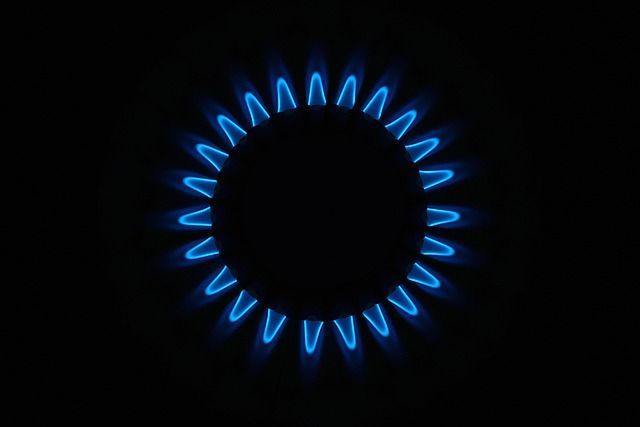
A home should be a place of comfort and security, but unseen threats can compromise the well-being of those inside. Among the most concerning are undetected gas leaks and carbon monoxide buildup. Regular home inspections serve as a proactive approach to identifying these hazards before they escalate into dangerous situations.
A comprehensive evaluation of a property includes an assessment of heating systems, ventilation, and gas appliances. Over time, even well-maintained homes can develop small leaks in gas lines or experience malfunctions in appliances that produce carbon monoxide. These issues often go unnoticed until they become severe, making periodic inspections essential for maintaining a safe living environment.
One of the primary areas of concern is the heating system. Furnaces, boilers, and water heaters should be inspected to ensure they are properly venting and operating efficiently. Improper combustion or blockages in the ventilation system can lead to a buildup of harmful gases. A thorough inspection will identify worn-out components, potential leaks, or improper installations that could result in hazardous conditions.
Another critical aspect of the inspection process is checking gas lines and connections. Pipes and fittings can degrade over time, leading to slow leaks that are not always detectable by smell alone. Specialized tools allow inspectors to pinpoint even the smallest leaks, helping to address them before they become serious.
Ventilation is another factor that is often overlooked but plays a crucial role in preventing gas and carbon monoxide accumulation. Blocked or malfunctioning vents can trap harmful gases inside the home. Ensuring that exhaust systems and airflow pathways are clear helps to maintain proper circulation and reduces the risk of exposure.
Many homeowners rely on carbon monoxide detectors as their primary safeguard, but these devices should complement, not replace, routine inspections. While alarms provide a warning when levels reach dangerous thresholds, they do not prevent leaks or appliance failures. Regular assessments help to mitigate risks before they escalate to the point of triggering an alarm.
Investing in a professional home inspection provides peace of mind and ensures that unseen dangers are addressed promptly. Keeping gas appliances in good condition, checking ventilation systems, and identifying leaks early are all vital steps in creating a secure home. By making inspections a routine part of home maintenance, homeowners can protect their property and their loved ones from preventable risks.
Search
Certification
Green Valley Inspections is InterNACHI Certified, a Certified Master Inspector, and CCPIA-certified, demonstrating advanced training, extensive experience, professional ethics, and expertise in residential and commercial property inspections across Southern California.
Social Media
Google Reviews

5-star ratings from 440+ clients across Southern California.
Contact Us
Recent Post

Service Areas
We offer home inspection services throughout the following counties: