
How to Spot Mold-Related Illness At Home

Most people assume that if they had a mold problem, they’d see it. Unfortunately, that’s not always the case. Mold can hide behind walls, under carpets, and in ventilation systems, quietly releasing airborne particles that may be affecting your health. If you’ve been feeling under the weather but can’t pinpoint why, your home might be the culprit. Here’s how to determine if mold exposure is behind your symptoms.
Mysterious Symptoms That Just Won’t Go Away
Unexplained fatigue, headaches, or a persistent scratchy throat may not be signs of a seasonal bug. If you experience sinus congestion, watery eyes, or coughing that worsens when you’re home and improves when you leave, mold could be the hidden factor. Some individuals develop more severe reactions, including skin irritation, dizziness, or even cognitive issues like difficulty concentrating. If traditional treatments aren’t helping, it may be time to consider your living environment as the source of the problem.
Your Home’s Subtle Warnings
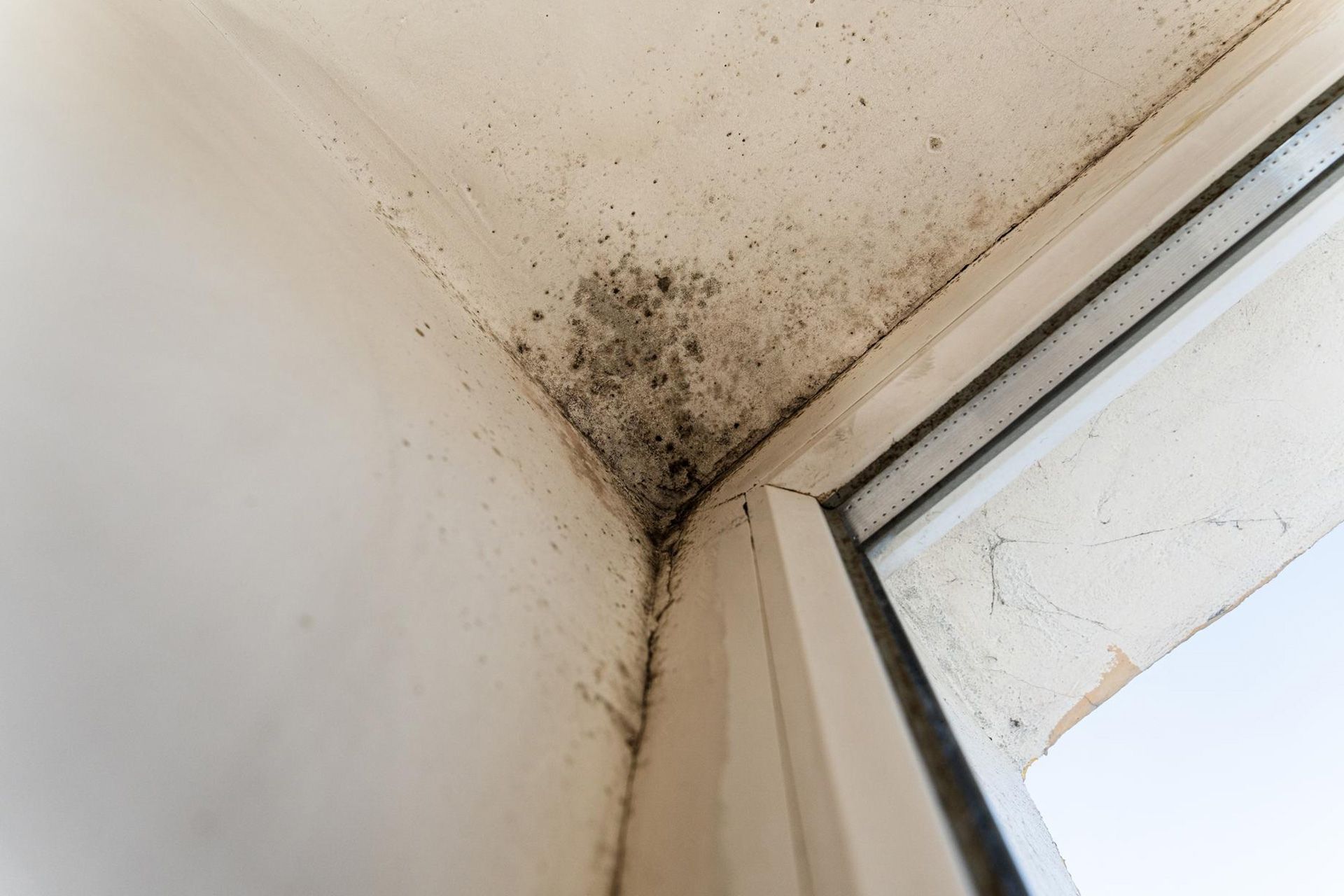
Even without visible mold, your home may be giving off clues. A musty or damp smell that never seems to go away is a major red flag. Condensation on windows, peeling paint, or discoloration on ceilings and walls can all suggest excess moisture—an open invitation for mold growth. If you’ve had any water leaks, flooding, or persistent humidity, the risk of hidden mold increases significantly.
The Unseen Dangers in Your HVAC System
Heating and cooling systems are often overlooked when it comes to mold concerns. If mold establishes itself in ductwork, it can spread microscopic spores throughout your home every time the system runs. If you notice a worsening of symptoms when your air conditioning or heat is on, it might be time to have your system inspected.
Testing and Addressing the Issue
If you suspect mold exposure is affecting your health, professional testing can confirm its presence. Home test kits exist but may not be as reliable as an assessment from a trained specialist. Addressing the issue might involve fixing leaks, improving ventilation, or even removing contaminated materials.
Ignoring mold-related illness won’t make it disappear. If your health improves when you’re away from home, or if multiple household members have unexplained symptoms, it’s worth investigating further. Sometimes, the problem isn’t what we can see—it’s what we don’t.
Search
Certification
Green Valley Inspections is InterNACHI Certified, a Certified Master Inspector, and CCPIA-certified, demonstrating advanced training, extensive experience, professional ethics, and expertise in residential and commercial property inspections across Southern California.
Social Media
Google Reviews

5-star ratings from 440+ clients across Southern California.
Contact Us
Recent Post




Service Areas
We offer home inspection services throughout the following counties: